Are Nickel-Cadmium Batteries Still Used in Portable Electronics?
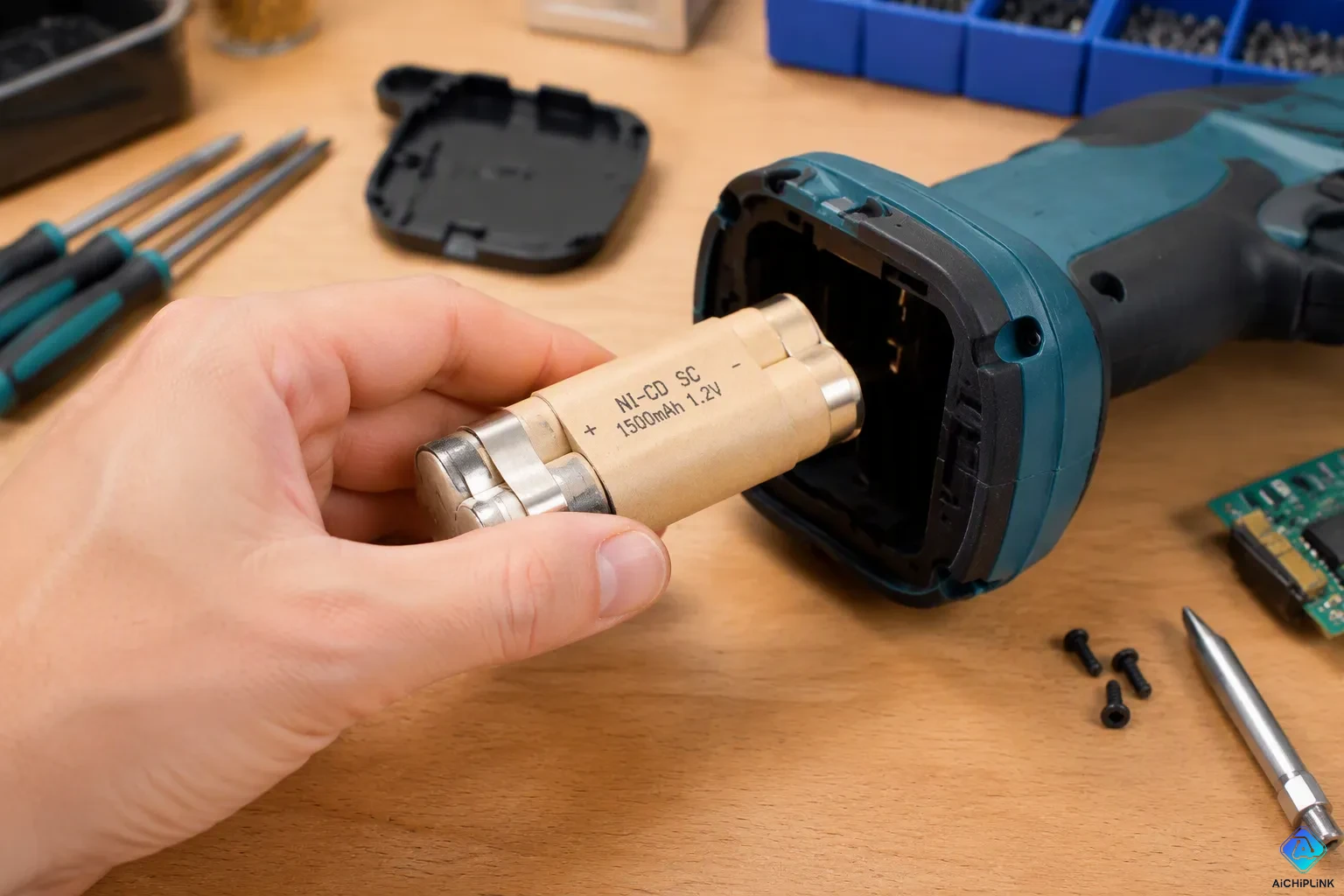
Yes, but not often. Remember when your cordless drill lost power after a few charges? That might have been a nickel-cadmium battery. You probably swapped it for a newer type. The well-known memory effect and toxic cadmium pushed most makers away from ni-cd tech. Still, these tough power sources show up in surprising places. You can find nickel-cadmium battery packs in emergency lights and airplane gear. Their power to give strong bursts and handle freezing cold keeps them useful. Modern batteries hold more energy, but they can't beat this old fighter's strength. So, while you rarely see ni-cd cells in daily devices, they quietly run key systems. Knowing why these batteries last helps you see their special role. Let's look at the path of this sturdy technology.
Key Takeaways
-
Nickel-cadmium batteries still power emergency lights, aircraft, and factory tools. They work well in very cold weather and give quick, strong bursts of power.
-
The memory effect and toxic cadmium pushed nickel-cadmium batteries out of most consumer electronics, but they remain reliable for specialized uses.
-
Nickel-cadmium batteries can be charged more than 1,000 times, making them strong and durable for important systems.
-
Lithium-ion batteries hold more energy and drain slowly, but they can't beat nickel-cadmium's burst of power or how well it works in cold weather.
-
Take old nickel-cadmium batteries to certified centers for recycling. This keeps toxic cadmium away from the environment.
The Rise of Nickel-Cadmium Battery Popularity
Why They Dominated Early Portable Electronics
For over 50 years, nickel-cadmium batteries powered most portable electronics. You could find them in flashlights, cordless phones, and early laptops. Their time in charge started in the 1940s and lasted into the 1990s. No other rechargeable battery matched their mix of strength and dependability.
The key was their inner chemistry. Ni-cd batteries could give strong power surges when needed. This made them great for devices that needed quick energy bursts. Your cordless drill could start up fast. Your camera flash could go off many times without pause. Ni-cd batteries handled these jobs with ease.
Being tough also set these batteries apart. You could drop a device, leave it in heat, or use it hard for years. Ni-cd batteries still worked. Their sealed build stopped leaks and inside damage. This toughness meant fewer replacements and lower costs over time for buyers. Makers liked this reliability because it cut down on warranty claims and unhappy customers.
The Golden Era of Rechargeable Power
The 1970s and 1980s were the best years for ni-cd batteries. Consumer electronics grew very popular during this time. People wanted cordless freedom, and nickel-cadmium batteries gave it to them. You could recharge your devices hundreds of times instead of tossing them. This change altered how people viewed power.
Ni-cd batteries also worked well in harsh conditions. They ran in freezing cold where other batteries failed. They handled overcharging better than newer types. These traits made them the top pick for work tools and emergency gear. Builders trusted their cordless drills. Rescue teams relied on their portable lights. Ni-cd batteries built their name through steady performance.
The numbers show the story. Ni-cd batteries could handle up to 1,000 charge and discharge cycles in normal use. That meant years of service from one battery pack. Compare that to early lithium options, which could only reach about 500 cycles. For many uses, nickel-cadmium batteries made more financial sense. Their higher starting price was offset by years of reliable work.
This success created a huge industry. Factories around the world made millions of ni-cd cells each year. Research kept improving their capacity and cutting their weight. The technology seemed unstoppable. But even during these great years, problems hid below the surface. The well-known memory effect and environmental worries would later challenge this strong battery. But for now, ni-cd batteries ruled the portable power world.
Why Ni-Cd Batteries Fell Out of Favor
The Infamous Memory Effect
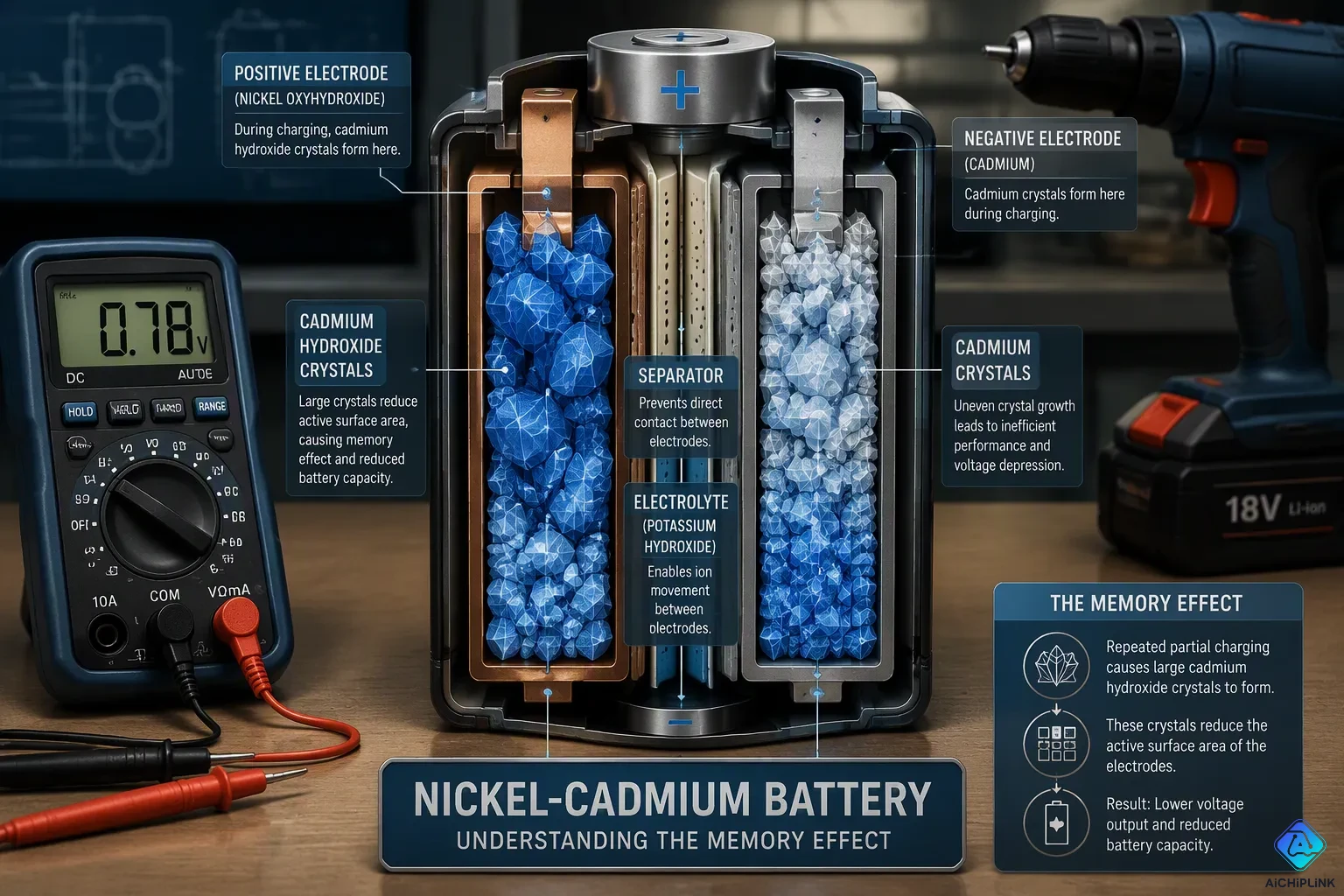
The memory effect is the most famous problem with ni-cd batteries. You might have seen it with your cordless drill. If you charged the drill before the battery was empty, the ni-cd batteries seemed to "remember" that partial level. Over time, ni-cd batteries lost their full capacity. This was annoying. Your drill might have run for only ten minutes instead of its original thirty-minute runtime. The batteries seemed dead even though they still had some charge.
The science behind this effect is interesting. During normal use of ni-cd batteries, cadmium hydroxide crystals form on the electrodes. When you do not regularly drain ni-cd batteries completely, these crystals grow bigger and more stable. Here is what happens step by step:
-
Cadmium hydroxide crystals form and start to grow bigger when the battery is not fully drained.
-
These bigger crystals have less surface area per unit mass. This lowers the electrochemical activity of the electrode.
-
The fine-grained structure that gives the best electrochemical performance changes into larger, less reactive crystal forms.
-
As the active surface area shrinks, the battery's ability to deliver current at normal voltage levels drops. This causes the performance loss.
The table below shows the conditions for fixing ni-cd batteries affected by the memory effect:
| Condition | Quantitative Threshold | Source |
|---|---|---|
| If regular exercise is skipped for 6+ months, crystals set in | Discharge to at least 0.6V/cell is needed | US Army tests |
| Full restoration may need deeper discharge | Recondition discharge to ~0.4V/cell or lower | Battery University |
This memory effect made nickel-cadmium batteries less attractive for everyday users. People did not want to worry about fully draining nickel-cadmium batteries before recharging. They wanted batteries that worked without extra care. This issue opened the door for better options. The memory effect became a big topic for manufacturers promoting newer battery types.
Environmental and Health Concerns
The bigger problem with ni-cd batteries was their environmental impact. Cadmium is a toxic heavy metal. When you throw ni-cd batteries in the trash, the cadmium can leak into soil and water. This causes serious harm. Unlike other battery types, nickel-cadmium batteries need special disposal methods.
Bad disposal of nickel-cadmium batteries leads to several health risks. Long-term cadmium exposure causes kidney damage. It also leads to bone weakening, which raises fracture risk. When cadmium dust or fumes are breathed in, it harms the respiratory system. Cadmium is also a known carcinogen. These effects build up because cadmium stays in the body for a long time. Even small amounts of exposure can add up over years.
These environmental concerns led to strict rules. The EU's RoHS Directive limits cadmium use. The US EPA's Universal Waste Rule requires special recycling for ni-cd batteries. You cannot just throw ni-cd batteries in your regular trash. This creates a burden. Many people still throw away batteries the wrong way. Those old batteries sitting in your drawer might contain cadmium. You need to recycle those batteries properly. Newer batteries offer safer options. Lithium-ion batteries dominate the market now. These batteries do not contain cadmium. They are much easier to get rid of.
Also, better alternatives appeared. Li-ion batteries offer higher energy density. They lack the memory effect. These batteries became the better choice for modern electronics. This mix of environmental concerns, regulatory pressure, and better technology pushed nickel-cadmium batteries out of the consumer market. Manufacturers switched to safer options. These newer batteries cost less over time. Today, you rarely see ni-cd batteries in everyday devices.
Niche Uses for Ni-Cd Batteries Today
Ni-cd batteries are still around. They work best where newer batteries cannot match their toughness. These power sources keep important systems running. You can find them in emergency lights, hospital gear, and aircraft. They can deliver strong current and handle harsh conditions. Modern lithium batteries may hold more energy, but they cannot take the same punishment.
High-Drain Devices and Extreme Conditions
Ni-cd batteries are great for devices that need quick power bursts. Emergency lighting systems rely on them. When the power goes out, they light up right away. Hospital monitors use ni-cd batteries for steady voltage. This steadiness matters for accurate readings. Portable diagnostic tools depend on their high-drain performance. These tools need power that stays strong during use. Emergency medical gear needs batteries that can handle many charge and discharge cycles. Ni-cd batteries keep their capacity under these conditions. They can handle hundreds of cycles without losing much performance.
The table below shows the main niche applications:
| Niche Application | Key Advantage of NiCd over Li-ion |
|---|---|
| Aviation (aircraft emergency systems, ground support) | Exceptional temperature tolerance, rapid charge, proven long-term reliability |
| Emergency backup (telecom, emergency lighting, UPS) | Reliability in extreme temperatures, consistent performance without maintenance |
| Railroad applications | Tolerance to temperature extremes, vibration resistance, high discharge rates |
| Industrial equipment (mining, marine) | Robustness in harsh environments, high discharge rates |
| Medical devices (surgical instruments, defibrillators, patient monitors) | Stable voltage output, long operational life |
| Power tools | High discharge rates, robustness |
| Backup power for critical infrastructure | Tolerance to overcharge and deep discharge cycles |
The global market for ni-cd batteries hit USD 3.68 billion in 2025. This shows they still matter. Mining and marine industries use ni-cd batteries because they are tough. Ni-cd batteries handle vibrations and shocks that would break other types. You can find them in forklifts and portable power tools. These tools need high current for short bursts. Ni-cd batteries deliver this power every time. They also work in extreme heat or cold. This makes them perfect for outdoor work sites. Railroad systems also benefit from their vibration resistance and temperature tolerance. These systems need reliable power in all weather.
Why Ni-Cd Batteries Persist in Aviation
Aviation depends on these power sources for critical tasks. Aircraft need batteries that work in extreme conditions. They start engines in freezing cold. They provide backup power at 40,000 feet. Sealed lead-acid units also meet FAA standards, but these power sources offer higher starting current. This is key for engine starting. The high surge current from these units gets engines turning fast. This reliability is a safety matter.
| Specification | NiCd (Typical) | Sealed Lead-Acid (Typical) |
|---|---|---|
| Nominal voltage | 24V (20 cells × 1.2V) | 24V (12 cells × 2.0V) |
| Capacity range | 25-45 amp-hours | 28-42 amp-hours |
| Weight | 45-65 lbs | 35-55 lbs |
| Starting current | 300-500 amperes | 200-350 amperes |
| Temperature range | -40°F to 160°F (with limitations above 100°F) | -40°F to 140°F |
These power sources last 5 to 8 years in aviation use. They deliver 2,000+ charge cycles. Some sources report up to 1,500 cycles for aircraft emergency power systems. This long life cuts replacement costs. Airlines trust them because they work well year after year. The steady performance reduces maintenance needs. Maintenance crews can focus on other tasks instead of frequent swaps. This is a big plus for busy airline operations.
FAA rules control how these power sources are used in aircraft. All units must meet TSO-C173 certification. This standard references RTCA/DO-293 Minimum Operational Performance Standards. Installation requires compliance with 14 CFR Part 43. Replacement units need Parts Manufacturer Approval (PMA) if they are not identical to original equipment. Only ni-cd batteries and sealed lead-acid units are approved for aircraft installation. Automotive units are strictly banned. The FAA does not make exceptions for these rules. Safety comes first.
The inspection schedule for these power sources is strict. You must check the initial capacity at 12 months or 1,000 hours. Later checks happen every 6 months or 500 hours if capacity stays above 90%. Visual inspections occur every 100 hours or 3 months. If capacity drops below 85%, you must remove the unit from service right away. These rules keep planes safe. They make sure every power source in the air meets the same high standards.
Comparing Nickel-Cadmium Batteries to Modern Options
When you shop for portable power today, you see mostly nickel-metal hydride (NiMH) and lithium-ion (Li-ion) options. Understanding how these compare to ni-cd helps you make smart choices. Each chemistry brings different strengths to the table.
NiMH: The Middle Ground
NiMH batteries share the same 1.2V nominal voltage as ni-cd. This makes them direct replacements in many devices. You can swap an old ni-cd pack for a NiMH pack without changing your equipment. This compatibility made NiMH a popular upgrade path.
The energy density difference matters. NiMH packs store 60-120 Wh/kg. Ni-cd packs store only 50-80 Wh/kg. This means NiMH gives you more runtime for the same weight. Your cordless phone lasts longer between charges. Your flashlight shines brighter for more hours. NiMH also avoids the toxic cadmium problem entirely.
However, NiMH shares one weakness with ni-cd. Both lose charge when sitting idle. Nickel-based chemistries lose 10-15% of their charge in the first 24 hours. They continue losing 10-15% each month after that. You pick up a NiMH-powered device after a month, and the battery feels dead. This self-discharge frustrates casual users.
NiMH also lacks the raw surge power of ni-cd. Your drill might start slower with NiMH. The voltage drops more under heavy load. For light-duty tools and household gadgets, NiMH works fine. For demanding industrial work, ni-cd still wins.
Li-ion: The New Standard
Lithium-ion batteries dominate modern electronics for good reason. They store 100-300 Wh/kg. This range far exceeds both ni-cd and NiMH. Your smartphone fits a full day of power in a slim package. Your laptop runs for hours without adding bulk. Li-ion packs weigh less and take up less space.
Self-discharge rates tell another story. Li-ion loses only 5% in the first 24 hours. After that, it loses just 1-2% per month. You can store a Li-ion device for months and find it nearly full. This makes Li-ion ideal for emergency kits and backup devices.
NiCd batteries exhibit a notable self-discharge rate, meaning they lose charge gradually over time, even when not in use. This is higher than the self-discharge rate of lithium-ion batteries, which lose charge more slowly when idle.
Li-ion does have limits. It cannot deliver the same surge current as ni-cd. High-drain tools like heavy drills need that instant burst of power. Li-ion packs also degrade faster in extreme cold. Ni-cd batteries handle freezing temperatures without complaint. For most consumers, Li-ion wins. For specialized industrial use, ni-cd remains the champion.
Modern rechargeable batteries each serve a purpose. NiMH offers a safe middle ground. Li-ion provides maximum energy. Ni-cd delivers raw toughness. Your choice depends on your specific needs.
NiCd batteries never really went away. You can still find them in special places where toughness matters more than energy density. Aviation systems, emergency lights, and industrial tools still depend on these power sources. They can deliver strong current and work well in freezing cold. You rarely see nickel-cadmium batteries in everyday devices anymore. Modern lithium-ion cells have taken over that market. Yet these old batteries still play key roles. Will new technology eventually replace even these last strongholds? Look at your own devices. You might find a nickel-cadmium battery pack in an older tool or emergency backup. For now, nickel-cadmium batteries keep their place. These batteries show that strength beats energy density in their world.

Written by Jack Elliott from AIChipLink.
AIChipLink, one of the fastest-growing global independent electronic components distributors in the world, offers millions of products from thousands of manufacturers, and many of our in-stock parts is available to ship same day.
We mainly source and distribute integrated circuit (IC) products of brands such as Broadcom, Microchip, Texas Instruments, Infineon, NXP, Analog Devices, Qualcomm, Intel, etc., which are widely used in communication & network, telecom, industrial control, new energy and automotive electronics.
Empowered by AI, Linked to the Future. Get started on AIChipLink and submit your RFQ online today!
Frequently Asked Questions
Can you still buy new ni-cd batteries today?
Yes, you can still buy new ni-cd batteries. They power special markets like aviation and emergency lights. Companies keep making these batteries for industrial use.
How should you dispose of old ni-cd batteries?
Take old ni-cd batteries to certified recycling centers. These batteries have toxic cadmium inside. Do not put ni-cd batteries in your regular trash. Many electronics stores accept them for proper recycling.
Can ni-cd batteries handle cold temperatures?
Yes, ni-cd batteries work great in freezing weather. They give steady power where lithium-ion batteries fail. Their cold-weather strength makes them perfect for aviation and outdoor gear.
How long do ni-cd batteries last?
Ni-cd batteries can last over 1,000 charge cycles. They outlast many lithium-ion batteries in cycle life. But ni-cd batteries hold less energy per pound. Pick based on whether you need toughness or capacity.