2CR5 Battery Performance Across Different Photography Devices

The 2CR5 battery usually gives steady, long-lasting power in many photography devices. Results change based on the device type and how you use it. This 6V lithium cell powers film SLRs from Canon, Nikon, Pentax, Minolta, and Kodak. It also works in older DSLRs, advanced point-and-shoot cameras, external flashes, and accessories like light meters. Real-world 2CR5 battery performance depends on power needs. Film cameras use very little current. Digital models and flashes need more energy. Users report strong results in moderate-drain devices. High-drain gear may drain the battery faster. This article offers practical tips for getting the most battery life. It also covers pros and cons for each device category.
Key Takeaways
-
The 2CR5 battery lasts a long time in film SLR cameras. It can power about 50 rolls of film.
-
In digital SLRs, the 2CR5 battery drains faster. Use it for basic shooting to get more shots.
-
For compact cameras, the 2CR5 battery works well. Turn off the camera between shots to save power.
-
External flashes recycle quickly with a 2CR5 battery. Lower the flash power to make it last longer.
-
Always carry a spare 2CR5 battery for important photography shoots.
2CR5 Battery Performance In Film SLR Cameras
Film SLR cameras are one of the most common uses for the 2CR5 battery. These cameras need less power than digital ones. The 2CR5 gives steady voltage and lasts a long time in this kind of camera.
Battery Life And Voltage Stability
The 2CR5 is a 6-volt lithium battery that you cannot recharge. Its chemistry gives steady voltage output for most of its life. Film SLR cameras gain from this stable power. The autofocus, light meter, and shutter need steady voltage.
Canon's manual for the EOS 1V says one 2CR5 battery can run about 50 rolls of 36-exposure film. This number assumes normal shooting with no heavy flash or autofocus in cold weather. Real users often get similar results. Some photographers get even more rolls when shooting in warm weather with little autofocus use.
Motorized film advance cameras need more power from the battery. They use a motor to move the film after each shot. Even with this extra work, users say the 2CR5 lasts a long time. The battery handles short high-power bursts from the motor without a big voltage drop. This dependability makes the 2CR5 a trusted power source for pro film photographers.
Steady voltage is important for correct exposure. The light meter in a film SLR needs a fixed reference voltage. The 2CR5 keeps its output steady until it is almost dead. This lets the meter stay accurate for many rolls of film.
Compatibility With Popular Models
The 2CR5 works in many film SLR cameras from big brands. Canon EOS models make up a large group. The EOS 1V, EOS 3, EOS A2, and many Rebel cameras take this battery. Nikon also made several film SLRs that use the 2CR5. The Nikon N90, N90s, F100, and F5 are examples.
| Manufacturer | Popular Compatible Models |
|---|---|
| Canon | EOS 1V, EOS 3, EOS A2, EOS Rebel series |
| Nikon | N90, N90s, F100, F5 |
| Pentax | Select models with 2CR5 compartment |
| Minolta | Various autofocus film SLRs |
This wide compatibility comes from the battery's small size and good voltage. Camera makers picked the 2CR5 for its energy density and steady discharge. Photographers with many film cameras often use this battery for all of them. One battery type works for many cameras, making travel and storage easier.
The 2CR5 battery works great in film SLRs even decades after these cameras were made. New cells still give the power needed for reliable use. Users should check the date code on older batteries. A dead 2CR5 will make the camera stop working without warning. It is smart to carry a spare battery for any film shoot.
2CR5 Battery In Digital SLR Cameras
Limited Adoption And Power Demands
The 2CR5 battery is not as common in digital SLR cameras. Only a few older DSLR models use this power source. Most modern digital cameras use rechargeable lithium-ion packs instead. These packs hold more power and can be charged many times.
Digital SLRs use a lot more power than film cameras. The image sensor, screen, and processor all use power. A 2CR5 battery can run these parts, but its power limit shortens how long you can shoot. The 2CR5 works well enough for simple shooting. But using the screen a lot or using autofocus all the time will drain the battery faster. Photographers who check pictures often or use live view will see the battery die sooner. The 6V lithium chemistry still gives steady power. This steadiness helps the camera avoid sudden shutdowns.
Longevity In Older DSLRs
What people see in real life is different for the 2CR5 in older DSLRs. Some people get a few hundred pictures from one battery. Others get a lot less when they use features that need a lot of power. The table below shows common results.
| Usage Pattern | Expected Longevity |
|---|---|
| Basic shooting, minimal LCD | Good, hundreds of shots |
| Heavy LCD review | Moderate, reduced shot count |
| Continuous autofocus | Lower, drains faster |
The good things about using a 2CR5 in a DSLR are easy replacement and long shelf life. You can keep extra batteries for years and they won't lose much power. The bad things include higher cost per shot than rechargeable options. You can't recharge a 2CR5, so you have to buy new ones often. For people who use the camera once in a while, this trade-off may be okay. For people who use it every day for work, rechargeable batteries are better. Always check your camera manual for the battery type it says to use. Bring an extra 2CR5 for important shoots.
2CR5 Battery In Point-And-Shoot Cameras
Advanced compact cameras often rely on the 2CR5 battery for power. These cameras sit between simple point-and-shoots and full DSLRs. They offer manual controls, better lenses, and more features. The 2CR5 fits well in this class. Its small size and 6V output match the needs of these cameras. Many photographers who travel light choose these compacts. The 2CR5 gives them a reliable power source without extra bulk.
Longevity In Advanced Compacts
Casual shooters get good results from the 2CR5 in compact cameras. These devices use less power than DSLRs. The sensor is smaller. The screen is often smaller too. A single 2CR5 can last through many outings. Travelers report shooting for days or weeks on one cell. The steady voltage keeps the camera ready. You do not need to worry about sudden shutdowns during a walk or a trip.
The 2CR5 battery performance in these cameras shines for moderate use. Turn the camera off between shots. Avoid using the flash when natural light works. Reduce screen brightness. These simple habits stretch the battery further. Cold weather can reduce life, so keep a spare in a warm pocket. A fresh 2CR5 weighs little and takes up almost no space.
Pros And Cons For Casual Shooting
The 2CR5 battery offers clear benefits for compact camera users. It has a long shelf life. You can store spares for years. It works in many camera models from different brands. Replacement is easy when the battery dies. You just buy a new one and swap it in.
There are downsides too. You cannot recharge a 2CR5. Heavy shooters will buy many cells over time. That cost adds up. The performance in very cold conditions drops. The battery may struggle in high-drain modes like continuous flash. Still, for casual and travel shooting, the 2CR5 remains a solid choice. Carry one spare battery for critical moments. This small step protects your shots.
2CR5 Battery In External Flashes
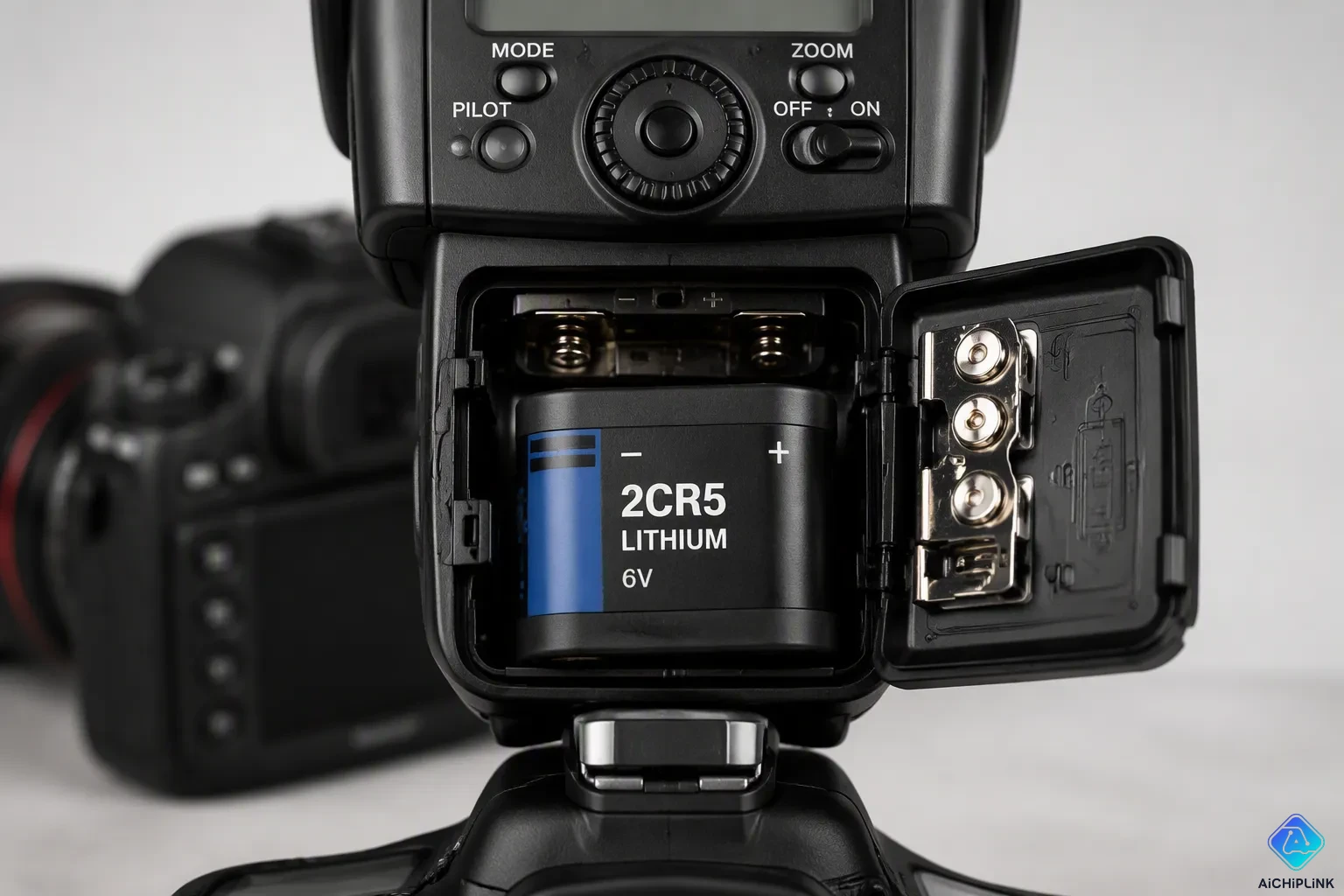
External flash units place high demands on their power source. They must recharge the capacitor between each shot. The 2CR5 battery handles this job well in many camera flash units. Its lithium chemistry delivers strong current in short bursts. This allows the flash to cycle quickly. Photographers can capture more moments in less time. A flash capacitor stores a lot of energy. The battery must supply this energy in a short burst. The 2CR5 does this without a big voltage drop. The 2CR5 battery performance in flash units depends on capacity and load. Let us explore how it performs and how to get the most from it.
Recycle Times And Capacity
A flash recycle time is the seconds between two full-power flashes. This cell must push energy into the capacitor until it is ready. The 2CR5 has a standard capacity near 1200mAh. The Panasonic 2CR5 is a common example at this rating. This capacity determines how many full-power flashes you can get. A fresh cell can often power hundreds of flashes before it dies. The exact number depends on the flash model and power level. Smaller flash units use less energy per burst. They get more flashes from one battery. Larger studio flashes drain the battery faster.
Recycle times with this cell are notably fast. A flash at half power can recycle in under two seconds. At full power, recycle may take three to five seconds. This speed is a big advantage for event and action photography. You can shoot several frames in quick succession. The steady voltage from the lithium chemistry keeps recycle times consistent. The voltage stays stable until the cell is nearly empty.
Using a 2CR5 in a flash unit has clear pros. Long shelf life means spares stay ready. Small size fits compact flash handles. Good performance in moderate conditions suits most indoor use. There are cons too. The non-rechargeable nature raises cost for regular flash users. Cold weather slows the chemical reaction inside the cell. Recycle times become longer in freezing temperatures. Heavy flash use drains power faster than a rechargeable pack might. For occasional flash work, this cell is a fine choice. For all-day professional shoots, consider rechargeable alternatives.
Tips For Maximizing Flash Life
You can stretch battery life in the flash unit. Lower the flash power level when the subject is close. This reduces the energy drawn per shot. Turn off the flash when you are not taking pictures. Idle time still uses some power. Always carry a spare for important events. A dying battery can cause long recycle delays. You might miss a critical shot. Use the flash zoom head to concentrate light on the subject. This lets you use a lower power setting. Each shot uses less energy.
Store spares at room temperature. Heat speeds up self-discharge. Cold drains capacity faster during use. Use fresh cells from the same batch for consistent performance. Do not mix old and new in dual-cell flash units. Check the date code when you buy a pack. A newer cell delivers full power. Avoid using a battery past its expiration date. Replace the cell at the first sign of slow recycle times. This small habit keeps your flash ready when it matters.
2CR5 Battery In Other Photography Equipment
Light Meters And Remote Controls
Light meters and remote controls are common photography accessories that use very little power. These tools need only a tiny amount of current to work. A handheld light meter may just need a small burst of power to take a reading. A remote shutter release sends out a tiny signal. The 2CR5 battery works well in these devices. Its 6V output matches what these tools need. One cell can power a light meter for months of normal use. Remote controls often last even longer. Many photographers cannot remember when they last changed the battery in these items.
The 2CR5 battery also works in other small accessories. Cable releases with electronic contacts use this cell. Some older flash meters and color temperature meters use the same battery. The small size helps here. These devices have tight compartments. A bulky cell would not fit. The 2CR5 slides in with room to spare.
Reliability In Low-Drain Devices
Low-drain devices put almost no stress on the battery. This fact changes how the battery performs. The 2CR5 battery keeps its voltage for a very long time under light loads. Self-discharge becomes the main issue. The cell loses charge slowly on its own. This slow loss matters more than active use.
Long Shelf Life: The low self-discharge rate of 2CR5 batteries allows them to retain charge for long periods, making them ideal for emergency kits or backup devices.
The Murata (formerly Sony) 2CR5 photo lithium battery uses a Lithium/Manganese Dioxide (Li/MnO2) chemistry. It has a 10-year shelf life rating. This rating shows how well the battery holds its charge during storage. That trait fits low-drain photography accessories. A light meter may sit unused for months. A remote control may stay in a bag all winter. The 2CR5 battery still holds enough power to work when you need it.
Other uses exist beyond photography equipment. Flashlights and security systems sometimes use this cell. These uses share the same low-drain trait. The 2CR5 battery gives dependable service in all of them. Its durability and long storage life make it a smart choice for backup gear.
The 2CR5 battery is a useful power source for many devices. It works well in devices that need a moderate amount of power. Film SLRs and advanced compact cameras are good examples. These devices give the 2CR5 long life and steady voltage in return. High-drain devices are a different case. Some older DSLRs and external flashes use up the battery faster. Their power needs make battery life shorter. Readers should check what their device needs first. Think about how you take photos before you depend on this cell as your main power source. A helpful tip: always bring a spare battery for important shoots. This matters most when you use accessories that need a lot of power. The 2CR5 battery is still a reliable choice for many photography jobs.

Written by Jack Elliott from AIChipLink.
AIChipLink, one of the fastest-growing global independent electronic components distributors in the world, offers millions of products from thousands of manufacturers, and many of our in-stock parts is available to ship same day.
We mainly source and distribute integrated circuit (IC) products of brands such as Broadcom, Microchip, Texas Instruments, Infineon, NXP, Analog Devices, Qualcomm, Intel, etc., which are widely used in communication & network, telecom, industrial control, new energy and automotive electronics.
Empowered by AI, Linked to the Future. Get started on AIChipLink and submit your RFQ online today!
Frequently Asked Questions
How long does a 2CR5 battery last in a film SLR?
Canon's manual for the EOS 1V states one cell runs about 50 rolls of 36-exposure film. Real users often report similar results. Motorized film advance cameras still get long life from the 2CR5. Cold weather and heavy autofocus use can reduce this number.
Can I use a 2CR5 in a digital SLR camera?
Only a few older DSLR models accept this cell. Digital sensors and LCD screens draw more power than film cameras. You may get hundreds of shots with basic use. Heavy screen review or continuous autofocus drains the 2CR5 battery faster.
Is the 2CR5 battery rechargeable?
No, the 2CR5 is a non-rechargeable 6V lithium cell. You cannot recharge it. You must buy a new one when it dies. This raises cost for heavy shooters. However, the cell has a long shelf life, so spares stay ready for years.
How many flashes can a 2CR5 battery power?
A fresh cell with about 1200mAh capacity can power hundreds of full-power flashes. The exact count depends on the flash model and power level. Smaller flash units use less energy per burst. Cold weather reduces capacity and slows recycle times.
What devices besides cameras use a 2CR5 battery?
Light meters, remote controls, and electronic cable releases often use this cell. These low-drain devices put almost no stress on the battery. The 2CR5 holds its charge for months in these tools. Flashlights and security systems sometimes use it too.