How to select capacitors for EV charging stations
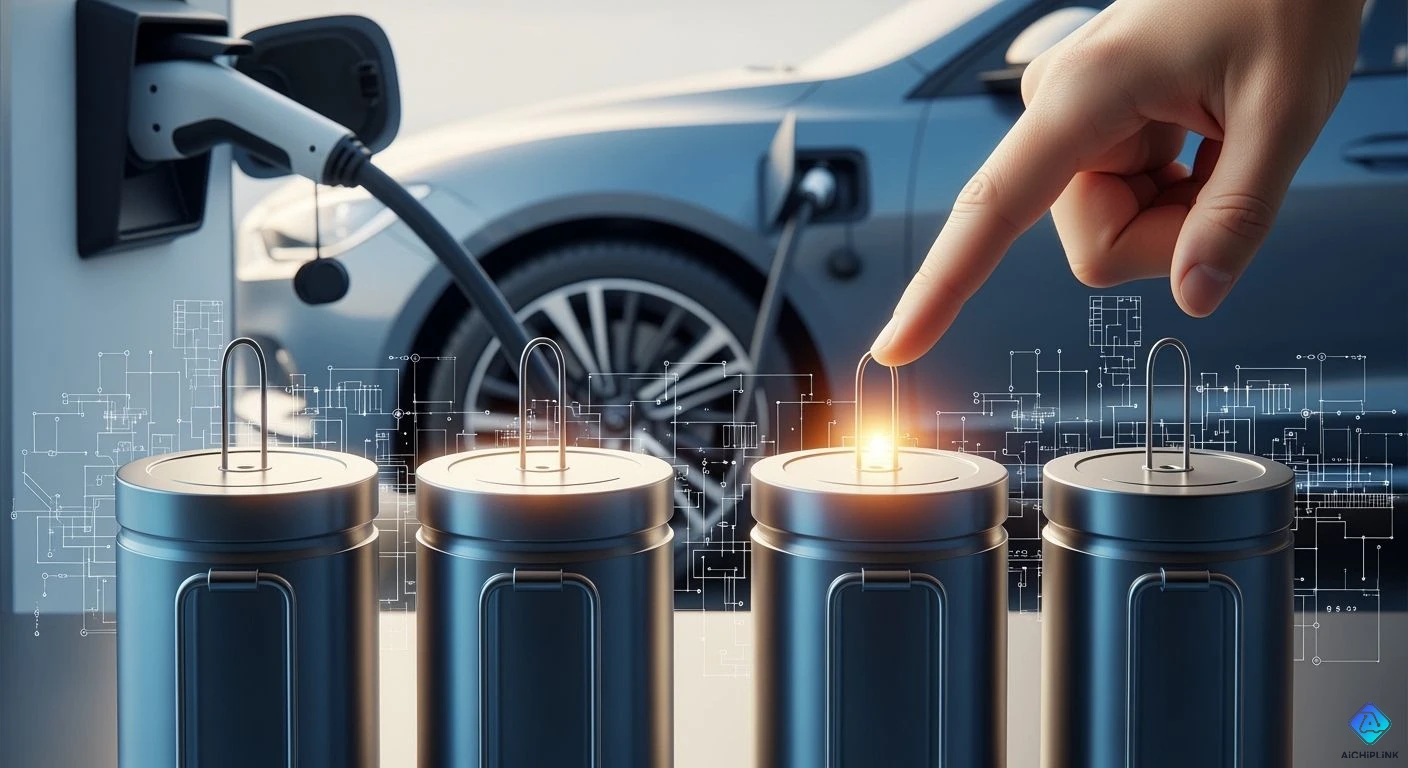
When you pick capacitors for EV charging systems, you need to look at things like voltage rating, capacitance, ESR, and reliability. These parts help your charging systems stay steady and work well. The right capacitor helps control voltage, handle ripple current, and keep your equipment from getting too hot. Look at the table below to see how picking the right capacitor affects how the station works:
| Aspect | Impact on DC Link Stability and Efficiency |
|---|---|
| Voltage Stability | Keeps energy moving smoothly and stops shaking. |
| Ripple Current Management | Lowers stress on parts and makes them last longer. |
| Energy Transfer Reliability | Makes sure power goes to the car battery well. |
| Component Longevity | Helps stop overheating and damage to important parts. |
| Capacitor Type | Film capacitors are best for low ESR and high ripple. |
| Example Capacitor | SMILER's MKP-LL Series capacitors are great for fast charging. |
You must choose capacitor specs that can handle fast changes in load and current. This keeps your station safe and running well.
Key Takeaways
-
Pick capacitors with a voltage rating above your system’s highest voltage. This helps stop damage.
-
Film capacitors are reliable. They can handle high ripple currents. This makes your charging station last longer.
-
Think about where the capacitors will be used. Make sure they can handle changes in temperature and vibrations.
-
Look for safety certifications like CE and TUV. These show the capacitors meet safety rules and standards.
-
Use a checklist when picking capacitors. This helps you avoid mistakes and keeps your EV charging station working well.
Capacitor Types for EV Charging Systems
Film Capacitors Overview
Film capacitors are good for strong power needs in EV charging stations. They can handle high voltages, sometimes up to 4000 V. Their capacitance changes only a little when the temperature goes up or down. They have great insulation resistance and can deal with ripple current well. Film capacitors do not have polarity, so you can use them in AC and DC circuits. They last longer and break less often than other types. You often find film capacitors in DC link circuits where stability is very important.
Tip: Film capacitors are best if you want reliability and high voltage strength for a long time.
| Characteristic | Film Capacitors | Ceramic Capacitors | Electrolytic Capacitors |
|---|---|---|---|
| Voltage Endurance | Up to 4000 V | Limited (around 500 V) | Limited (around 500 V) |
| Capacitance Change with Temperature | Only several % change | More than 10% change | More than 10% change |
| Insulation Resistance | Higher than ceramic and electrolytic | Lower than film | Lower than film |
| Polarity | No polarity (AC/DC compatible) | N/A | Has polarity (DC only) |
| Failure Rate | Fewer failures, longer life | N/A | Higher failure rate |
| Anti-Ripple Current Performance | Excellent | N/A | Limited |
| Application Suitability | Best for high voltage and long-term use | Limited for high voltage applications | Limited for high voltage applications |
Ceramic Capacitors in EV Chargers
Ceramic capacitors help filter input and output signals. They work well in control electronics because they can handle higher heat. You can use them where you need small size and low inductance. Ceramic MLCCs make building easier and help circuits work better. Their capacitance changes more with temperature. They are not as good for high voltage circuits as film capacitors.
-
Ceramic capacitors are used a lot in new EV chargers.
-
They help make circuits work well and lower inductance.
Electrolytic Capacitors Features
Electrolytic capacitors give you high capacitance in a small package. You mostly use them for DC circuits because they have polarity. They do not handle high voltages as well as film capacitors. Their capacitance changes a lot when the temperature changes. Electrolytic capacitors break more often and do not handle ripple current as well. You use them for smoothing and filtering in low-voltage parts.
Custom DC Link Capacitors
Custom DC link capacitors are made for EV charging stations. They have low inductance, often less than 5 nH. These capacitors can handle hundreds of amperes of ripple current. They can fix themselves if something goes wrong, so they are reliable. You can mount them right on power IGBT modules. Custom DC link capacitors save space and work better than standard types.
| Characteristic/Advantage | Custom DC Link Capacitors | Standard Capacitors |
|---|---|---|
| Low inductance | < 5 nH | Higher inductance |
| High ripple current | 100’s of Amperes | Lower ripple current |
| Reliability (self-healing) | High | Variable |
| Direct mounting on power IGBT | Yes | No |
| Compact size | Yes | Larger size |
Note: Custom DC link capacitors help keep fast charging stations running smoothly.
Selection Criteria for EV Charging Systems
Picking the right capacitors helps your EV charging station work well. You need to think about a few important things before you choose.
Voltage Rating
Check the voltage rating on each capacitor. This number shows how much voltage it can take before breaking. Fast charging stations use voltages from 450 Vdc to 3800 Vdc. If you pick a capacitor with a low voltage rating, your equipment could get damaged. Always pick a voltage rating that is as high or higher than your system’s top voltage.
Capacitance Value
Capacitance value tells you how much energy the capacitor can hold and give out. High-power EV charging stations need bigger capacitance values for fast charging. Look at the table below for what Level 3 charging needs:
| Feature | Specification |
|---|---|
| Application | Level 3 EV charging |
| Capacitance Values | High capacitance values required |
| Voltage Range | 450 Vdc to 3800 Vdc |
| Operating Temperature | -40 °C to +135 °C |
| Life Expectancy | 200,000 hours typical |
| Ripple Current | 100s of Amps |
| Inductance | < 5 nH |
| Dielectric Loss | Low loss dielectrics |
| Reliability | Exceptional life and reliability |
Match the capacitance value to your station’s power level. More power means you need more capacitance.
ESR and Ripple Handling
ESR means Equivalent Series Resistance. Low ESR lets the capacitor handle more ripple current and stay cool. Ripple current is extra current from switching and load changes. If ESR is high, the capacitor gets hot and wears out faster. Always check the ripple current rating to make sure it fits your station.
Transient and Load Requirements
Think about how the capacitor handles sudden voltage and current changes. High-power stations often see voltage transients and surges. These can hurt your equipment if the capacitor is not strong enough.
Capacitors in high-power EV charging stations must be able to handle voltage transients and surges. These events happen a lot and can hurt how equipment works. Following standards like IEC 61000-4-5 helps make sure capacitors can deal with real-world voltage and current changes. Transients are short and strong, often from lightning or quick load changes. Surges last longer but are not as strong. Both can break insulation and cause equipment to fail. That is why you need strong capacitors.
Pick capacitors that meet these needs to keep your station safe and working well.
Temperature and Environment
Outdoor charging stations face tough weather and other problems. Check how the capacitor deals with heat, cold, shaking, and too much ripple current. See the table below for important environmental factors:
| Factor | Description | Impact on Capacitors |
|---|---|---|
| High Temperature Stress | Inside charging cabinets, temperatures often reach 70°C–85°C. | ESR goes up, capacitance goes down, aging speeds up. |
| High Ripple Current Overload | In 30kW–350kW DC fast chargers, ripple current can reach 20–50 Arms. | Makes the inside hotter, causes early failure. |
| Vibration and Outdoor Conditions | Exposure to mechanical vibration and thermal cycling. | Solder joints get tired and connections get loose. |
| Temperature Resistance | Recommended range: -40°C to +105°C. | Higher resistance helps the capacitor last longer. |
Pick capacitors that can survive these tough conditions. This helps your station last longer and work better.
Safety Certifications
Safety certifications show the capacitor meets important rules. Check which certifications you need for your country. See the table below for common certifications:
| Certification | Description | Market Relevance |
|---|---|---|
| CE | Conformité Européenne, showing it meets EU safety rules | Europe |
| ROHS | Restriction of Hazardous Substances, for environmental safety | Europe |
| TUV | Technical Inspection Association, checks product safety and quality | Europe, North America |
| UKCA | UK Conformity Assessed, needed for Great Britain | UK |
| ETL | Electrical Testing Laboratories, checks safety in North America | North America |
Make sure your capacitors have the right certifications for EV charging systems. This keeps your station safe and legal.
Tip: When picking capacitors, balance cost, performance, and following the rules. Pick parts that fit your system size and needs.
Matching Capacitors to Electric Vehicle Fast Charging Station
AC vs. DC Charging Needs
It is important to know how AC and DC charging are different when picking capacitors for EV charging systems. AC charging stations use lower voltages and charge cars more slowly. You usually find these stations at homes or in parking lots. DC charging stations, like electric vehicle fast charging stations, use much higher voltages and charge cars faster. These stations need capacitors that can handle quick changes and high voltages.
For level 3 EV charging, DC fast chargers work at voltages from 400 V to 1,000 V. They give out power over 150 kW, and sometimes up to 350 kW. You need to pick capacitors that can handle these high voltages and move energy quickly. AC stations only need smaller, lower-voltage capacitors. DC stations need strong, high-voltage capacitors with low ESR and high ripple current ratings.
Tip: Always pick a capacitor with a voltage rating as high as the highest voltage your station will have. DC fast charging needs stronger capacitors than AC charging.
Power Level and Load Profile
Power level and load profile help you choose the right capacitor. Electric vehicle fast charging stations must handle high power. DC fast chargers often use a 480 VAC transformer to move power well. These stations give power from 150 kW to 350 kW. High power puts more stress on capacitors.
Load profile shows how the station gives power over time. Fast charging causes quick jumps and drops in current. Capacitors must handle these changes without getting too hot or breaking. For level 3 EV charging, you need capacitors with high capacitance and low ESR. These help control harmonic distortion and voltage changes.
You should pick capacitors that can take large ripple currents and fast load changes. This helps your station stay steady and work well.
DC Link Stability
DC link stability is very important in electric vehicle fast charging stations. The DC link connects power electronics and stores energy for fast charging. If the DC link is not stable, your station may have voltage swings or lose power.
Capacitors help keep the DC link stable. You need capacitors with high voltage ratings, low inductance, and good ripple current handling. Custom DC link capacitors are often best because they have low inductance and are reliable. They help smooth voltage and keep energy moving to the battery.
Note: A stable DC link means safer charging and longer life for your equipment. Always check capacitor specs for DC link use.
Integration with Power Electronics
You need to use capacitors with power electronics to make a good charging station. Power electronics include converters and filters that control how energy moves. Capacitors work with these parts to filter noise, store energy, and protect against voltage spikes.
Here is a table that shows how capacitors are used in the power electronics of a fast charging station:
| Component | Description |
|---|---|
| Input EMI filter | Stops electromagnetic interference from hurting the system. |
| Surge protector | Protects the system from voltage spikes. |
| Bulk DC link capacitor | Stores energy for the high-voltage DC bus, usually at 700–1000 V DC. |
| Isolated DC–DC converter | Controls voltage to the battery and keeps it safe from the rest of the system. |
You see capacitors in DC-DC converters, AC-DC rectifiers, DC-AC inverters, and AC-AC cyclo converters. Each one needs capacitors with different ratings and features. You must pick capacitors that fit what each power electronic device needs.
Tip: Work with your power electronics team. Make sure your capacitors fit the system and do what you need.
Reliability and Longevity
Expected Lifetime
You want your EV charging station to work well for a long time. How long a capacitor lasts depends on what it is made of, its design, and how you use it. Most good capacitors work for 100,000 to 200,000 hours. If you pick capacitors with strong insulation and low ESR, your station will be more reliable. Heat, ripple current, and voltage stress can make capacitors wear out faster. Always check the datasheet to see how long the capacitor should last at your station’s temperature.
Tip: Keep capacitors away from things that make heat. This helps them last longer and keeps your station working.
Here is a table that shows what can change how long a capacitor works:
| Factor | Impact on Lifetime |
|---|---|
| High Temperature | Makes capacitors age faster |
| Excess Ripple | Can make them fail early |
| Voltage Surges | Can hurt the insulation |
| Quality of Materials | Helps them last longer |
Failure Modes and Mitigation
Capacitors can stop working in different ways. You might see less capacitance, higher ESR, or even a short circuit. Most often, aging is why they fail. When a capacitor gets old, it cannot hold energy as well. This can cause your charging station to stop working.
-
Aging is a main reason capacitors fail in charging stations, which can make the station stop working.
-
Using good quality capacitors helps your station work better and need less fixing, so it stays open more.
You can stop many problems by picking capacitors that can fix small faults inside themselves. These are called self-healing capacitors. You should also use capacitors that have strong safety certifications. Checking your capacitors often helps you find problems early.
Note: Using good capacitors lowers the chance of breakdowns and keeps your station open for people to use.
Here are some ways to stop common problems:
-
Pick capacitors that match your station’s voltage and temperature.
-
Use self-healing film capacitors in DC link circuits.
-
Check capacitors when you do regular maintenance.
-
Make sure capacitors stay cool and dry.
When you focus on reliability and long life, your station works more and costs less to fix.
Practical Selection Steps
Step-by-Step Checklist
You can use a simple checklist to pick capacitors for your EV charging station. This helps you make good choices and stop problems before they start.
-
Find out how long your capacitor needs to last. If your station is very important, you need a capacitor that works for many years.
-
Try a capacitor life calculator. This tool tells you how long the capacitor will work in your station’s real conditions.
-
Pick capacitors with the right temperature rating. Look for ratings from -40°C to 105°C. This helps the capacitor work in both hot and cold weather.
-
Choose capacitors that can handle vibration. These parts do not break when the station shakes or moves.
-
Make sure the voltage rating matches your station’s highest voltage. This keeps your equipment safe from damage.
-
Pick the right capacitance value. Bigger stations need more capacitance.
-
Check ESR and ripple current ratings. Low ESR and high ripple current help the capacitor stay cool and last longer.
-
Make sure the capacitor has safety certifications. It should meet local and international rules.
-
Think about the environment. Check for humidity, dust, and if the station is outside.
-
Talk to your power electronics team. Make sure the capacitor fits the system design.
Tip: Always use this checklist when picking capacitors. It helps you avoid mistakes and keeps your station working well.
Common Mistakes to Avoid
You can stop many problems if you know what mistakes to watch out for when picking capacitors.
-
Picking capacitors with low voltage ratings. This can break your equipment.
-
Not checking temperature and vibration ratings. Capacitors may fail early if they cannot handle tough conditions.
-
Forgetting to check ESR and ripple current. High ESR makes the capacitor get too hot and not last long.
-
Skipping safety certifications. This can cause legal and safety problems.
-
Not using a life calculator. You might think the capacitor will last longer than it really will.
| Mistake | Result |
|---|---|
| Low voltage rating | Equipment damage |
| High ESR | Overheating, short lifetime |
| No certifications | Legal and safety problems |
| Wrong temperature | Early failure |
Note: Stay away from these mistakes to keep your EV charging station safe and working well.
You should look at voltage rating, capacitance, ESR, and certifications. Pick capacitors that fit what your fast charging station needs. Make sure the capacitor can handle quick voltage changes and keep the DC link steady. Check if the capacitor is safe and reliable.
Tip: Go over your checklist and talk to your team before you decide.

Written by Jack Elliott from AIChipLink.
AIChipLink, one of the fastest-growing global independent electronic components distributors in the world, offers millions of products from thousands of manufacturers, and many of our in-stock parts is available to ship same day.
We mainly source and distribute integrated circuit (IC) products of brands such as Broadcom, Microchip, Texas Instruments, Infineon, NXP, Analog Devices, Qualcomm, Intel, etc., which are widely used in communication & network, telecom, industrial control, new energy and automotive electronics.
Empowered by AI, Linked to the Future. Get started on AIChipLink and submit your RFQ online today!
Frequently Asked Questions
What is the most important factor when choosing a capacitor for an EV charging station?
You should check the voltage rating first. The capacitor must handle your system’s highest voltage. This keeps your equipment safe and working well.
How do you know if a capacitor can handle ripple current?
Check the datasheet for the ripple current rating. Pick a capacitor with a higher rating than your station’s ripple current. This helps stop the capacitor from getting too hot.
Why do film capacitors last longer than electrolytic capacitors?
Film capacitors are made with strong materials and have no liquid inside. They can handle heat and stress better. This means they last longer and break less often.
Do you need special certifications for capacitors in EV charging stations?
Yes, you need certifications like CE, ROHS, or TUV. These show the capacitor meets safety and quality rules. Always look for these marks before you buy.