Muffler or Resonator How They Compare in 2026
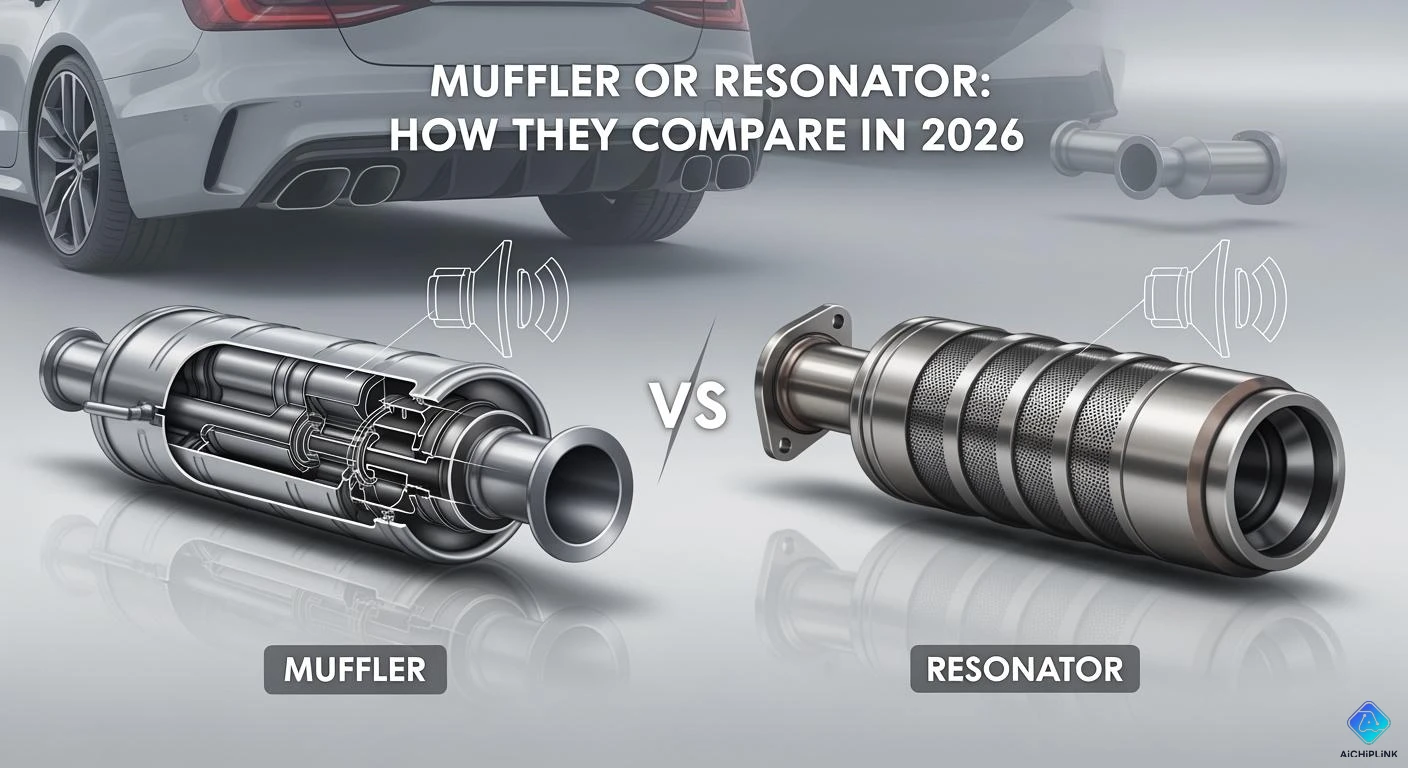
You face a clear choice in the muffler vs resonator debate. This decision matters more than ever in 2026. Mufflers cut down on noise and help your vehicle meet emission standards. Resonators shape the tone of your exhaust. If you change your exhaust system for a louder sound, you could risk breaking noise laws, even if tests show you meet decibel limits. Authorities now use automated systems to track exhaust noise. You must prove your car follows the rules, which can become expensive if you get cited.
Key Takeaways
-
Mufflers make your car quieter by lowering exhaust noise. They help your car follow noise rules.
-
Resonators change certain sounds in the exhaust. They make the exhaust sound better but do not make it much quieter.
-
Picking a muffler or resonator depends on what sound you like. It also depends on your car’s details. Think about the material and size.
-
Taking care of your exhaust system stops expensive repairs. It helps your car work well.
-
Check your local noise and emissions laws before changing your exhaust. This helps you avoid fines and trouble with the law.
Muffler vs Resonator: Main Differences
What is a Muffler?
You may ask, what does a muffler do? A muffler is an important part of your car’s exhaust. It helps make the engine noise much quieter. Most mufflers have baffles, chambers, and materials that soak up sound. These parts work together to stop loud noises before they leave the tailpipe. In 2026, mufflers are made from strong metals like stainless steel and titanium. Stainless steel does not rust easily and lasts a long time. Titanium is lighter than steel and also stands up to heat and rust. Car makers pick these metals so mufflers can last in tough weather and road conditions.
Here is a table to show how mufflers and resonators are built:
| Feature | Muffler | Resonator |
|---|---|---|
| Size | Generally larger | Typically smaller |
| Function | Minimizes overall exhaust noise | Tunes specific sound frequencies |
| Internal Design | Uses baffles, chambers, and sound-absorbing materials | Mostly hollow casing with baffles to redirect flow |
The main job of a muffler is to make your exhaust quieter. Some mufflers also help air move better, which can give your car more power and keep it quiet. Mufflers come in many shapes and sizes. The kind you need depends on your car and how quiet you want it to be.
What is a Resonator?
So, what does a resonator do? A resonator is also part of the exhaust, but it works in a different way. It does not lower all the noise. Instead, it targets certain sounds that can be annoying when you drive. Most resonators are hollow with some baffles inside. This shape lets them change the sound waves as they move through.
Resonators are smaller than mufflers. They do not use as many materials to block sound. They focus on making the exhaust note sound better. If you want your car to sound smooth and deep, a resonator can help. Many sports cars use resonators to get a cool sound without being too loud.
Here are some quick ways they are different:
-
Resonators fix certain sounds.
-
Mufflers use more parts to block noise.
-
Resonators use their shape to change the sound.
How They Work in Exhaust Systems
Most new cars have both mufflers and resonators. Each one has a special job in the exhaust. The muffler is near the end of the exhaust. It takes loud engine sounds and makes them softer. The resonator is usually before the muffler. It changes the sound waves and gets rid of harsh or buzzing noises.
Here is a table to show what each part does:
| Component | Function | Sound Management | Performance Impact |
|---|---|---|---|
| Muffler | Reduces overall exhaust noise using baffles and chambers. | Broadly lowers noise levels. | Can create backpressure affecting engine performance. |
| Resonator | Cancels specific sound frequencies to eliminate annoying tones. | Cleans up specific sounds without significant volume reduction. | Can improve performance by reducing restrictions. |
You might wonder, how does this change your car? If you take out the muffler, your car will get much louder. This can also change the way air moves in the exhaust, which might lower your car’s power. Resonators do not cause backpressure. They only remove unwanted sounds, so they do not change how your car runs.
Car makers in 2026 keep making these parts better. Some companies use new metals and smart designs to make mufflers and resonators smaller and work better. Some brands even use active noise control or special valves to change sound and airflow. These upgrades help you get a quiet ride and good performance.
Tip: If you want your car to be quiet, pick a muffler that fits your car. If you want a sporty sound, add a resonator to change the exhaust note.
The muffler vs resonator choice depends on what you want. Mufflers make the car quieter, and resonators shape the sound. Both are important for how your car sounds and works. Knowing the main differences helps you pick the best one for your car.
Sound Impact: Muffler vs Resonator
Muffler and Noise Reduction
When you want to lower the noise from your car, you look at the muffler first. The muffler sits at the end of the exhaust and acts like a shield against loud engine sounds. You can expect a muffler to cut down the noise by 10 to 30 decibels. Some designs even lower the sound by up to 35 decibels across many frequencies. Here are some ways mufflers reduce noise:
-
Industrial mufflers drop exhaust noise by about 10–30 dB(A).
-
Special designs can reach 20–35 dB(A) reduction.
-
Absorptive mufflers work best at mid and high frequencies, lowering noise by 10–20 dB.
-
Baffled mufflers help with low and deep sounds, cutting 15–25 dB.
You get a quieter ride and meet noise laws with the right muffler. This makes your drive more comfortable and keeps your car legal.
Resonator and Sound Quality
A resonator does not make your car much quieter. Instead, it changes the quality of the sound. The resonator targets certain frequencies in the exhaust that can sound harsh or annoying. It acts like a filter, removing those unwanted tones. Unlike the muffler, the resonator does not lower the overall volume. It only shapes the sound to make it smoother and deeper. You will notice the difference most when you drive at steady speeds. The resonator helps stop the “drone” that can bother you on long trips.
-
Mufflers lower the volume across all sounds.
-
Resonators focus on certain frequencies, making the exhaust note better.
-
Resonators do not reduce the total noise but improve how the sound feels.
Choosing Based on Sound Preference
You have a choice in the muffler vs resonator debate. Think about what matters most to you. If you want a quiet car, pick a good muffler. If you care about the tone and want a sporty or smooth sound, add a resonator. Many car owners want both comfort and a nice exhaust note. You can mix both parts to get the best result.
Tip: Mufflers act like a volume knob, while resonators work like a scalpel for sound. You can balance both for the perfect ride.
When you choose, remember that the muffler controls the noise level, and the resonator shapes the sound. Your decision will change how your car feels every time you drive.
Performance and Efficiency
Engine Power Effects
You might wonder how the muffler vs resonator debate affects your car’s power. The muffler and resonator both change the way exhaust gases move. If you pick the wrong part or install it incorrectly, you can lose horsepower or torque. Many people think backpressure helps create torque, but this is not true. Your engine needs to push out exhaust quickly. When both intake and exhaust valves open, the exhaust flow helps pull fresh air into the cylinder. This process is called scavenging. If you use a muffler or resonator that blocks the flow, your engine cannot breathe well. You lose power and the sound may not improve.
-
Changing the exhaust can hurt performance if you do not do it right.
-
Backpressure does not help torque.
-
Scavenging helps your engine get more air.
-
Large exhaust pipes can slow down gas flow and reduce suction.
-
The best exhaust system keeps gas moving fast and reduces backpressure.
Fuel Economy Considerations
You want your car to use less fuel. The muffler and resonator both play a role. If your exhaust system flows well, your engine works less to push out gases. This can help you save gas. A muffler that is too restrictive makes your engine work harder. You burn more fuel and get less power. A resonator does not block flow as much. It changes the sound but lets gases move freely. If you want better fuel economy, choose a muffler and resonator that match your engine size and driving style.
Tip: A balanced exhaust system with the right muffler and resonator can help you save money at the pump.
Upgrades and Trends
In 2026, you see new trends in exhaust upgrades. Many drivers want a better sound and more power. You can find mufflers and resonators made from lightweight metals. Some brands use smart valves to change the sound as you drive. You can pick a quiet mode for city driving and a sporty sound for open roads. Aftermarket parts let you tune your exhaust system for the best mix of sound, power, and fuel savings. Always check that your upgrades follow local laws.
| Upgrade Type | Benefit | Popular in 2026? |
|---|---|---|
| Lightweight muffler | Less weight, better sound | Yes |
| Tuned resonator | Custom sound, smooth flow | Yes |
| Smart exhaust valve | Change sound on demand | Yes |
You have many choices for your car’s exhaust. The right muffler and resonator give you the sound you want, keep your engine strong, and help you save fuel.
Legal and Compliance in 2026
Noise Regulations
You need to know the noise rules for cars in 2026. Governments set strict limits on how loud your exhaust can be. If you change your exhaust, you must follow these laws. Most places say you need a working muffler to keep noise low. Cars under 6,000 pounds must stay below 95 decibels. Bigger vehicles have lower noise limits. Here is a table that shows the main rules:
| Regulation Description | Noise Limit (dBA) | Conditions |
|---|---|---|
| General requirement for mufflers | N/A | All vehicles must have a functioning muffler to prevent excessive noise |
| Modification of exhaust systems | 95 dBA or less | For vehicles under 6,000 lbs, tested per SAE Standard J1169 |
| Noise limits for vehicles over 8,500 lbs | 90 dBA | If speed limit > 35 mph |
| Noise limits for vehicles over 8,500 lbs | 86 dBA | If speed limit ≤ 35 mph |
| Stationary run-up test limit | 88 dBA | For vehicles over 8,500 lbs |

If you break these rules, you can get fined or lose your registration. You must keep your exhaust legal to avoid trouble.
Note: Always check your local laws before changing your exhaust. Rules can be different in each state.
Emissions and Inspections
You must pass emissions tests to drive your car legally. Mufflers and resonators help your exhaust meet these standards. If you remove them, your car can get louder and fail the test. Legal upgrades, like high-flow mufflers or resonator deletes, can boost performance and still pass inspections. You must keep all emissions equipment in place. Removing parts can lead to penalties.
-
Mufflers and resonators are important for passing emissions tests in 2026.
-
Legal changes can make your car better and still follow emissions rules.
-
Vehicles must meet government standards to stay on the road.
Insurance companies check your exhaust changes. If you remove your muffler, your claim may get complicated after an accident. Insurers look for non-stock parts and may change your coverage. You should tell your insurance company about any changes to your exhaust.
Tip: Keep your exhaust legal and tell your insurance company about any changes. This helps you avoid problems later.
You must follow noise and emissions rules to keep your car legal. Your exhaust affects both sound and compliance.
Cost and Maintenance
Muffler vs Resonator Price
You might wonder how much it costs to add a muffler or resonator in 2026. The price depends on your car, the materials, and who installs it. If you use basic tools and do the job yourself, you spend less money. Getting a professional to install it costs more, especially if you pick expensive parts. Here is a table that shows common price ranges:
| Installation Type | Total Cost Range |
|---|---|
| DIY (Basic Tools) | $50 - $200 |
| Professional (Standard) | $250 - $550 |
| Professional (High-End) | $350 - $750+ |
Both muffler deletes and resonator swaps usually cost between $150 and $400. The real price changes based on your car and how hard the job is. You should ask your shop for a price before you decide.
Maintenance and Longevity
You need to keep your exhaust system working well. Mufflers and resonators last longer if you check them often. Stainless steel and titanium parts fight rust and heat, so they last many years. If you drive in tough weather, you may need new parts sooner. Regular checks help you find leaks or damage early. If you change your muffler or resonator, check your car warranty. Most warranties only cover factory problems. If you use aftermarket parts, your claim might get denied. Always ask your warranty company before making changes.
Tip: Check your exhaust system every year. This helps you avoid expensive repairs and keeps your car running well.
Aftermarket Options
You have lots of choices for customizing your muffler and resonator. Mufflers can change your car’s sound and how it drives. You can pick straight-through, chambered, glasspack, or custom designs. Each type lets you change the sound and airflow. Resonators help you tune the exhaust note. You can choose dissipative, expansion chamber, or Helmholtz resonators. These options let you target certain sounds and make your car quieter.
| Muffler Type | Description | Customization Features |
|---|---|---|
| Straight-Through | Quiet at idle, loud when you speed up | Sound and performance tuning |
| Chambered | Different sounds with chambers and baffles | Custom chamber design |
| Glasspack | Deep sound, straight-through design | Material and inside build options |
| Custom Solutions | Made just for you | Full customization |
-
Dissipative resonators soak up loud noises and use different packing materials.
-
Expansion chamber resonators smooth out exhaust notes and can be made for sound.
-
Helmholtz resonators use cavity sizes to cancel unwanted waves and are customizable.
People are happy with muffler and resonator installs. Many say the service is fast, the sound is great, and the prices are fair. You can trust shops with good reviews to help you pick the best option.
Choosing Muffler or Resonator
Factors for Your Vehicle
You need to look at several important factors before you pick a muffler or resonator for your car. The right choice depends on your vehicle’s needs and your goals for sound and performance. Here are some things you should check:
-
Material composition matters. Stainless steel lasts longer and resists rust. Aluminized steel costs less but may not last as long.
-
Inlet and outlet diameter must match your exhaust pipe. If you choose the wrong size, you risk leaks and poor performance.
-
Decide how much sound you want. Some mufflers make your car almost silent. Others let you hear a deep rumble or loud roar.
-
Vehicle size and engine type play a big role. A small car needs a different muffler than a large truck. Match the part to your engine for the best results.
You can use this table to compare your options:
| Factor | Muffler Choice | Resonator Choice |
|---|---|---|
| Material | Stainless or aluminized steel | Stainless steel preferred |
| Diameter | Match exhaust pipe | Match exhaust pipe |
| Sound | Quiet to loud | Smooth or sporty tone |
| Vehicle/Engine | Size and specs matter | Engine type matters |
Practical Advice
You want your car to sound just right and run well. Mufflers lower the overall volume of your exhaust. Resonators target certain frequencies and make the sound smoother. Stock mufflers sometimes create more backpressure, which can hurt performance. Performance mufflers help reduce this effect. Resonators can boost performance by letting exhaust gases flow better.
Tip: If you want a quiet ride, choose a muffler that fits your car’s specs. If you want a sporty sound, add a resonator to tune the exhaust note.
You should always check local laws before you change your exhaust. Pick parts that match your vehicle and your sound goals. Ask a trusted shop for advice if you feel unsure. You can mix mufflers and resonators to get the best balance of sound and performance.
You now know the big differences between a muffler and a resonator. Mufflers make your car quieter overall. Resonators take away sharp or annoying sounds and make the exhaust sound better. Here is a simple chart to compare them:
| Feature | Muffler | Resonator |
|---|---|---|
| Purpose | Reduces engine noise | Removes unwanted frequencies |
| Impact | Meets noise laws | Refines exhaust sound |
Before you pick one, do these things: First, think about how you want your car to sound and how it should perform. Next, make sure the parts fit your car. Then, check the rules in your area and plan to keep your exhaust in good shape.
Always pick good parts and talk to experts if you need help.

Written by Jack Elliott from AIChipLink.
AIChipLink, one of the fastest-growing global independent electronic components distributors in the world, offers millions of products from thousands of manufacturers, and many of our in-stock parts is available to ship same day.
We mainly source and distribute integrated circuit (IC) products of brands such as Broadcom, Microchip, Texas Instruments, Infineon, NXP, Analog Devices, Qualcomm, Intel, etc., which are widely used in communication & network, telecom, industrial control, new energy and automotive electronics.
Empowered by AI, Linked to the Future. Get started on AIChipLink and submit your RFQ online today!
Frequently Asked Questions
Can you use both a muffler and a resonator together?
Yes, you can use both. Most cars in 2026 have both parts. The muffler lowers the overall noise. The resonator shapes the sound. You get a quieter and smoother exhaust note when you use both.
Will removing the resonator make your car louder?
Removing the resonator will not make your car much louder. You will notice more harsh or buzzing sounds. The overall volume stays close to the same, but the tone may become less pleasant.
Does a muffler affect your car’s performance?
A muffler can affect performance if it restricts exhaust flow. Performance mufflers help gases move faster. You may see a small power gain with the right muffler. Always choose one that fits your engine.
How do you know if your muffler or resonator needs replacing?
> Listen for rattling, loud noises, or strange exhaust sounds. > Check for rust or holes. > If you see leaks or hear changes in sound, you may need a new part.