How Supercapacitors and Lithium Batteries Compare for Backup Storage in 2026
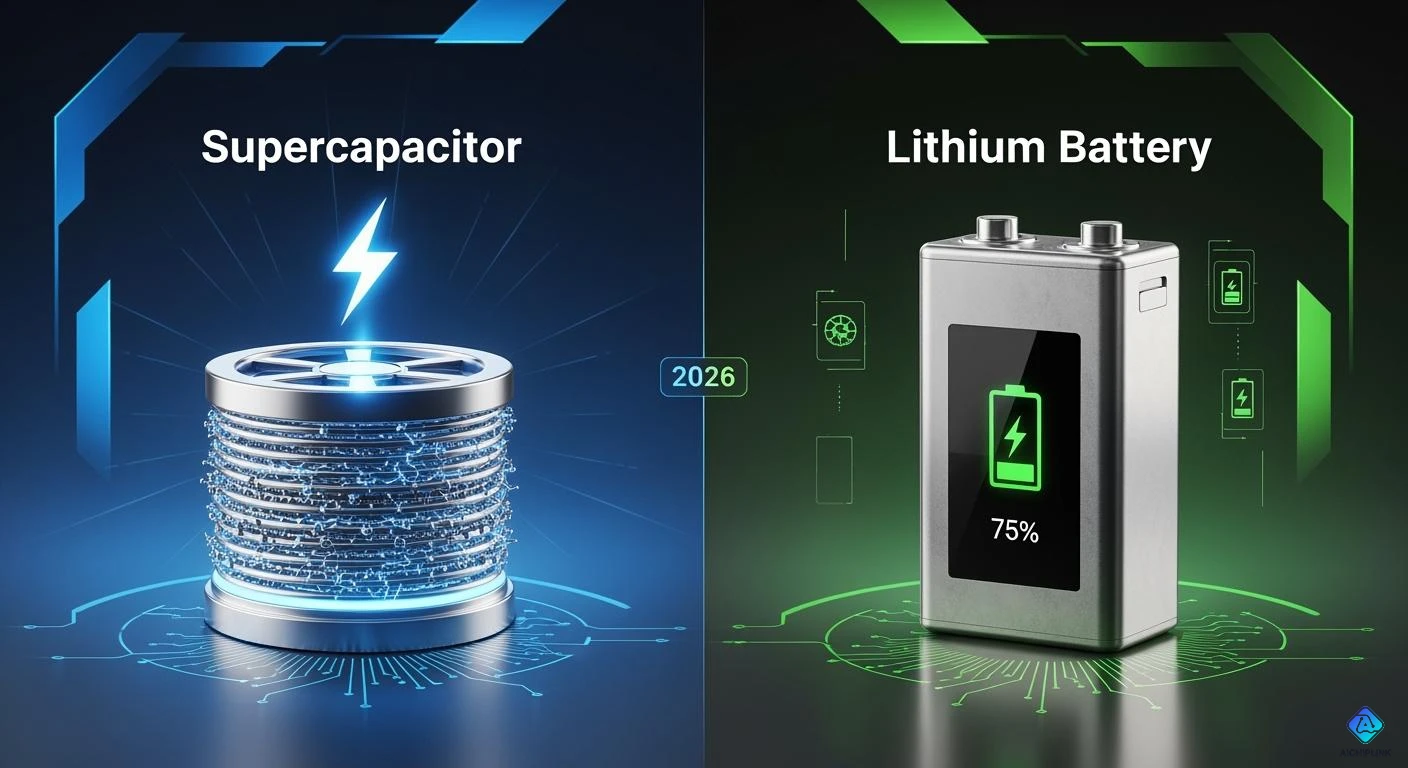
You want the best backup power in 2026. If you need backup for a long time, lithium batteries are best. However, when considering Supercapacitor vs Lithium Battery, it's important to note that supercapacitors provide power faster and have a longer cycle life. But they do not store as much energy as lithium batteries. Both choices are safe and reliable in different ways. The table below shows how Supercapacitor and Lithium Battery compare on important parameters:
| Parameter | Lithium-Ion Battery | Supercapacitor |
|---|---|---|
| Specific energy density | 150-200 Wh/kg | 1-10 Wh/kg |
| Specific power density | <2000 Wh/kg | <10,000 Wh/kg |
| Cycle life | 5,000 | >50,000 |
| Shelf life (years) | 10-20 | 20 |
| Operating temperature (°C) | -30 to 60 | -40 to 75 |
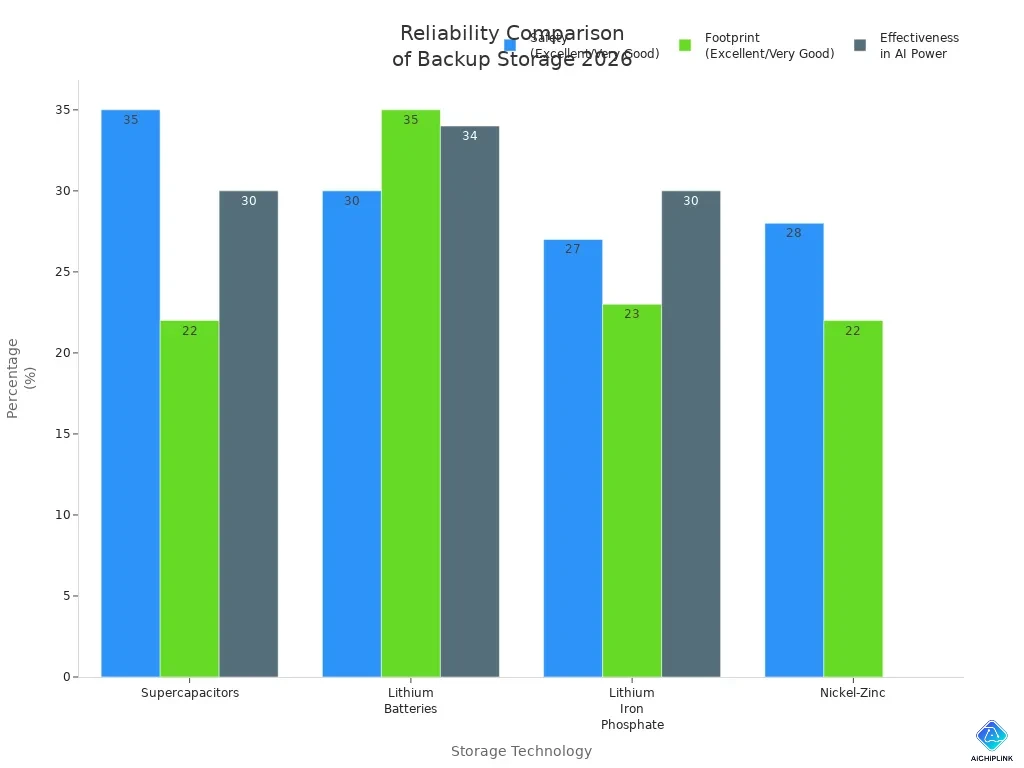
You can see that each choice has its advantages and disadvantages. What you pick in the Supercapacitor vs Lithium Battery debate depends on what is most important to you.
Key Takeaways
-
Supercapacitors charge fast and work for a long time. They are good for short power bursts.
-
Lithium batteries hold more energy and cost less for long backup.
-
Think about your power needs. Pick supercapacitors for quick, steady power. Pick lithium batteries for longer energy storage.
-
Supercapacitors need little care. Lithium batteries may need more care as time goes on.
-
Using both supercapacitors and lithium batteries together gives the best backup system.
Supercapacitor vs Lithium Battery: Key Differences
Summary Table
It is important to know how supercapacitor vs lithium battery choices compare for backup storage. The table below shows the biggest differences. You can use this table to look at energy density, power, cycle life, cost, safety, and maintenance.
| Parameter | Supercapacitor | Lithium Battery |
|---|---|---|
| Energy Density | 1-10 Wh/kg | 50-250 Wh/kg |
| Power Density | 10,000-100,000 W/kg | 50-500 W/kg |
| Cycle Life | 500,000-1,000,000+ | 300-3,000 |
| Cost per kWh | $10,000-$30,000 | $100-$500 |
| Self-discharge (%/month) | 20-40 | 2-5 |
| Charge Time | 1-10 seconds | 1-10 hours |
| Maintenance | Very low | Moderate |
| Safety | Very high | High |
Tip: Supercapacitors charge very fast and last a long time. Lithium batteries hold more energy and cost less for each kWh.
Pros and Cons
When you compare supercapacitor vs lithium battery for backup storage, you see that both have good and bad points. You should pick the one that fits your needs best.
Supercapacitor Pros:
-
Supercapacitors charge and discharge very quickly. They can give power in just milliseconds.
-
They last a very long time. Some supercapacitors work for over a million cycles.
-
There is no chemical breakdown. Supercapacitors store energy without using chemicals, so they last longer.
-
They are very safe and reliable. Supercapacitors do not get too hot or catch fire easily.
-
They need almost no care or fixing.
Supercapacitor Cons:
-
Supercapacitors cannot store as much energy as batteries. Their energy density is much lower.
-
They lose energy quickly when not used. Their self-discharge rate is high.
-
They cost a lot more for each kWh. This makes them expensive for big backup jobs.
-
They are best for short power bursts, not for long backup times.
Lithium Battery Pros:
-
Lithium batteries can store a lot of energy in a small space. Their energy density is high.
-
They cost less for each kWh. This makes them a good choice for most backup needs.
-
They keep their charge for a long time. Their self-discharge rate is low.
-
They are good for backup that lasts many hours. They work well for long power needs.
Lithium Battery Cons:
-
Lithium batteries do not last as long as supercapacitors. Most only work for a few thousand cycles.
-
They can get too hot if not handled right. You need to watch their heat.
-
They may need more care as they get older. Chemical changes inside can cause problems.
-
It takes a long time to charge them. Charging can take hours.
Note: New energy storage technology has made hybrid supercapacitors. These new devices mix the best parts of supercapacitor and lithium ion battery designs. They work better, are safer, and last longer. Hybrid systems also help the environment and last more years.
You should know that supercapacitor vs lithium battery is not always a one-or-the-other choice. Many backup systems use both together. Supercapacitors handle quick power jumps. Lithium batteries give steady power for a long time. Using both gives you the best results.
Performance Comparison
Energy Density & Storage Time
Lithium batteries can hold much more energy than supercapacitors. This means lithium batteries are good for backup that lasts hours or days. Supercapacitors store less energy, so they are better for short bursts of power. The table below shows how long each type can keep energy for backup:
| Type | Storage Time |
|---|---|
| Supercapacitors | Hours to days (high self-discharge) |
| Lithium Batteries | 10-20 years (minimal loss) |
If you need backup for a long time, lithium batteries work better. Supercapacitors lose their charge faster, so they are not great for storing power for a long time.
Power Delivery Speed
Sometimes you need power very fast during an outage. Supercapacitors can give power almost right away. They charge in just seconds and release energy quickly. Lithium batteries take longer to charge and cannot give power as fast. Here is a quick look at both:
| Parameter | Supercapacitor | Lithium-Ion Battery |
|---|---|---|
| Power Density | 5,000-20,000 W/kg | 500-2,000 W/kg |
| Charge Time | 1-30 seconds | 1-8 hours |
If your backup must work right away, supercapacitors are the fastest choice.
Reliability in Outages
Reliability is important when the power goes out. Supercapacitors work well in hot or cold weather. They have round-trip efficiency over 95%. Lithium batteries work best at normal temperatures. In cold weather, their power drops a lot. Sometimes they lose half their power at -40°C. Batteries also lose some energy as heat, so their efficiency is lower, about 85-90%. Supercapacitors can lose 20-40% of their charge in a month. Batteries only lose 2-5%.
-
Supercapacitors give quick, reliable power in any weather.
-
Lithium batteries give steady, long-lasting backup for most needs.
Cost and Value
Upfront Cost
When you compare the cost of backup storage, you need to look at both the price of the system and the installation. The table below shows the average upfront cost for each type in 2026:
| Storage Type | Capacity (kWh) | Cost ($) | Installation Cost ($) |
|---|---|---|---|
| Lithium-ion Battery | 13.5 | 500 | 6000 |
| Supercapacitor | 5 | 600 | 3000 |
You can see that a lithium-ion battery system gives you more storage for less money per kWh. The installation cost is higher for the battery, but you get more backup time. Supercapacitors cost more for each unit of energy. They also store less energy, so you may need more units for the same backup time.
Tip: If you need a lot of backup energy for your home or business, a lithium battery system will usually save you money at the start.
Maintenance & Long-Term Value
You should also think about how much care your backup system needs over time. Supercapacitors need almost no maintenance. They do not use chemical reactions, so you do not have to worry about battery memory or cooling systems. This makes supercapacitors a good choice if you want a system that runs with little attention.
-
Supercapacitors require minimal maintenance.
-
They last longer and do not need replacement as often.
-
You do not pay for cooling or regular checks.
A lithium battery system needs more care. Over time, the battery will lose some power and may need to be replaced. You may also need to check the system and keep it cool, which adds to the cost.
-
Supercapacitors may cost more at first.
-
You save money over the years because you do not pay for repairs or replacements.
-
Over ten years, the total cost of owning supercapacitors can be lower than a lithium battery system.
If you want a backup system that lasts a long time and does not need much care, supercapacitors give you better value in the long run.
Lifespan and Durability
Cycle Life
You want your backup power to last a long time. Cycle life means how many times you can use and recharge a device before it gets weak. Supercapacitors are special because they can be used over one million times. You can use them every day for many years. They do not lose much power even after lots of use. This makes supercapacitors a great choice if you need backup that works again and again.
Lithium batteries also have a good cycle life, but not as good as supercapacitors. Most lithium batteries can be used about 3,000 times. If you use your battery a lot, you might need a new one after a few years. How long the battery lasts depends on how you use it and where you keep it.
If you need backup for quick and repeated use, supercapacitors last the longest. For backup that needs to last longer, lithium batteries still work well.
Degradation Over Time
All energy storage devices change as they get older. You should know how each type gets weaker so you can plan ahead. Supercapacitors store energy in a physical way. This helps them keep their power for a long time. They do not lose much energy, even after many uses.
Lithium batteries get weaker because of chemical changes inside. Over time, they lose some of their power. This happens because of things like the growth of layers inside, loss of important parts, and changes in the liquid inside. These things make lithium batteries not last as long.
Here is a short list of how each type gets weaker:
-
Supercapacitors keep their power for many years with little loss.
-
Lithium batteries slowly lose power. Chemical changes make them fade after thousands of uses.
You should check your backup system every year. If you see your lithium battery losing power, you might need to get a new one. Supercapacitors almost never need to be replaced, so they save you money and time.
Tip: Pick supercapacitors if you want backup that stays strong for many years. Choose lithium batteries if you need to store more energy and do not mind some power loss over time.
Safety & Environmental Impact
Safety for Backup Use
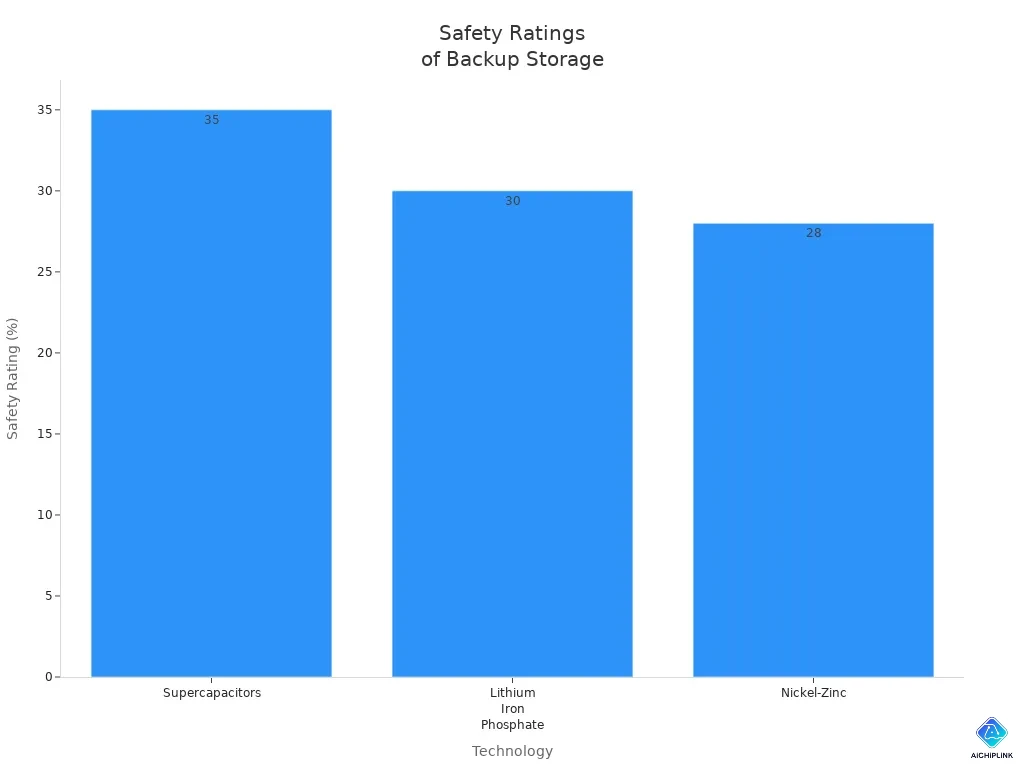
You want your backup storage to be safe. Supercapacitors are very safe because they do not use chemicals that can burn or explode. You can trust them in tough weather. Lithium batteries, like lithium iron phosphate, are also safe. But you must handle them carefully so they do not get too hot. New safety numbers show supercapacitors have the best safety rating for backup storage.
| Technology | Safety Rating (%) |
|---|---|
| Supercapacitors | 35 |
| Lithium Iron Phosphate | 30 |
| Nickel-Zinc | 28 |
Supercapacitors work well in very hot or cold places. They do not need cooling systems. They stay efficient in all kinds of weather. Batteries lose power in cold and can get too hot. The table below shows the difference:
| Feature | Supercapacitor UPS | Traditional Battery UPS |
|---|---|---|
| Temperature tolerance | -30°C to +65°C | -20°C to +60°C |
| Cooling needed | No | Yes |
| Efficiency in cold/heat | High | Low |
Tip: If you live where it is very hot or cold, supercapacitors are safer and more reliable for backup.
Environmental Factors
You want to help the planet. Supercapacitors cut pollution because they use safer materials and last longer. You do not need to change them often. Batteries cause more pollution because they have toxic parts and need to be replaced more. Picking supercapacitors helps the environment.
Making hybrid supercapacitors uses a lot of energy. This step can be 40-60% of their total carbon footprint. You should look at everything, like energy use, carbon emissions, getting materials, and recycling.
-
Rules are important for using backup storage:
-
In North America, groups focus on safety, recycling, and connecting to the grid.
-
The EU has strict rules for materials and disposal.
-
Asia makes guidelines for how things are made.
-
Note: Make sure your backup system follows local rules. This keeps you and the planet safe.
Supercapacitors Versus Batteries: Best Use Cases 2026
Picking between supercapacitors and lithium batteries depends on how you use backup. Each one works best in different situations. You should think about how long you need power. You also need to know how often you will use the system. Safety is important too. The supercapacitors versus batteries choice is about picking the right tool for your job.
When to Choose Supercapacitors
Supercapacitors are good if you need fast power for a short time. They are great if your system turns on and off many times each day. Supercapacitors work best when you need quick energy, not hours of power. Here are some times when supercapacitors are the best:
-
You only need backup for seconds or minutes. This helps during short outages or until a generator starts.
-
Your system charges and discharges many times daily. Supercapacitors can do this thousands or millions of times without losing much power.
-
You want something safe in very hot or cold weather. Supercapacitors work in many temperatures and do not get too hot.
-
You do not want to replace parts often. Supercapacitors last longer because they do not use chemical reactions.
-
You need something that charges very fast. Supercapacitors can recharge in seconds. This is good for things like regenerative braking or quick power boosts.
-
You want a safer backup. Supercapacitors are less likely to catch fire or explode. This makes them good for places that need extra safety.
Tip: Supercapacitors are best for systems that need strong, quick power for a short time. This includes machines, elevators, or emergency lights.
When to Choose Lithium Batteries
Lithium batteries are better if you need to store lots of energy for a long time. They are good when you need steady and reliable power. You should pick lithium batteries in these cases:
-
You need backup that lasts for hours or days. This is good for home storage or data centers.
-
Your system does not turn on and off a lot. Lithium batteries can handle thousands of cycles, which is enough for most uses.
-
You want to save space. Lithium batteries hold more energy in a small size.
-
You want a cheaper way to back up lots of power. Lithium batteries cost less for each kilowatt-hour than supercapacitors.
-
You want to help renewable energy systems. Lithium batteries are used in grid storage, solar, and wind power.
-
You need steady, long-term power for important places. Data centers, hospitals, and towers often use lithium batteries for this.
Note: Many new systems use both types together. Supercapacitors give quick power. Lithium batteries give steady backup.
When you look at supercapacitors versus batteries, think about what you need most. If you want fast, safe, and lots of cycles, supercapacitors are best. If you need backup that lasts long and holds more energy, lithium batteries are better.
You should pick lithium batteries if you need backup for a long time. They also save money because they cost less for each unit of energy. Supercapacitors are better when you want power very fast and do not want to do much maintenance. If you need energy quickly, supercapacitors can charge and give power in seconds. They do not get weaker from being used a lot. Lithium batteries are good for giving steady power for many hours. They can hold more energy than supercapacitors. Think about how safe you want your system to be and how much you want to spend. Choose the type that fits your backup needs.
-
For short bursts: Supercapacitors
-
For long duration: Lithium batteries

Written by Jack Elliott from AIChipLink.
AIChipLink, one of the fastest-growing global independent electronic components distributors in the world, offers millions of products from thousands of manufacturers, and many of our in-stock parts is available to ship same day.
We mainly source and distribute integrated circuit (IC) products of brands such as Broadcom, Microchip, Texas Instruments, Infineon, NXP, Analog Devices, Qualcomm, Intel, etc., which are widely used in communication & network, telecom, industrial control, new energy and automotive electronics.
Empowered by AI, Linked to the Future. Get started on AIChipLink and submit your RFQ online today!
Frequently Asked Questions
What makes supercapacitors safer than lithium batteries?
Supercapacitors do not have chemicals that can catch fire or blow up. They work well in very hot or cold places. You do not need to add cooling fans. This makes supercapacitors a safer choice for backup power.
Can you combine supercapacitors and lithium batteries in one system?
You can use both types together in one system. Supercapacitors give fast power when you need it right away. Lithium batteries keep giving power for a longer time. Many backup systems use both to work better.
How long does a lithium battery last in backup storage?
A lithium battery can last from 10 to 20 years. You might have to get a new one after using it many times. How long it lasts depends on how much you use it and how hot or cold it is where you keep it.
Do supercapacitors need maintenance?
* Supercapacitors need almost no care. * You do not have to check them much. * They can work for many years before you need a new one.