Best BMS Controller Chips for Lithium Energy Storage Systems
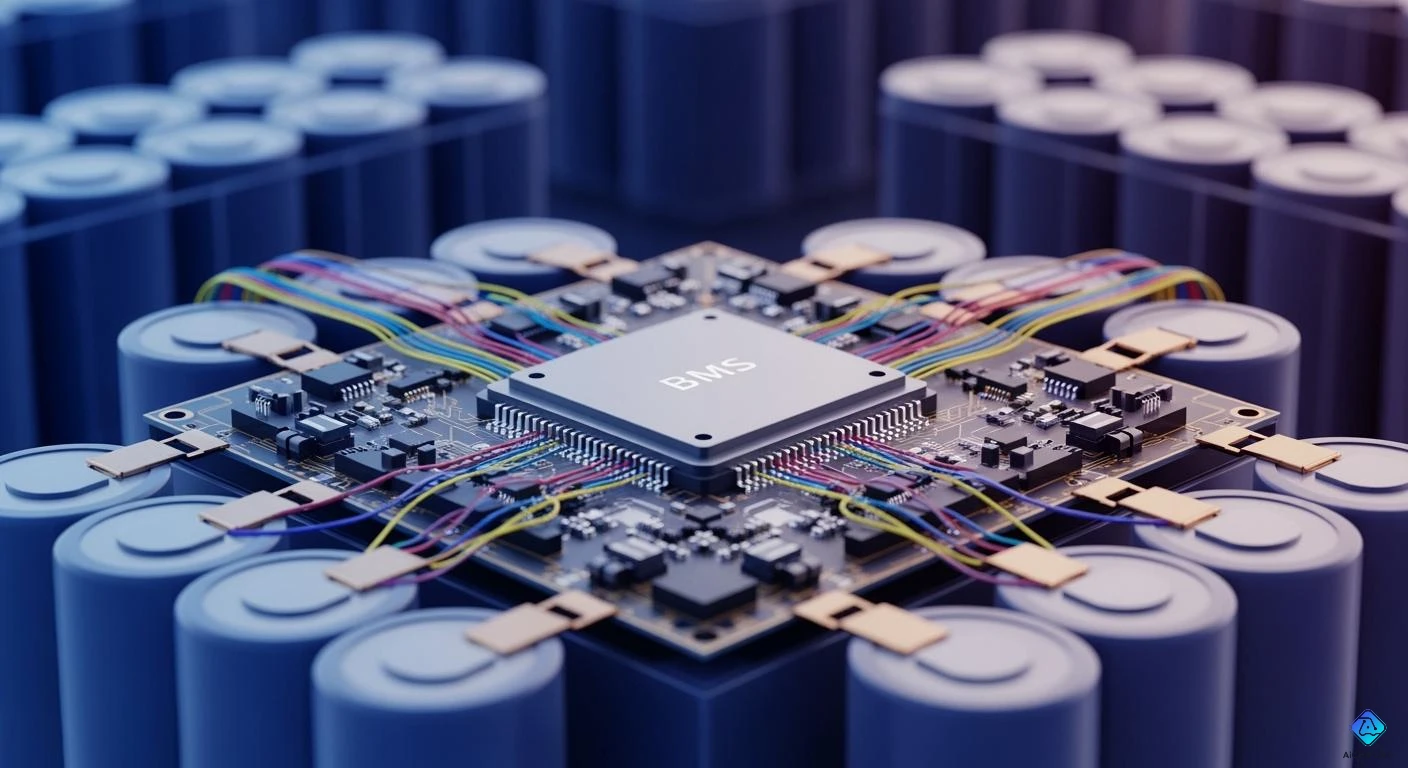
Here are some top BMS controller chips for lithium energy storage systems:
-
Texas Instruments BQ76952
-
Analog Devices LTC6813
-
NXP MC33771C
-
Renesas ISL94202
-
Maxim Integrated MAX17853
BMS controller chips help keep lithium battery packs safe. They make sure batteries work well. These chips balance the batteries and control heat. They also help find problems early. The chips stop fires and help batteries last longer. More people use renewable energy and electric vehicles now. So, good battery management is very important today.
Key Takeaways
-
BMS controller chips help keep lithium battery packs safe and working well. They check voltage, current, and temperature to stop problems.
-
Pick a BMS chip by looking at your battery pack size, safety needs, and how complex your system is. Each chip works best for certain uses.
-
Find features like cell balancing, overcharge protection, and real-time monitoring. These features help batteries last longer and stay safe.
-
Think about which communication protocols the chip uses. Choices like I2C and SPI make it easy to use in different systems.
-
Use the 40-80 rule when charging batteries. Keeping your battery between 40% and 80% charge helps it last longer.
BMS Controller Chips Overview
What Is a BMS Controller Chip?
A BMS controller chip is like the brain for a lithium battery pack. It checks each battery cell to keep things safe. The chip looks at voltage, current, and temperature all the time. If something is wrong, it acts fast to protect the battery.
Here are some main things BMS controller chips do:
-
Overcharge protection: The chip stops charging if voltage is too high.
-
Over-discharge protection: It cuts power if voltage is too low.
-
Overcurrent protection: The chip stops flow if current is too strong.
-
Short circuit protection: It disconnects the battery if a short circuit happens.
-
Temperature protection: The chip watches heat and stops charging or discharging if it gets too hot or cold.
-
Balance protection: It keeps all battery cells at similar voltages when charging.
Role in Lithium Energy Storage
Lithium batteries need to last long and work safely. BMS controller chips help make this happen. They keep your battery pack healthy by finding problems early and fixing them.
These chips do more than just basic protection. They also:
-
Give accurate monitoring for each cell.
-
Manage balance between cells to stop weak spots.
-
Help control heat to avoid overheating.
-
Use hardware and software protection for extra safety.
-
Find open wires or connection issues to lower risks.
With these features, BMS controller chips help your lithium energy storage system work well. They keep your batteries safe and reliable, so you get the most from your investment.
Top BMS Controller Chips
Texas Instruments BQ76952
The Texas Instruments BQ76952 is a strong BMS controller chip. It works with battery packs that have 3 to 16 cells in a row. This chip gives many protections like voltage, temperature, current, and checks inside itself. You will like its coulomb counter because it is very accurate. It has an input offset error less than 1 microvolt. This helps you know the battery charge exactly. The chip uses two ADCs to check current and voltage at the same time. This makes monitoring more correct.
It also has a charge pump for high-side NFET protection. It can recover by itself, which makes charging safer. You can balance cells by itself or with help from the host. The BQ76952 has different power modes. One mode is sleep, using only 9 microamps. This helps your battery last longer. It can handle high voltages up to 85 volts on cell pins. It checks temperature with its own sensor and up to nine outside thermistors.
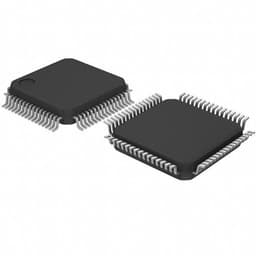
You can use I2C, SPI, or HDQ one-wire to talk to the chip. This gives you choices for your system design. The chip comes in a 48-pin TQFP package. This makes it good for small spaces.
| Feature | Description |
|---|---|
| Battery Monitoring | Works with 3 to 16 cells in series |
| Charge Pump | Built-in for high-side NFET protection |
| Protection Suite | Voltage, temperature, current, and inside checks |
| ADCs | Two ADCs for checking current and voltage |
| Accuracy | Coulomb counter error less than 1 µV |
| Voltage Measurement | Cell voltage error less than 10 mV |
| Cell Balancing | Can balance by itself or with host |
| Power Modes | Normal (286 µA) and sleep (9 µA to 41 µA) |
| Voltage Tolerance | Up to 85 V on cell pins |
| Temperature Sensing | Own sensor plus up to 9 outside thermistors |
| Communication | I2C (400 kHz), SPI, HDQ one-wire |
| Package | 48-pin TQFP |
People on forums say the BQ76952 is reliable and accurate. They like how it manages medium and large battery packs. Many say its protections make systems simpler and safer.
Analog Devices LTC6813
The Analog Devices LTC6813 is a BMS controller chip with high precision. It works with up to 18 cell channels. It is great for big battery packs that need careful checking and balancing. The chip uses three ADCs to turn voltage signals into digital data. This makes measurements more accurate.
The LTC6813 is good at blocking noise. This is important in cars and factories where interference can mess up readings. It uses a Zener reference like in labs. This keeps voltage accuracy with less than 1 mV drift from -40°C to +125°C.
Cell balancing uses MOSFETs inside the chip. They can handle up to 60 mA. You can set timers to balance cells better. The chip lets you connect many chips in a row with twisted pair wires. This is good for bigger battery packs.
| Feature/Specification | Details |
|---|---|
| Maximum Channels | Up to 18 cell channels |
| Daisy Chain Support | Connect chips with twisted pair wires |
| ADC Functionality | Three ADCs for digital voltage checks |
| Cell Balancing | MOSFETs inside can handle up to 60 mA |
| External MOSFET Support | Can use bigger charge currents |
| Adjustable Timers | Timers for balancing can be set |
| Advantages | High precision, stable links, many channels |
People say the LTC6813 helps batteries last longer. It improves battery life by about 30%. Some say batteries can last 10 to 20 years if used right. The chip’s design stops problems like overcharging and short circuits. It is popular for lithium battery management.
NXP MC33771C
The NXP MC33771C measures voltage and temperature very well. It is a good choice for lithium battery management. It balances cells right on the chip. This makes your system easier because you need fewer extra parts.
This chip works with many battery types. You can use it with different lithium chemistries. Its communication interfaces are strong and flexible. This makes it easy to use in many systems. The MC33771C comes in a small tray package. It follows RoHS3 rules, so it is safe for the environment.
| Feature | NXP MC33771C | Other BMS Controllers |
|---|---|---|
| Voltage Measurement Precision | Very accurate | Standard |
| Temperature Measurement Precision | Very accurate | Standard |
| Cell Balancing Capability | Built-in | Often needs extra parts |
| Communication Interfaces | Strong and flexible | Changes |
| Compatibility with Battery Chemistries | Works with many types | Not as many |
| Packaging | Small tray package | Changes |
| Compliance | RoHS3 safe | Changes |
Forum users like the MC33771C for its accuracy and easy use. They say its built-in balancing and flexible communication are great for complex battery systems.
Renesas ISL94202
The Renesas ISL94202 is a BMS controller chip that works with up to 12 cells in a row. It gives many protections like overvoltage, undervoltage, overcurrent, and temperature checks. The chip also balances cells to keep voltages even.
You can use SPI or I2C to talk to the ISL94202. This makes it easy to add to your battery management system. It uses little power, which helps your battery last longer, especially in portable devices.
People online say the ISL94202 is a good deal. It balances performance and price well. They use it for mid-sized battery packs in electric vehicles and energy storage systems.
Maxim Integrated MAX17853
The Maxim Integrated MAX17853 is the only ASIL-D-compliant BMS controller chip for medium to large cell counts. This means it meets the highest safety standards for cars. This is important if you need strict safety.
The chip uses Flexpack architecture. This lets you change module setups fast. You can meet market needs without changing your hardware. The MAX17853 lowers your system cost by up to 35%. This saves money.
It balances cells by time and voltage automatically. This helps stop overcharging. The chip works with 8 to 14 cells on one board. This cuts design time by up to 50%.
| Feature/Benefit | Description |
|---|---|
| ASIL-D Compliance | Highest safety for medium to large cell counts |
| Flexpack Architecture | Change module setups quickly |
| Cost Reduction | Save up to 35% on system costs |
| Advanced Cell Balancing | Balances cells by time and voltage automatically |
| Design Flexibility | Works with 8 to 14 cells, cuts design time by 50% |
People like the MAX17853 for its safety and cost savings. Many suggest it for cars and factories where safety and flexibility are important.
Tip: When picking BMS controller chips, think about your battery pack size, safety needs, and how complex your system is. Each chip has special strengths for different uses.
Features & Advantages
Cell Monitoring & Balancing
Accurate cell monitoring keeps your battery pack healthy. BMS Controller Chips use smart features to check each cell’s voltage. They also balance the cells. Some chips, like the LTC6811, control active balance circuits. These circuits help recover over 99% battery capacity. Other chips, like the LTC3300, move charge between cells and the battery stack. You get fast and exact measurements with chips that finish cell checks quickly. Some chips finish checks in less than 300 microseconds. Chips like the L9961 use a 12-bit ADC for voltage. They use a 16-bit amplifier for current. This helps you know battery health and charge. Built-in MOSFETs let you balance cells without extra parts.
| Feature | Description |
|---|---|
| Active Balancing Controls | Recover over 99% battery capacity |
| Bidirectional Charge | Move charge between cells and stack |
| Measurement Accuracy | Better than 0.04% for cell voltage |
| Noise Reduction | Programmable low-pass filters |
| Fast ADC | Cell checks in under 300 microseconds |
| High-Precision Monitoring | 12-bit ADC for voltage, 16-bit amplifier for current |
| Integrated MOSFETs | Balances cells directly |
| Advanced Diagnostics | Embedded fuse driver for protection |
Communication Protocols
You can connect BMS Controller Chips to your system in different ways. Chips support I2C, SPI, CAN, or HDQ one-wire. These protocols help you send and get data fast. You pick the protocol that fits your battery system best. Good communication keeps your battery safe. It lets you watch your battery in real time.
Safety & Protection
Safety is very important in battery systems. BMS Controller Chips protect batteries with many features:
-
Thermal management controls battery temperature and stops overheating.
-
Fire protection warns you and turns on suppression systems if needed.
-
Voltage and current control stops electrical faults.
-
Alarm systems tell you about strange battery conditions.
-
Separators and flame retardants stop thermal runaway and short circuits.
-
Smoke detectors turn on cooling and extinguishing systems.
Tip: Always check if your chip has strong safety features before you buy.
AI Integration in BMS
AI integration changes how you check battery charge and health. Chips use deep neural networks trained on real-world data. You get better state-of-charge (SOC) and state-of-health (SOH) estimates. AI adapts to battery aging and different chemistries, like LFP. The system learns from many situations and predicts battery life more accurately. AI models find small changes in battery performance. You get fewer false alarms and better diagnostics.
Specs Comparison
Voltage Range & Cell Support
You need to know how many cells a chip can handle. Also, check the highest voltage it supports. Some chips are for small battery packs. Others work with big, high-voltage systems. Look at the table below to see the differences:
| BMS Controller Chip | Maximum Voltage | Maximum Cells Supported |
|---|---|---|
| MAX14920 / MAX14921 | 65V | 16 |
| Tiny BMS s516 | 75V | 16 |
| L9963E | 48V+ | 14 |
Pick a chip that fits your system if you want more cells or higher voltage. This helps your battery pack stay safe and work well.
Measurement Accuracy
Accurate measurements keep your battery healthy. BMS Controller Chips check voltage, current, and temperature. Good chips give you exact data. This helps you find problems early. Here is how top chips compare:
| Parameter | Specification |
|---|---|
| Voltage | ±1 mV MAE at cell level |
| 0.1% at module or pack level | |
| Current | ±1% MAE |
| < 1% RMSE at module or pack level | |
| Temperature | < ±2 K MAE |
| Insulation-resistance | < ±1% |
-
Most chips measure current with an accuracy between ±0.5% and ±1%.
-
Voltage readings are usually accurate to ±1 mV at the cell level.
-
Temperature sensors often have an accuracy from ±1 K to ±2 K.
Reliable numbers help your battery last longer and stay safe.
Power Efficiency
Power efficiency is important for battery systems. Chips that use less power help your battery last longer. Some BMS Controller Chips have sleep modes. These modes use only a few microamps. This is great for solar storage or backup systems. When your chip uses less power, your system works better and costs less.
Tip: Always check how much power a chip uses before you pick one. Lower power use means your battery lasts longer and stays cooler.
Use Cases
Residential & Commercial Storage
BMS controller chips are used in homes and businesses. They help manage lithium batteries for solar panels and backup power. The chips watch each cell and keep voltages balanced. They also stop batteries from getting too hot. Many chips work with MPPT charge controllers. These controllers make solar charging better for LiFePO4 batteries. This means your battery packs are safer and last longer. Smart BMS chips let you check battery health and how well it works. You can use apps or web dashboards to see this information.
Tip: Pick a chip that matches your battery chemistry. Make sure it gives real-time monitoring. This helps you avoid expensive repairs and keeps your energy system working well.
Electric Vehicles
BMS controller chips are very important in electric vehicles. They keep your battery safe and working well. The chips measure cell voltages and check temperature. They guess how much charge is left and how healthy the battery is. The chips balance cells and stop problems like overcharging or overheating. Some new chips use wireless battery management. This makes cars lighter and easier to build. AI and machine learning help BMS chips look at data in real time. This gives better guesses for battery health and charging. Companies add AI co-processors to make chips work better and safer.
-
Wireless BMS makes cars lighter and easier to build.
-
AI helps make better guesses for charging and battery health.
-
Advanced chips stop overheating and help batteries last longer.
Industrial & Grid-Scale
Big energy storage systems need strong BMS controller chips. These chips must work for 15 to 20 years without breaking. They handle big changes in temperature. The chips connect to SCADA systems with Modbus or CAN bus. You get good guesses about battery health over many charge cycles. The chips work with many battery chemistries. This makes them good for different projects. Industrial BMS chips focus on lasting a long time and talking to other systems. This helps keep the grid stable.
High Voltage BMS Solutions
High voltage systems, like 192V battery packs, need special BMS chips. Modular designs let you add more storage units as needed. The chips can support up to 160 batteries in a row. Flexible communication like CAN, RS485, and Modbus makes setup easy. Protection features keep things safe and help batteries last longer. You can check system status with HMI displays. Data can be saved in built-in memory or SD cards. Automatic controls help manage battery packs that work together or alone.
| Feature | Description |
|---|---|
| Communication | CAN, RS485, Modbus, Dry Contact |
| Modular Design | Supports up to 160 batteries in series |
| Protection Strategies | Reliable control and safety |
| Self-Inspection | HMI display for clear status |
| High Capacity Memory | Built-in and SD card expansion |
| Automatic Control | Circulation and parallel/offline pack management |
Note: High voltage BMS chips are best for big solar, backup, and industrial energy storage projects.
Choosing BMS Controller Chips
Application Needs
Start by thinking about what you want your battery system to do. You might need a chip for a small solar setup at home, or you could need one for a big battery bank in a factory. Some chips work best with high-voltage packs, while others fit smaller systems. Make sure the chip you pick matches your battery chemistry, like LiFePO4 or NMC. Look for features such as cell balancing, temperature checks, and real-time monitoring. These features help your battery last longer and stay safe.
Budget & Availability
Your budget will shape your choices. Sometimes, you may want the best chip, but the price is too high. Cheaper chips might not have all the safety features you need. This can put your battery at risk. Also, some chips are hard to find. When a chip is not available, you may have to pick another one, even if it has fewer features. Always balance cost, safety, and what you can buy right now.
Tip: Never trade safety for a lower price. A safe battery system saves money in the long run.
Manufacturer Support
Good support from the chip maker helps you build a better system. Top brands offer guides, training, and ready-to-use designs. These resources make your project easier and safer. Here is what you can expect:
| Resource Type | Description |
|---|---|
| Reference Designs | Speeds up your work and helps you use new BMS ideas. |
| Training | Gives you lessons to understand battery management better. |
| Documentation | Offers software guides and safety documents for your project. |
40-80 Rule for Battery Life
You can make your lithium battery last longer by following the 40-80 rule. Try to keep your battery charged between 40% and 80%. This helps slow down battery wear. Do not charge to 100% unless you need full power. Avoid letting the battery drop below 40% often. This simple rule keeps your battery healthy and working well for years.
Note: Using BMS Controller Chips with smart charge controls makes it easier to follow the 40-80 rule.
Comparison Table
This comparison table shows the main features of top BMS controller chips. It helps you pick the right chip for your lithium energy storage system. You can see specs, safety features, and communication options. The table makes choosing easier because everything is side by side.
| Chip Name | Max Cells | Voltage Range | Cell Balancing | Communication | Power Modes | Safety Features | AI Integration | Accuracy | Best Use Case |
|---|---|---|---|---|---|---|---|---|---|
| TI BQ76952 | 16 | Up to 85V | Yes | I2C, SPI, HDQ | Normal, Sleep | Over/under voltage, temp, current, short circuit | No | <1 µV offset | Medium/Large packs |
| Analog LTC6813 | 18 | Up to 75V | Yes (MOSFET) | SPI, Daisy Chain | Low power | Over/under voltage, temp, balancing, noise filter | No | <1 mV drift | EVs, Industrial |
| NXP MC33771C | 14 | Up to 60V | Yes (Built-in) | SPI, CAN | Low power | Over/under voltage, temp, balancing | No | High precision | Flexible, Multi-chemistry |
| Renesas ISL94202 | 12 | Up to 60V | Yes | SPI, I2C | Low power | Over/under voltage, temp, current | No | Good | Mid-size, Portable |
| Maxim MAX17853 | 14 | Up to 60V | Yes (Auto) | SPI, CAN | Low power | ASIL-D, over/under voltage, temp, current | Yes | High | Automotive, Factory |
Tip: Check how many cells your battery pack uses. Pick a chip that fits your voltage range. Strong safety features help your battery last longer.
Some chips are better for big battery packs. Others are good for smaller systems. The MAX17853 has advanced safety for cars and factories. The BQ76952 gives high accuracy and flexible communication. The LTC6813 is great at blocking noise and helps batteries last longer. The MC33771C works with many battery types. The ISL94202 is good if you want a balance between price and performance.
If you need AI integration, choose the MAX17853. For high voltage, pick the BQ76952 or LTC6813. Always match the chip to your battery chemistry and system needs.
This table is a quick guide. It lets you compare specs and features fast. You can make a smarter choice for your lithium energy storage system.
When picking a BMS controller chip, pay attention to features that watch and protect your battery. Find chips that balance batteries and spot problems. These features keep your system safe and help it last longer. Make sure the chip fits what your project needs. Use the comparison table and buying guide to help you choose well. If your system is complicated, ask experts or manufacturers for advice.

Written by Jack Elliott from AIChipLink.
AIChipLink, one of the fastest-growing global independent electronic components distributors in the world, offers millions of products from thousands of manufacturers, and many of our in-stock parts is available to ship same day.
We mainly source and distribute integrated circuit (IC) products of brands such as Broadcom, Microchip, Texas Instruments, Infineon, NXP, Analog Devices, Qualcomm, Intel, etc., which are widely used in communication & network, telecom, industrial control, new energy and automotive electronics.
Empowered by AI, Linked to the Future. Get started on AIChipLink and submit your RFQ online today!
Frequently Asked Questions
What does a BMS controller chip do?
You use a BMS controller chip to keep your lithium battery safe. It checks voltage, current, and temperature. It balances cells and stops problems like overcharging or overheating.
How do I choose the right BMS chip for my battery pack?
You look at your battery’s voltage, cell count, and chemistry. You check if the chip supports your needs. You also consider safety features, communication options, and your budget.
Can I use one BMS chip for different battery chemistries?
Some BMS chips work with many chemistries like LiFePO4 or NMC. You must check the chip’s datasheet. If you use the wrong chip, your battery may not work well.
Why is cell balancing important?
Cell balancing keeps all battery cells at similar voltages. This helps your battery last longer and stay safe. Unbalanced cells can cause early failure or safety risks.