Energy Storage vs Traditional UPS: Key Differences
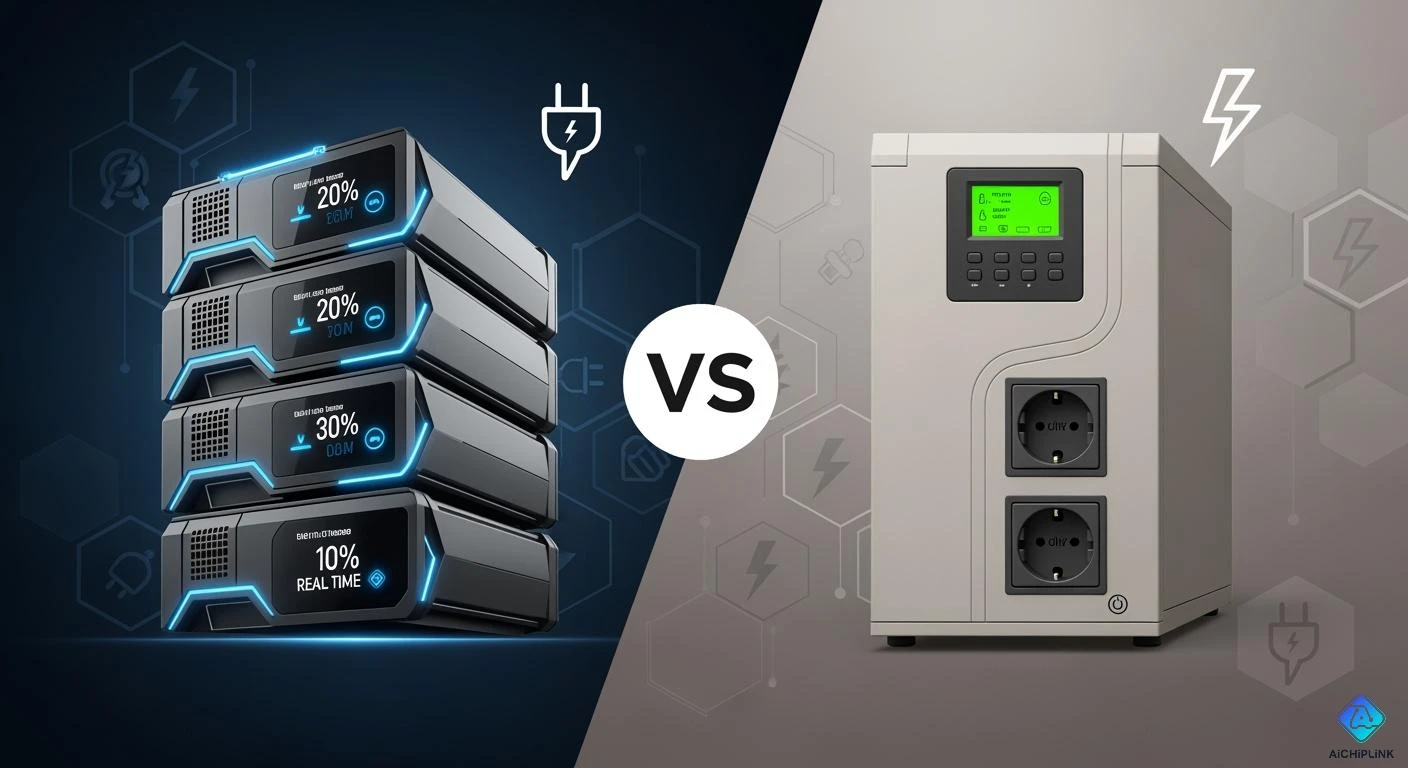
When you look at Energy Storage and traditional UPS, you see they are not the same. Energy Storage gives backup for a long time. It can last hours or days. UPS only helps for a short time. It protects important devices for a few minutes. Look at this table to compare them:
| Aspect | Battery Energy Storage Systems (BESS) | Uninterruptible Power Supplies (UPS) |
|---|---|---|
| Main Use | Energy management, renewable integration | Immediate, short-term backup |
| Backup Duration | Hours to days | Minutes to an hour |
| Scalability | Highly scalable | Limited scalability |
| Cost & Complexity | More expensive, complex | More affordable, simple |
These differences make it easier to choose the best backup for you.
Key Takeaways
-
Energy storage systems give backup for many hours or days. UPS gives backup right away but only for a few minutes or up to an hour.
-
UPS systems are best for keeping computers and medical tools safe during sudden power loss. Energy storage is good for using energy over time and helps with renewable energy.
-
Energy storage systems can be made bigger or smaller easily. This makes them easy to grow as you need more energy. Traditional UPS systems cannot grow as much.
-
Energy storage systems cost more at first. But they save money later because they need less fixing and use energy better. UPS systems cost less at first but need more fixing.
-
Using both systems together gives quick protection from power loss and backup that lasts a long time. This gives you the best of both.
Energy Storage and UPS Overview
Energy Storage Systems Explained
Energy Storage is a way to keep electricity for later. These systems use many ways to store power. Some use batteries, some use heat, and others use machines or water. There are also systems that use hydrogen. All these ways help make sure we have power when we need it.
-
Power Conversion System (PCS): This part changes electricity from AC to DC and back. It lets batteries charge and give out energy.
-
Battery Management System (BMS): This part checks the batteries. It keeps them safe and working well.
-
Types of storage:
-
Chemical: Uses things like ammonia and hydrogen.
-
Electrical: Uses supercapacitors.
-
Electrochemical: Uses batteries like lithium-ion.
-
Mechanical: Uses pumped hydro and flywheels.
-
Thermal: Stores heat for later.
-
Energy Storage helps keep the power grid balanced. It also helps use more renewable energy. It gives backup power if the main power goes out.
Traditional UPS Explained
A traditional UPS keeps your important devices from losing power. It works very fast if the main power stops. It keeps computers and other things running for a short time. UPS systems use different kinds of batteries for this.
| Battery Type | Positive Electrode | Negative Electrode | Electrolyte |
|---|---|---|---|
| Lead Acid | Lead dioxide (PbO2) | Metallic lead (Pb) | Dilute sulfuric acid (H2SO4) |
| Nickel Cadmium | Nickel hydroxide (NiOOH) | Cadmium (Cd) | Caustic potash (KOH) |
| Lithium Ion | N/A | N/A | N/A |
You see UPS systems in places where even a short power loss is bad.
How They Work
When the power goes out, a UPS gives backup right away. This keeps your devices safe and working. It helps until the main power comes back or you turn things off. Energy Storage works in a different way. It manages energy for a longer time. It can save extra power from the grid or renewables. It gives out power when people need it. This keeps the power steady and helps use clean energy.
Tip: Using both systems together gives you the best safety and energy control.
Feature Comparison
Power Delivery & Response
You want your backup system to work fast when power stops. Traditional UPS systems give power right away. Devices on a UPS do not feel any power loss. This happens because UPS uses double conversion. The switch is very quick, only takes milliseconds. You get power without any break.
Energy Storage systems also react quickly, but not as fast as UPS. Some advanced systems can switch in less than 50 milliseconds. Others may take a few seconds to start giving backup power. For most things, this is fast enough to keep lights and machines working. If you need no interruption at all, UPS is the best choice.
| System Type | Typical Response Time | Power Continuity |
|---|---|---|
| Traditional UPS | Instant (milliseconds) | Uninterrupted |
| Energy Storage | 15ms to a few seconds | Near-uninterrupted |
Note: For sensitive equipment like servers or medical devices, even a small delay can matter. You should pick the system that fits your needs.
Backup Duration
Backup duration means how long your system keeps things running when power goes out. UPS systems are made for short support. They usually last from a few minutes to an hour. This gives you time to save your work, shut down safely, or start a generator.
Energy Storage systems can run much longer. They can give power for hours or even days, depending on their size. This is good for places where outages last longer or you want to manage energy over time.
-
UPS: Best for short outages and quick changes.
-
Energy Storage: Best for long outages and flexible energy use.
Case studies show UPS systems keep hospitals, banks, and data centers running during short outages. They stop data loss and keep important services online. Energy Storage helps places get through longer outages and manage loads until power comes back.
Scalability
You may need more backup power as your business grows. Traditional UPS systems have a fixed design. If you want more power, you often need to change the whole system. This can cost a lot and be hard to do.
Energy Storage systems use a modular design. You can add or remove modules to fit your needs. This makes it easy to grow as your energy needs change. You can also replace just one module if it breaks, not the whole system.
| Feature | Traditional UPS | Modular Energy Storage |
|---|---|---|
| Design | Fixed, integrated | Modular, flexible |
| Scalability | Limited | Easy to expand |
| Maintenance | Complex, costly | Simple, module-based |
Tip: If you think your energy needs will grow, a modular system can save money and time.
Integration
You want your backup system to work well with your building or renewable energy. Traditional UPS systems fit easily into most buildings. They connect to the electrical system and protect against power loss. Many businesses use them to keep things running smoothly.
Energy Storage systems can also connect to your building. They work well with solar panels and other renewables. But adding storage to remote places can be hard. You may face problems like temperature changes, high costs, and limited infrastructure. Storage systems also have limits when dealing with big changes in renewable energy, like between summer and winter.
-
UPS: Easy to install in most buildings.
-
Energy Storage: Works well with renewables, but harder to set up in remote or tough places.
Cost & Maintenance
Cost and maintenance are important when picking a backup system. Traditional UPS systems often need more checks and repairs. If something breaks, you may need to replace the whole unit. This can cost more and cause more downtime.
Energy Storage systems, especially modular ones, are easier to take care of. You can replace just one part if it fails. Many modern systems use smart monitoring to warn you before problems happen. This means less downtime and saves money. Systems with lithium-ion batteries need less maintenance and last longer.
-
Traditional UPS: More maintenance, more downtime, higher long-term costs.
-
Energy Storage: Less maintenance, less downtime, easier repairs.
Remember: Less maintenance means fewer disruptions for your business and more reliable power.
Use Cases
Energy Storage Applications
Energy storage systems help you use electricity in smart ways. They keep extra power when you have more than you need. Later, they give it back when you need more or when the sun is not out. This helps you save money and use cleaner energy.
Here are some ways energy storage is used in big buildings and factories:
| Application | Description |
|---|---|
| Solar Plus Storage | Saves extra solar power for cloudy days or night, so you buy less power. |
| Time-of-Use Bill Management | Stores energy when it is cheap and uses it when it is expensive to save money. |
| Demand Charge Reduction | Uses stored energy during busy times to lower your bills. |
Big energy storage systems help the power grid by keeping supply and demand balanced. They store power when solar makes a lot and give it back when there is less. This makes the grid stronger and lets you use more clean energy. Large systems also help stop the need for costly grid upgrades by handling busy times and keeping power steady.
UPS Applications
UPS systems keep your important devices safe from sudden power loss. They work right away to keep things running with no break. This is very important in places like data centers and hospitals, where even a short outage can cause big problems.
UPS systems:
-
Give backup power right away during outages to keep things working.
-
Switch to battery power fast, so you do not lose data or break equipment.
-
Keep voltage steady and protect electronics from power spikes or drops.
You need UPS systems when you cannot have any downtime and need a quick response. They keep servers, medical tools, and communication systems safe during short power cuts.
Suitability for Scenarios
Picking between energy storage and UPS depends on what you need. Think about these things:
| Factor | What to Think About | Industry Examples |
|---|---|---|
| Energy Efficiency | Choose systems that help you save money by using energy well. | Data centers and places that run all day benefit most. |
| Scalability & Redundancy | Pick systems that can grow with your business without big changes. | Good for businesses with changing power needs. |
| Battery Technology | Choose batteries that last long and work well for your setup. | Hospitals and banks need very reliable power. |
| Certifications & Compliance | Make sure your system follows the rules for your industry. | This is important for global and regulated businesses. |
If you only need backup for a few minutes to protect special equipment, UPS is best. If you want backup for longer, want to save money, or use solar, energy storage is better. Sometimes, using both gives you fast backup and long-lasting power.
Tip: Pick a backup system that fits your power needs, budget, and plans for the future to get the best results.
Choosing Solution
Decision Factors
Before picking a backup power system, think about some important things. Ask yourself what your main goal is, how long you need backup, your budget, and where you will use it. The table below shows the key points:
| Decision Factor | Battery Energy Storage Systems (BESS) | Uninterruptible Power Supplies (UPS) |
|---|---|---|
| Purpose | Backup for whole home or building during long outages | No interruption for sensitive electronics |
| Runtime | Hours or more | Minutes to an hour |
| Cost | Higher cost at first, but may save money later | Lower cost at first, but more maintenance |
| Application | Works well with solar and shifting energy use | Protects from power sags, surges, and short outages |
Also, think about your budget. UPS costs less at the start but may cost more later for battery replacements and repairs. Battery storage costs more upfront but can save money over time by using less power during busy hours.
Tip: Write down your most important needs. This helps you choose the right system for your home or business.
Performance & Expansion
You should know how each system works with different power needs. UPS gives instant backup but only for a short time. It is best for computers, servers, and medical devices. Battery storage gives power for longer and can handle changing power needs. It works well for whole buildings or places with solar panels.
| Feature | UPS | Energy Storage Systems (ESS) |
|---|---|---|
| Backup Duration | Minutes to an hour | Hours to days |
| Load Handling | Immediate, fixed loads | Can handle changing loads |
| Expansion | Hard to expand | Easy to add more capacity |
If your business will grow, pick a system that lets you add more power easily. Modular battery systems make this simple. You can add more units as your needs grow.
Environmental Considerations
Think about the environment when choosing a system. Battery storage helps reduce greenhouse gases, especially if you use renewable energy. They use advanced batteries that last longer and can be recycled. UPS systems often use older batteries and depend on regular grid power.
| Aspect | Energy Storage Systems | Traditional UPS Systems |
|---|---|---|
| Greenhouse Gas Emissions | Lower with renewables | Higher, uses grid power |
| Efficiency | High with new battery tech | Improved, but less eco-friendly |
| Battery Technology | Advanced lithium-ion | Mostly lead-acid |
| Lifecycle Emissions | Lower, longer lifespan | Higher, shorter lifespan |
Note: Choosing a greener system can help your business follow new rules and show you care about the planet.
Picking between traditional UPS and battery energy storage depends on what you need. UPS costs less at first and gives backup right away. But it cannot grow much and does not last as long. Battery systems cost more when you buy them. They can grow by adding more parts. They last longer, work better, and do not make direct emissions.
| Aspect | Traditional UPS | Battery Systems (BESS) |
|---|---|---|
| Cost | Lower upfront | Higher upfront |
| Scalability | Limited | Highly modular |
| Cycle Life | Shorter | Longer |
| Emissions | Often significant | Zero direct emissions |
Think about what matters most to you. Is it price, how long you need backup, or if you want to add more later? You can learn more by reading about how UPS and battery systems work together in places like data centers and hospitals.
Tip: Pick the backup system that fits your power needs and plans for growing in the future. This will give you the best results.

Written by Jack Elliott from AIChipLink.
AIChipLink, one of the fastest-growing global independent electronic components distributors in the world, offers millions of products from thousands of manufacturers, and many of our in-stock parts is available to ship same day.
We mainly source and distribute integrated circuit (IC) products of brands such as Broadcom, Microchip, Texas Instruments, Infineon, NXP, Analog Devices, Qualcomm, Intel, etc., which are widely used in communication & network, telecom, industrial control, new energy and automotive electronics.
Empowered by AI, Linked to the Future. Get started on AIChipLink and submit your RFQ online today!
Frequently Asked Questions
What is the main difference between energy storage and UPS?
Energy storage gives you backup for hours or days. UPS gives you instant backup for a few minutes. You use energy storage for long outages. You use UPS for short, sudden power loss.
Can I use both energy storage and UPS together?
Yes, you can use both. UPS protects your sensitive devices right away. Energy storage keeps your power on for a longer time. This gives you the best of both systems.
Which system costs less to maintain?
> UPS systems often need more battery replacements and checks. > Energy storage systems, especially with lithium-ion batteries, need less maintenance. You save time and money with fewer repairs.
Do energy storage systems work with solar panels?
Yes, energy storage works well with solar panels. You can store extra solar power during the day. You use it at night or when the sun is not shining.
How do I choose the right backup system for my needs?
Make a list of what you need. Think about how long you want backup, your budget, and if you use solar. Pick UPS for short, instant backup. Pick energy storage for longer support and more savings.