LFP vs NMC Batteries for ESS
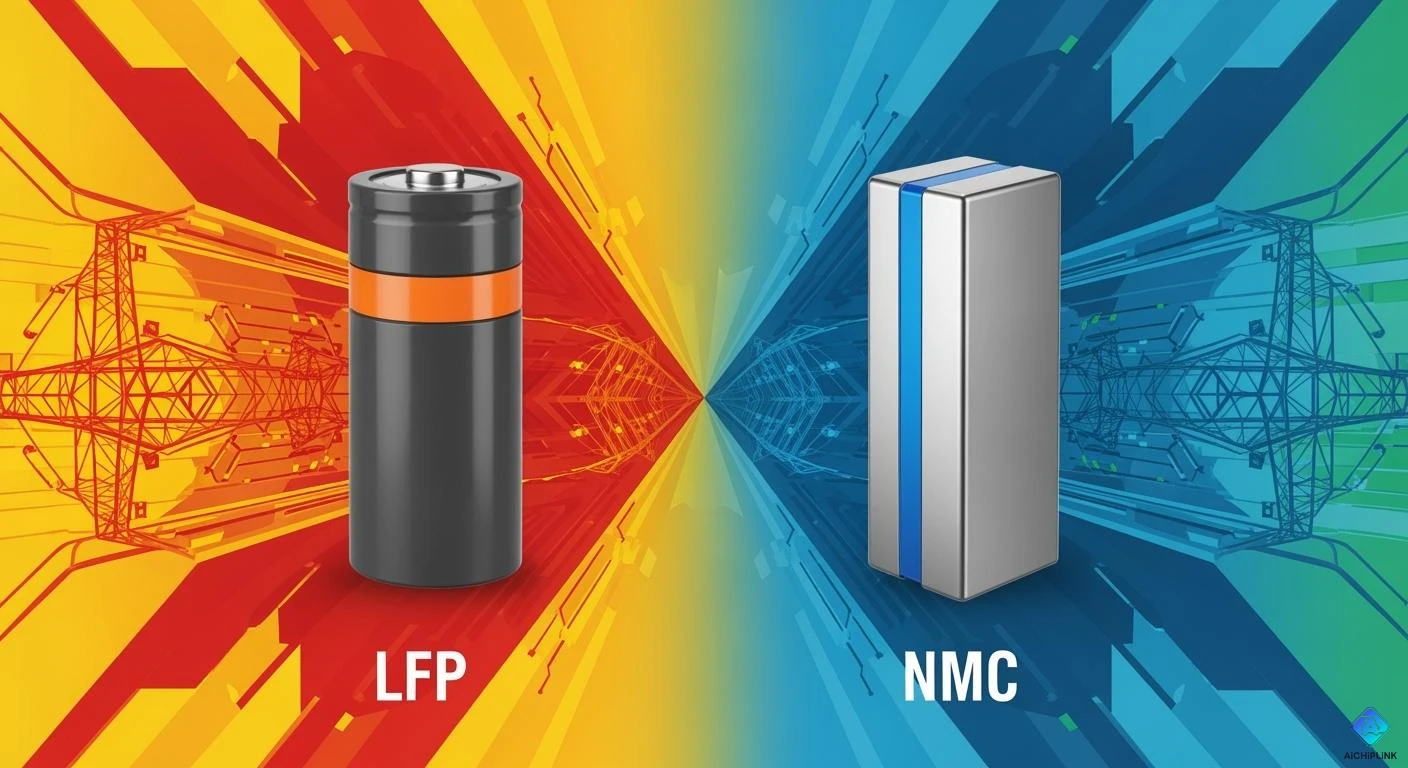
You often see LFP vs NMC batteries used in energy storage systems. LFP stands for lithium iron phosphate, while NMC refers to nickel manganese cobalt. Each type has its own unique strengths.
-
LFP batteries currently hold 39% of the market share because they are about 30% less expensive than NMC batteries. They also provide enhanced safety features.
-
NMC batteries are favored for high-performance applications, such as electric vehicles, due to their ability to store more energy in a compact design.
| Feature | LFP Batteries | NMC Batteries |
|---|---|---|
| Cycle Life | 3,000–5,000+ cycles | 1,000–2,000 cycles |
| Safety | High | Moderate |
| Cost | Lower | Higher |
Understanding the differences between LFP vs NMC is essential for selecting the right battery to meet your specific needs.
Key Takeaways
-
LFP batteries are safer and cost less. They work well for home energy storage. They are also good for big projects.
-
NMC batteries have higher energy density. This means they fit where space is tight. Electric vehicles use them because of this.
-
LFP batteries last longer. They can work for up to 6,000 cycles. NMC batteries usually last 1,000 to 2,500 cycles.
-
Think about what you need. Pick LFP if you want safety and long life. Pick NMC if you need small size and fast power.
-
Both battery types have special strengths. Knowing their differences helps you choose the best energy storage system.
LFP vs NMC: Chemistry Overview
LFP Battery Basics
LFP batteries have lithium iron phosphate as their main part. They use lithium, iron, and phosphate to hold and give out energy. Their design makes them very safe and steady. These batteries are common in renewable energy storage and electric buses. They can be charged many times and do not get too hot easily.
NMC Battery Basics
NMC batteries use a mix of lithium nickel manganese cobalt oxide. This mix has lithium, nickel, manganese, and cobalt. NMC batteries can store more energy in a smaller size. That is why they are used in electric cars and small gadgets. But their chemistry is more sensitive to heat and cold. They need to be watched closely to stay safe and work well.
Key Material Differences
The biggest differences between LFP and NMC batteries are in their cathode materials. These materials change how the batteries work and how safe they are. The table below shows these differences:
| Feature | LFP Battery | NMC Battery |
|---|---|---|
| Cathode Material | Lithium iron phosphate (LiFePO4) | Nickel, manganese, and cobalt combination |
| Safety and Thermal | Enhanced safety, lower risk of thermal runaway | Higher sensitivity to temperature variations |
| Energy Density | Lower energy density | Higher energy density |
| Cycle Life | Longer cycle life | Shorter cycle life |
| Applications | Renewable energy storage, electric buses | Electric vehicles, portable electronics |
| Cost | Cost-effective due to stable chemistry | Cost-effectiveness varies with formulations |
LFP batteries use iron and phosphate, so they stay safe and steady under stress. NMC batteries use nickel and cobalt, so they have more energy but need careful temperature control. LFP is best when safety and long life are most important. NMC is better when you need a small battery with lots of power.
Here is a quick look at what they are made of:
| Battery Type | Chemical Composition | Key Metals Used |
|---|---|---|
| LFP | Lithium Iron Phosphate (LiFePO4) | Lithium, Iron, Phosphate |
| NMC | Lithium Nickel Manganese Cobalt (LiNiMnCoO2) | Lithium, Nickel, Manganese, Cobalt |
Knowing these chemistry basics helps you pick the right battery for your energy storage system.
Energy Density and Size
LFP Energy Density
LFP batteries are used in many energy storage systems. They have energy density from 120 to 180 Wh/kg. This means they hold less energy per kilogram than other batteries. Look at the table below:
| Energy Density (Wh/kg) | Range |
|---|---|
| LFP | 120–180 |
LFP batteries use lithium iron phosphate as their main material. This makes them safe, but it limits how much energy fits in a small space. People use LFP batteries where safety is more important than size or weight.
NMC Energy Density
NMC batteries have higher energy density. They usually range from 150 to 220 Wh/kg. Some sources say NMC batteries can reach up to 260 Wh/kg. Here is a quick comparison:
| Battery Type | Energy Density (Wh/kg) |
|---|---|
| NMC | 150 - 220 |
NMC batteries use nickel, manganese, and cobalt. These materials help store more energy in smaller and lighter batteries. You pick NMC batteries when you need to save space or make things lighter, like in portable devices or electric cars.
Impact on ESS Design
Energy density changes how you build your energy storage system. NMC batteries let you make smaller and lighter systems because they hold more energy per kilogram. This is helpful when space is tight or weight matters. For example, you might use NMC batteries in a home to make a compact battery box.
LFP batteries have lower energy density, so your system may need more space. But LFP batteries are safe, so you can put cells close together. This helps make the size difference between LFP and NMC smaller. In big grid storage projects, size is not as important, so LFP batteries are a good choice.
Think about your space and safety needs before picking a battery. If you want a safe system and have room for a bigger battery, LFP is a good option. If you need a smaller, lighter system, NMC gives you more choices.
Safety Comparison: LFP vs NMC
Fire and Thermal Stability
Safety is a big difference between LFP vs NMC batteries. LFP batteries can handle much more heat before problems start. They only break down at about 270 to 300°C. This means they stay safe even when things get hot. NMC batteries start to have trouble at lower temperatures, around 150 to 210°C. This makes NMC batteries more likely to have thermal runaway. Thermal runaway is a chain reaction that can cause fires.
| Feature | LFP | NMC |
|---|---|---|
| Thermal runaway threshold | ~270–300°C | ~150–210°C |
| Stability | Very stable under heat | Less stable under heat |
| Thermal safety | Very low risk of fire | Higher risk of fire |
LFP batteries almost never cause big fires that spread. In Australia, electric vehicle fires with LFP batteries are very rare. For example, a Tesla Model Y had a problem, but only 12 cells were hurt and the fire did not spread. This shows LFP batteries keep people safer when things go wrong.
Oxygen Release and Fire Control
Oxygen release is important for fire risk. NMC batteries let out more oxygen if they fail. This extra oxygen makes fires bigger and harder to stop. LFP batteries let out very little oxygen when they break. This helps stop fires from spreading.
| Safety factor | LFP | NMC |
|---|---|---|
| Oxygen release during failure | Very low | High |
| Fire propagation risk | Low | High |
| Toxic gas emissions | Low (CO, CO₂) | High (HF, CO, metal vapors) |
NMC battery fires can make dangerous gases like hydrofluoric acid and metal vapors. LFP battery fires make less harmful gases. This makes LFP batteries safer for homes and buildings.
Safety Implications for ESS
Safety is very important when picking LFP vs NMC for your energy storage system. LFP batteries lower the chance of fire and toxic gas leaks. You can put them close together without worrying about fires spreading. This makes your battery energy storage system (BESS) safer.
NMC batteries store more energy but need careful cooling and checking. You need special systems to keep them safe from fire. If you want the safest choice for homes or businesses, LFP batteries are best.
Note: Always think about your own ESS space and safety needs. Good installation and care are important for all batteries.
Picking the right battery chemistry helps you balance safety, how well it works, and cost. Knowing these safety facts about LFP vs NMC batteries helps you make better choices for your energy storage.
Cycle Life and Durability
LFP Longevity
You will notice that LFP batteries last a long time in energy storage systems. Most LFP batteries can handle between 3,000 and 6,000 full charge and discharge cycles. Some even reach up to 10,000 cycles if you do not use the full range each time. This means you can use an LFP battery every day for many years before it loses much capacity. The strong olivine crystal structure inside LFP batteries helps them resist wear and tear. This structure does not change much during charging and discharging. Because of this, LFP batteries keep at least 80% of their original power for a long time.
| Battery Type | Cycle Life Range |
|---|---|
| LFP Batteries | 3,000 - 6,000 cycles |
| NMC Batteries | 1,000 - 2,500 cycles |
If you want a battery that lasts for years with little drop in performance, LFP is a smart choice.
NMC Lifespan
NMC batteries do not last as long as LFP batteries. You can expect most NMC batteries to work well for about 1,000 to 2,500 cycles. Some newer NMC types can reach over 2,000 cycles while keeping 80% of their starting capacity. NMC batteries use a different crystal structure that wears out faster. This means you may need to replace NMC batteries sooner if you use them every day.
| Battery Type | Cycle Life Range (Cycles) |
|---|---|
| Advanced NMC | 1,000 - 1,500 |
| Next-Gen NMC | Over 2,000 |
Maintenance and Degradation
You will find that LFP batteries need less maintenance than NMC batteries. LFP batteries do not heat up as much, so they do not need as much cooling. They also lose capacity slowly over time. NMC batteries can degrade faster, especially if you charge or discharge them at high rates or use them in hot places. You must check NMC batteries more often and keep them cool to make them last longer.
Tip: If you want a battery that needs less care and lasts longer, LFP batteries are a better fit for most energy storage systems.
Cost Factors
Material and Production Costs
When you compare batteries, look at what they are made of. LFP batteries use iron and phosphate. These materials are easy to find and cost less. NMC batteries use nickel, manganese, and cobalt. These metals are more expensive and harder to get. This makes NMC batteries cost more to make.
| Feature | LiFePO4 (LFP) | NMC |
|---|---|---|
| Cost | Lower starting cost, lower cost per kWh for life | Higher starting cost |
| Availability | High (easy to find materials) | Moderate (depends on nickel and cobalt supply) |
You will see that LFP batteries usually cost less when you buy them. NMC batteries cost more because their metals are pricey and making them is harder.
Lifecycle Value
You want your battery to last and work well for a long time. LFP batteries can be charged and used many times. They lose less power after lots of uses. NMC batteries wear out faster and lose more power as you use them.
| Battery Type | Cycle Life (Charge-Discharge Cycles) | Capacity Loss After 1,000 Cycles | Total Cost Over Time |
|---|---|---|---|
| LFP | 3,000+ | 5-8% | Lower |
| NMC | 1,500 - 3,000 | 10-15% | Higher |
-
LFP batteries cost less at first and over time.
-
NMC batteries need to be replaced sooner, so they cost more later.
-
LFP batteries keep working well longer, so they are a better deal.
Cost-Effectiveness for ESS
You should think about more than just the price. The best battery for your energy storage system depends on many things:
-
Storage capacity
-
Power output
-
How you use it
-
How long it lasts
-
Cost
-
How easy it is to get
-
Fire risk
LFP batteries are good for homes and big storage because they last longer and cost less over time. NMC batteries are best when space is small and you need lots of energy, like in electric cars. For most energy storage systems, picking LFP or NMC means thinking about safety, cost, and how long you want your battery to last.
Tip: If you want a battery that saves money for years and keeps your system safe, LFP batteries are often the best choice.
Performance Differences
Power and Charge Rates
If you want a battery that gives power fast, both LFP and NMC are good. LFP batteries give steady power and do not get too hot. They can be charged and used often without problems. This makes them good for systems that need to work a lot. NMC batteries can give even more power at once. They charge up quicker and can give lots of energy in a short time. That is why people use NMC batteries in electric cars and gadgets that need quick bursts of power.
| Battery Type | Charge Rate | Discharge Rate | Peak Power |
|---|---|---|---|
| LFP | Moderate | Moderate | Stable |
| NMC | High | High | Strong |
Pick NMC batteries if you want fast charging and strong power for short times.
Temperature Tolerance
How hot or cold it is can change how batteries work. LFP batteries work well in both hot and cold places. They do not get too hot and keep working safely. You can put LFP batteries in garages or outside where it gets very hot or cold. NMC batteries do not like big changes in temperature. They need to be kept cool and watched closely. If you use NMC batteries where it is hot, you must keep them from getting too warm.
-
LFP batteries work well in garages, basements, and outside.
-
NMC batteries need special cooling to work their best.
LFP batteries are safer in very hot or cold weather. NMC batteries need more care so they do not get damaged.
Application Suitability
You need to pick the right battery for your system. LFP batteries are good for homes because they are safe and last a long time. You can put them in garages or basements and not worry much about fire. They are also good for big buildings and factories that need batteries to last. LFP batteries save money because they do not need to be replaced often.
-
LFP batteries are best for:
-
Home energy storage
-
Safe use in garages and basements
-
Big storage for businesses and factories
-
Long life and saving money
-
NMC batteries are better when you do not have much space and need lots of power. You see them in electric cars, laptops, and phones. They are also used in big battery systems for businesses that need strong power.
-
NMC batteries are best for:
-
Electric cars (go farther, use less space)
-
Businesses with little room for batteries
-
High-power battery systems for companies
-
Electronics like laptops and phones
-
Choose LFP batteries if you want safety and long life. Pick NMC batteries if you need small size and strong power.
Choosing Between LFP and NMC for ESS
When to Choose LFP
Pick LFP batteries if you want safety, long life, and low cost. LFP batteries stay cool and rarely catch fire. They pass safety tests and follow strict rules for homes and businesses. You can use them every day for many years. They last up to 6,000–8,000 cycles. LFP batteries work well in hot places and need little care.
Here is a table that shows why LFP batteries are a smart choice for many energy storage systems:
| Criteria | LFP (LiFePO₄) | NMC |
|---|---|---|
| Thermal stability | Excellent | Moderate |
| Fire risk | Very low | Higher |
| Cycle life | 6,000–8,000 | 3,000–4,000 |
| Operating temperature | Wide | Narrower |
| Maintenance needs | Low | Medium |
| Cost per kWh (2026) | Lower | Higher |
| Suitability for daily cycling | Ideal | Limited |
| Regulatory acceptance | High | Increasing scrutiny |
LFP batteries are best for:
-
Home energy storage where safety matters most
-
Commercial buildings that need backup power
-
Big projects where cost and long life are important
-
Warm places where batteries must handle heat
LFP batteries can last 10–20 years with daily use. You do not need to replace them often. This saves money over time.
When to Choose NMC
Pick NMC batteries if you need lots of energy in a small space or fast charging. NMC batteries store more energy per kilogram. They fit well in tight spaces. NMC batteries work better than LFP batteries in cold weather. They give strong power for short bursts. This makes them good for electric cars and some business uses.
Here is a quick look at how LFP vs NMC compare for key factors:
| Factor | LFP Batteries | NMC Batteries |
|---|---|---|
| Cost | Usually more affordable | More expensive because of nickel and cobalt |
| Performance | Works well in hot places | Works better in cold places |
| Safety | Safer choice | Less safe because of fire risks |
| Longevity | Lasts 2-3 times longer than NMC | 1000 - 2000 charge-discharge cycles |
Choose NMC batteries for:
-
Places where space is tight and you need lots of energy
-
Cold places where battery power must stay strong
-
Fast-charging needs, like electric cars or backup systems
-
Portable devices that need light batteries
-
LFP batteries do not work as well in cold weather.
-
NMC batteries keep power steady in cold places.
-
LFP batteries work best in warm places, so they fit many U.S. regions.
Matching Battery to ESS Needs
Pick the battery that fits your energy storage system needs. Think about safety, cost, performance, and how long you want your battery to last. Here are some tips to help you decide:
-
For homes, LFP batteries are safest and cost less. They need little care and last many years.
-
For businesses, LFP batteries are good if you want low fire risk and long life. NMC batteries are better if you need lots of energy in a small space.
-
For big storage, LFP batteries give the best value because they last long and cost less over time.
-
For electric cars or cold places, NMC batteries work better and charge faster.
Here is a table to help you match battery chemistry to your application:
| Battery Chemistry | Key Features | Suitable Applications |
|---|---|---|
| LFP (LiFePO₄) | High safety, long cycle life, low cost, wide temperature range | Residential, commercial, grid |
| NMC | High energy density, strong power, better in cold, faster charging | EVs, portable devices, cold climates |
-
LFP batteries are getting cheaper as prices drop and production grows.
-
NMC batteries cost more because nickel and cobalt are expensive and harder to find.
Most grid and home energy storage systems in the USA use lithium-ion batteries like LFP or NMC. They are efficient and reliable.
When you compare LFP vs NMC, always think about your safety needs, budget, and how you will use your energy storage system. This helps you make the best choice for your home, business, or big project.
You now know that LFP and NMC batteries are both good for energy storage systems, but in different ways. Here is a simple chart to compare them:
| Factor | LFP (LiFePO₄) | NMC |
|---|---|---|
| Safety | Very high | Moderate |
| Cycle Life | Longer | Shorter |
| Cost | Lower over time | Higher upfront |
| Energy Density | Lower | Higher |
| Environmental | More eco-friendly | Cobalt mining concerns |
LFP batteries are best if you want your system to be safe, last a long time, and not cost too much. NMC batteries are better if you need a smaller battery that holds more energy.
Picking the right battery for your system helps it work better, keeps it safe, and saves money.

Written by Jack Elliott from AIChipLink.
AIChipLink, one of the fastest-growing global independent electronic components distributors in the world, offers millions of products from thousands of manufacturers, and many of our in-stock parts is available to ship same day.
We mainly source and distribute integrated circuit (IC) products of brands such as Broadcom, Microchip, Texas Instruments, Infineon, NXP, Analog Devices, Qualcomm, Intel, etc., which are widely used in communication & network, telecom, industrial control, new energy and automotive electronics.
Empowered by AI, Linked to the Future. Get started on AIChipLink and submit your RFQ online today!
Frequently Asked Questions
What makes LFP batteries safer than NMC batteries?
LFP batteries have stable parts that stop them from getting too hot. They almost never start fires, even when stressed. You can use LFP batteries at home or work for safer energy storage.
Can you use LFP and NMC batteries in cold weather?
Both battery types can be used in cold places. NMC batteries work better when it is cold. LFP batteries lose some power if it gets very cold. Always check the battery’s temperature range before you install it.
Which battery lasts longer in daily use?
LFP batteries last longer than NMC batteries. You can use LFP batteries thousands of times before they lose much power. NMC batteries wear out faster, so you may need to replace them sooner if you use them every day.
Are LFP batteries more eco-friendly than NMC batteries?
Yes. LFP batteries use iron and phosphate, which are easy to find and recycle. NMC batteries use nickel and cobalt, which can hurt the environment when mined or thrown away.
How do I choose the right battery for my ESS?
Think about what you need. If you want safety and long life, pick LFP. If you need lots of energy in a small space, choose NMC. Always match the battery to your system’s size, place, and budget.