AI Chip Shortage: Impact on Supply Chain
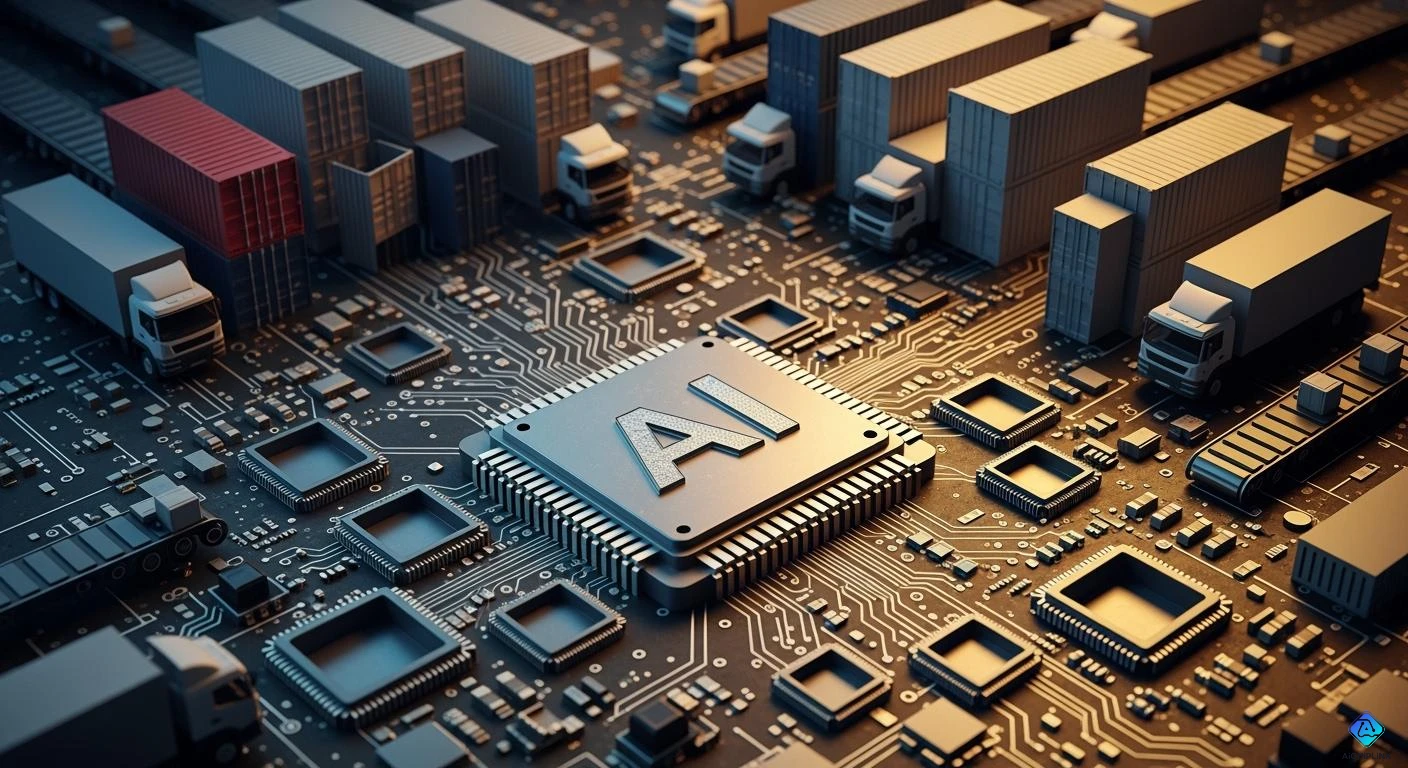
You see a big change in ai chip supply. This change is affecting supply chains around the world. The ai chip shortage is causing worry. Memory chip stocks are now only enough for a few weeks. Data centers, electronics, and car makers are all affected. They now focus more on ai uses. Electronics companies have trouble getting important parts. You also see prices going up and wait times getting longer. Supply chains everywhere must change fast to meet the higher need.
📊 Here’s a snapshot of the current situation:
| Metric | Value |
|---|---|
| Projected PC sales growth | 31% from 2023 to 2026 |
| Projected smartphone growth | 15% from 2023 to 2026 |
| Required fab output increase | 25% to 35% |
| Estimated cost for new fabs | $40 billion to $75 billion |
Key Takeaways
-
The AI chip shortage is making things take longer and cost more in many industries, like electronics and cars.
-
Companies need to use different suppliers to lower risks and keep getting AI chips.
-
It is important to have backup plans. Businesses should get ready for supply problems by finding other suppliers.
-
Watching changes in politics and rules is very important. Trade problems can change how many chips are available and how much they cost.
-
Using AI to guess what people will buy can help companies handle their inventory better and stop shortages in the future.
Causes Of AI Chip Shortage
Surging AI Chip Demand
The need for ai chips is growing very fast. Companies use more semiconductors because ai is getting bigger. Data centers and cloud services want stronger chips. This makes it hard for the semiconductor supply chain to keep up. Experts think memory chip sales will hit $200 billion in 2026. That will be 25% of all semiconductor sales.
| Year | Projected Revenue (US$) | Percentage of Total Semiconductor Revenues |
|---|---|---|
| 2026 | 200 billion | 25% |
By 2026, ai data centers will use up to 70% of memory chips. DRAM makers are changing how they make chips to help with this. Memory chip prices went up 50% at the end of 2025. Prices could go up another 40-50% by early 2026. Micron has already sold all its ai memory chips for 2026. This shows how much people want ai chips now.
The fast growth of artificial intelligence puts a lot of stress on the semiconductor industry. Big tech companies now book chip production early, which changes the market.
Chip shortages make ai chips very important. If a chip goes to a rival, you have fewer for your own work. This makes prices higher and slows down ai progress.
Production Bottlenecks
Production bottlenecks make it tough to meet ai chip needs. There are not enough high-performance optical interconnects. New optical tech needs special packaging and testing. Lasers for ai systems have problems with how well they work and how many can be made. These issues slow everything down.
-
Most bottlenecks happen in the supply chain and integration, not just in the chips.
-
The semiconductor industry faces limits from nature and politics.
-
Not enough electricity and special gases hurt production.
-
World events can mess up energy supplies and make chips cost more.
Makers now switch from regular chips to high-bandwidth memory for ai. This means other types of chips are harder to find. These supply chain problems may last until 2027. You need to plan well to control costs and get what you need.
Supply Chain Disruptions
Supply chain problems make getting ai chips even harder. More demand from ai developers and cloud companies means less standard DRAM and flash memory. Makers focus on high-bandwidth memory chips, so normal memory chips are rare. This makes prices go up, wait times longer, and sometimes chips are rationed.
Supply shocks spread through the whole semiconductor supply chain. Companies must change how they get their parts. The market keeps changing, so you must move fast.
Geopolitical And Regulatory Issues
World tensions and new rules make things harder. Trade rules and the split between global tech firms and China bring risks for the chip supply chain. These problems slow down building new factories and cause shortages of materials. There are more trouble spots in getting ai chips.
| Proposed Tariff | Potential Cost Increase |
|---|---|
| Tariffs on semiconductor imports | 10% to 30% increase in component costs, complicating supply chain management. |
| Policy Change | Impact on Supply Chain |
|---|---|
| Introduction of tariffs on semiconductor imports | Increased costs for AI chip components, complicating procurement and supply chain management. |
| Export restrictions on advanced AI chips to China | Limited access to critical technologies, affecting production capabilities. |
Tensions and new rules have split up the ai chip market. The U.S.-China trade fight, with tariffs and export bans, makes things more complex. It also causes more shortages and price jumps. You must change how you get your chips to keep up.
NVIDIA CEO Jensen Huang said the shortage made his customers, like Microsoft, Google, and Amazon, feel ‘tense and emotional’.
Supply shocks from these problems affect the whole chain. The effects go from factories to people who use the products. You need to watch closely and be ready to handle these risks.
Impact On Supply Chain
Data Centers And Hardware
The ai chip shortage is changing how companies buy hardware. Data centers need more high-performance semiconductors now. This puts stress on hardware supply chains. It is harder to get important parts. IT distributors say supplies are tighter. Memory shortages make hardware harder to find. Prices change quickly because of this. Vendors change prices more often now. They also give quotes for a shorter time. Manufacturers focus on high-performance memory for ai. This means there are fewer chips for other things.
-
AI infrastructure needs are changing hardware supply chains.
-
Memory shortages make costs go up and limit choices.
-
Vendors put ai-enabled devices first, not regular hardware.
The RAM shortage is getting worse as more ai data centers are built. You need to plan ahead to get the hardware you want.
Consumer Electronics Delays
You notice the ai chip shortage when you try to buy new gadgets. Makers now focus on high-margin ai chips first. This makes it harder for electronics companies to get parts. More factory space goes to ai chips, not regular electronics. Experts say electronics firms have trouble getting needed parts. These parts go to ai data centers before others. If companies cannot get parts, you may see fewer gadgets in stores.
-
Longer waits and higher costs hurt electronics makers.
-
Supply chain managers buy early and pay more to avoid shortages.
-
Making ai-enabled devices comes first, so other electronics are slower.
You might see delays for new smartphones and PCs. The ai chip shortage makes it tough for companies to meet what people want.
Automotive And Manufacturing Slowdowns
The ai chip shortage also slows down car making and other factories. The car industry lost over 9.5 million units in 2021. It lost 3 million more in 2022 because of chip shortages. By early 2023, losses dropped to about 524,000 units as companies adjusted. Still, cars need more semiconductors, so risks stay high. Car makers must fight with other industries for chips. This can stop production and mean fewer cars for sale.
The semiconductor supply chain is still weak. One missing chip can stop a whole factory line.
Broader Supply Chain Effects
The ai chip shortage affects many industries. More ai use means more demand for GPUs and semiconductors. A 20% or bigger jump in demand can mess up the whole supply chain. If one part is missing, everything can stop. You may remember when shortages stopped phones, PCs, and cars. Now, some companies only have 48 days of chips left. This short supply puts more pressure on supply chains to move fast.
| Industry | Main Impact | Resulting Challenge |
|---|---|---|
| Data Centers | Memory shortages | Higher costs, less supply |
| Consumer Electronics | Component scarcity | Delayed product launches |
| Automotive | Production losses | Fewer vehicles available |
| Manufacturing | Supply chain disruptions | Slower output |
You need to watch the supply chain closely. Fast changes in demand or supply can hurt your business at any time.
Price And Availability Effects
Rising Costs
Prices for ai chips are going up quickly. Big technology companies are buying more chips. This gives suppliers more control over prices. Companies like SK Hynix and Samsung make more money now. Memory chip prices went up by 20-30% in the last year. HBM3 prices are high because there are not enough chips. The cost to rent the H100 NVIDIA chip is much higher now. Experts think memory prices will go up 30% later this year. They may rise another 20% early next year. These price jumps make it hard to plan your spending.
-
Suppliers charge more when they worry about shortages.
-
You have to pay more for chips and devices.
-
Higher prices affect every part of the supply chain.
Product Launch Delays
You have to wait longer for new products now. There are not enough memory chips for everyone. Memory parts are important for making electronics and cars. When prices rise, factories slow down making things. Phones, PCs, and cars take longer to reach stores. Companies are not sure if they will get all the parts they need. They cannot finish products without enough memory chips. This delay causes problems for many industries.
-
High demand for ai chips means other parts are short.
-
Making things costs more, so launches are slower.
-
You see fewer new products in stores.
Innovation Constraints
Innovation slows down when there are not enough chips. World tensions and trade rules make it harder to get advanced ai chip parts. This slows down new tech in places like China and splits up the supply chain. The EU spends more money to make chips at home. This helps Europe compete but makes chips cost more everywhere. Security worries in the Taiwan Strait put chip factories like TSMC at risk. These problems make ai chip prices change a lot and cause uncertainty.
| Current Events | Description and its impact |
|---|---|
| Geopolitical Tensions and Trade Restrictions | Makes it harder to get advanced ai chip parts and slows China’s hardware growth, splitting up the supply chain. |
| EU Semiconductor Sovereignty Initiatives | Leads to more local chip factories in Europe, helping them compete but making chips cost more around the world. |
| Taiwan Strait Security Concerns | Puts Taiwan chip factories at risk, causing supply chain problems and price changes for ai chips everywhere. |
You need to pay attention to these changes. Not enough chips and higher prices can slow down new ideas and make it harder to get new technology.
AI Chip Production Bottlenecks
Manufacturing Capacity Limits
Factories cannot make enough ai chips to meet demand. China spends a lot of money on making semiconductors. ChangXin Memory Technologies grew its market share from almost zero to 5 percent in five years. SMIC made $9.3 billion last year, which is a record for them. HuaHong runs at 106% capacity, showing how busy they are. These facts show it is hard to supply all the chips people want.
Many countries limit how many advanced chips they can make each year. Some countries can only make 50,000 H100-equivalent chips yearly. Tier 2 countries get even fewer chips. This makes it hard to get enough chips for your projects.
| Year | Projected H100 Production | Hardware Costs (in Billion $) |
|---|---|---|
| 2025 | 100,000 | 2.5 |
| 2026 | 270,000 | 6.7 |
| 2027 | 320,000 | 8.0 |
Memory And Networking IC Shortages
Ai chip production needs lots of memory bandwidth. New servers use DDR4 and DDR5 memory. DDR5 is replacing DDR4 quickly, but HBM is more important for ai work. HBM has problems with packaging and yield, so it cannot grow as fast as DDR5. This slows down making ai chips.
-
Memory and networking IC shortages slow ai chip production.
-
Ai workloads need high bandwidth and low latency.
-
Bad networking can leave GPUs waiting, wasting resources.
-
Big ai models hit a "memory wall" when memory cannot keep up.
Networking ICs connect thousands of GPUs in data centers. Fast links like Ethernet and InfiniBand are under stress. Custom networking chips make finding suppliers harder, so you wait longer for parts.
Role Of Major Players
NVIDIA, AMD, and TSMC are important for ai chip production. These companies control much of the market. HBM3 prices went up 20-30% in the past year. This will likely keep happening because factories cannot make enough chips. Lead times for HBM chips are now six to twelve months, sometimes longer.
| Evidence Type | Description |
|---|---|
| HBM3 Pricing | HBM3 pricing has risen 20-30% year-over-year, expected to persist through 2025 due to demand outpacing capacity. |
| Lead Times | HBM chip lead times are currently six to twelve months, with some cases longer due to packaging constraints. |
| TSMC Capacity | TSMC's CoWoS capacity is fully booked through the end of 2025, indicating severe supply constraints. |
TSMC is the biggest semiconductor foundry in the world. They cannot make enough chips to meet demand. The CEO says demand is three times higher than what they can produce. This means you have to wait longer and pay more. Suppliers focus on big customers first, so smaller companies have trouble getting chips. This creates a bottleneck that affects everyone.
You need to plan ahead and find new suppliers to avoid delays in your projects.
Mitigating Supply Chain Risks
Diversifying Suppliers
You can make your supply chain safer by using more suppliers. This helps you avoid trouble if one supplier cannot deliver. Many companies search for new partners to lower the risk of running out of ai chips. If you have several suppliers, you do not rely on just one. This makes your business stronger and helps you control costs.
- Using different suppliers makes your business tougher and saves money. It lowers the chance that one problem will stop everything. You must check new suppliers to see if they fit your goals. Backup suppliers help you keep working if something goes wrong.
Tip: Always look at your supplier list and change it when your needs change.
Contingency Planning
You need a good plan to keep your business running if there is a supply problem. Contingency planning helps you get ready for surprises. You should know which suppliers are risky and set up backups. Practice what to do if something fails. This keeps your work smooth and helps you meet demand.
| Strategy | Importance in Contingency Planning |
|---|---|
| Identify High-risk Suppliers | Focus on important parts or suppliers to lower disruption. |
| Set Up Backup Suppliers | Make sure you can get parts fast if a main supplier fails. |
| Conduct Drills and Simulations | Practice what to do if there is a problem to be ready. |
Test your plans often and use digital tools to spot problems early. This helps you keep your business running and protects your work.
Alternative Technologies
You can try new ways to meet your needs when ai chips are hard to find. Some logistics companies use different chips or mix foreign and local chips to keep up with demand. Chinese firms build software so new chips can work with popular programs. Huawei works on its own system, CANN, to give more choices, but it still has some problems. Alibaba trains models with both foreign and local chips to use what is available.
Note: Trying new technology can help you keep your supply steady and support your business.
Future Outlook
Long-Term Supply Chain Adjustments
Companies will change how they manage supply chains. Many now use AI-driven demand forecasting to guess what they need. This helps keep enough inventory and stops shortages. Governments spend more money on making chips at home. The U.S. CHIPS Act is one example of this. It helps build local chip factories and makes the supply chain stronger. Companies also look for more suppliers. This lowers the risk if one supplier cannot deliver.
| Strategy | Description |
|---|---|
| AI-driven demand forecasting | Companies use AI to guess demand and manage inventory better. |
| Investment in domestic manufacturing | Governments pay for local chip factories to lower global supply risks. |
| Supply chain diversification | Companies add more suppliers so they do not depend on just one. |
Tip: You can use AI tools to help with your investments and planning.
Industry Trends
You will see new trends in the chip industry. More people want high-performance GPUs and special processors. These chips help run big AI tasks. Companies work on new chip designs to make them faster and better. Data centers are getting bigger and smarter. Cloud service providers spend more on better infrastructure. You will also see more partnerships and new products as companies compete.
| Trend Description | Implication |
|---|---|
| Increased demand for high-performance GPUs | Helps run large AI tasks and gives better computing. |
| Advancements in chip architectures | Makes chips work better and helps new uses grow. |
| Investments in data center infrastructure | Makes cloud services bigger and more reliable. |
| Reshaping of competitive dynamics | Changes how companies compete and launch new products. |
Regulatory And Geopolitical Monitoring
You need to watch world politics and new rules closely. The U.S. and China both want to lead in AI. This affects the whole chip supply chain. Export bans and tariffs can make costs go up by 10-30%. These rules make it harder for companies to get the chips they need. TSMC in Taiwan faces risks from problems in the area. China spends more to build its own chip factories. Fights between countries can cause fast changes in supply and prices.
-
Trade rules and tariffs change how you get chips.
-
U.S.-China relations bring risks for making and shipping chips.
-
Export bans stop some companies from getting advanced chips.
-
TSMC’s spot in Taiwan adds more risk.
-
China builds more local factories to stay in the race.
Note: You should watch these changes to protect your supply chain and plan ahead.
You still have problems because of the ai chip shortage. You must make early deals with suppliers. You need to buy from more than one vendor. You should also have backup plans ready.
-
Keep extra inventory for safety.
-
Watch your suppliers more closely.
-
Plan for different problems that could happen.
Xiaomi and Toyota show that making things locally helps. Using two sources for parts makes companies stronger. The US CHIPS Act and new spending will change what happens next. Ai will grow if supply chains stay strong and new ideas keep coming.
| Initiative | Impact |
|---|---|
| US CHIPS Act | Helps make more chips and boosts competition |
| R&D Investment | Helps create better chip technology |

Written by Jack Elliott from AIChipLink.
AIChipLink, one of the fastest-growing global independent electronic components distributors in the world, offers millions of products from thousands of manufacturers, and many of our in-stock parts is available to ship same day.
We mainly source and distribute integrated circuit (IC) products of brands such as Broadcom, Microchip, Texas Instruments, Infineon, NXP, Analog Devices, Qualcomm, Intel, etc., which are widely used in communication & network, telecom, industrial control, new energy and automotive electronics.
Empowered by AI, Linked to the Future. Get started on AIChipLink and submit your RFQ online today!
Frequently Asked Questions
What causes the AI chip shortage?
You see the shortage because demand for AI chips grows faster than factories can make them. Companies want more chips for data centers, cars, and gadgets. Supply chain problems and world events make it even harder to get enough chips.
How does the chip shortage affect you?
You may wait longer for new phones, computers, or cars. Prices for electronics can go up. Some products may not launch on time. Companies must pay more for parts, and you might see fewer choices in stores.
Can companies fix the shortage quickly?
No quick fix exists. Building new chip factories takes years and costs billions. Companies try to find more suppliers and use backup plans, but you may still see delays and higher prices for a while.
What can you do to manage supply chain risks?
* Work with more suppliers. * Keep extra inventory. * Use digital tools to track orders. * Plan for possible problems. These steps help you stay ready if shortages happen again.