How Battery Energy Storage Systems Work
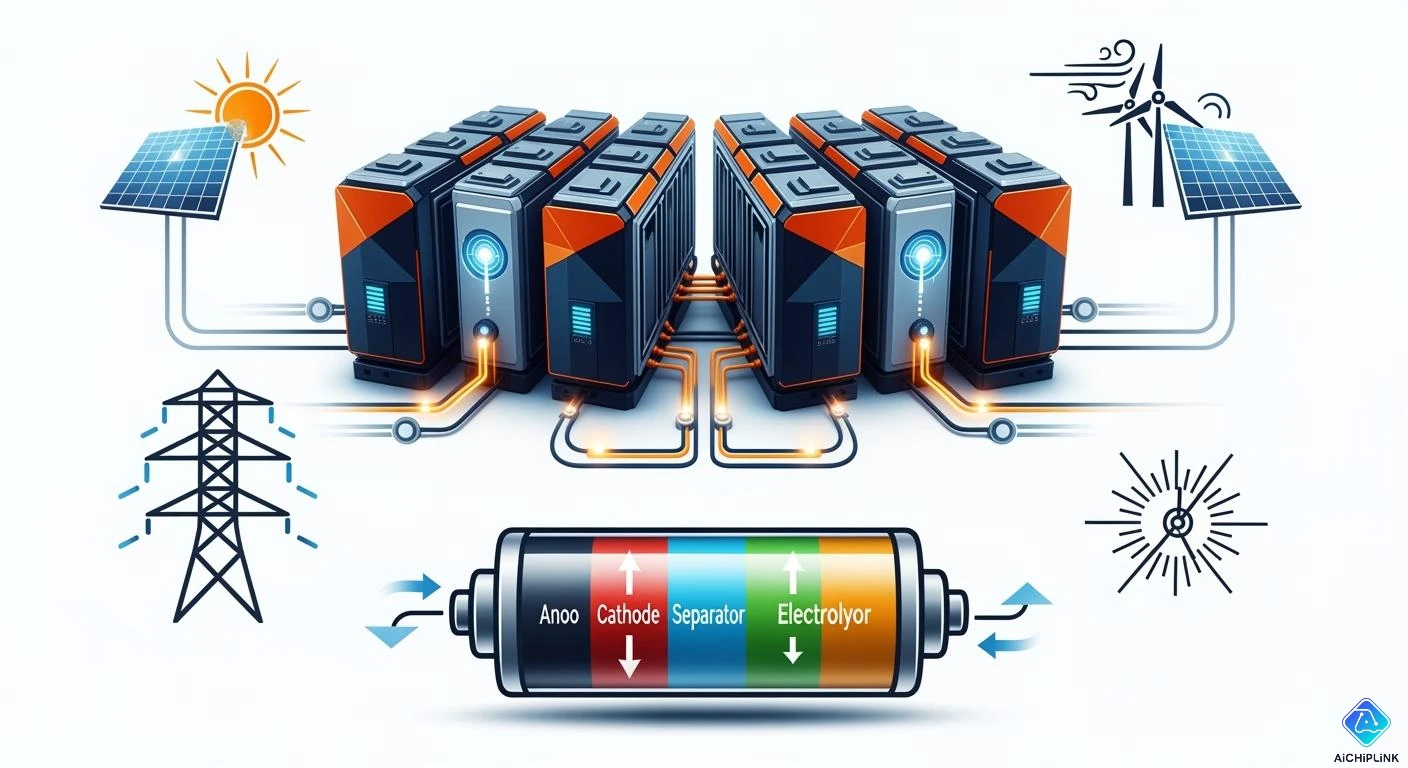
When you use battery energy storage, you keep electricity as chemical energy in batteries. Later, the system turns that chemical energy back into electricity when you need it. Control systems help you handle charging and discharging, so you always have power when you want it. You help keep the electric grid steady and support renewable energy by using these systems.
Key Takeaways
-
Battery energy storage systems change electricity into chemical energy. This energy can be used later. These systems help keep the electric grid steady. They also help support renewable energy.
-
It is important to know about Depth of Discharge (DoD). A lower DoD can make the battery last longer. A higher DoD lets you use more energy. But it can make the battery not last as long.
-
Control systems like the Battery Management System (BMS) keep things safe. They help the battery work well. They watch the battery’s health. They stop the battery from getting too much charge.
-
There are different battery types, like lithium-ion and flow batteries. Each type has good and bad points. Pick the one that fits your energy needs and how often you use it.
-
You should check and take care of your battery energy storage system often. This can stop problems from happening. It helps the system work better. This makes sure you have power when you need it.
Battery Energy Storage Principle
Electrochemical Energy Conversion
A battery energy storage system keeps electricity as chemical energy. When you charge the battery, you put electricity into it. This makes chemical reactions happen inside the battery. These reactions move electrons and change the battery’s materials. When you need power, the system does the process backwards. The chemical energy turns back into electricity. You can use this electricity at home, at work, or for the grid.
-
Some batteries keep energy in liquid electrolytes.
-
When charging, oxidation happens in the catholyte. Reduction happens in the anolyte.
-
When you use the battery, oxidation happens at the anode. This releases electrons.
-
The electrons move through a circuit and do work.
-
At the cathode, reduction takes place and electrons are accepted.
Here is a table that shows how different batteries use electrochemical reactions:
| Battery Type | Electrochemical Reaction Description |
|---|---|
| Lithium-ion | Uses an anode, cathode, separator, and electrolyte for energy storage and release through electrochemical reactions. |
| Redox Flow | Involves reduction and oxidation reactions in liquid electrolyte solutions during charge and discharge cycles. |
| Flow Batteries | Stores energy in liquid electrolytes, with oxidation and reduction in the catholyte and anolyte species. |
Lithium-ion batteries are special because they hold a lot of energy in a small space. They also charge and discharge quickly and lose less energy. Redox flow batteries are flexible and can be made bigger, but they store less energy in the same space. Lead batteries work well but do not last as long and hold less energy.
Charging and Discharging Process
You can control how much energy you put in and take out each time. When you charge a battery energy storage system, you fill it with energy. When you discharge it, you use the energy. The depth of discharge (DoD) shows how much of the battery you use. For example, if you use 80% of the battery, the DoD is 80%.
-
With solar energy, you charge and use the battery every day. Lead-acid batteries work best with a DoD of 30-50%. Lithium-ion batteries can handle 70-90% DoD without much damage.
-
Electric cars use different DoD levels. Short trips use 20-30% DoD. Long trips use 70-80%.
-
Backup systems use lower DoD often and higher DoD for long outages.
Modern lithium-ion batteries can reach DoDs of 80-95%. Some new models can even use 100% DoD and still last a long time. If you use a lower DoD, your battery energy storage system lasts longer. For example:
-
At 10% DoD, you can get up to 15,000 cycles.
-
At 80% DoD, you may get about 3,000 cycles.
-
If you go past the recommended DoD, your battery will wear out faster.
You need to know about DoD to get the most from your battery energy storage system. A higher DoD means you use more of the battery, but it may not last as long. Using a lower DoD every day helps the battery cells last longer. This makes your battery energy storage system more reliable and saves money.
Control Systems in Battery Storage
Control systems keep your battery energy storage system safe and working well. The Battery Management System (BMS) is like the brain of the system. It checks the health, voltage, temperature, and charge of each cell. The BMS stops overcharging, which can hurt the battery or cause safety problems. It also balances the charge in all the cells. This helps each cell work its best. The BMS makes your battery energy storage system last longer and work better.
| Aspect | Description |
|---|---|
| Monitoring | The BMS tracks battery health, voltage, temperature, and state of charge. |
| Overcharging Prevention | Stops overcharging to avoid damage and safety risks. |
| Charge Balancing | Balances charge across all cells for best performance. |
| Efficiency Improvement | Makes the battery energy storage system last longer and work better. |
The Energy Management System (EMS) helps you decide when to use stored energy. The EMS lets you use energy when it is cheaper or when renewable power is there. It can send out energy by itself, so you use your battery energy storage system in the best way. The EMS also works with smart grid technology. This helps keep the electric grid steady and efficient.
| Function | Description |
|---|---|
| Energy Usage Control | The EMS helps you use energy based on demand, price, and renewable power. |
| Automated Dispatch | Sends out stored energy automatically for best results. |
| Smart Grid Integration | Works with smart grids to support grid stability and efficiency. |
You also get safety features like fire suppression, cooling, and real-time checks. These features keep your battery energy storage system safe and reliable. Advanced control systems use artificial intelligence and automation. This makes your battery energy storage system even more reliable. They help you use more renewable energy and keep your power steady, even when the sun is not shining or the wind is not blowing.
Tip: Always check your battery energy storage system control settings. This helps you get the best performance and safety.
Components of Energy Storage Systems
Battery Cells
Battery cells are the main part of battery storage systems. Each cell keeps energy as chemical energy. When you need power, it gives out electricity. The way the cells are made and what they are made of matters a lot. This decides how much energy you can store. It also affects how long your system will last. It changes how fast you can charge or use the battery. Some batteries use lithium-ion chemistry. Others use lead-acid or new solid-state designs. Each type is good for some things and not as good for others. For example, lithium-ion batteries have high energy density and last a long time. Lead-acid batteries cost less but do not last as long.
-
The way battery cells are built changes energy density, cycle life, charge and discharge speed, and safety.
-
Different battery chemistries have their own good points and bad points.
-
Picking the right materials helps your energy storage systems work their best.
New battery types, like solid-state batteries, are changing battery energy storage. These new batteries can make your system safer and stronger.
Tip: When you choose a battery for your energy storage system, think about how much energy you need, how often you will use it, and how long you want it to last.
Battery Management System
The battery management system, or BMS, is like the brain of your battery storage systems. It watches each battery cell and keeps things safe. The BMS checks voltage, temperature, and charge level for every cell. It controls when to charge and when to use the battery. If a cell gets too hot or too full, the BMS protects your battery energy storage from harm.
A BMS does more than just keep batteries safe. It helps your battery energy storage system last longer and work better. You get more cycles and safer use. The BMS also stops problems like overcharging, overheating, and short-circuiting. In big energy storage systems, the BMS is even more important. It keeps everything balanced and working well.
Note: Always make sure your battery storage systems have a good BMS. This keeps your batteries safe and helps you get the most out of your investment.
Inverters and Power Electronics
You need inverters and power electronics to connect your battery energy storage to the grid or your home. Batteries keep energy as direct current (DC). Most homes and the grid use alternating current (AC). The inverter changes DC into AC when you want to use the energy. It also turns AC back into DC when you charge your batteries from the grid or solar panels.
-
The inverter or power conversion system changes stored DC electricity into AC.
-
It controls voltage and frequency so your battery storage systems work well with the grid.
-
The inverter helps your battery energy storage system run safely and smoothly.
With good power electronics, you can use your energy storage systems for many things. You can back up your home, help the grid, or save solar power for later.
Cooling and Safety Features
Keeping your battery energy storage system cool and safe is very important. Batteries can get hot when they charge or give out energy. If they get too hot, they can break or even catch fire. Cooling systems and safety features stop this from happening. Some systems use air or liquid cooling. Others use immersion cooling, where batteries sit in a special liquid that does not burn.
Here is a table that shows how different cooling methods compare:
| Feature | Immersion Cooling | Traditional Cooling Methods |
|---|---|---|
| Fire Risk | Eliminates fire risk due to non-flammable liquid | Higher risk of fire due to air/liquid exposure |
| Heat Dissipation | Superior heat dissipation | Less efficient heat management |
| Energy Usage | Reduced energy consumption | Higher energy usage |
| Thermal Management | Maintains consistent temperature | Prone to temperature fluctuations |
| Battery Lifespan | Extends battery lifespan | Shorter lifespan due to overheating |
Cooling and safety features do more than just keep batteries cool. They stop fires from spreading and make your system more reliable. They let you build small battery storage systems that are still safe. Good thermal management means your batteries last longer and work better.
-
Cooling systems stop fires from spreading and thermal runaway.
-
Safety features include fire suppression, sensors, and alarms.
-
These features let you use battery energy storage in homes, businesses, and big grid projects with confidence.
Alert: Always check that your battery energy storage system has strong cooling and safety features. This protects your investment and keeps you safe.
Types of Energy Storage Systems
Lithium-Ion Battery Storage
You see lithium-ion batteries in many devices. They are in phones, electric cars, and most energy storage systems. These batteries hold a lot of energy in a small space. They charge quickly and last for many cycles. You can use them for grid storage, renewable energy, and electric vehicles. They work well for big battery storage because they handle lots of energy and last for years.
Note: Lithium-ion batteries are the most popular type. Most new energy storage systems use them because they are efficient and reliable.
Here is a table that shows what is good and bad about them:
| Battery Type | Advantages | Disadvantages |
|---|---|---|
| Lithium-Ion | High energy density, long cycle life, fast charging | Fire risk, higher cost, material limits, aging over time |
Flow Battery Storage
Flow batteries keep energy in liquid electrolytes. People use them for big energy storage projects. You can make these batteries bigger or smaller easily. This makes them good for utility-scale battery storage. Flow batteries last a long time and can be used until almost empty. You see them with renewable energy, grid storage, and microgrids.
-
Used with renewable energy
-
Good for grid and long-term storage
-
Work in microgrid systems
-
Help balance loads and lower peak demand
Flow batteries help control energy when many people need power. They keep the grid steady.
Lead-Acid Battery Storage
Lead-acid batteries have been used for many years. They cost less and are very reliable. People use them for backup power, UPS systems, and factories. Lead-acid batteries are good for short-term storage but do not last as long as lithium-ion or flow batteries. You find them in places that do not need long-term storage and in some big battery storage setups.
Here is a table with cost and performance facts:
| Characteristic | Value |
|---|---|
| Upfront Cost | Lower than other types |
| Energy Density | 30-50 Wh/kg |
| Efficiency | 70-80% |
Tip: Lead-acid batteries are cheaper, but you must replace them more often.
Applications: Residential, Commercial, Utility
You use energy storage systems at home, at work, and for big utility projects. Each use has its own good points.
| Application Type | Key Features | Benefits |
|---|---|---|
| Residential | Emergency power, peak shaving | Energy independence, cost savings |
| Commercial | Load shifting, demand response, backup power | Reduced energy costs, improved reliability |
| Utility-scale | Grid stability, renewable integration | Enhanced grid reliability, support renewables |
You can save extra electricity from solar and wind for later. This means you have power when the sun is not shining or the wind is not blowing. Energy storage systems help you save money, make power more reliable, and support renewable energy.
Functions and Benefits of Energy Storage
Grid Stabilization
Energy storage helps keep the electric grid steady. These systems can take in or give out power very fast. This helps balance how much power is needed and how much is made. It stops blackouts and keeps your lights on. Here is how energy storage helps the grid:
| Contribution Type | Description |
|---|---|
| Frequency Regulation | Keeps the frequency steady, like 60 Hz in the US. This stops blackouts. |
| Grid Stabilization | Takes in or gives out power quickly to balance supply and demand. |
| Load Shifting | Stores extra energy when demand is low. Releases it when demand is high. |
| Peak Shaving | Lowers demand on the grid during busy times. This saves money. |
| Voltage Support | Keeps voltage steady so power is reliable. |
| Backup Power | Gives emergency power when the grid goes out. |
Energy storage systems work quietly every day. They help make sure the electric grid stays strong.
Renewable Integration
Energy storage helps renewable energy work better. Solar-plus-storage systems save extra electricity from solar panels when the sun is shining. Later, you use this stored energy when you need it. Wind energy works in a similar way. Here are ways energy storage helps renewables:
-
Saves extra electricity when production is high.
-
Uses stored energy when people need more power.
-
Makes clean energy available even when sun or wind is low.
-
Balances supply and demand so energy is not wasted.
-
Cuts down on using fossil fuels.
Solar-plus-storage lets you use more clean energy at home or work. You get steady power, even when the weather changes.
Backup Power
Energy storage gives you backup power you can trust. When the grid fails, your system gives you electricity. This is important for homes, hospitals, and businesses. You save extra energy when demand is low. When there is an outage, you use this saved energy. Solar-plus-storage systems keep your lights on during storms or disasters. You protect important equipment and keep your family safe.
-
Steady power during grid failures.
-
Keeps important services running.
-
Saves energy for emergencies.
Fast Response and Dispatchability
Energy storage gives you fast response. These systems can take in or give out power in seconds. This quick action helps keep the grid steady and stops blackouts. Solar-plus-storage systems react right away to changes in demand. You help keep power flowing smoothly. You also help the grid during emergencies.
Tip: Energy storage gives you more control. You can use saved energy when prices are low or when you need it most.
Energy storage makes a big difference in how you use electricity. Solar-plus-storage gives you more choices and helps you save money.
Safety and Reliability
Safety Protocols
You need good safety rules to keep your battery energy storage system safe. These rules help stop accidents and problems. Many systems use immersion cooling. This keeps batteries cool and stops them from getting too hot. HazGuard gas neutralization finds and removes bad gases if batteries break. The Battery Management System (BMS) checks temperature and voltage. This stops overcharging and overheating. You must follow rules like UL, ISO, and IEC standards. Regular maintenance keeps your system healthy and working well.
| Safety Protocol | Description |
|---|---|
| Immersion Cooling | Submerges batteries in a non-toxic liquid to manage temperature and prevent overheating. |
| HazGuard Gas Neutralization | Detects and neutralizes hazardous gases released during battery failures, ensuring safety. |
| Battery Management Systems (BMS) | Monitors critical parameters like temperature and voltage to prevent overcharging and overheating. |
| Adherence to Regulations | Compliance with UL, ISO, and IEC standards to ensure high safety standards in BESS. |
| Regular Maintenance | Ensures proper functionality and battery health through routine inspections and checks. |
Tip: Always look for safety features before you use your system.
Reliability Factors
You want your battery energy storage system to last a long time. Many things change how reliable it is:
-
Battery Chemistry: Lithium-ion and flow batteries have different safety and performance.
-
Storage Capacity: This shows how long your battery can give power.
-
Power Output: High power output helps with things like frequency regulation.
-
Operating Conditions: Temperature and environment affect how your battery works and lasts.
-
Cycle Life: More cycles mean your battery lasts longer and saves money.
-
Cost: Different batteries cost different amounts to buy and use.
-
Availability: Getting batteries depends on materials and supply chains.
-
Fire Risk: Some batteries, like LFP, are less likely to catch fire.
🛡️ Pick the right battery chemistry and keep your system in good shape to make it more reliable.
Maintenance and Monitoring
You keep your battery energy storage system safe by checking and taking care of it. You watch important things like State of Charge, State of Health, and temperature all the time. If you find problems early, you can fix them before they get worse. Platforms like OxMaint help you see trouble weeks before it happens by watching health signals in your battery group. This lets you plan quick checks and make work orders when you see issues. You make your system safer and more reliable by acting early.
Note: Regular checks and smart monitoring help you stop big repairs and keep your power steady.
You use battery energy storage systems to save extra energy. Later, you can get power when you need it. These systems help you use more renewable energy. They also make your electricity more reliable. Here is how they help:
-
Save energy from solar and wind for later.
-
Help balance how much power is used and made.
-
Lower how much fossil fuel you need.
The battery energy storage market is getting bigger fast:
| Year | Market Size (USD Million) | CAGR (%) |
|---|---|---|
| 2024 | 38.34 | N/A |
| 2033 | 338.87 | 27.05 |
New technology will help batteries last longer and cost less. Batteries will also work better with smart grids. Battery energy storage will be even more important for clean and steady energy in the future.

Written by Jack Elliott from AIChipLink.
AIChipLink, one of the fastest-growing global independent electronic components distributors in the world, offers millions of products from thousands of manufacturers, and many of our in-stock parts is available to ship same day.
We mainly source and distribute integrated circuit (IC) products of brands such as Broadcom, Microchip, Texas Instruments, Infineon, NXP, Analog Devices, Qualcomm, Intel, etc., which are widely used in communication & network, telecom, industrial control, new energy and automotive electronics.
Empowered by AI, Linked to the Future. Get started on AIChipLink and submit your RFQ online today!
Frequently Asked Questions
What is a battery energy storage system?
A battery energy storage system lets you keep electricity for later. You can use this energy when you need it. For example, you can use it during a power outage or at night.
How long does a battery energy storage system last?
Most systems last from 5 to 15 years. How long they last depends on how much you use the battery. It also depends on how well you take care of it.
Can you use battery storage with solar panels?
Yes! You can connect battery storage to solar panels. This helps you save extra solar energy during the day. You can use this energy when the sun is not out.
Is battery energy storage safe?
Battery energy storage systems have many safety features. The Battery Management System (BMS) and cooling systems help stop overheating and fires. Always follow safety rules to keep your system safe.