What Is a Zone Controller
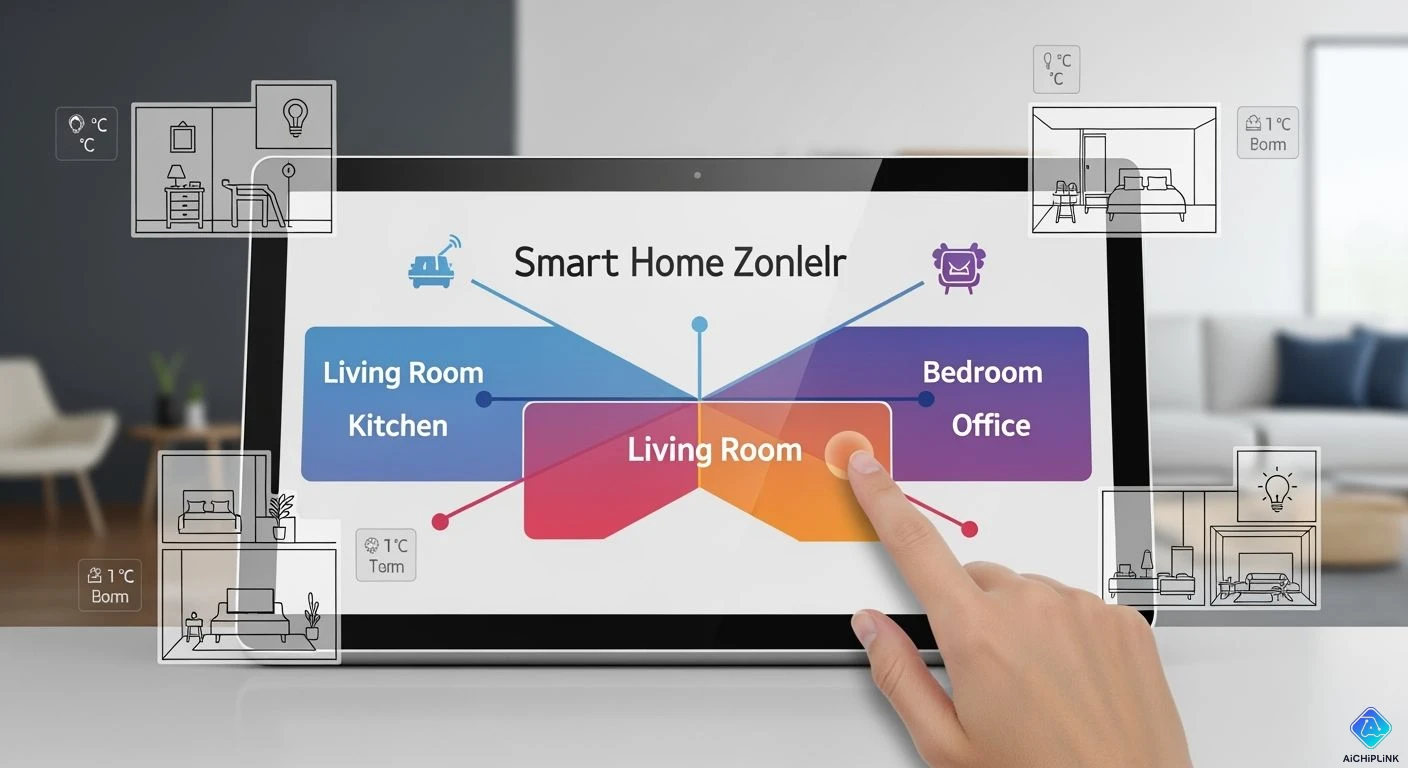
A zone controller helps you control the temperature in different areas of your building. You use it to split your space into zones. Each zone has its own thermostat. This means you can keep one room cool and another room warm. When you use a zone controller with your hvac system, you get better control. It also helps save energy. Many people see lower utility bills and less wasted energy. Here are some main benefits:
| Benefit | Description |
|---|---|
| Energy Waste Reduction | Zoning sends heating or cooling only to places that need it. This cuts down on energy waste. |
| Lower Utility Bills | Better efficiency helps homeowners pay less each month for utilities. |
| Extended System Lifespan | Less work for HVAC systems can make them last longer. |
| Significant Energy Cost Reduction | Heating and cooling improvements can lower energy costs a lot. |
Key Takeaways
-
A zone controller lets you pick different temperatures for each room. This makes your home more comfortable and gives you more control.
-
When you use a zone controller, you waste less energy. This means your utility bills can go down. You can save a lot of money.
-
You should check thermostats and clean filters often. This helps your zone control system work well.
-
If a professional installs your zone controller, it will work right. It will also last longer and protect your money.
-
Zoning works best in big homes or spaces. It helps when people use different rooms at different times. This gives everyone the comfort they want.
Zone Controller Basics
What Is a Zone Controller
You use a zone controller to manage the temperature in different parts of your home or building. This device works as the brain of your hvac zoning system. It lets you split your space into temperature zones. Each zone can have its own comfort setting. You get to decide which rooms stay cool and which stay warm. The controller helps you save energy by sending heating or cooling only where you need it. When you adjust a thermostat in one area, the controller makes sure only that zone changes temperature. This keeps everyone comfortable and helps lower your energy bills.
Tip: A zone controller gives you more control over your comfort and helps your hvac system work smarter, not harder.
Main Components
A hvac zoning system uses several key parts to work well. Each part has a special job. Here is a table that shows the main components and what they do:
| Component | Function |
|---|---|
| Power Distribution | Acts as a hub for smart fusing and intelligent power management, enabling centralized control of power. |
| Data Connection | Consolidates connections from multiple ECUs to a single link, simplifying cabling and data management. |
| Up-integration | Facilitates the integration of various electronic controls, reducing complexity and weight in the architecture. |
| Thermostat | Detects temperature changes and sends signals to the control panel. |
| Control Panel | Decides if the system should heat or cool based on the thermostat's signal. |
| Dampers | Open or close to direct airflow to specific areas based on the control panel's instructions. |
You will find that each part works together to make the hvac zoning system run smoothly. The thermostat senses when a room gets too hot or cold. The control panel listens to the thermostat and tells the dampers what to do. The dampers then open or close to send air where it is needed.
How It Works
When you set a temperature on a thermostat in one of your zones, the hvac zoning system starts to work. The thermostat checks the air and sends a message to the control panel. The control panel acts as the main controller. It decides if your zone needs more heating or cooling. If it does, the controller tells the dampers to open or close. This lets air flow into the right zone. Other zones stay the same unless you change their thermostats.
The process looks like this:
-
You set a temperature on the thermostat in a zone.
-
The thermostat senses if the room is too hot or too cold.
-
It sends a signal to the control panel.
-
The control panel checks what needs to happen.
-
The controller tells the dampers to open or close.
-
Air flows into the zone that needs it.
This system lets you control each area without changing the whole building. You get comfort where you want it. You also use less energy because the hvac zoning system does not heat or cool empty rooms. The zone controller makes sure every part of your home gets just the right amount of air. You can trust the controller to keep your temperature zones balanced and your energy bills lower.
How an HVAC Zoning System Operates
Role of Thermostats and Dampers
You start by dividing your home into zones. Each zone gets its own thermostat. These thermostats check the temperature in their area and send signals to the controller. When a room feels too warm or too cold, the thermostat tells the controller to make a change. The controller then communicates with the dampers in your ductwork. Dampers act like doors inside the air ducts. They open or close to let air flow into the right zones. This process gives you precise temperature control in every part of your home.
Note: Dampers only send air where it is needed. This helps you avoid wasting energy on empty rooms.
Control Panel Function
The control panel works as the main hub for your zoning system. It receives information from all the thermostats in your home. The controller looks at the data and decides which zones need heating or cooling. You do not have to adjust each room by hand. The controller does the work for you. It sends commands to the dampers and the main hvac unit. This keeps every zone at the temperature you want. You can even check and change settings from a single dashboard if your system supports remote access.
-
The controller:
-
Collects temperature data from each thermostat.
-
Decides which zones need air.
-
Sends signals to open or close dampers.
-
Communicates with the hvac system to turn on heating or cooling.
-
Airflow and Temperature Regulation
The controller manages airflow by opening and closing dampers based on each zone’s needs. When a zone needs more heat or cool air, the controller tells the damper to open. If a zone reaches the right temperature, the controller closes the damper. This method gives you strong temperature control and helps balance comfort across your home. Zoning also lowers energy use because the controller only sends air to zones that need it. You get a comfortable home and save money at the same time.
-
Benefits of this system include:
-
Less energy waste in unused spaces.
-
Even temperatures in every zone.
-
Lower utility bills.
-
Benefits of a Zone Control System
Comfort and Customization
You want your home or office to feel comfortable. A zone control system lets you control each area’s temperature. You can set one room cool and another room warm. This means you do not have to pick just one temperature for the whole place.
-
You can pick the temperature for each part of your building.
-
You can check and change settings from your phone or tablet.
-
You stay comfortable all day, no matter where you are.
A zone controller helps you get the right comfort. You do not waste energy on rooms you are not using. You get comfort in the places you need it most.
Energy Savings
A zone control system helps you spend less on energy bills. You only heat or cool the rooms you use. This cuts down on wasted energy and saves you money. Studies show you can save about 29% on energy with this system. Some people save up to 30%, especially if their home is big.
-
You do not waste energy on empty rooms.
-
You help your hvac equipment last longer.
-
You pay less for utilities each month.
Zone control systems make your heating and cooling work better. The controller sends air only to the zones that need it. You do not heat or cool empty spaces. You get both comfort and savings.
When Zoning Makes Sense
Zoning is good for big homes, offices, or places where people move around a lot. Multi-generational homes also get benefits from a zone control system. Zoning works well when people use different rooms at different times.
| Factor | Description |
|---|---|
| Zoning Classifications | Shows how you can use the space, like for homes or businesses. |
| Land Use Regulations | Tells you what you can do in each area. |
| Building Intensity | Looks at your building’s size and layout to see if zoning helps. |
| Rezoning Requirements | Explains if you need special approval to change how you use the space. |
A zone controller lets you control comfort and energy use. You get a smart way to manage your heating and cooling needs.
Installation and Compatibility
Installation Steps
You can install a zone controller in your home by following a clear process. This helps your zoned heating system work smoothly. Here are the main steps you should expect:
-
Gather all required tools and materials.
-
Power down your existing HVAC system.
-
Install zone dampers in ductwork.
-
Install thermostats.
-
Connect the control panel to your HVAC system.
You may want a professional to handle these steps, especially if you have never worked with HVAC equipment before. Safety always comes first.
Tip: Always turn off power to your system before starting any installation work.
Compatibility with Existing HVAC
You need to check if your current setup supports a multiple zone hvac system. Most central forced-air systems work well with zone controllers. Some homes use mini splits or radiant heat, which can make things more complex.
Not every HVAC setup plays nice with mini splits. If you’ve got a central forced-air system, a mini split can usually supplement rooms that need extra help. But if you have radiant or baseboard heat, things get trickier. Mini splits move air differently, so you’ll want to check if your thermostat can handle both, or if you’ll need separate controls.
Common compatibility issues include:
-
Zone panel compatibility with your thermostat.
-
Number of heating and cooling stages supported.
-
Sensor integration for better temperature accuracy.
Always review your equipment before you start.
Cost Considerations
The cost of adding a zone controller can vary. For a single-room option, you might pay under $3,000. A two or three zone system usually costs between $2,000 and $6,000. If you want a larger system, prices can reach $15,000 or more. Costs depend on the number of zones and how easy it is to reach your ductwork. Tight spaces or duct repairs can add to the price. Compared to other upgrades, installing a zone controller often falls in the low to mid-thousands, depending on your needs.
You should plan your budget and ask for quotes before starting your project.
Common Questions and Misconceptions
Closing Vents vs. Zoning
Some people think closing vents is like zoning. This is not true. If you close vents, you block air in some rooms. This makes pressure build up in your ducts. Your hvac system must work harder. This wastes energy and can break your equipment. A zone control system uses motorized dampers instead. Dampers open and close based on your settings. You control the temperature in each area without hurting your system. This way, you get better comfort and save energy.
Remember: Closing vents is not the same as zoning. Zoning uses smart technology to keep your home comfortable and efficient.
Maintenance Tips
You want your zone control system to last. Regular maintenance keeps your system working well. Check your thermostats to make sure they read temperatures right. Clean or change air filters often. Dust and dirt can block airflow and lower comfort. Look at your dampers to see if they open and close. If you hear strange noises or notice uneven temperatures, call a professional. A yearly checkup keeps your system running smoothly and protects your comfort.
-
Check thermostats for accuracy.
-
Replace air filters every few months.
-
Listen for odd sounds from dampers.
-
Schedule yearly professional inspections.
Troubleshooting
Sometimes your zone control system may not work right. Here are some common problems and how to fix them:
| Issue | Description | Typical Resolution |
|---|---|---|
| Malfunctioning Thermostats | Broken thermostats can mess up room temperatures. | An AC expert can check, reset, clean, or replace the thermostat. |
| Stuck Dampers | Dampers may get stuck from dirt or no oil. | A professional can clean them to make them work again. |
| Damaged Control Panel | Bad wiring or shorts can cause electrical problems. | Get a professional to fix it so it does not get worse. |
| Blocked or Leaking Ducts | Ducts can be clogged or broken, stopping air flow. | Experts should find and fix duct problems. |
If you feel less comfortable or some zones do not work, check these things first. Fixing problems quickly keeps your system working well.
You use a zone controller to manage temperatures in different parts of your home. This system gives you more comfort and helps your hvac work efficiently. You can save up to 30% on energy costs by heating or cooling only the rooms you use. You control each area with its own thermostat. Professional installation ensures your system works well and lasts longer.
-
Customize comfort for every room.
-
Lower your energy bills.
-
Choose a trusted contractor for best results.
If you want better control and savings, plan your zoning system and ask an expert for help.

Written by Jack Elliott from AIChipLink.
AIChipLink, one of the fastest-growing global independent electronic components distributors in the world, offers millions of products from thousands of manufacturers, and many of our in-stock parts is available to ship same day.
We mainly source and distribute integrated circuit (IC) products of brands such as Broadcom, Microchip, Texas Instruments, Infineon, NXP, Analog Devices, Qualcomm, Intel, etc., which are widely used in communication & network, telecom, industrial control, new energy and automotive electronics.
Empowered by AI, Linked to the Future. Get started on AIChipLink and submit your RFQ online today!
Frequently Asked Questions
How many zones can you control with a zone controller?
You can control two to eight zones in most homes. Some advanced systems let you manage even more. The number depends on your HVAC setup and the controller model.
Do you need a professional to install a zone controller?
You should hire a professional for installation. HVAC systems have complex wiring and ductwork. A trained expert ensures safe and correct setup.
Can you use smart thermostats with a zone controller?
You can use smart thermostats with many zone controllers. Check compatibility before buying. Smart thermostats help you control each zone from your phone.
Will a zone controller work with older HVAC systems?
A zone controller works with most central forced-air systems. Older units may need upgrades. Ask an HVAC technician to check your system before installing.
What happens if a damper stops working?
If a damper fails, air may not reach the zone. You might notice uneven temperatures. Call a technician to fix or replace the damper.