What is Functional Safety in Integrated Circuits and Why Does It Matter
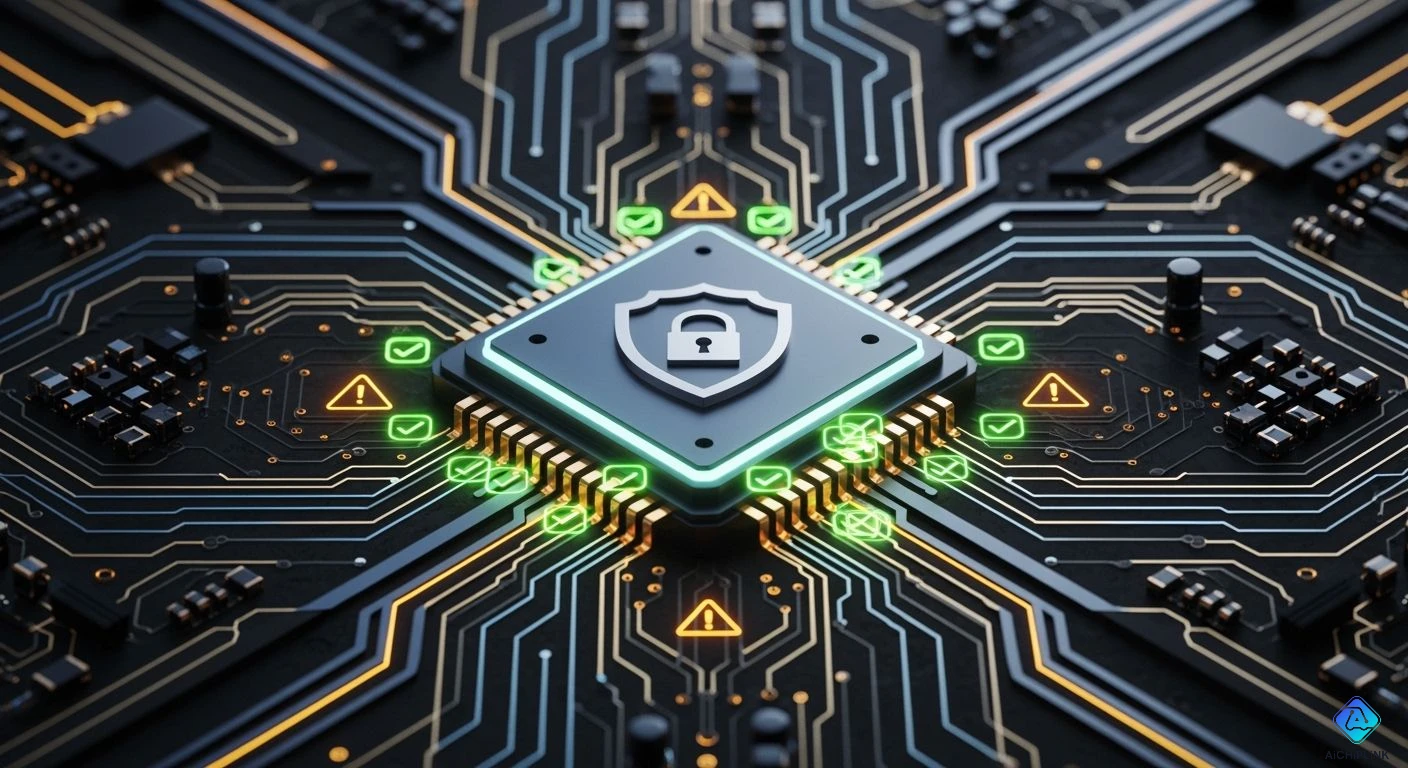
You count on functional safety when you use high-tech things in your car or medical devices. Functional safety makes sure a system does its safety jobs when needed. For example, it can turn off a motor if someone opens a guard door. Functional safety and cybersecurity work together to stop dangers from system mistakes. These features keep you, your devices, and your surroundings safe from harm. Functional safety and cybersecurity also help products follow tough safety rules. In many fields, functional safety and cybersecurity make things reliable and stop big failures. Functional Safety IC design starts with these goals, so you can trust the technology you use.
-
Functional safety and cybersecurity keep people, equipment, and places safe.
-
Functional safety and cybersecurity stop expensive changes and help meet rules like ISO 26262 and IEC 61508.
Key Takeaways
-
Functional safety makes sure devices do safety jobs right. It helps keep people and equipment safe from harm.
-
Combining functional safety and cybersecurity is very important. This stops failures and attacks. It helps technology work better and safer.
-
Knowing about safety integrity levels (SILs) shows how safe a system must be. This helps engineers make good choices when they design things.
-
Using strict rules like ISO 26262 and IEC 61508 is very important. These rules help companies follow laws and sell products for safety jobs.
-
Adding safety features like redundancy and diagnostic coverage in IC design makes things work better. It also keeps real-world systems safer and more reliable.
Functional Safety IC Basics
What Is Functional Safety?
You rely on functional safety every time you use a device that must protect you from harm. Functional safety means that a system will do its safety job when something goes wrong. In the world of integrated circuits, or ICs, this means the chip will detect problems and act to keep you safe. Functional safety and cybersecurity work together to stop both accidental failures and intentional attacks. You need both to trust your devices.
When you look at a functional safety ic, you see a chip designed to handle risks. The process starts by finding out what could go wrong. Engineers review the system and list all possible hazards. They then decide what safety functions the IC must perform. For example, a functional safety ic in a car might need to shut down the engine if it detects a dangerous fault.
You also need to know how much risk reduction each safety function must provide. This is where safety integrity levels, or SILs, come in. SILs help you measure how safe the system needs to be. Qualified engineers manage these tasks using strict standards. They check that the IC meets the right safety level by looking at how likely it is to fail and how much backup it has. Audits make sure the team follows the safety process from start to finish.
Tip: Functional safety and cybersecurity are not just about stopping failures. They also help products meet important rules like ISO 26262 for cars and IEC 61508 for general electronics.
Key Principles in IC Design
When you design a functional safety ic, you follow special rules that go beyond regular chip design. You want to make sure the IC can spot problems and react fast. Here are some key principles you should know:
-
Redundancy: You use dual-channel architecture. This means two separate parts of the IC check the same thing. If one fails, the other can still keep you safe.
-
Cross-fault detection: The IC watches both channels to make sure a short circuit does not defeat the safety system.
-
Diagnostic coverage: The IC runs automatic checks to find dangerous failures. This lets you reach higher safety levels with the same hardware.
-
Response time: You measure how quickly the IC can react to a problem. Fast response keeps you safe.
-
Validation and verification: You test every safety function. You check that the IC does what it should, even when faults happen.
You also see many special features in a functional safety ic. These features help the chip find and fix problems before they cause harm. Here is a table of common safety features you might find:
| Functional Safety Feature | Description |
|---|---|
| Checker core | Compares outputs to catch errors between main and backup cores. |
| Safe clock mechanism | Keeps the IC running safely if the main clock fails. |
| ECC implementation | Uses error correction codes to fix memory errors. |
| End-to-end ECC (E2EECC) | Checks data for errors as it moves through the system. |
| Self-test control unit | Runs tests at startup or shutdown to find hidden faults. |
You often see safety island architectures in modern ICs. These create separate areas on the chip for safety-critical tasks. If one part fails, the safety island can still do its job. You also find built-in self-test (BIST), error correcting code (ECC), and memory protection units (MPUs) in these chips. These tools help the IC check itself and protect your data.
Functional safety and cybersecurity go hand in hand. You need both to protect people, equipment, and the environment. When you use a functional safety ic, you get a chip that follows strict rules, uses smart design, and keeps you safe even when things go wrong.
Why Functional Safety Matters
Risks and Consequences
You use functional safety every time you use new electronics. Without it, things can break in ways that hurt people or damage things. If functional safety and cybersecurity are missing, there are dangers that are worse than just things not working right. Here are some problems that can happen if you do not have functional safety:
-
Whole systems can stop working and break equipment.
-
People can get hurt if problems are not found.
-
Mistakes in design or broken parts can cost a lot of money.
Functional safety and cybersecurity work together to stop these problems. You need both to feel sure your devices will keep you and your things safe. When you think about what can go wrong, you see why functional safety and cybersecurity are so important in your life.
| Type of Failure | Example of Consequence |
|---|---|
| Hardware Design Failure | Fuses put in wrong did not stop too much current |
| Module or PCB Component Failure | Bad soldering made some parts not work right |
| Integrated Circuit Component Failure | One IC part failed and caused a safety problem |
Functional safety and cybersecurity help you stay away from these bad and costly problems. You can feel safe knowing your safety systems are doing their job.
Safety-Critical Applications
You see functional safety and cybersecurity in many jobs that need strong safety. These areas use functional safety to keep people and machines safe:
-
Cars use functional safety ICs for ABS, power steering, and airbag sensors. These follow rules like ISO 26262 and IEC 61508.
-
Factories use functional safety and cybersecurity to keep machines safe.
-
Robots use functional safety ICs to make sure they do not hurt people.
-
Automotive ASICs help with driver-assist and brakes, making cars safer for all.
You can see that functional safety and cybersecurity are not just big words. They are safety tools that save lives, stop accidents, and make technology work well in real life.
Functional Safety Requirements and Risk Analysis
Identifying Safety Risks
You need to find safety risks early when working with integrated circuits. This helps you stop problems that could hurt people or break equipment. There are different ways to find these risks. Each way helps you see what might go wrong.
| Method | Description |
|---|---|
| Hazard Analysis | Finds possible sources of harm and checks how likely they are. |
| Risk Assessment | Measures how bad a hazard could be and how often it might happen. |
| FMEA (Failure Mode and Effects Analysis) | Looks at ways parts can fail and how those failures affect the system. |
| FTA (Fault Tree Analysis) | Uses diagrams to trace the causes of system failures from the top down. |
| Risk Matrices | Plots how serious harm is against how likely it is, so you can see which risks matter most. |
| Quantitative Analysis | Uses numbers and data to measure risk levels. |
| Qualitative Analysis | Uses expert opinions to sort risks into high, medium, or low. |
First, you make a list of all hazards in your IC. Next, you use risk assessment to find the most dangerous ones. A risk matrix helps you pick which risks to fix first. You also use FMEA and FTA to learn how things might break and what could happen.
Tip: Try to use more than one method. This gives you a better idea of the risks and helps you make safer choices.
You must also follow important standards. For example, ISO 26262 is for cars, and ISO 14971 is for medical devices. These rules show you how to handle risks and keep your products safe.
Meeting Functional Safety Requirements
You have to meet strict functional safety requirements to keep people and equipment safe. These rules tell you what your chip must do if something goes wrong. First, you figure out what safety jobs your IC needs to do. Then, you decide how much each job must lower the risk.
Here are the main types of functional safety requirements you will see:
| Safety Requirement Type | Description |
|---|---|
| Safety Design | You design the IC to fully meet standards like ISO 26262, so it is ready for safety use. |
| Safety Support | You add features that help the IC fit into safety systems, even if it is not a full safety IC. |
| Work Products | You create documents like hardware safety requirements, interface specs, failure rates, and FMEDA reports. |
You should think about functional safety from the start of your design. If you wait, you might miss risks or have trouble adding safety features. Use functional safety services for risk checks, design reviews, and testing. These services help you at every step and make sure you do not miss anything.
Here is a simple process for risk analysis and meeting functional safety requirements:
-
List all hazards in your IC.
-
Check the risks for each hazard.
-
Use a risk matrix to pick which risks to fix.
-
Decide what safety jobs your IC needs.
-
Figure out how much risk each job must lower.
-
Use functional safety services to check your work and improve your design.
-
Write down everything for safety checks and audits.
You also need to think about functional safety and cybersecurity together. Both protect your IC from different dangers. Use functional safety services to make sure your chip can handle both mistakes and attacks. This helps you pass safety checks and follow all the rules.
Note: If you add safety from the start, you save time and money. You also make your ICs more reliable and trusted by users.
Functional safety and cybersecurity are not just extra steps. They are important for making safe, reliable technology. When you use functional safety services and follow the right steps, you protect people, equipment, and your business.
Functional Safety Standards and Certification
Key Functional Safety Standards (ISO 26262, IEC 61508)
It is important to know the main functional safety standards. These rules help you make sure your products are safe. The most important standards are:
-
ISO 26262: This rule is for cars, trucks, and other vehicles.
-
IEC 61508: You use this rule for electronics in many industries.
-
IEC 62061: This rule is for safety in machines that use control systems.
-
ISO 13849-1: You use this rule for safety in machine controls.
-
DO-178C: This rule is for software used in airplanes.
-
EN 50126, EN 50128, EN 50129: These rules are for trains and railway systems.
You follow these standards to keep people and equipment safe. Using the right standard helps you follow the rules for your industry. It also makes it easier to sell your products in more places.
Functional Safety Certification Process
You need certification to show your ICs are safe. The process checks if you follow all the steps in the standards. First, you design your IC with safety in mind. Then, you test your design and look for risks. You write down what you do at each step. After that, a group outside your company checks your work. If you pass, you get certified.
Here is why certification is important:
| Evidence Type | Description |
|---|---|
| Compliance Risks | If you do not follow the rules, you might have delays or recalls. Your reputation could get hurt. |
| Market Access | Some places will not let you sell products without certification. |
| Customer Trust | Customers want proof that your product is certified. |
| Insurance Compliance | Insurance companies may want to see certification before they cover your product. |
| Operational Safety | Certification shows your system can stay safe if something goes wrong. |
You need both functional safety and cybersecurity. Some places require certification by law. If you do not get certified, you may not be able to sell your products. You could also lose money. Functional safety and cybersecurity help you follow the law and build trust with customers.
Tip: Think about functional safety and cybersecurity early. This makes it easier to get certified and saves you money later.
Real-World Functional Safety IC Applications
Automotive Systems
When you ride in a new car, functional safety is at work. Many car systems use special chips to keep you safe. These chips look for problems and help the car act fast. Functional safety and cybersecurity work together in these systems. They help stop accidents and block attacks.
Here are some examples of functional safety integrated circuits used in cars:
| IC Type | Application Description |
|---|---|
| Voltage Detector | Watches for power problems and warns if the voltage is too high or low. |
| Watchdog Timer | Checks if the main computer is running right and warns if it stops. |
| Lithium-ion Battery Protection ICs | Monitors electric car batteries for overcharging or draining too much. |
| Magnetic Sensor ICs | Tracks door and seat positions to keep you safe. |
| Timer IC | Regularly checks sensors to make sure they work. |
| EEPROM | Stores important data like settings and logs. |
Some cars use advanced processors, like the i.MX 95. These chips follow strict safety rules. They have a safety area that works by itself. This keeps safety jobs running if other parts fail.
Functional safety integrated circuits help car systems work right. If something goes wrong, the system fails in a safe way. Sensors can find dangers and help the car avoid crashes. If a problem happens, fail-safe systems take over and protect you.
Tip: Cars need both functional safety and cybersecurity. They help stop mistakes and attacks. This keeps you and your car safe.
Industrial and Medical Devices
Factories and hospitals also use functional safety and cybersecurity. These places use chips to protect people and equipment. In factories, chips help machines stop safely if something breaks. They also keep robots from hurting workers.
In medical devices, circuit protection is very important. It helps devices work right and stops failures that could give wrong readings. You need to plan for circuit protection from the start. This keeps patients safe and makes devices more reliable. If you do not protect against static electricity, patients could get hurt.
Functional safety and cybersecurity work together in these devices. They make sure mistakes and attacks do not cause harm. You can trust these systems to keep working, even when things get tough.
-
Functional safety helps machines and devices work safely.
-
Functional safety and cybersecurity protect people, data, and equipment.
-
You get more reliable technology that you can trust every day.
You notice how important functional safety is when you use new technology. Functional safety and cybersecurity help you trust your devices to work right, even if something goes wrong. These ideas make sure systems do what they should and keep people safe. If you follow functional safety standards, you lower risks and make things work better. Functional safety and cybersecurity also help you follow rules and get ready for checks. As systems get harder to build, you still need to focus on functional safety and cybersecurity. This helps people come up with new ideas and make things work better. You help make technology safer and more reliable for everyone.

Written by Jack Elliott from AIChipLink.
AIChipLink, one of the fastest-growing global independent electronic components distributors in the world, offers millions of products from thousands of manufacturers, and many of our in-stock parts is available to ship same day.
We mainly source and distribute integrated circuit (IC) products of brands such as Broadcom, Microchip, Texas Instruments, Infineon, NXP, Analog Devices, Qualcomm, Intel, etc., which are widely used in communication & network, telecom, industrial control, new energy and automotive electronics.
Empowered by AI, Linked to the Future. Get started on AIChipLink and submit your RFQ online today!
Frequently Asked Questions
What does functional safety mean in electronics?
Functional safety helps electronic systems keep you safe. If something goes wrong, the system will try to protect you.
Why do integrated circuits need safety features?
Safety features stop failures from hurting people or things. These features help devices stay safe, even if a part stops working.
How do you test safety functionality in ICs?
You check safety by doing tests and self-checks. These tests find problems early. This helps you trust your device to act safely.
What happens if you skip functional safety steps?
Skipping these steps can cause accidents or broken equipment. You might also break rules and lose people’s trust.