Why Is MLCC Demand Rising?
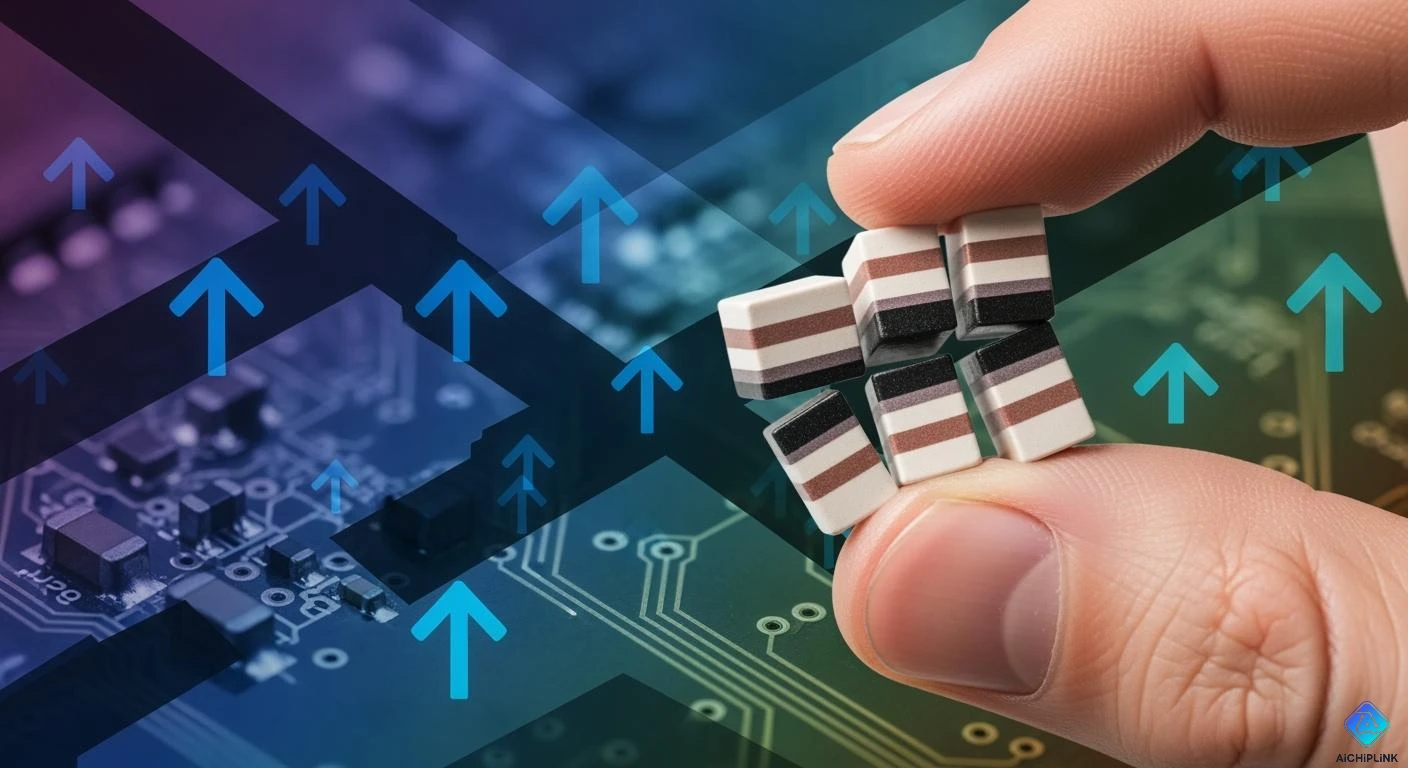
You see mlcc demand going up because industries use more electronics each year.
-
The global mlcc market was USD 23.90 billion in 2025. It could grow to USD 49.32 billion by 2033.
-
MLCCs help power electric cars, 5G networks, AI servers, and iot devices.
-
MLCCs make battery systems, high-frequency circuits, and smart device connections work.
You notice strong demand and steady growth as advanced uses become common.
Key Takeaways
- MLCC demand is going up because more things use them. Electric vehicles, 5G networks, AI servers, and IoT devices all need MLCCs. Smaller and smarter electronics need even more MLCCs. Smartphones and wearables use MLCCs for energy storage and signal filtering. Supply chain problems make it harder to get MLCCs. There are not enough raw materials. This makes MLCC prices and wait times go up everywhere. New technology helps MLCCs get smaller and hold more charge. This makes MLCCs very important for new devices. In the future, renewable energy, self-driving cars, and robots will need more MLCCs too. This will make MLCC demand grow even more.
Industry Drivers of MLCC Demand
Automotive Electronics
The car industry is making more MLCCs needed. Electric vehicles and advanced driver-assistance systems use more electronics than old cars. This means new cars have more MLCCs inside them.
-
Electric vehicles and ADAS need MLCCs that work well and last long.
-
More electric vehicles means more complicated electronics, so MLCCs are needed more.
-
ADAS needs capacitors that are strong and stay good for a long time.
People want more electric and hybrid cars, so car electronics get better. Safety laws make car makers use good parts, which makes MLCC demand go up. The chip shortage made companies pick better parts, so the market grows. New battery-electric cars can have over 10,000 MLCCs, which is a lot more than old cars.
Consumer Devices
You use things like smartphones, laptops, and wearables every day. These devices help MLCC sales grow. The market for these electronics could grow by about 4.69% each year from 2025 to 2035. This happens because people want smaller and smarter devices with new features.
Smaller devices need more MLCCs inside them. In smartphones and other small electronics, tiny circuit boards let more MLCCs fit. The newest phones can have thousands of MLCCs for storing energy, filtering, and signals.
-
Making electronics smaller means each device uses more MLCCs.
-
Phones and small devices use more MLCCs as they get tinier.
-
Cars also use more MLCCs, especially electric ones.
Industrial & Medical
MLCCs are used in many machines and medical tools. Factories, hospitals, and even the military need these parts to work well and last. More iot in factories means they need better and smaller MLCCs.
The table below shows how medical devices help the market grow:
| Application | Projected Growth Rate (CAGR) | Market Size (2026) | Market Size (2031) |
|---|---|---|---|
| Medical Devices | 12.62% | USD 1.49 Billion | USD 2.69 Billion |
MLCCs are found in control systems, factory machines, and green energy systems. These need capacitors that can handle heat and tough places. In medical tools, MLCCs help with power, filtering, and blocking bad signals. Rules like ISO 13485 and IEC 60601 make sure parts are safe and can be tracked, so companies pick suppliers who can prove their parts are good.
When factories use more iot, they need MLCCs that are small, save energy, and work in heat. This helps new electronics in many areas.
AI servers and cloud computers also use more MLCCs with high capacitance. AI servers can use 10 to 15 times more MLCCs than normal servers. These servers need good power and special converters. The need for high-capacitance MLCCs is growing fast, from 72.6 billion units in 2026 to 136.7 billion units in 2027.
MLCC demand is going up in cars, electronics, factories, and hospitals. Electric cars, smartphones, iot, and AI servers all help this trend. In the future, the market will keep growing as new tech comes out.
Technological Trends in MLCC
Miniaturization & Capacitance
Electronics get smaller and smarter every year. MLCCs are important for this change. Companies make MLCCs smaller but give them more capacitance. This lets you use tiny devices like wearables and smartphones. New materials help MLCCs work better in high-frequency circuits. You get devices that last longer and are better for the environment.
| Trend | Description |
|---|---|
| Higher Capacitance in Smaller Packages | MLCCs are made in smaller sizes, like 01005, but can hold more charge. This is important for small devices like wearables. |
| Improved Materials | Using low-loss dielectrics makes MLCCs work better for high-frequency uses, like 5G and 6G. |
| Enhanced Reliability | Meeting AEC-Q200 rules for cars means MLCCs work well in tough places. |
| Sustainability | Lead-free and RoHS designs help make MLCCs safer for the planet. |
MLCC demand goes up as devices get smaller. Companies use new dielectric materials to fit more charge in tiny MLCCs. This helps make electronics even smaller. MLCCs give steady power and less noise in high-frequency circuits. Factories use better ways to put MLCCs on boards and make them faster.
The main problems with making MLCCs smaller are their structure and shrinking during heating. Companies fix these problems with new technology, teamwork, and better materials.
5G Expansion
You get faster internet and better phone calls because of 5G. MLCCs help by handling fast signals and stopping interference. Each 5G phone uses about 800 to 1000 MLCCs. This is a lot more than old phones. MLCC demand grows as 5G spreads around the world.
| Metric | Value |
|---|---|
| CAGR (2025-2035) | 12.9% |
| Projected Market Size (2035) | 44.55 billion USD |
| Key Drivers | More people use smartphones and 5G is growing fast. |
-
5G needs MLCCs with more capacitance for new features.
-
Small parts are needed to fit more things in tiny devices.
-
5G devices use more MLCCs because they do more jobs.
MLCCs give steady power and clear signals in 5G networks. More people use 5G, so companies make better MLCCs for phones, base stations, and IoT devices. Companies keep making new MLCCs to help you stay connected and fast.
Market Dynamics Affecting MLCC Demand
Supply Chain Challenges
Supply chain problems change the global mlcc market. Many things cause supply to be tight. Geopolitical issues in Europe make it hard to get metals like palladium and nickel. These metals are needed for mlccs. When supply chain problems happen, metal prices go up. Both cars and mlccs need palladium, so there is more competition.
-
Suppliers send more mlccs to consumer electronics, so lead times get longer.
-
Companies such as Apple and Tesla want more mlccs, which strains the market.
-
Manufacturers do not make more mlccs because profits are low.
Shortages happen when demand for smartphones and cars goes up. Some suppliers say you have to wait up to 40 weeks. Manufacturers do not make more mlccs fast because they worry about low profits and fake parts. Companies focus on markets that make the most money and pick certain mlcc sizes. They only invest in new capacity if it makes sense for their business.
Barium titanate feedstocks must be controlled carefully. Only a few Asian vendors have the right material. Environmental rules slow down new capacity, so lead times get longer. Utilities want dual sourcing, but matching powder quality is hard.
You can fix supply chain problems by redesigning systems to use smaller, higher-density mlccs. Some companies try other options like tantalum or polymer capacitors. Redesigning old systems saves board space and uses fewer parts.
Pricing & Lead Times
Prices go up and lead times get longer in the mlcc market. There are only a few manufacturers, so capacity is limited. Only 10-12 companies make mlccs worldwide, and they work at full speed. The automotive industry and IoT make demand higher.
-
Since 2025, AI hardware needs more mlccs, so prices rise.
-
Ceramic shortages in the EU make prices go up and waits longer.
-
Murata sets new prices for mlcc products.
Manufacturers build new facilities and buy equipment to meet demand. Supply and prices change by region. Asia-Pacific, including China, Japan, and South Korea, makes most mlccs. This region has over 60% of the market share and lower costs. Non-Asian makers have longer lead times and more risks.
| Region | Market Share | Lead Time Impact | Pricing Trend |
|---|---|---|---|
| Asia-Pacific | 60%+ | Shorter | Competitive |
| EU/North America | <40% | Longer | Higher, volatile |
Raw material costs, like palladium and nickel, change global mlcc prices. Currency changes between yen and dollar make it hard to predict prices. When prices go up, some companies use polymer capacitors for power systems. The current shortage of parts is the worst ever, caused by AI hardware demand.
Future Outlook for MLCC
Growth Areas
MLCC demand will keep growing as technology gets better. Many industries want electronics that are smarter and more reliable. MLCCs help power new things like renewable energy, self-driving cars, and advanced robots. The table below shows how MLCCs are used in these areas:
| Growth Area | Application |
|---|---|
| Renewable Energy | High-capacitance, high-voltage MLCCs help power inverters, grid stabilization, and energy storage. |
| Autonomous Vehicles | MLCCs are used in power electronics, battery management, and inverter modules in electric cars. |
| Advanced Robotics | MLCCs support strong electronic control units for better performance and reliability. |
These sectors will grow fast, with double-digit increases. MLCC makers spend money on research to make better ceramic dielectrics. These new materials can handle more voltage and heat. MLCCs are found in smart factories, airplanes, and defense equipment. Some companies make MLCCs that do many jobs, like filtering, storing energy, or sensing changes. Many focus on green manufacturing, using less energy and fewer harmful materials. Samsung Electro-Mechanics leads by getting carbon and water footprint certifications.
Government rules also change the market. Tax breaks and special zones help companies build new factories. For example, India’s Production Linked Incentive scheme supports local MLCC production. These steps help local suppliers and make the supply chain stronger.
Challenges
There are some problems as MLCC demand goes up. Environmental rules can slow down production and make costs higher. Supply chain problems cause shortages of raw materials. Geopolitical issues and trade rules make the market less certain. Companies must watch inflation and how people spend money. Good forecasting helps set the right prices.
Making MLCCs uses a lot of energy and raw materials. The calcination process needs more power and can hurt the environment. Leading companies try to lower emissions and use renewable energy like solar and geothermal power. Making MLCCs smaller helps cut waste and reduce harm.
You should pay attention to new rules and supply chain risks. The MLCC industry must keep improving to meet future demand and stay sustainable.
You notice mlcc demand is going up for many reasons. AI and new ways to make things change the market. More people buy electronics and electric cars now. Devices are getting smaller, and there are more green energy projects. Better semiconductors and new customer needs also matter. You should keep an eye on the market for new uses and supply chain news. High material costs and quick tech changes can make mlcc prices and supply go up and down. If you pay attention, you will know where the mlcc industry is going.

Written by Jack Elliott from AIChipLink.
AIChipLink, one of the fastest-growing global independent electronic components distributors in the world, offers millions of products from thousands of manufacturers, and many of our in-stock parts is available to ship same day.
We mainly source and distribute integrated circuit (IC) products of brands such as Broadcom, Microchip, Texas Instruments, Infineon, NXP, Analog Devices, Qualcomm, Intel, etc., which are widely used in communication & network, telecom, industrial control, new energy and automotive electronics.
Empowered by AI, Linked to the Future. Get started on AIChipLink and submit your RFQ online today!
Frequently Asked Questions
What is an MLCC and why do you need it?
An MLCC is a multilayer ceramic capacitor. It stores and releases energy in electronic circuits. MLCCs help your devices work well. They filter signals and keep voltage steady.
How does 5G technology affect MLCC demand?
5G phones and networks need more MLCCs than old systems. 5G devices use extra parts for faster data and stronger signals. This makes more people want MLCCs.
Why do electric vehicles use so many MLCCs?
Electric vehicles have lots of electronics for safety, power, and control. Each car can have thousands of MLCCs inside. MLCCs help manage batteries and special features.
Can you replace MLCCs with other types of capacitors?
You can use other capacitors, like tantalum or polymer, sometimes. But MLCCs work better for size, cost, and reliability in most electronics today.