SiC Power Devices: Domestic vs International
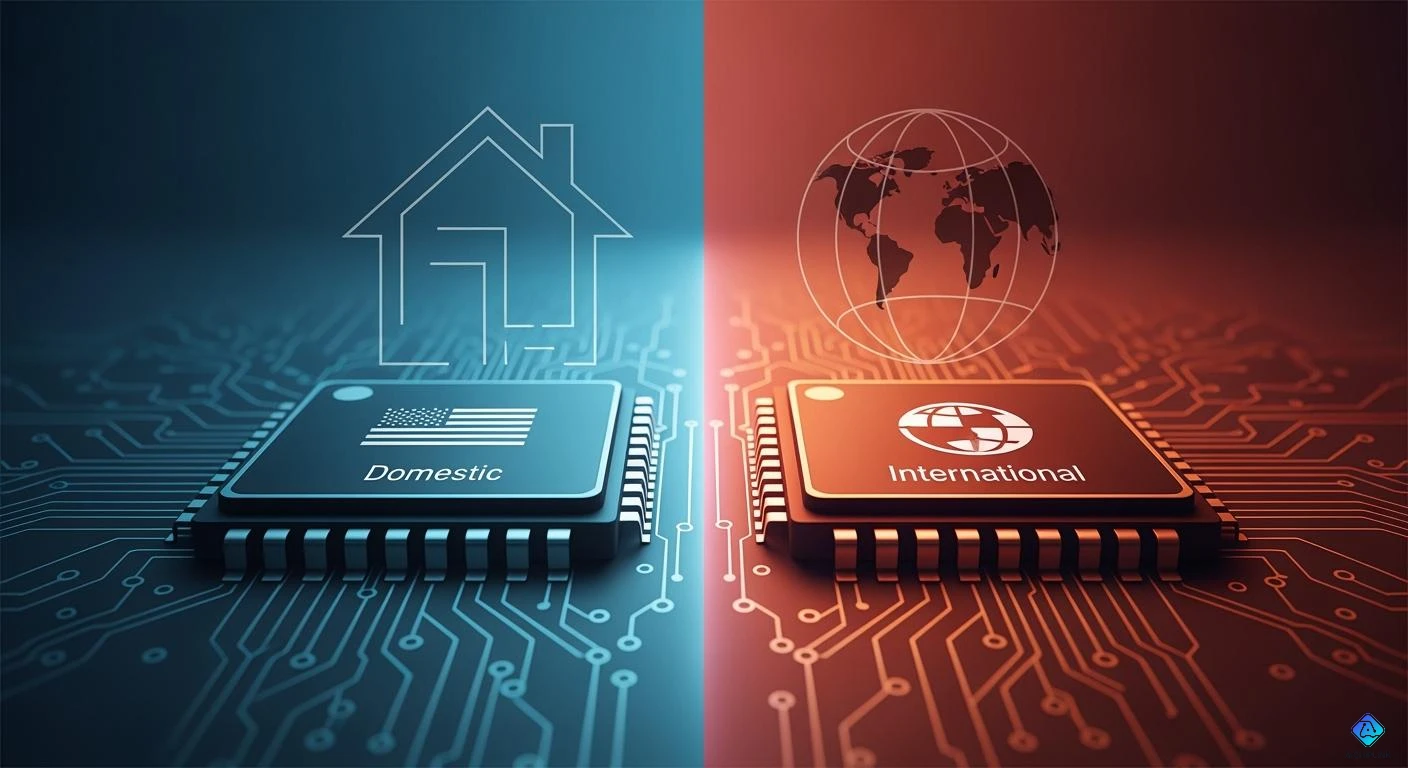
You can see big differences between domestic and international SiC Power Devices. Domestic devices are made in the country. They focus on strong supply chains and green ideas. International devices use supply chains from many countries. They have different kinds of new technology. The market is growing fast everywhere.
-
The global market might reach USD 26.13 billion by 2034. It is growing at a CAGR of 24.3%.
-
The U.S. market could be USD 0.77 billion in 2026. Europe could be USD 1.00 billion. China could be USD 0.48 billion. Japan could be USD 0.36 billion.
| Aspect | Domestic SiC Devices | International SiC Devices |
|---|---|---|
| Manufacturing Trends | Made locally, strong supply chains | Supply chains from many places, different rules |
| Advancements | Green and energy-saving ideas | Many new ideas from different places |
| Market Demand | Local needs are most important | Needs from all over the world matter |
| Cost Competitiveness | Tries to lower costs | Prices change because of world competition |
Key Takeaways
-
Domestic SiC devices have strong supply chains. They focus on being sustainable. This helps make sure local production is reliable.
-
International SiC devices use many kinds of technology. They have global supply chains. These devices give new and creative solutions.
-
SiC power devices work better than silicon. They are more efficient. They can handle higher voltages. They also help lower energy loss.
-
The SiC market is growing very fast. Experts think it will reach USD 26.13 billion by 2034. This is because more people want electric vehicles and renewable energy.
-
You should pick domestic or international SiC devices based on your needs. Choose what is best for supply stability or the newest technology.
What Are SiC Power Devices?
Silicon Carbide Basics
You might ask why silicon carbide is important in power electronics. Silicon carbide, or SiC, is a special material with unique features. It is different from regular silicon in many ways. SiC has some advantages over silicon. Look at the table below to see these differences:
| Property | Description |
|---|---|
| Wide Bandgap | 4H-SiC has a bandgap of 3.26 eV. This is much higher than silicon's 1.12 eV. It means SiC can handle higher voltages. |
| Thermal Conductivity | SiC's thermal conductivity is about three times more than silicon. It works well when it gets hot. |
| Carrier Transport Properties | 4H-SiC lets electrons move fast, twice as fast as silicon. This helps devices switch quickly. |
| Critical Breakdown Field Strength | SiC's breakdown strength is 7-10 times higher than silicon. You can use thinner layers and more doping. |
| Mechanical Strength | SiC is very strong. It stays reliable even in tough places. |
These features make SiC great for power devices. You get better performance and more reliability.
SiC Devices in Power Electronics
SiC devices are used in many power electronics systems. They help control and change electricity more easily. SiC power devices work better than silicon devices in many ways. Here is a comparison:
| Characteristic | SiC Devices | Silicon Devices |
|---|---|---|
| Leakage Currents | Lower leakage currents | Higher leakage currents |
| Critical Breakdown Strength | Higher voltage strength | Lower voltage strength |
| Thermal Conductivity | Higher thermal conductivity | Lower thermal conductivity |
| Switching Frequency | Higher frequencies | Limited frequencies |
| Conducting Losses | Lower conducting losses | Higher conducting losses |
| Reverse Recovery Voltage | Much lower | Higher |
You can find SiC devices in electric cars, solar inverters, and machines. These devices help save energy and reduce heat. They are good for places that need high power and fast switching. SiC power devices make power electronics smaller, lighter, and more efficient.
SiC Power Devices Comparison
Domestic vs International Manufacturing
When you compare how SiC power devices are made, you see big differences. Domestic companies usually make their products in their own country. They want to control every step, from making silicon carbide crystals to building the final device. Wolfspeed is a good example. They lead in wafer supply and do vertical integration. This means they handle everything, from raw materials to finished SiC devices.
International companies like ST, Infineon, and Onsemi also use vertical integration. They quickly use new technology, such as moving from 150 mm to 200 mm wafer sizes. This change helps lower costs and makes production faster. Growing a silicon carbide boule takes weeks and needs special tools. Even with better yields, it is hard to meet the fast demand for SiC devices.
Many companies try to make SiC power device production better for the environment. They want to lower greenhouse gas emissions, so they change how they make things. But making SiC devices uses a lot of energy. This makes it hard to be sustainable.
Domestic producers have some tough problems. Costs are high because they need special tools and many steps. Getting pure raw materials is not easy. Technical problems, like defect density and making bigger wafers, can hurt yield and performance.
Supply Chain Differences
The supply chain for SiC power devices is different in each place. In the U.S., there is a strong supply chain. It helps markets like electric vehicles and renewable energy grow. Canada works on clean energy and sustainable mobility. The government helps build its semiconductor industry. Europe, especially Germany, leads in making electric cars. China grows its SiC industry fast with government support and a strong local market.
Local market needs and government rules shape each supply chain. Domestic companies may need to import substrates. This can make costs higher and cause delays. International producers have more choices for getting materials and making more products. This shows how supply chain strength and flexibility can help SiC devices succeed in the global power market.
Performance Comparison
ON Resistance and Efficiency
ON resistance is important in SiC power devices. It is the resistance when the device is on. Lower ON resistance means less heat is made. This helps the device use energy better.
-
For 1 kV-class SiC MOSFETs, channel resistance is a big part of ON resistance.
-
In 600 V devices, about 69% of ON resistance comes from the channel.
-
In 1,200 V devices, the channel is about 58% of ON resistance.
-
If you make channel mobility better, ON resistance goes down and efficiency goes up.
You can see how different devices work in real life:
| Device Type | FOM Comparison | Application Type |
|---|---|---|
| Device 1 | 1.5x better | Soft-switching |
| Device 3 | Nearly 3x higher | High-current scenarios |
| Device 2 | Similar | Hard-switched converters |
SiC devices with lower ON resistance work more efficiently. They make less heat and give more power to your device. Some international devices do better in soft-switching and high-current jobs. Domestic devices are just as good in hard-switched converters.
Thermal Conductivity
Thermal conductivity shows how well a material moves heat away. SiC has much better thermal conductivity than silicon. This makes SiC devices good for high-power jobs.
| SiC Polytype | Thermal Conductivity (W m-1K-1) |
|---|---|
| 3C-SiC | > 500 |
| 4H-SiC | 348 |
| 6H-SiC | 325 |
4H-SiC is the most used type in power devices. Its thermal conductivity is 348 W m-1K-1. This is about three times more than silicon. So, SiC devices can handle more power and not get too hot.
-
Higher thermal conductivity helps move heat away faster.
-
SiC devices work in very hot places, even above 500 °C.
-
These devices can carry more current and not overheat.
-
You need less cooling, so you save space and energy.
SiC power devices last longer and are more reliable. This is important for electric cars, solar inverters, and other big power uses.
Environmental Impact
Many people and companies care about the environment. SiC power devices help save energy because they waste less as heat. This means you use less electricity for the same job. Using less energy helps lower greenhouse gas emissions.
Many makers try to use green ideas in their factories. They want to make less waste and use clean energy. Making SiC devices uses a lot of energy, but the devices help save energy later. When you pick SiC devices, you help the planet.
Reliability and Standardization
Quality Control
You want your power modules to work well for a long time. Quality control helps make sic power modules more reliable. Makers use special steps to lower defects in sic power modules. These steps are used in both domestic and international factories.
-
Annealing fixes problems in sic wafers.
-
Surface polishing makes wafers smooth for better modules.
-
Defect-selective etching removes tiny flaws that cause failures.
These steps help fix common defects in sic wafers. Power modules made this way perform better and last longer. You can trust them to work in electric cars, solar systems, and other power jobs.
Japan has strict rules for sic power modules. Their factories use strong quality control. They focus on safety and protecting the environment. They also follow trade policies to give you safe and reliable modules.
Certification and Testing
You need to know your sic power modules meet high standards. Certification and testing help check the quality of your modules. Domestic and international makers use different tests to make sure modules work as promised.
| Test Type | What It Checks | Why It Matters |
|---|---|---|
| Electrical Testing | Voltage, current, switching | Makes sure modules work |
| Thermal Testing | Heat handling | Stops overheating |
| Reliability Testing | Long-term use | Checks modules last |
| Safety Testing | Product safety | Keeps users and equipment safe |
Factories around the world use these tests. Certification shows your sic power modules meet industry standards. When you buy certified modules, you feel confident. You know your modules will work well and stay safe.
Tip: Always ask for certified sic power modules. You get better reliability and support for your power needs.
Cost and Commercial Factors
Pricing Trends
Prices for sic power devices have changed a lot in five years. New wafer technology helps lower the cost per die by up to 40%. The price difference between sic and silicon devices is getting smaller. Right now, sic devices cost three to five times more than silicon. By 2030, experts think this gap will be only one and a half to two times. More companies want sic devices for electric cars and green energy. This makes prices go down. But sic devices still cost more at first because wafers and special steps are expensive. Some companies find it hard to buy sic power devices if they need a lot.
Availability
You want to know if you can get sic power devices when you need them. Many things affect if you can buy them. Domestic suppliers build new factories and use better wafer processing. They want strong supply chains and try to stop problems from around the world. Government programs help local companies make more devices. National security is also a reason for making more at home. International suppliers have more choices but can have delays from supply chain problems.
| Factor | Description |
|---|---|
| Manufacturing Capacity | Building more factories and using better wafer processing to make more at home. |
| Supply Chain Stability | Making more at home helps stop problems from other countries. |
| Government Incentives | Money from the government helps companies build factories at home. |
| Geopolitical Considerations | Worries about safety make countries want to make their own sic devices. |
-
North America wants to make more sic power semiconductors at home.
-
Government money is important for building new factories.
-
Companies want to depend less on other countries for sic power devices.
After-Sales Support
After you buy sic power devices, you need good help. Domestic suppliers usually answer faster and are easier to talk to. You get quick answers to questions and help with warranties. International suppliers may have more service places, but you might wait longer or have trouble with language. Good after-sales help keeps your power systems working well. Always check what kind of help you get before you buy.
Tip: Ask about warranty, technical help, and how to get replacements when you buy sic power devices. Good help can save you time and money.
Market Trends for SiC Devices
Global Market Growth
The market for sic power devices is growing fast. Experts think it will grow between 19% and 27% each year for five years. This is because more people want 800V electric cars. There are also more big renewable energy projects. Factories need better ways to change power. Different parts of the world help this growth.
| Region | Market Share | Key Drivers |
|---|---|---|
| North America | 34% | Innovation, electric vehicles, renewable energy, government initiatives, defense sector demand. |
| China | N/A | Government initiatives, electric vehicle manufacturing, energy efficiency focus. |
| Europe | 27% | Electrification policies, sustainability goals, regulatory frameworks, innovation in power electronics. |
-
North America is ahead because of new ideas and help from the government.
-
China works hard on making electric cars and saving energy.
-
Europe wants more electric things and cares about the environment.
Technological Advancements
New changes in sic power devices help you a lot. Companies made M3e SiC MOSFETs with very low on-resistance. This means less power is wasted and more power gets through. EliteSiC devices use special die technology for high-voltage jobs. New ways to package these devices help them stay cool and use more power in a small space. These updates let you use sic in more places. They also help save energy and keep things cleaner.
-
SiC power devices now help make energy use better and greener.
-
More research and money help sic devices work in more ways.
Policy and Trade Impacts
Many governments help sic technology grow. They give tax breaks, money, and grants for research and making devices. The EU’s Chips Act and China’s “Made in China 2025” help local companies make more. The USA’s CHIPS Act helps make more at home and stops some exports to China. Tariffs and trade rules make prices go up and wait times longer. Companies now spend more on local supply chains and sign long-term deals to get sic power devices when they need them.
Note: Changes in government rules and trade can change how fast you get sic power devices and what they cost.
Applications of SiC Power Devices
Domestic Use Cases
SiC power devices are used in many places in the country. They help save energy and make things work better. Electric vehicles use SiC a lot. You see SiC in cars, charging stations, and batteries. Renewable energy is another big area. Solar panels and wind turbines use SiC to make power conversion easier. Factories use SiC for automation and motor drives. Smart appliances and home systems use SiC too. Telecommunications use SiC to make signals stronger and waste less energy.
Here is a table showing the main sectors for domestic markets:
| Application Sector |
|---|
| Electric Vehicles |
| Renewable Energy |
| Industrial |
| Consumer Electronics |
| Telecommunications |
Automotive use is growing fast. There is a 28% rate for SiC in 800V platform vehicles. Chinese companies like Silan Microelectronics and BYD Semiconductor are getting bigger shares quickly. StarPower Semiconductor has an 18% share in automotive-grade IGBT modules. They earn more money from SiC business now. These numbers show strong competition and fast growth in domestic uses.
International Use Cases
International markets use SiC in many advanced ways. Electric vehicles in other countries use SiC in powertrains for better performance. Renewable energy systems use SiC in solar PV inverters and wind turbine converters. This helps connect to the grid. Industrial motor drives use SiC for high-power jobs and saving energy. Data centers use SiC for power management in big operations.
Compare international and domestic uses in the table below:
| Application Area | International Use Cases | Domestic Applications |
|---|---|---|
| Electric Vehicles | Used in powertrains for better efficiency and performance | Used in consumer EVs and local charging |
| Renewable Energy Systems | Used in solar PV inverters and wind turbine converters for grid connection | Used for local energy solutions |
| Industrial Motor Drives | Used in high-power jobs for energy savings in factories | Used for smaller automation solutions |
| Data Centers | Used for power management in big data operations | Used in consumer electronics and home systems |
SiC power devices help both domestic and international markets. They are used in cars, factories, and data centers. You get better efficiency and reliability in your daily life.
When you look at domestic and international sic power devices, you notice big differences. Domestic devices help you get a steady supply. International devices have newer technology. Think about these facts:
-
Sic devices can lower switching losses by 70%. They also cut on-state resistance by 85%.
-
Using 8-inch wafers can make each die cost 40% less.
-
Sic wafers are much pricier than silicon. So, use them for important jobs.
-
More people want sic, especially for electric cars.
-
The sic market will grow. This means more choices and better prices.
Pick domestic sic if you want steady supply. Pick international sic if you want the newest technology. The market is changing fast, so keep an eye on it.

Written by Jack Elliott from AIChipLink.
AIChipLink, one of the fastest-growing global independent electronic components distributors in the world, offers millions of products from thousands of manufacturers, and many of our in-stock parts is available to ship same day.
We mainly source and distribute integrated circuit (IC) products of brands such as Broadcom, Microchip, Texas Instruments, Infineon, NXP, Analog Devices, Qualcomm, Intel, etc., which are widely used in communication & network, telecom, industrial control, new energy and automotive electronics.
Empowered by AI, Linked to the Future. Get started on AIChipLink and submit your RFQ online today!
Frequently Asked Questions
What makes SiC power devices better than silicon ones?
You get better performance with sic power devices. They handle more heat and higher voltages. You also see less energy loss. This means your high power switches work longer and use less electricity.
Where do you use SiC in daily life?
You find sic in electric cars, solar panels, and trains. Many factories use sic for power conversion equipment. These devices help save energy and make machines run smoother.
Are SiC devices safe for the environment?
Yes, sic devices help the environment. They waste less energy as heat. You use less electricity, which lowers pollution. Many companies also use green methods to make sic.
Why do SiC devices cost more?
You pay more for sic because making them is hard. The materials and tools cost a lot. As more people use sic, prices will go down.
How do you pick the right SiC device?
You should check your needs first. Look at voltage, current, and where you will use the device. Sic works best for jobs that need strong, fast, and reliable power.