How to Select the Right Energy Storage: Supercapacitors vs Batteries
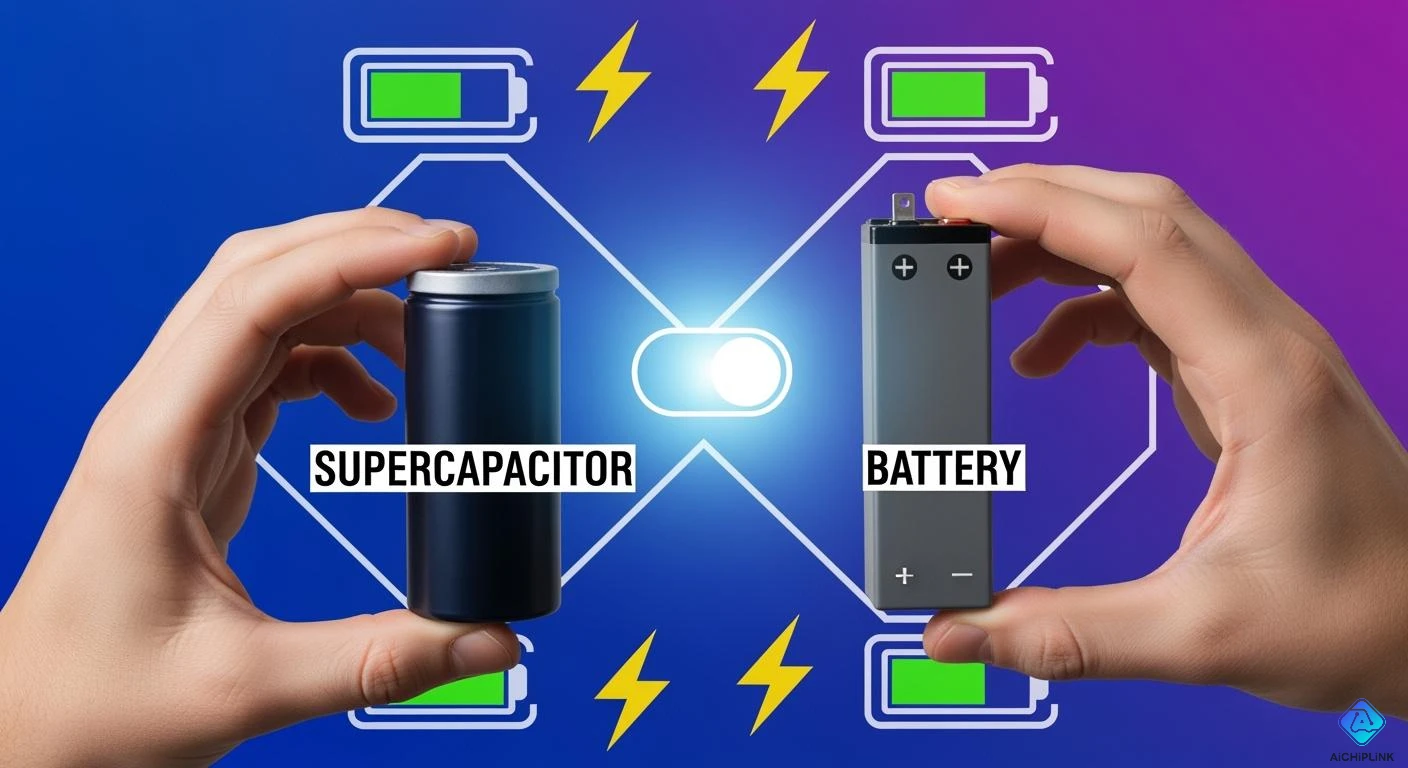
When you compare supercapacitors vs batteries, it's clear that neither option is universally superior. The ideal choice hinges on the specific requirements of your project. If your design demands quick power bursts or frequent charging and discharging cycles, supercapacitors may be the better fit. On the other hand, batteries excel when you need to store larger amounts of energy for extended periods. Many industries favor supercapacitors due to their rapid charging capabilities and their ability to enhance device longevity. Meanwhile, batteries continue to gain popularity as they improve in performance and decrease in cost. Selecting the appropriate energy storage solution is crucial for optimizing your project's efficiency and cost-effectiveness.
Key Takeaways
-
Supercapacitors work well for quick power bursts and fast charging. They are good for things that need a fast response.
-
Batteries are best for holding lots of energy for a long time. This makes them good for things that need steady power.
-
Think about what your system needs. Use supercapacitors for short, strong power needs. Use batteries for storing energy for a long time.
-
Hybrid systems use both supercapacitors and batteries together. This can help by giving both quick bursts and steady energy.
-
Always check safety, if they work together, how long they last, and cost. Do this before you pick supercapacitors or batteries for your project.
Supercapacitors vs Batteries: Core Differences
How Supercapacitors Work
A supercapacitor stores energy by moving electrons. This happens on special electrodes with lots of tiny holes. The energy moves fast, so charging takes only seconds. Supercapacitors use a double-layer effect to store energy. They do not need big chemical changes to work. This gives them a long life and lots of power. Supercapacitors hold more energy than regular capacitors. They also give out power much faster.
Tip: Supercapacitors are great when you need fast energy and lots of charging.
How Batteries Work
Batteries store energy using chemical reactions. Ions move between the anode and cathode inside the battery. This process is slower, so charging takes hours. Batteries can store more energy for their size. But the chemical reactions wear out the battery over time. Batteries give steady power and have higher energy density than supercapacitors. But they cannot give power as quickly as supercapacitors.
| Feature | Supercapacitors | Batteries |
|---|---|---|
| Energy Storage Method | Physical charge on electrodes | Chemical reactions |
| Electrode Material | Activated carbon | Lithium, cobalt, or other materials |
| Construction | Porous carbon electrodes with electrolyte | Positive and negative electrodes with electrolyte |
| Charge Mechanism | Ions move to electrode surfaces | Ions move between anode and cathode |
| Energy Density | Lower than batteries | Higher energy density |
| Power Delivery | Fast charge and discharge | Steady power for longer time |
Comparing Energy Density
Energy density tells us how much energy something can store for its weight. Supercapacitors have less energy density, about 1-10 Wh/kg. Lead-acid batteries can store 10-100 Wh/kg. Lithium-ion batteries can store up to 200 Wh/kg. Batteries are better for storing energy for a long time. Supercapacitors give lots of power quickly but cannot store as much. They are good for things that need quick bursts of power.
| Parameter | Lead-Acid Battery | Lithium-Ion Battery | Supercapacitor |
|---|---|---|---|
| Specific energy density (Wh/kg) | 10-100 | 150-200 | 1-10 |
| Feature | Supercapacitors | Batteries |
|---|---|---|
| Energy Density | Less energy stored | More energy stored |
| Power Density | High power for short times | Lower power, but lasts longer |
| Cycle Life | Lasts many cycles | Fewer cycles than supercapacitors |
-
Batteries give power for a long time, so they are good for things that need steady energy.
-
Supercapacitors are best for things that need fast energy and lots of charging.
Supercapacitors last much longer than batteries. They can be used 500,000-1,000,000 times. Batteries last only 300-3,000 times. Supercapacitors give more power and last longer than regular capacitors. New materials like graphene make supercapacitors even better. Some systems use both supercapacitors and batteries to get more energy and longer life.
Advantages and Limitations
Supercapacitor Strengths
Supercapacitors work faster than batteries. You can charge and use them quickly. This is good for things that need quick power. Supercapacitors can handle very hot or cold places. They work from -40°C to 85°C. They last a long time, often over 1,000,000 uses. You do not have to change them often. This saves you time and money. Supercapacitors are better for the environment. They use fewer harmful materials and last longer.
| Advantage | Description |
|---|---|
| Rapid Power Delivery | Supercapacitors give strong power and safe, high-current bursts. |
| Wide Temperature Range | They work from -40°C to 85°C with little drop in performance. |
| Long Cycle Life | Supercapacitors last over 1,000,000 uses, so less waste is made. |
| Low Maintenance | You do not need to change supercapacitors often. |
Note: Supercapacitors hold more energy and give more power than regular capacitors.
Battery Strengths
Batteries store more energy than supercapacitors. You can use batteries for steady power over a long time. Batteries cost less for each watt-hour. This makes them good for big energy storage jobs. Most batteries can be recharged many times. You do not have to buy new ones often. Batteries keep their energy well. They lose only 2-5% each month. This is good for things that need to keep energy for days or weeks.
| Feature | Lithium Ion Battery | Flow Battery |
|---|---|---|
| Energy Density | 150–250 Wh/kg | 20–50 Wh/kg |
| Cycle Life | 4,000–8,000 cycles | 10,000–20,000 cycles |
| Cost per kWh | $150–$300 | $400–$800 |
Tip: Batteries are best when you need to store energy for a long time and want low energy loss.
Technology Limitations
Supercapacitors and batteries both have problems. Supercapacitors lose energy faster than batteries. They lose 20-40% each day. Batteries lose only 2-5% each month. Supercapacitors can break if you use too much voltage. Batteries can get too hot and catch fire. Both need good heat control to stay safe.
-
Batteries can get too hot and cause fires.
-
Supercapacitors can break if you use too much voltage or short-circuit them.
-
Both need careful voltage control to stop damage.
-
Supercapacitors hold less energy, so you need more space for the same amount.
-
Batteries can hurt the environment because of mining and recycling.
Remember: Supercapacitors give more energy and power than regular capacitors, but you must watch voltage and safety. Supercapacitors work well in tough places, but you still need to control heat.
Choosing the Right Solution
Analyzing Load Profile
First, you need to know how your system uses energy. This is called the load profile. It shows when and how much power your system needs. If your project needs quick bursts of power, supercapacitors can help. They make the system respond faster and protect batteries from too much stress. Supercapacitors are good at handling loads that change quickly. They also help batteries last longer by reducing wear. You should check if the device has high internal resistance. High resistance can make it hard to deliver enough power. Supercapacitors can charge and discharge very fast. This makes them great for short-term backup.
-
Supercapacitors help systems respond quickly.
-
They reduce battery wear.
-
They manage internal resistance.
-
They lower stress on batteries.
-
They handle changing loads well.
Supercapacitors help batteries work better during fast charging and discharging. They keep batteries from getting too stressed and help them last longer. You should look at how often your system needs quick power or steady power. This helps you pick between supercapacitors and batteries.
Application Scenarios
Different jobs need different energy storage. Supercapacitors are best for projects that need fast power and lots of charging. They are used in off-grid EV chargers for quick charging. This means less waiting time. Supercapacitors give extra power to help batteries. They balance power for sensitive equipment and give backup in emergencies. They also collect energy from things like indoor solar cells.
-
Supercapacitors give extra power with batteries.
-
They balance power for sensitive devices.
-
They give backup in emergencies.
-
They collect energy from sources that are not steady.
Supercapacitors are great for jobs that need fast power because they can charge and discharge in seconds. They are used in computer servers, factories, and hospitals. These places need quick energy to keep working.
Batteries are better for things that need energy on the go, like laptops and phones. They are also used for backup during power outages. Batteries are good when you need to store a lot of energy in a small space. They work well for devices that need steady power for a long time.
| Load Profile Type | Recommended Technology |
|---|---|
| Continuous load | Battery |
| Pulsed/high-current spikes | Supercapacitor |
| High energy (long runtime) | Battery |
| High power (fast bursts) | Supercapacitor |
| Stable output | Battery |
| Linear voltage drop | Supercapacitor |
If your system has short, frequent power peaks, supercapacitors are best. They can quickly take in and give out energy. If your system needs steady energy, batteries are better. They give stable power for a long time.
Selection Criteria for Supercapacitors and Batteries
You need to think about a few things when picking between supercapacitors and batteries. Look at capacitance, ESR, leakage current, and energy density. Supercapacitors have high capacitance and low ESR. This means they can charge and discharge fast. Batteries have higher energy density and last longer when used as backup.
-
Safety: Stop problems like fire or overload. Certifications like UL9540A show the device is safe.
-
Compatibility: Make sure the device fits your system. Pick one that matches your voltage and current needs.
-
Longevity: How many times can you charge and use it? Supercapacitors last longer. Batteries may need to be replaced sooner.
-
Cost: Think about how much it costs to buy, install, and keep up. Check how long it will last and how well it works.
Safety is very important to stop accidents and protect the environment. Different batteries need special care, like keeping lithium-ion batteries cool or giving lead-acid batteries air. Compatibility means your device should work well with what you already have. Longevity depends on things like heat and humidity. High heat can make devices wear out faster. Cost matters because it affects if your system is worth the money.
Pick supercapacitors if you need fast power, lots of charging, and short-term backup. Pick batteries if you need to store more energy, want steady power, and need long backup times. Supercapacitors can charge and discharge faster and last longer, but batteries hold more energy for longer.
Tip: Choose your energy storage based on your system’s needs, safety, fit, life, and cost. This helps you get reliable power and use energy well.
Hybrid Energy Storage
Benefits of Hybrid Systems
When you use a supercapacitor and a battery together, you get good results. The supercapacitor gives quick power when you need it. The battery gives steady energy for a longer time. The supercapacitor takes care of short power bursts. This keeps the battery safe from sudden stress. The battery lasts longer and works better because of this.
-
The supercapacitor gives fast power for short times.
-
The battery gives steady energy for longer periods.
-
The battery is protected from sudden power changes.
-
The system works better and needs less fixing.
-
You save money because the battery lasts longer.
-
The hybrid system mixes the high energy density of batteries with the quick power of a supercapacitor.
Hybrid energy storage also helps balance energy from renewable sources. You can store extra energy and use it later. This makes your system more reliable and saves money.
Tip: A hybrid system helps you use both your battery and supercapacitor better.
Typical Use Cases
Hybrid energy storage systems are used in many places. They are helpful when you need both quick power and steady energy. Here are some common examples:
| Use Case | Description |
|---|---|
| Jobsite Energy Storage Systems | Helps outdoor work like construction, events, and emergency power. |
| Telecom | Gives steady electricity in places with weak or no grid. |
| Mining | Powers remote mining sites that need reliable energy. |
| Agriculture | Runs irrigation and other farm equipment. |
| Remote Communities | Supplies off-grid areas with dependable energy. |
| Events | Powers big outdoor gatherings and activities. |
Hybrid systems are also used in electric vehicles, microgrids, and factories. The supercapacitor handles power spikes. The battery keeps energy flowing. This setup makes devices work better and keeps them running.
Note: Hybrid energy storage systems help you handle both fast and slow energy needs. This makes your setup more flexible and reliable.
You should pick energy storage that fits your project. Supercapacitors give quick power and last a long time. Batteries can hold more energy and usually cost less. Look at the table below to compare them:
| Feature | Supercapacitor | Lithium-Ion Battery |
|---|---|---|
| Storage Mechanism | Electrostatic | Chemical |
| Energy Density | Low | High |
| Power Density | Very High | Moderate |
| Lifecycle | 100,000+ cycles | 500–2,000 cycles |
If you match your choice to what your system needs, it works better. You will get more reliable and efficient energy. Try not to make mistakes with voltage or heat. Pick carefully so your system lasts longer and works its best.

Written by Jack Elliott from AIChipLink.
AIChipLink, one of the fastest-growing global independent electronic components distributors in the world, offers millions of products from thousands of manufacturers, and many of our in-stock parts is available to ship same day.
We mainly source and distribute integrated circuit (IC) products of brands such as Broadcom, Microchip, Texas Instruments, Infineon, NXP, Analog Devices, Qualcomm, Intel, etc., which are widely used in communication & network, telecom, industrial control, new energy and automotive electronics.
Empowered by AI, Linked to the Future. Get started on AIChipLink and submit your RFQ online today!
Frequently Asked Questions
What is the main difference between a supercapacitor and a battery?
A supercapacitor keeps energy with static electricity. A battery keeps energy with chemical reactions. Supercapacitors give you fast power. Batteries give you energy that lasts longer.
Are supercapacitors safer than batteries?
Supercapacitors do not catch fire or overheat as easily. You still need to watch the voltage and be careful. Batteries can get hot and sometimes need extra safety steps.
Which is better for the environment?
Supercapacitors use less harmful stuff and last longer. You throw away fewer supercapacitors. Batteries can pollute if you do not recycle them. You should recycle both to help the environment.
How long does a supercapacitor last compared to a battery?
Supercapacitors last a lot longer than batteries. You can use a supercapacitor over 1,000,000 times. Most batteries only last 300 to 3,000 times. You need to replace batteries more often.
Can you use supercapacitors and batteries together?
Yes, you can use both together. Supercapacitors give quick bursts of power. Batteries give steady energy for a longer time. Using both helps your system work better and last longer.