How AI Data Centers Drive Battery Storage Demand
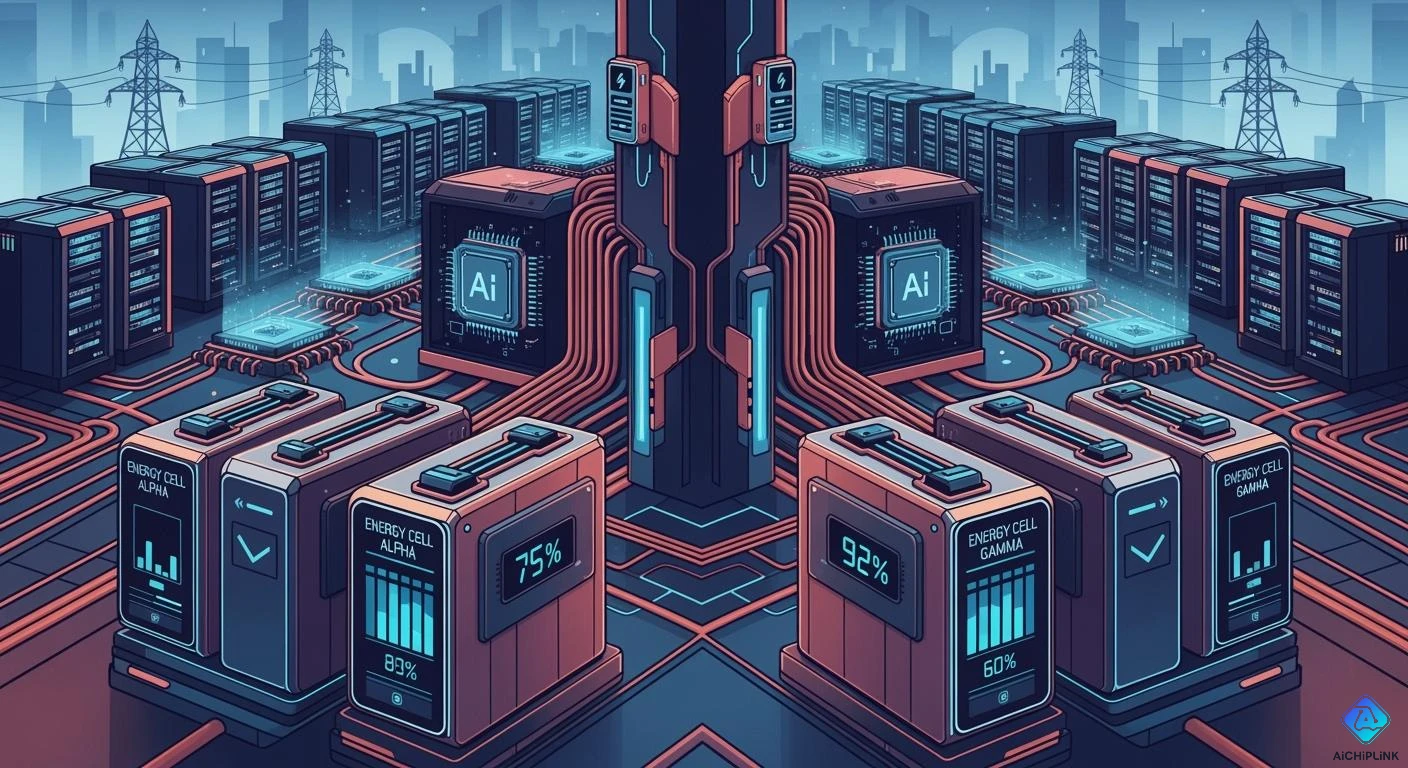
You can see AI data centers are growing very fast. The global market might reach $810.61 billion by 2033. It could grow by 23.9% each year:
| Year | Projected Market Size (USD Billion) | CAGR |
|---|---|---|
| 2033 | 810.61 | 23.9% |
This fast growth makes power and energy needs hard to predict. Battery storage is now very important. It helps add more power quickly. It also helps when there are sudden jumps in use. Battery storage keeps data safe during power outages. You now need battery systems to meet the nonstop needs of AI.
Key Takeaways
-
AI data centers are growing fast. This makes energy needs go up a lot. Battery storage is needed to help with this. It helps data centers keep working all the time.
-
Battery energy storage systems give backup power right away if power goes out. This keeps data safe and lets work keep going.
-
Using battery storage can make energy bills lower. It does this by using stored energy when power costs more.
-
Adding renewable energy with battery storage helps the planet. It gives clean power and helps data centers reach green goals.
-
Battery storage can be set up quickly. This gives data centers more choices and speed. They can handle more power needs without waiting for grid upgrades.
AI Data Centers: Power Challenges
Surging Energy Demand
You see a huge jump in energy use as ai data centers grow. These centers now use as much electricity as 100,000 homes. Next-generation campuses can need 20 times more than a typical center. By 2030, experts expect data center power demand to rise by 160%. This growth comes from ai workloads, which need high power density and run all day. Cooling systems for ai also use more energy and water.
-
Global electricity use by data centers could more than double by 2030, reaching about 945 TWh.
-
In the U.S., energy use may rise from 176 TWh in 2023 to as much as 580 TWh by 2028.
-
McKinsey & Company predicts U.S. data center load will jump from 25 GW in 2024 to over 80 GW by 2030.
| Description | Value |
|---|---|
| Typical data center electricity use | Equal to 100,000 households |
| Next-gen campus demand | 20x a typical data center |
| Projected power demand growth by 2030 | 160% increase |
| Power density of AI computing racks | 30-100+ kW per rack |
| Power demand of modern GPU clusters | 700W-1200W per chip |
You can see that ai workloads push energy needs higher than ever before. This makes it hard for data centers to keep up with demand.
Grid Constraints and Delays
As you look for new sites, access to power stands out as one of the biggest challenges. Power availability changes by region, which affects where you can build new ai data centers.
Many regions cannot support large-scale centers without big upgrades. These upgrades can take five to ten years to plan and build. Major hubs like Northern Virginia, Phoenix, Tokyo, Mumbai, and London now face power constraints because of ai workloads. In the U.S., states like Virginia, Texas, and California hold 80% of the national load, which puts extra stress on their grids.
-
Power availability changes a lot by region, making some places hard for new data centers.
-
Grid delays can stretch approval and construction by several years or even a decade.
-
In Northern Virginia, wait times for grid connections have grown to seven years, up from four.
-
Across the U.S., approval timelines now reach five to seven years, but data centers need to open in 18 to 36 months.
-
New rules, like Texas Senate Bill 6, add more steps and slow down the process.
You also face contract power issues. The rapid growth of ai data centers puts pressure on electric grids. Many grids do not have enough capacity for new centers. Resource limits could slow growth, especially in crowded areas. Complex rules and slow approvals make it even harder to meet demand.
Need for Fast, Flexible Solutions
You need fast and flexible solutions to keep up with the rising demand for power and storage. Traditional grid upgrades take too long. You cannot wait years for new connections when ai data centers must open quickly.
-
Advanced cooling systems, like direct-to-chip and immersion cooling, help manage heat from ai workloads.
-
Hybrid renewable energy systems, which mix solar and wind with storage, give you steady power.
-
Microgrids let you control power distribution and cut down on losses.
Battery storage is now a key part of the solution. You can deploy storage systems much faster than building new grid lines. For example, a 20MWh battery can power about 2,000 homes for a day, while a 500MWh system can support 50,000 homes. Between 2025 and 2028, ai data centers could drive demand for 18 to 279 GWh of storage.
You must act quickly. The need for scalable storage grows as ai data centers expand. Fast solutions help you avoid delays, keep costs down, and meet the nonstop needs of ai workloads.
Battery Storage Solutions for AI
Backup and Resilience
AI data centers need backup power that works right away. Battery energy storage systems give instant help if the power goes out. If the grid stops working, batteries keep your data safe. They also let your work keep going. You do not have to worry about sudden blackouts. Battery storage can take the place of old UPS systems. It also gives you backup for a longer time. This is important because ai workloads cannot stop, even for a second.
-
Battery energy storage systems give backup power right away, so your centers do not shut down.
-
They help the grid and keep power steady.
-
You can get one or two hours of backup, which is enough for most short outages.
Battery storage also helps the grid by acting like a shock absorber. It smooths out fast changes in how much energy you use. This means you use a steady amount of power from the grid. This helps you meet strict rules for keeping data centers and ai running all the time.
Peak Shaving and Load Management
You can use battery storage to save money on energy. Peak shaving means you use less power when it costs the most. You charge batteries when power is cheap. Then you use them when power is expensive. This helps you spend less.
-
Peak shaving can lower your power bill by 10–20%. Sometimes, you can save up to 30%.
-
Load shifting lets you use cheaper power and skip high prices.
-
A 2023 study showed that strong peak shaving saves a lot of money for ai data centers.
Here is how battery energy storage systems help with load management:
| BESS Application | Description | Benefit to Data Center |
|---|---|---|
| Backup/UPS Power | Instant supply during outages or power dips | Stops downtime and keeps data safe |
| Peak Shaving | Use batteries when demand is high, charge off-peak | Lowers bills and energy costs |
| Load Shifting | Use stored energy in afternoons | Lets you use cheaper power |
| Power Quality | Fast help for voltage changes | Protects important ai work |
You can see these results in real life. A Microsoft center in Virginia cut its energy costs by 20%. It also got a 30% tax credit after adding battery storage. Another center on the West Coast saved millions each year by using batteries for peak shaving.
Renewable Integration
You can make your ai data centers greener with renewable integration. Many centers now use solar and wind power. Battery energy storage systems save extra energy from these sources. When there is no sun or wind, you still have power.
-
You can connect batteries to your UPS and match them to your center’s needs.
-
Energy management systems help you use stored energy at the best time.
-
You can use converters you already have to charge batteries from solar panels.
Renewable integration gives you steady, clean power. It helps you reach your green goals and lowers pollution. You can also join grid programs and earn more money.
The market for battery storage is growing very fast. In 2024, installed capacity reached 200 GWh. By 2030, it could reach 1,200 GWh. The global market for data center batteries may grow from $3.4 billion in 2024 to $5.9 billion by 2034. This growth comes from more ai data centers and the need for better energy solutions.
Tip: Using battery storage and renewable integration makes your data centers and ai facilities stronger, cheaper, and better for the planet.
Real-World Storage Applications
AI Data Center Case Studies
You can see how big companies use battery storage to fix real problems in their AI data centers. These examples show ways to save money, keep things working, and help the grid.
| Company | Location | Battery Capacity | Benefits |
|---|---|---|---|
| Microsoft | Virginia | 20% energy cost reduction | 30% tax credit, demand response payments, capacity market revenue, and state-level grants. |
| Microsoft | Sweden | 16 MWh | 80 minutes of backup, supports grid stability, replaces diesel generators. |
| St. Ghislain, Belgium | 2.5 MWh | Maintained operations during utility outages, proving battery systems work for critical loads. |
You can learn from these results. Microsoft in Virginia saved 20% on energy costs and got a 30% tax credit. In Sweden, Microsoft’s battery gives 80 minutes of backup and helps the grid. Google’s Belgium site used a 2.5 MWh battery to keep running when the power went out. These cases show battery storage makes data centers more reliable and efficient.
Lessons from Deployment
When you add battery storage to your AI data centers, you face new problems and learn important lessons:
-
You have to manage many storage units. This means watching charge levels, planning when to recharge, and checking if batteries are ready.
-
Putting storage at the rack level gives local buffering. This helps stop failures from spreading and lets you change storage for different jobs.
-
Safety matters a lot. You need strong fire and heat controls because lithium-ion batteries are close to IT equipment.
-
Using second-life batteries can save money and help the planet. These batteries come from old electric vehicles and give you a green storage choice.
Tip: Second-life batteries help the circular economy. You can make less waste and lower pollution while powering your AI data centers.
These lessons help you build safer, greener, and more flexible AI data centers.
Storage vs. Grid Upgrades
Speed and Flexibility
When you build new AI data centers, speed is important. Battery storage systems can be ready in 18 to 24 months. Grid upgrades usually take five years or longer. This quick setup lets you open your center sooner. You can meet urgent needs faster.
Battery storage gives you more choices. You can add more units as your needs change. The modular design lets you build in steps. You do not have to wait for a big project to finish. You can use extra power right away. Here are ways battery storage helps you stay flexible:
-
You can connect to the grid faster and use demand response to keep the grid steady.
-
You can skip or delay costly grid upgrades by using flexible loads.
-
You can use backup generation and storage on-site to handle busy times and keep your AI workloads running.
Note: With battery storage, you can support new demand without waiting for big changes to infrastructure.
Cost and Operational Benefits
You want to save money and keep your operations smooth. Battery storage helps you spend less and manage energy better. Look at this comparison:
| Aspect | Battery Storage Solutions | Grid Upgrades |
|---|---|---|
| Speed | Can be ready in months | Takes years to finish |
| Flexibility | Add units as needed | Fixed upgrades |
| Cost Control | Lowers demand charges | Higher upfront costs |
| Future-Proofing | Grows with AI needs | Limited by infrastructure |
A data center on the West Coast used battery storage to manage its load. It saved millions each year and cut energy costs by 15%. During a summer emergency, the center used batteries and backup power to keep running for hours. This helped avoid high prices and kept the grid steady.
When you pick battery storage, you get faster results, more control, and better support for your AI data center’s power needs.
You know battery storage is important for AI data centers. It helps keep things running when demand goes up. Advanced battery systems stop power spikes and keep your data safe. The market could reach 1,200 GWh by 2030. As AI gets bigger, you will need new ideas like energy campuses and smarter batteries. Battery storage lets you grow, spend less, and stay strong.

Written by Jack Elliott from AIChipLink.
AIChipLink, one of the fastest-growing global independent electronic components distributors in the world, offers millions of products from thousands of manufacturers, and many of our in-stock parts is available to ship same day.
We mainly source and distribute integrated circuit (IC) products of brands such as Broadcom, Microchip, Texas Instruments, Infineon, NXP, Analog Devices, Qualcomm, Intel, etc., which are widely used in communication & network, telecom, industrial control, new energy and automotive electronics.
Empowered by AI, Linked to the Future. Get started on AIChipLink and submit your RFQ online today!
Frequently Asked Questions
What is the biggest data center power challenge today?
The biggest problem is that electricity use keeps going up. AI and hyperscale data centers need more power than before. It is hard to get enough electricity and keep everything working all the time.
How do hyperscale data centers manage high electricity use?
Hyperscale data centers use battery storage to help with big power needs. They store electricity when it is cheap. Then they use it when they need more power. This saves money and keeps the centers running smoothly.
Why do AI centers need battery storage for electricity?
AI centers use a lot of electricity. Power needs can change very fast. Batteries help keep the power on during blackouts or when the grid cannot give enough. This makes sure the centers stay safe and work well.
Can battery storage lower electricity costs for centers?
Yes, battery storage can help lower costs. You charge batteries when power is cheap. You use the stored power when prices are high. This helps you spend less and control your energy bills.
How does battery storage help with growing electricity demand?
Battery storage helps you meet higher electricity needs. You can add more power quickly with batteries. You do not have to wait for new grid lines. This lets your centers grow and use more power when needed.