How Many MLCCs Are Used in Electric Vehicles?
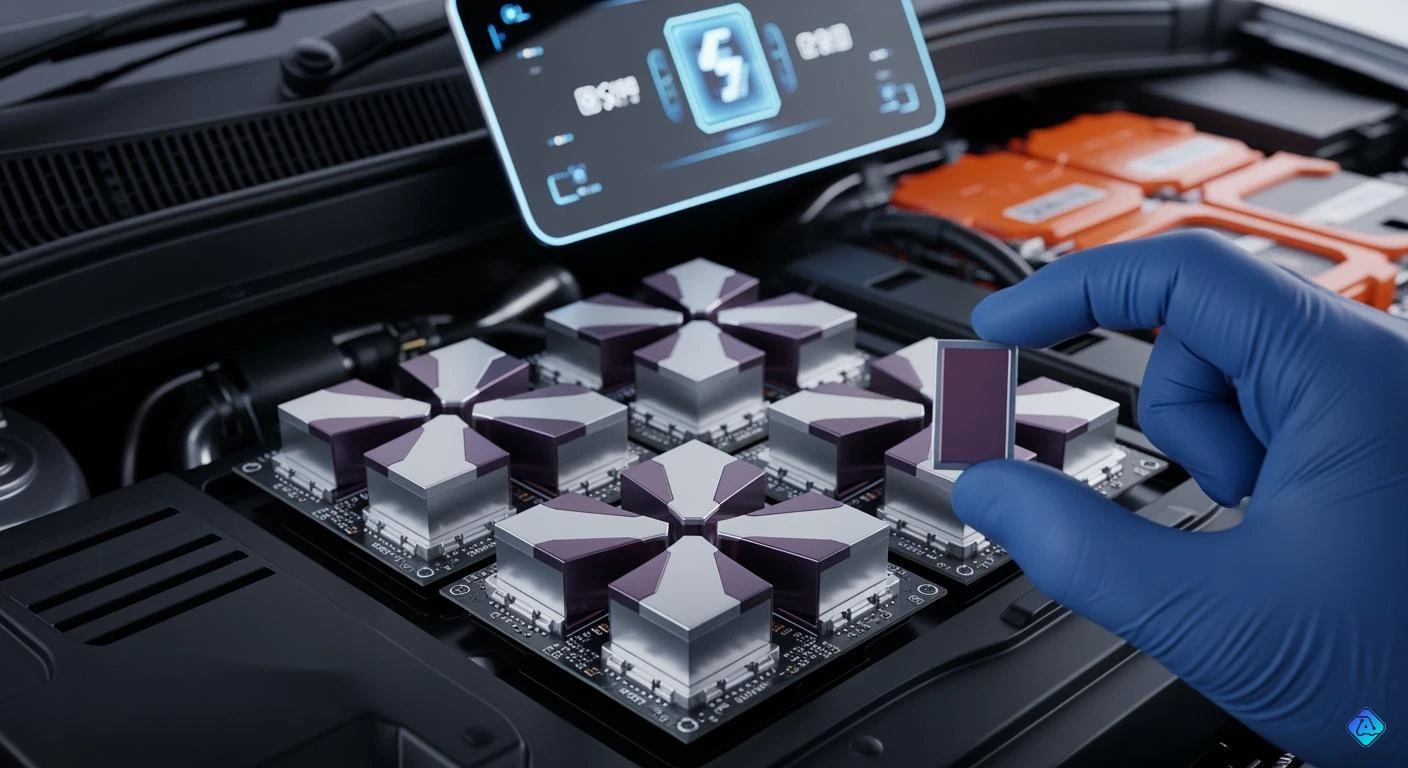
You see that Electric Vehicles use between 3,000 and 10,000 MLCCs. Some eco-friendly cars use up to 30,000 MLCCs. These MLCCs work with voltages from 16V to 1000V. They help important systems run well. More people want high-performance MLCCs now. This is because cars need better power management, infotainment, and telematics. MLCCs help Electric Vehicles work well and keep you safe.
-
MLCCs in Electric Vehicles work with many voltage levels.
-
General-purpose MLCCs make up more than 35% of the market.
Key Takeaways
-
Electric vehicles usually use 8,000 to 12,000 MLCCs. High-end models can need up to 30,000 MLCCs for extra features.
-
MLCCs are very important for power management. They help with infotainment and safety systems. MLCCs make sure the car works well and safely.
-
More MLCCs are needed because cars have more electronics now.
-
High-capacitance and high-voltage MLCCs are needed for battery management. They help electric vehicles perform better.
-
Electric vehicles are getting more popular. So, people will need better and more reliable MLCC technology.
MLCCs in Electric Vehicles
Typical MLCC Count per EV
You might ask how many MLCCs are in electric vehicles today. Most electric vehicles use between 8,000 and 12,000 automotive MLCCs. Some fancy models need more than 10,000 automotive-grade MLCCs because their systems are more advanced. These multi-layer ceramic capacitors help with power management, infotainment, and driver assistance. You can check the table below for more details:
| Feature | Value |
|---|---|
| Average MLCC count per EV model | 8,000 to 12,000 units |
| Applications | Power management, infotainment, and advanced driver assistance systems |
High-end EVs use more automotive MLCCs than regular cars. Powertrain applications use almost half of all MLCCs in electric vehicles. Battery management systems also need lots of automotive-grade MLCCs, especially in cars with bigger battery packs. These packs often have 800V or higher, so they need reliable multilayer ceramic capacitors.
Factors Affecting MLCC Quantity
There are many reasons why electric vehicles use more MLCCs each year. Car makers add more electronic systems every year. Modern cars have advanced infotainment, safety features, and electric drivetrains. This makes automotive MLCCs important for stability and performance.
-
High-end EVs need over 10,000 automotive-grade MLCCs because their electronics are complex.
-
Powertrain applications use most MLCCs in electric vehicles. Traction inverters, DC-DC converters, onboard chargers, and power distribution units each need hundreds of automotive-grade MLCCs.
-
Bigger battery packs with 800V+ designs raise the MLCC count per car. These packs need higher voltage ratings and safety margins for multilayer ceramic capacitors.
System complexity and safety rules matter a lot. Electronics are now used in places that used to be mechanical, so the market for automotive MLCCs grows. Strict safety rules make car makers add advanced electronic safety features, which increases the need for automotive-grade MLCCs.
-
High-capacitance MLCCs help control power supplies and decouple circuits in power systems.
-
More power use and backup in safety systems increase the need for automotive-grade MLCCs.
-
High-voltage MLCCs boost performance and help electric vehicles meet sustainability goals.
The Europe automotive MLCC market grows because more electric vehicles are made and people want advanced connectivity features. New tech like self-driving cars also needs reliable multilayer ceramic capacitors. The move to electric vehicles and advanced driver-assistance systems makes automotive-grade MLCCs important for performance in tough conditions.
Tip: When you look at electric vehicles, remember that automotive-grade MLCCs keep the systems stable, safe, and efficient. These multilayer ceramic capacitors help your car work well and keep you safe on the road.
Why So Many MLCCs Are Needed
Electronic Complexity in EVs
Electric vehicles have lots of electronic parts. That is why they need many MLCCs. These cars have special features that need good parts to work. There are a few reasons why the number of MLCCs keeps going up:
-
Electric vehicles use battery management systems, power electronics, and electric drive modules. These systems need many MLCCs to work well.
-
Rules make car makers lower emissions and use less energy. This means every car needs strong MLCCs.
-
More electric parts get added to cars each year.
| Vehicle Type | Number of MLCCs Required |
|---|---|
| Standard Car | Up to 10,000 units |
| Premium Vehicle | Up to 30,000 units |
Premium vehicles use more MLCCs because they have extra features. When you add more electronics, you need more MLCCs to keep things working right.
Power and Battery Systems
MLCCs help control high-voltage circuits and battery systems. They make sure electricity flows the right way and keeps voltage steady. In battery management systems, MLCCs do important jobs. They check cell voltages, balance battery cells, and protect the system from problems. This makes your car safer and helps it last longer.
MLCCs also help with:
-
Filtering balancing currents and lowering noise in battery cells.
-
Giving good voltage and current readings for protection circuits.
-
Filtering electromagnetic interference so battery systems work right.
You find MLCCs in power converters, motor drives, and charging systems. These parts help your car charge safely and run well. The table below shows how MLCCs help different power system parts:
| Role of MLCCs in EVs and Battery Management Systems | Description |
|---|---|
| Power Electronics | Used in converters and drives for energy management. |
| Onboard Charging Systems | Help with safe and efficient charging. |
| Battery Management Systems | Monitor and manage battery performance. |
| Electronic Control Units (ECUs) | Support vehicle operation and performance. |
MLCCs act as smoothing capacitors in the charger. They lower voltage ripple and keep DC voltage steady. This helps your car charge faster and keeps the battery healthy. You get better efficiency and longer battery life.
Safety and Infotainment
MLCCs help safety features in your car work well. These capacitors help airbags, anti-lock brakes, and stability control systems work fast and right. MLCCs meet tough car electronics rules, so you can trust your car to keep you safe.
MLCCs also let you enjoy infotainment and driver help features. These capacitors support touchscreens, audio systems, and navigation. They help process data from sensors and cameras in driver assistance systems. This means you get a safer and more fun ride.
-
Advanced driver assistance systems need MLCCs for good control and data processing.
-
Infotainment systems use MLCCs for clear audio and smooth touchscreen use.
-
More electric parts and car electronics mean more MLCCs are needed.
Note: When you use more features in your electric car, you count on MLCCs to keep everything safe, efficient, and working well.
MLCC Functions and Applications
Automotive MLCCs in Power Management
You need automotive MLCCs to help your electric car work well. These multi-layer ceramic capacitors keep voltage steady and block noise in power circuits. They help control battery systems and make signals clear for other parts. Automotive MLCCs let your car handle fast power changes and keep voltage safe. They also help batteries by making power smooth and stopping sudden voltage jumps. When you use strong MLCCs, your car is more reliable and the battery lasts longer.
-
Automotive MLCCs keep power steady.
-
They block noise and stop power changes.
-
Automotive MLCCs make signals clear.
-
They help batteries work better and last longer.
| Benefit | Description |
|---|---|
| Increased energy efficiency | You can drive farther and your battery stays strong. |
| Improved power conversion | Your electric car runs smoother. |
| Enhanced reliability | You have fewer problems from voltage changes. |
Tip: Good MLCCs make your electric car work better and last longer.
Electric Vehicle Charging Systems
You count on automotive MLCCs when you charge your electric car. These parts store energy, block bad signals, and help chargers and fast-charging stations work. Automotive MLCCs keep power supplies apart and block electromagnetic noise, which is important for inverters and charging. Onboard chargers need MLCCs that can handle AC power and meet tough car rules. When battery packs get bigger and go over 800V, you need MLCCs that can handle more voltage and keep things safe.
-
Automotive MLCCs block noise and bad signals.
-
They block EMI on AC and smooth power on DC.
-
Class Y and Class X capacitors stop electric leaks and EMI problems.
-
Automotive MLCCs work well in hot and small spaces.
You find multi-layer ceramic capacitors in hybrid inverters, where they stop voltage spikes and protect switches. These parts help your charging system stay safe and work well.
MLCCs in Infotainment and ADAS
Automotive MLCCs are important in infotainment and ADAS parts. You see them store energy, block noise, and help with data in control units. Automotive MLCCs help with power, make signals clear, and block electromagnetic noise in these systems. New ADAS tech like radar, lidar, and cameras need better MLCCs.
-
Automotive MLCCs block noise in ECUs.
-
They meet AEC-Q200 rules for car safety.
-
Small, strong MLCCs last longer and save space.
-
Automotive MLCCs keep power steady and waste less energy in ADAS.
Note: When you use your car’s screens or driver help, you trust automotive MLCCs to keep everything working right.
Comparison with Other Industries
MLCCs in Traditional Vehicles
Traditional vehicles use fewer MLCCs than electric vehicles. Most engine-driven cars have about 3,000 MLCCs. Electric vehicles use more than three times as many. This is because electric vehicles have more electronics and safety features.
-
Electric vehicles need a lot more MLCCs than traditional cars.
-
MLCCs are found in power management, infotainment, and safety systems in both types.
In electric vehicles, MLCCs are important for battery management and onboard electronics. These parts help your car work well and stay safe. In traditional cars, MLCCs are used mostly for basic power and entertainment systems. As more people buy electric vehicles, the need for MLCCs grows fast.
Note: When more people choose electric vehicles, you will see more MLCCs in cars every year.
MLCCs in Consumer Electronics
You use MLCCs in devices like smartphones and laptops every day. These products need many MLCCs, but not as many as electric vehicles. For example, a smartphone uses about 1,000 MLCCs. A luxury electric car can use over 10,000 MLCCs.
| Device Type | Typical MLCC Count |
|---|---|
| Smartphone | ~1,000 |
| Engine-driven car | ~3,000 |
| Luxury electric car | >10,000 |
Consumer electronics sell more units, but each device uses fewer MLCCs. In 2024, consumer electronics made up 40% of MLCC revenue. Automotive applications made up 24%. Electric vehicles are growing faster in MLCC use.
| Application | Estimated Revenue (2024) | Percentage of Total Revenue | Units Sold (2024) | Growth Rate (%) |
|---|---|---|---|---|
| Automotive (EVs) | USD 2.26 billion | 24% | 17 million | 25% |
| Consumer Electronics | USD 3.76 billion | 40% | 1.24 billion | 6.4% |
Cost and Application Differences
There are big differences in how MLCCs are used and priced in each industry.
-
Electric and hybrid vehicles need strong MLCCs for power management and energy storage.
-
The automotive sector will be about 30% of the MLCC market by 2034.
-
More electric vehicles and connected cars need reliable MLCCs for safety and ADAS features.
-
Electric vehicles need MLCCs that can handle high voltage and tough conditions.
-
The price of materials like barium titanate and nickel can change fast. This affects the cost of MLCCs for all industries.
Automotive electrification makes people want strong, reliable MLCCs. As more electric vehicles are made, the need for advanced MLCCs will keep rising.
Tip: When you compare industries, remember that electric vehicles push MLCC technology to new levels for safety, reliability, and performance.
Trends in Automotive MLCCs
Market Growth and Demand
The global automotive MLCC market is growing quickly. More electric vehicles and ADAS need extra electronic parts. ADAS helps keep you safe while driving. These systems must work in hot and wet places. By 2030, more cars will have ADAS Level 2 or higher. This number will rise from 44% in 2025 to 65%. The market could be worth $65 billion soon. Electric vehicles need more high-capacitance and high-voltage capacitors. Each car uses more MLCCs because of complex power systems.
-
Electric vehicles make the need for MLCCs go up.
-
The automotive industry is leading MLCC market growth.
Miniaturization and Reliability
Car makers want MLCCs that are smaller and stronger. Smaller MLCCs help fit more parts in small spaces. This makes embedded MLCCs important for electric vehicles. Small MLCCs let cars have more features without using more space. But shrinking MLCCs can cause cracks and heat problems. Car makers must keep MLCCs reliable as they get smaller.
| Advancement Type | Description |
|---|---|
| Miniaturization | Focus on making MLCCs smaller like in consumer devices. |
| High Capacitance | Making automotive MLCCs with high capacitance like consumer products. |
| Low ESL | Using low Equivalent Series Inductance (ESL) for better mounting. |
| High Withstanding Voltage | Creating MLCCs that handle high voltage for car use. |
| Thin Products | Making thinner MLCCs for better package mounting. |
As MLCCs shrink, engineers must balance size and strength. They use new materials and designs to help MLCCs last longer in electric vehicles.
Innovations in MLCC Technology
New MLCC technology helps your electric vehicle work better. Companies now make MLCCs with higher capacity and voltage. Some MLCCs reach 33 nanofarads and 250 volts, which is more than before. Others work at 10 microfarads and 100 volts, even when it is hot. These MLCCs meet strict car rules, so they work well in ADAS, chassis, and infotainment. The market could reach $4 billion by 2026 as more people buy eco-friendly cars.
-
New MLCCs support fast charging and smooth power.
-
Flexible MLCCs, like FlexiTerm® and FlexiSafe®, resist bending and shaking.
-
These advances help your car stay strong, even on bumpy roads.
Tip: When you drive an electric vehicle, you use the newest MLCC technology that keeps your car safe, efficient, and ready for the future.
You have learned that electric vehicles need thousands of MLCCs. These small parts help your car stay safe and work well. MLCCs are used in battery management and infotainment. When you see more electric cars, you will notice new MLCC technology.
Tip: Look for new MLCC ideas in the future. They will change how electric vehicles work and help keep you safe.

Written by Jack Elliott from AIChipLink.
AIChipLink, one of the fastest-growing global independent electronic components distributors in the world, offers millions of products from thousands of manufacturers, and many of our in-stock parts is available to ship same day.
We mainly source and distribute integrated circuit (IC) products of brands such as Broadcom, Microchip, Texas Instruments, Infineon, NXP, Analog Devices, Qualcomm, Intel, etc., which are widely used in communication & network, telecom, industrial control, new energy and automotive electronics.
Empowered by AI, Linked to the Future. Get started on AIChipLink and submit your RFQ online today!
Frequently Asked Questions
How do MLCCs help your electric vehicle?
MLCCs make voltage stay steady in your car. They also stop electrical noise from causing problems. This means your car’s systems get smooth power. Your car can run safely and work well every day.
Can MLCCs affect your EV’s battery life?
Yes. MLCCs keep your battery safe from voltage spikes and noise. When your car uses good MLCCs, the battery lasts longer. You also get better performance from your car.
Why do electric vehicles need more MLCCs than gas cars?
Electric vehicles have more electronics for power, safety, and infotainment. That is why they need more MLCCs than gas cars. These systems must have steady and reliable power.
Are all MLCCs in electric vehicles the same?
No. There are different MLCC types in your car. Some MLCCs handle high voltage. Others filter noise or store energy. Each MLCC does a special job.