What Is a Bleeder Resistor?
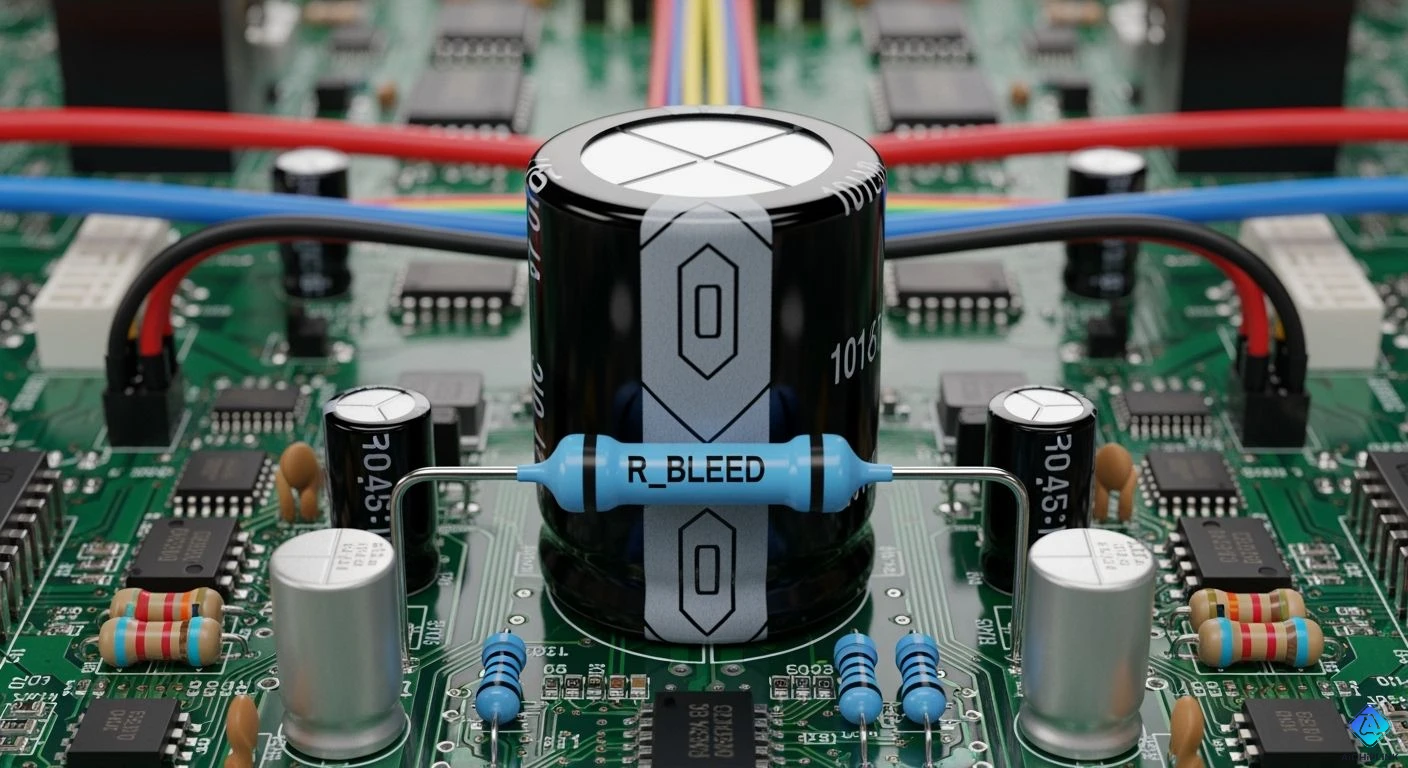
A bleeder resistor lets you drain energy from capacitors. It is used for safety because it gets rid of extra electricity after you turn off the device. If you touch a circuit without a bleeder resistor, you could get shocked. Bleeder resistors also help keep voltage steady in power supplies.
Always look for a bleeder resistor before you work on circuits with high voltage.
Key Takeaways
-
A bleeder resistor helps release energy from capacitors when a device is off. This stops electric shocks from happening.
-
Using a bleeder resistor keeps the voltage level steady in circuits. This makes devices work better and last longer.
-
Always look for a bleeder resistor before you work on high-voltage circuits. This helps keep you safe.
-
Pick the right bleeder resistor by checking its resistance value and power rating. This helps balance safety and how well it works.
-
Bleeder resistors are important in electronics you use every day. They help protect you from dangerous energy that is stored.
Bleeder Resistor and Its Importance
Safety Benefits
A bleeder resistor helps keep you safe in high-voltage circuits. After you turn off a device, the capacitor can still have a strong charge. If you touch the circuit, you could get shocked. The bleeder resistor makes the capacitor lose its charge after power is off. This is very important when you fix or check equipment.
Here are some main safety benefits you get from using a bleeder resistor:
-
It makes sure capacitors lose their charge after power is off.
-
It stops electric shocks by letting stored energy leave safely.
-
It keeps you safe during repairs by lowering the voltage.
-
It helps protect parts if the load gets disconnected.
You should always check for a bleeder resistor before working on high-voltage circuits. If you forget or use the wrong one, it can cause big problems. Without a bleeder resistor, the capacitor can stay charged and hurt you or damage things.
Voltage Regulation
A bleeder resistor is not just for safety. It also helps keep the voltage steady in your circuit. When you put a bleeder resistor across a filter capacitor, it gives extra charge a way out. This stops the capacitor from getting too much charge and keeps the voltage even.
A bleeder resistor helps make the voltage difference smaller between no-load and full-load. This means your circuit works better, even if the load changes. In high-voltage equipment, this keeps your parts safe from sudden voltage jumps. Your devices work better and last longer.
Capacitor Discharge
One main job of the bleeder resistor is to let the capacitor lose its charge safely. When you turn off a power supply, the capacitor can still have high voltage. The bleeder resistor is connected with the capacitor and lets the energy leave slowly. This keeps you safe and protects your equipment.
How fast the capacitor loses its charge depends on the bleeder resistor and the size of the capacitor. You can see how the voltage drops over time in the table below:
| Time | Remaining Capacitor Voltage |
|---|---|
| 1τ | About 37% |
| 2τ | About 14% |
| 3τ | About 5% |
| 5τ | Less than 1% (effectively discharged) |
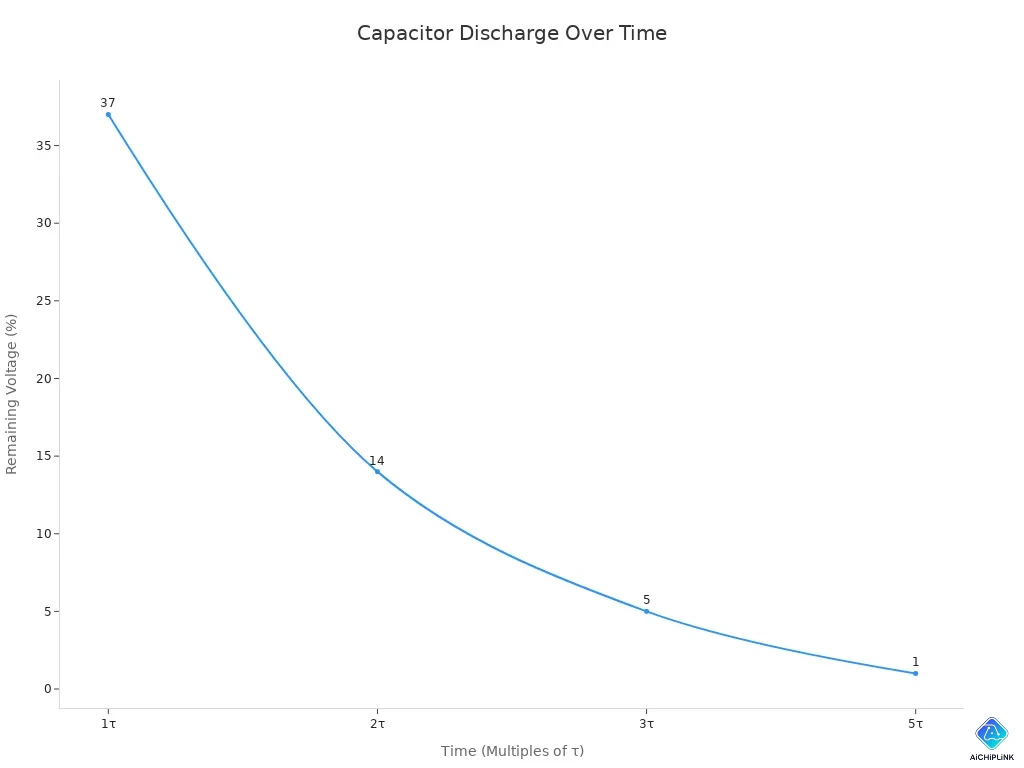
A bleeder resistor gives a slow and safe way for the capacitor to lose its charge. This is safer and works better than using a screwdriver or light bulb. The bleeder resistor is very important for this job. It makes sure the voltage goes down to a safe level, which keeps you safe and protects your circuit.
Tip: Always let the bleeder resistor finish its job before you touch any part of a high-voltage circuit. This easy step can stop electric shock and save your equipment from harm.
Choose a Bleeder Resistor
Selection Criteria
When picking a bleeder resistor, you must think about safety and how your circuit works. The resistor should drain the capacitor fast, but not waste too much energy. Here are some things to remember:
-
The resistance value needs to be high enough so it does not mess up your power supply.
-
The resistance also needs to be low enough to let the capacitor lose its charge quickly.
-
You have to find a good balance between how fast the capacitor loses its charge and how much energy the resistor uses.
-
Where you put the bleeder resistor matters. You should connect it right across the capacitor.
If you need a bleeder resistor for a high-voltage circuit, always check these things. This helps keep you safe and makes sure your circuit works well.
Calculating Value
You can use a simple formula to pick the right bleeder resistor. The formula is:
R = -t / (C × ln(Vf / Vi))
Where:
-
R is the resistance in ohms,
-
t is the time in seconds,
-
C is the capacitance in farads,
-
Vi is the starting voltage,
-
Vf is the safe voltage you want.
A lower resistance will make the capacitor lose its charge faster, but it will use more energy. A higher resistance saves energy, but the discharge takes longer. Most circuits use a resistor that lets about 1 mA of current flow. For example, if your voltage is 92 volts, you can use an 82k ohm resistor. If you have a bigger capacitor, you might use a 10k ohm resistor to cut the voltage in half in about 30 seconds.
Power Rating
The power rating shows how much heat the bleeder resistor can take. You want a resistor that will not get too hot or break. Always choose a power rating at least two times higher than what you calculate. This keeps your circuit safe and helps the resistor last longer.
| Feature | Description |
|---|---|
| Power Rating | The most power the resistor can take without getting too hot or breaking. |
| Application | Used to let stored energy out, keeping high-voltage circuits safe. |
| Design | Made to handle charging and discharging and to divide voltage safely. |
You should always use a bleeder resistor with the right power rating. This will keep you and your equipment safe from electric shock.
Applications of Bleeder Resistors
Bleeder resistors are used in many electronic devices. They help keep people safe and make devices work better. Here are some places where you will find them.
Power Supply Circuits
Bleeder resistors are common in power supply circuits. They are placed next to big capacitors at the output. Their job is to discharge capacitors after you turn off the power. This keeps you safe from shocks and protects the circuit.
| Type of Circuit | Description |
|---|---|
| Power Supply Circuits | Used a lot in rectifier filter circuits. |
| Filter Circuits | Used with big smoothing capacitors for safety. |
| Safety Implementation | Stops injuries from uncontrolled capacitor discharge. |
Bleeder resistors should not waste much energy when the device is on. They need to work fast when you turn off the device. But they should not change how the power supply works.
Tip: Always check for a bleeder resistor before working on a power supply. This small part can stop dangerous shocks.
High-Voltage Equipment
Bleeder resistors are also found in high-voltage equipment. Devices like tube amplifiers, X-ray machines, and industrial power supplies use high voltages. Bleeder resistors help discharge capacitors safely in these devices. This is important because high-voltage capacitors can stay charged after the device is off.
If you work on high-voltage equipment, wait for the bleeder resistor to finish. This keeps you safe and protects the equipment.
Everyday Electronics
Many everyday electronics use bleeder resistors for safety. Devices like TVs, computer monitors, and kitchen appliances have power supplies with big capacitors. Bleeder resistors make sure these capacitors lose their charge after you unplug the device.
This helps stop shocks during repairs. The resistor lowers the capacitor voltage to a safe level, often below 45V, in a short time. Bleeder resistors in these devices help make your home safer.
Note: Even small devices can store dangerous energy. Bleeder resistors are a simple way to discharge capacitors and protect you.
You use a bleeder resistor to stay safe in circuits with capacitors. This part helps let out stored energy so you do not get shocked. Bleeder resistors are found in power supplies and high-voltage equipment. The table below lists the main ideas:
| Key Point | Description |
|---|---|
| Purpose | Safely lets capacitors lose charge when power is off. |
| Where it's used | Put across capacitor terminals in power supplies and high voltage DC circuits. |
| Function | Gives stored charge a way out over time, stopping shocks or damage from leftover voltage. |
Bleeder resistors keep you and your devices safe. When working with circuits that have capacitors, always look for a bleeder resistor to protect yourself.

Written by Jack Elliott from AIChipLink.
AIChipLink, one of the fastest-growing global independent electronic components distributors in the world, offers millions of products from thousands of manufacturers, and many of our in-stock parts is available to ship same day.
We mainly source and distribute integrated circuit (IC) products of brands such as Broadcom, Microchip, Texas Instruments, Infineon, NXP, Analog Devices, Qualcomm, Intel, etc., which are widely used in communication & network, telecom, industrial control, new energy and automotive electronics.
Empowered by AI, Linked to the Future. Get started on AIChipLink and submit your RFQ online today!
Frequently Asked Questions
What happens if you do not use a bleeder resistor?
You could get shocked. Capacitors can keep a strong charge after you turn off the power. A bleeder resistor helps the charge leave in a safe way.
Can you use any resistor as a bleeder resistor?
You must choose the right value and power rating. Not all resistors will work. If you pick the wrong one, it might not drain the capacitor fast enough or could get too hot.
Where do you place a bleeder resistor in a circuit?
You put the bleeder resistor right across the capacitor’s ends. This lets the stored energy leave safely.
Do bleeder resistors waste energy?
Yes, but only a little bit. The resistor uses a small current when the device is on. This energy loss is tiny compared to how much safer it makes things.