LTE Cat-M and NB-IoT Compared for IoT Applications
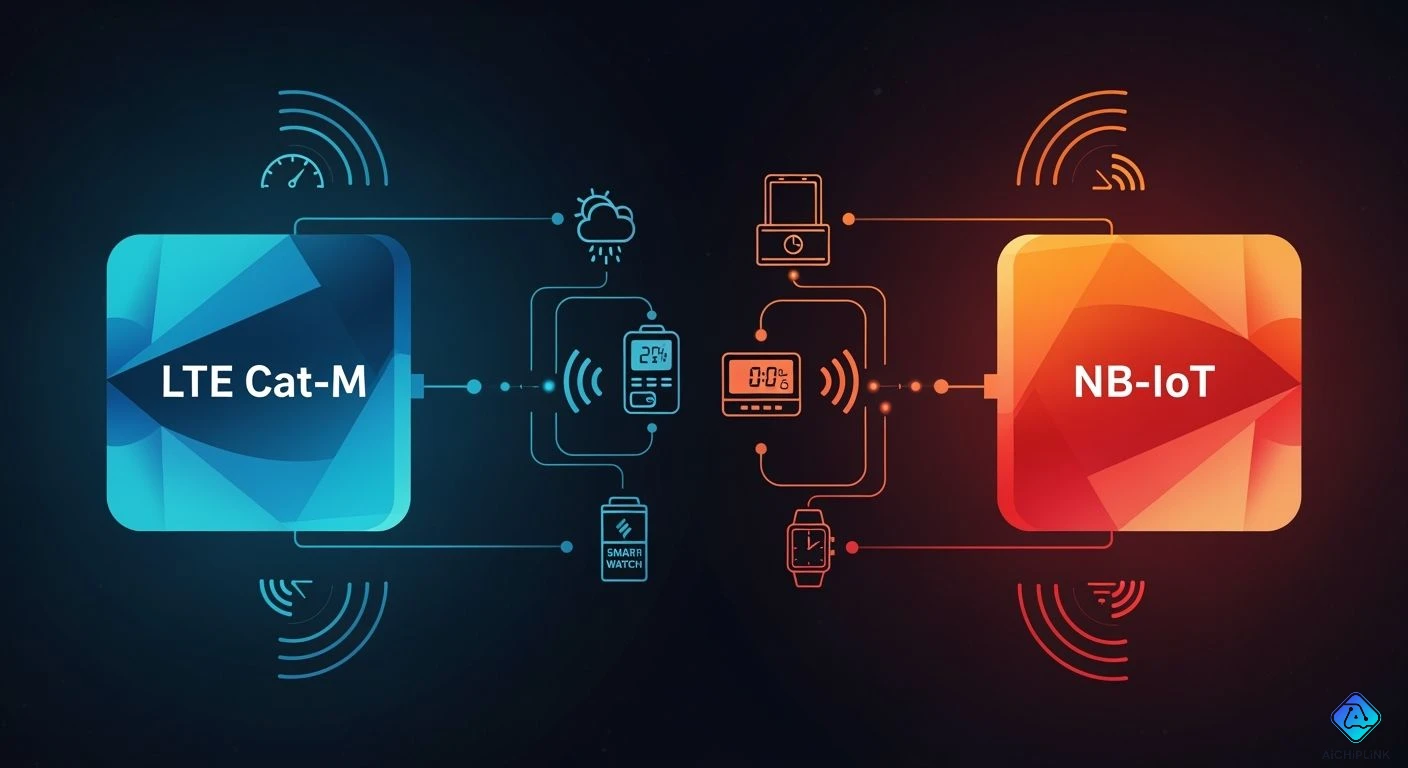
You should know the main differences between LTE Cat-M vs NB-IoT. Understanding these differences helps you decide how to connect your IoT devices. LTE Cat-M allows for higher data rates and supports moving devices, making it suitable for applications that require mobility. On the other hand, NB-IoT works best for devices that remain stationary and is ideal for those that use minimal data. Choosing the right IoT technology is crucial for your project, as small changes in functionality, coverage, or costs can significantly impact your IoT solution. By the end of 2025, NB-IoT and LTE Cat-M will account for more than half of all cellular IoT connections, highlighting the importance of aligning technology features with your IoT needs.
-
NB-IoT and LTE Cat-M will represent 52% of cellular IoT connections by 2025.
-
By 2026, they are projected to make up 60% of the 3.6 billion LPWAN IoT connections.
Key Takeaways
-
LTE Cat-M is good for devices that move. It helps them send data fast.
-
NB-IoT is best for devices that stay in one place. It works well for sending small data and has strong coverage.
-
Think about how much data you need to send. Also, consider how fast you need it and if your device moves. This will help you pick LTE Cat-M or NB-IoT for your IoT project.
-
Both can make batteries last a long time. NB-IoT usually lasts longer if you use less data.
-
Look at what your project needs. This helps you choose the right technology and stops problems later.
LTE Cat-M vs NB-IoT Overview
LTE-M Definition
When you look for iot solutions, you might hear about lte-m. lte-m means Long Term Evolution for Machines. It is based on the 3GPP standards. lte-m lets iot devices use more data and move around. You can use lte-m for things like wearables, tracking items, health monitors, and alarms. lte-m gives faster data speeds, up to 7 Mbit/s for sending and 4 Mbit/s for receiving. lte-m works where regular LTE networks are, so you get good coverage. lte-m also lets your iot devices work in different places because it supports roaming. lte-m modules can cost more, but you get extra features like moving support and eUICC. lte-m is good for both devices that stay still and ones that move.
Tip: If your iot device needs to move or send more data, lte-m is a good pick.
NB-IoT Definition
nb-iot means Narrowband Internet of Things. You use nb-iot for iot devices that do not move and send small data. nb-iot is also part of the 3GPP standards. nb-iot is best for smart meters, street lights, parking sensors, and remote sensors in farms or factories. nb-iot has slower data speeds, up to 159 Kbit/s for sending and 127 Kbit/s for receiving. nb-iot gives strong coverage and works well even in basements. nb-iot modules usually cost less than lte-m modules. nb-iot does not let devices move between areas, so it is best for devices that stay in one place.
You can see that lte-m and nb-iot both connect iot devices, but they are used for different things. lte-m is better for iot uses that need to move and use more data. nb-iot is better for iot uses that need less data and stay in one spot. Both lte-m and nb-iot have power-saving features, so your iot devices can last longer on battery.
| Feature | nb-iot | lte-m |
|---|---|---|
| Uplink/Downlink Speeds | Up to 159/127 Kbit/s | Up to 7/4 Mbit/s |
| Coverage/Penetration | Great | Great |
| Mobility | Static devices | Static and mobile devices |
| Module Cost | Lower | Higher |
| Roaming | Not available | Available |
Key Differences Between LTE Cat-M and NB-IoT
When you look at lte cat-m and nb-iot, you notice some big differences. These differences change how you connect iot devices. Knowing these things helps you pick the best one for your project. You should check things like data rate, latency, mobility, coverage, battery life, and cost. Each thing affects how your iot device works in real life.
Data Rate and Bandwidth
You want your iot device to send and get data fast. lte-m gives faster data rates and more bandwidth than nb-iot. lte-m can go up to 1 Mbps. nb-iot can reach up to 160 kbps. This means lte-m can send more data and talk faster. nb-iot uses a small 200 kHz band. This makes it slower but good for simple sensors.
| Technology | Maximum Data Rate | Typical Data Rate |
|---|---|---|
| NB-IoT | 160 kbps | N/A |
| LTE Cat-M | 1 Mbps | N/A |
| Technology | Bandwidth | Maximum Data Rate |
|---|---|---|
| NB-IoT | 200 kHz | 250 Kbps |
| LTE Cat-M | 1.4 MHz | 1 Mbps |
-
nb-iot is best for things that need low data and use a small band.
-
lte-m can send more data with a bigger band.
Pick lte-m if your iot device sends pictures, videos, or lots of sensor data. nb-iot is good for simple things like water meters or parking sensors.
Latency and Real-Time Support
Latency means how fast your iot device answers. lte-m has low latency, about 10 to 15 milliseconds. nb-iot has higher latency, from 1.6 to 10 seconds. This is important for things that need fast answers.
| Technology | Average Latency |
|---|---|
| LTE Cat-M | 10-15 ms |
| NB-IoT | 1.6-10 seconds |
-
lte-m lets you track things that move, watch health devices, and get alerts right away.
-
nb-iot is good for things that can wait, like smart meters or sensors for the environment.
If you need fast answers, lte-m is better. nb-iot is good if your device can wait to send data.
Mobility and Handover
Mobility means your iot device can move and stay online. lte-m lets your device switch between cells without losing signal. nb-iot does not let devices move or switch fast. nb-iot works best when the device stays in one spot.
| Feature | LTE Cat-M (LTE-M) | NB-IoT |
|---|---|---|
| Mobility Support | Yes, supports seamless handover | No seamless cell switching |
| Suitable for Moving Apps | Ideal for applications like vehicle tracking | Limited effectiveness in mobility |
-
lte-m is great for tracking cars, fleets, and things that move.
-
nb-iot is made for things that do not move, like meters or building sensors.
Use lte-m for iot devices that move around. nb-iot is for devices that stay in one place.
Coverage and Signal Penetration
Coverage means how far your iot device can reach. Signal penetration shows how well the signal goes through walls or underground. lte-m and nb-iot both cover big areas, up to 30 miles in the country. In cities, the range is shorter, about 1 mile.
-
nb-iot has strong signal in basements, underground, and inside buildings.
-
nb-iot gives a coverage boost of 15–20 dB over lte-m.
-
lte-m works in most places but may not work well underground or in thick buildings.
If your iot device needs to work in hard places, nb-iot is a good choice. lte-m is good for outside and moving devices.
Power Consumption and Battery Life
You want your iot device to last long on battery. Both lte-m and nb-iot use power-saving tricks like Power Saving Mode and eDRX. These let your device sleep and save energy.
-
nb-iot and lte-m devices can last up to 10 years on battery.
-
nb-iot often lasts longer, especially for devices that send little data.
-
Both can save power when not sending data.
If you want the longest battery life, nb-iot is a good pick. lte-m also lasts long, especially for devices that move or send more data.
Module Cost and Availability
Cost is important when you make lots of iot devices. lte-m and nb-iot modules cost about $10 to $25. The price depends on features, bands, and how many you buy.
-
nb-iot modules usually cost less than lte-m modules.
-
Both lte-m and nb-iot modules are easy to find from big sellers.
-
Some chips work with both lte-m and nb-iot, so you have more choices.
You can find lte-m and nb-iot modules in most places. If you want to save money, nb-iot is a good choice. lte-m gives more features but may cost more.
Tip: Always match what lte-m or nb-iot can do to what your iot device needs. Think about data rate, latency, mobility, coverage, battery life, and cost before you choose.
You can see lte cat-m and nb-iot are different. lte-m gives faster data, lower latency, and lets devices move. nb-iot costs less and is best for things that stay in one place and use little data. These things help you pick the best one for your iot project.
LTE Cat-M vs NB-IoT Use Cases
LTE-M Applications
You can use lte-m for many iot jobs. It works well when devices need to move and send more data. Long term evolution for machines helps things like cars and wearables. Lte-m is good for tracking assets, checking patients, and smart meters. Mobile devices get quick connections and batteries last longer. Lte-m modules cost less, so they are good for lpwan solutions. You see lte-m in places that need fast data and strong coverage.
| Industry/Application | Description |
|---|---|
| IoT | Sensor monitoring and asset tracking |
| Fleet Management Solutions | Real-time tracking of vehicles and assets |
| Industry 4.0 Applications | Smart manufacturing and automation |
| Smart Utility Metering | Efficient monitoring of utility usage |
| Patient Monitoring Systems | Real-time health data transmission |
| Preventive Maintenance | Scheduling maintenance based on data |
Tip: Pick lte-m if your iot device moves or sends lots of data.
NB-IoT Applications
Nb-iot is best for iot jobs where devices stay still and use little data. Narrowband iot helps smart meters, waste bins, and checking the environment. You get strong coverage, even in basements or underground. Nb-iot works well for devices that send small bits of data. Narrowband-internet of things connects many low-bandwidth devices with lpwan tech. Nb-iot gives long battery life and saves money for low power wide area networks.
| Sector | Use Case | Description |
|---|---|---|
| Smart Cities | Smart Metering | Real-time monitoring of water, gas, and electricity usage |
| Smart Cities | Waste Management | Tracks bin fill levels to optimize collection routes |
| Smart Cities | Environmental Monitoring | Monitors air quality, temperature, and humidity |
| Utilities | Automated Billing Systems | Automated billing through real-time data collection |
Note: Nb-iot is great for iot devices that stay in one spot and need strong coverage and low power.
Industry Examples
You see lte-m and nb-iot used in many real iot jobs. Lte-m helps track shipments and wearables like smartwatches. Factories use lte-m for smart machines and talking between devices. Smart cities use nb-iot for traffic and utility checks. Groups save money, bill better, and find leaks faster with lpwan solutions. You get steady water levels and quick alerts for water problems. Pressure checks and better pump schedules help save energy and work better. Nb-iot gives low power wide area tech with strong coverage, making it perfect for low power wide area networks.
Comparison Table: LTE Cat-M vs NB-IoT
Feature Summary Table
You can see the main differences between LTE Cat-M and NB-IoT in the table below. This summary helps you choose the right technology for your IoT project. Each feature shows how the two options work for different needs.
| Feature | NB-IoT | LTE-M |
|---|---|---|
| Bandwidth | 200 kHz | 1.4 MHz |
| Peak Downlink Speed | ~250 kbps | ~1 Mbps |
| Peak Uplink Speed | ~250 kbps | ~1 Mbps |
| Latency | 1.6 – 10 seconds | 50 – 100 ms |
| Battery Life | 10+ years | 5 – 7 years |
| Module Cost (2026) | < $5 | $5 – $15 |
| Mobility Support | No (stationary only) | Yes (up to 100 km/h) |
| Coverage (MCL) | 164 dB (excellent) | 156 dB (very good) |
| Power Consumption | Best at very low data rates | Best at medium/high data rates |
| Voice (VoLTE) | No | Yes |
| Antennas | 1 | 1 |
Note: NB-IoT works best for devices that stay in one place and send small amounts of data. You get strong coverage and long battery life. LTE-M supports devices that move and need faster data. You can use LTE-M for asset tracking, vehicles, and wearables.
You should look at your project needs before you pick a technology. If you want low cost and long battery life, NB-IoT is a smart choice. If you need mobility and high data rates, LTE-M fits better. Both options help you connect devices, but each one suits different jobs.
Tip: Always match the features in this table to your IoT device requirements. This step helps you avoid mistakes and makes your project successful.
Choosing Between LTE Cat-M and NB-IoT
Decision Factors
You should think about a few things before picking a technology for your iot project. Every iot job is different. You need to find the best way to connect your devices. Here are some key points to help you decide:
-
Coverage and Penetration: Both LTE Cat-M and NB-IoT cover large areas. You will get similar coverage most of the time. NB-IoT works better in places like basements or underground.
-
Mobility: LTE Cat-M is good for devices that move. NB-IoT is best for devices that stay still.
-
Power Consumption: LTE Cat-M uses less power if the signal is strong. NB-IoT saves more power where the signal is weak.
-
Global Deployment and Roaming: LTE Cat-M lets your devices work in more places. Check if your area supports LTE Cat-M roaming.
-
Freedom to Leave: LTE Cat-M gives you more choices, like using eUICC. NB-IoT does not have this feature.
-
Cost: NB-IoT modules cost less. LTE Cat-M modules cost more but have extra features.
Tip: Always check what your iot device needs for coverage, movement, and battery before choosing how to connect.
Selection Framework
You can use a simple plan to pick the right technology for your iot project. Look at the table below. It helps you compare what your iot job needs with what LTE Cat-M and NB-IoT can do.
| Data Characteristic | What to Consider for IoT Projects |
|---|---|
| Payload Size | How much data does your device send? Big payloads need more bandwidth. |
| Transmission Frequency | How often does your device send data? Sending often needs steady connection. |
| Latency Tolerance | Does your device need quick answers? Low latency is important for real-time. |
| Mobility Profile | Will your device move? Pick LTE Cat-M for moving devices. |
| Deployment Scale | Will you use many devices? Think about eUICC and easy setup. |
Write down what your iot project needs for each point. Then, see which technology fits best. This step helps you avoid trouble with coverage, battery, or cost later.
Note: Picking the right way to connect makes your iot project work well and last longer.
LTE-M vs NB-IoT Conclusion
Summary of Key Differences
You have learned that LTE-M and NB-IoT each serve different needs in the world of IoT. When you compare them, you see clear differences in speed, latency, and where they work best. The table below gives you a quick look at the main points:
| Feature | LTE Cat-M | NB-IoT |
|---|---|---|
| Data Rates | Higher data rates | Lower data rates |
| Latency | Lower latency | Higher latency |
| Use Cases | Asset trackers, cold chain monitors, mobile POS devices | Simple sensors, smart meters, parking sensors |
LTE-M works well for devices that move and need to send more data. NB-IoT fits best with simple, stationary sensors that do not need to send much data. You also need to know that LTE-M is common in North and South America and Australia, while NB-IoT is popular in Eastern Europe and Asia. This difference can affect your device if it travels across countries.
Actionable Advice
You want to make the right choice for your IoT project. Start by thinking about what your device needs to do. Ask yourself these questions:
-
Does your device need to move or stay in one place?
-
How much data does your device send?
-
How fast does your device need to respond?
-
Where will your device be used?
Experts suggest you look at three main things:
-
Data throughput requirements
-
Power consumption needs
-
Coverage requirements
If your device sends small amounts of data and can wait to send updates, NB-IoT is a smart pick. Choose LTE-M if your device moves, needs faster responses, or sends more data. Always check which network is available in your area, since coverage can change from country to country.
Tip: Write down your project needs before you decide. This step helps you match the right technology to your use case and avoid problems later.
You now have a clear lte-m vs nb-iot conclusion. Use this knowledge to guide your next IoT project. The right choice will help your devices work better and last longer.
You can see LTE Cat-M and NB-IoT help with different IoT jobs. The table below shows which features work best for certain uses:
| Feature | LTE Cat-M | NB-IoT |
|---|---|---|
| Data Rates | Higher, good for video and tracking | Lower, best for simple sensors |
| Power Consumption | Higher | Ultra-low, ideal for batteries |
| Device Density | Lower | Higher, fits smart cities |
If you want to pick the right technology, try these steps: First, think about what your application needs. Next, make a list of technologies that fit. Then, choose the network type you want. After that, check if you have good coverage and roaming. Compare the costs for each option. Last, test your choice with a small pilot.
Tip: Make sure your project needs match the technology features before you decide.

Written by Jack Elliott from AIChipLink.
AIChipLink, one of the fastest-growing global independent electronic components distributors in the world, offers millions of products from thousands of manufacturers, and many of our in-stock parts is available to ship same day.
We mainly source and distribute integrated circuit (IC) products of brands such as Broadcom, Microchip, Texas Instruments, Infineon, NXP, Analog Devices, Qualcomm, Intel, etc., which are widely used in communication & network, telecom, industrial control, new energy and automotive electronics.
Empowered by AI, Linked to the Future. Get started on AIChipLink and submit your RFQ online today!
Frequently Asked Questions
What is the main difference between LTE Cat-M and NB-IoT?
You get higher data rates and mobility with LTE Cat-M. NB-IoT works best for stationary devices that send small amounts of data. Choose based on your device’s movement and data needs.
Can you use LTE Cat-M and NB-IoT in the same IoT project?
Yes, you can mix both technologies. Some devices support dual-mode modules. This lets you connect different types of devices in one project.
Is LTE Cat-M available everywhere?
LTE Cat-M is common in North America, South America, and Australia. NB-IoT is more popular in Europe and Asia. Always check network coverage in your area before you choose.