What Is an Electric Double-Layer Capacitor and How Does It Work
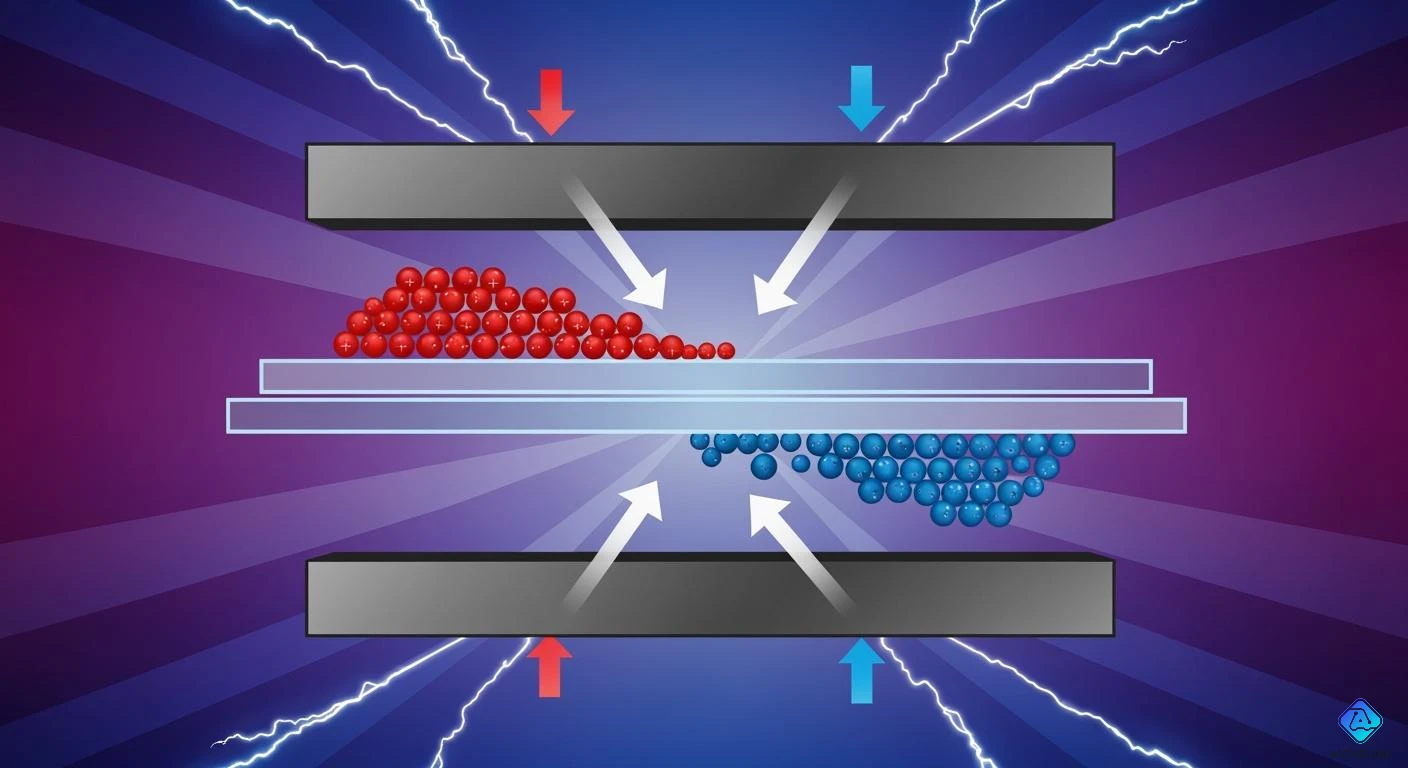
You use an electric double-layer capacitor to store energy fast and safely. This device forms an electric double layer where activated charcoal meets an electrolyte. Positive and negative charges gather in a thin space when voltage is applied. This lets the device store energy using electrosorption. Electric double-layer capacitors give high power and work for many years. The world market for electric double-layer capacitors is growing quickly. People are finding new ways to use them in electric cars and for storing energy on the power grid.
Key Takeaways
- Electric double-layer capacitors can store energy fast and safely. This makes them great for things that need quick power. They last a long time and can handle over 500,000 charges. This is because they do not use chemicals to store energy. Pick materials with a large surface area for electrodes. This helps them store more energy and work better. These capacitors are very good for electric cars and renewable energy systems. They give quick bursts of energy when needed. They charge very fast but hold less energy than batteries. So, they are best for short-term energy use.
How Electric Double-Layer Capacitors Work
Electrosorption and Double Layer Formation
You can learn how an electric double-layer capacitor works by looking at its electrodes. When you add voltage, ions from the electrolyte move to the electrode surface. The ions do not go inside the electrode. They stick to the outside. This sticking is called electrosorption. The ions make two layers. One layer has positive ions. The other layer has negative ions. These layers are very close together. They are only a few nanometers apart. This is called the electric double layer.
The double layer acts like a small, strong storage space for electric charge. If the layers are closer, more charge can be stored. The amount of charge depends on the electrode’s surface area and the space between layers. Look at the table below for the main ideas:
| Concept | Description |
|---|---|
| Electric Double Layer (EDL) | The EDL structure is important for understanding electrosorption in EDLCs. |
| Ion Adsorption | Specific adsorption lowers the charge-separation distance and increases capacitance. |
| Capacitance Relation | Capacitance depends on charge separation distance, shown by the formula C = ε_eff * ε_0 * A / d. |
| Dielectric Constant | ε_eff measures how water dipoles screen the field in the EDL and affects capacitance. |
The electric double layer is the main part of how electric double-layer capacitors store energy. The double layer forms where the electrode meets the electrolyte. If the electrode has more surface area, more ions can stick to it. This lets the capacitor store more energy. Electrodes with tiny pores have more surface area. If the pores are too small, ions cannot fit. The double layer will not form well. The size and shape of the pores are important for how well the capacitor works.
Charge-Discharge Process
When you charge an electric double-layer capacitor, electrons go onto one electrode and leave the other. This makes ions in the electrolyte move and form the double layer at each electrode. Positive ions gather at the negative electrode. Negative ions gather at the positive electrode. There is no chemical reaction. The ions only stick to the surface. They do not go inside the electrode.
When you discharge the capacitor, electrons flow back through the circuit. The ions move away from the electrode surfaces. This happens very fast. You can charge and discharge an electric double-layer capacitor in seconds. This quick action is why these capacitors are good for devices that need fast power.
-
You get high power because ions move a short distance.
-
You can use the capacitor many times since there is no chemical change.
-
You see long life and steady performance.
Electrode and Electrolyte Materials
The materials used for the electrodes and the electrolyte are very important for how well electric double-layer capacitors work. Most commercial capacitors use carbon-based materials for the electrodes. These materials have high surface area and good conductivity. The table below shows common electrode materials and their benefits:
| Electrode Material | Advantages |
|---|---|
| Activated Carbon | High surface area, good conductivity, and low cost. |
| Carbon Nanotubes | Great electrical conductivity and strong structure. |
| Graphene | High conductivity and large surface area for storing charge. |
| Carbon Aerogel | Light, high surface area, and good conductivity. |
| Transition Metal Compounds | Higher energy density and extra capacitance properties. |
| Conducting Polymers | Flexible and can be changed for special uses. |
| Metal-Organic Frameworks | High porosity and surface chemistry for better performance. |
Activated charcoal is often used as an electrode material. It works well because it has many tiny pores. This gives it a large surface area. It helps make a strong electric double layer and store more energy.
For the electrolyte, advanced ionic liquids are used, especially those with bis(trifluoromethylsulfonyl)imide anions. These electrolytes help the capacitor reach high capacitance and work at higher voltages. They also keep the device safe and stable.
Tip: To get the best performance from an electric double-layer capacitor, pick materials with high surface area and stable electrolytes. This helps you store more energy and use your device longer.
EDLC Features and Performance
Capacitance and Power Density
You can count on an electric double-layer capacitor for fast power. The double-layer structure helps you store and release energy quickly. This is shown in the power density numbers. Electric double-layer capacitors can reach 5,000 to 15,000 watts per kilogram. This is much more than batteries can give. You can look at the table below for common values:
| Parameter | EDLC (Supercapacitors) |
|---|---|
| Energy Density (Wh/kg) | ~5–10 |
| Power Density (W/kg) | ~5,000–15,000 |
You will see that energy density is lower than batteries. You get less energy for each kilogram, but you get more speed and power. The double-layer design makes this happen. You can use electric double-layer capacitors in things that need quick bursts of energy.
Energy Density and Voltage Range
Electric double-layer capacitors store less energy than batteries. The energy density is about 5 to 10 watt-hours per kilogram. This means you cannot use them for storing energy for a long time. You use them for short and strong tasks. Most electric double-layer capacitors have a voltage range between 2.5 and 3 volts per cell. You can put cells together to get higher voltages. The double-layer structure keeps the capacitor safe at these voltages. You see steady performance in many situations, even when it is hot.
Note: If you need more energy density, you can use lithium-ion capacitors. These hybrid devices mix features from batteries and electric double-layer capacitors. You get more power than batteries and more energy than regular supercapacitors.
-
Lithium-ion capacitors give more power than lithium-ion batteries.
-
They also give more energy than normal supercapacitors.
Cycle Life and Reliability
You can trust electric double-layer capacitors to last a long time. The double-layer way of storing energy does not cause chemical changes. You can see more than 500,000 charge and discharge cycles. In the best cases, you can reach millions of cycles. You get this because energy is stored at the surface. The double-layer structure stops the capacitor from wearing out fast.
-
You use electric double-layer capacitors when you need steady work.
-
They work well even when it is hot.
-
You see very little damage over time.
Benefits and Limitations of Electric Double Layer Capacitors
Advantages in Energy Storage
Electric double-layer capacitors give fast and steady energy storage. They work like both a quick capacitor and a strong battery. These devices charge and discharge fast because ions move, not because of chemical changes. This lets you use them many times without losing power.
-
You can charge or discharge them in just a few seconds.
-
They last a long time since the double-layer does not break down fast.
-
They have low resistance, so they stay cool and work well.
-
You can use them in lots of new electronics and energy systems.
-
They help with solar and wind power when you need quick energy.
-
They save money for grid systems by handling fast energy changes.
The table below explains these good points:
| Characteristic | Description |
|---|---|
| Energy Storage Mechanism | Ions stick to the double-layer, not by chemical change. |
| Charge/Discharge Cycles | Very quick and good for short energy needs. |
| Lifespan | Lasts much longer than regular batteries. |
| Overcharging/Discharging Effects | No bad effect on how long it lasts. |
Tip: If you want something that charges fast and lasts years, try an electric double-layer capacitor.
Drawbacks and Challenges
Electric double-layer capacitors also have some problems. The biggest problem is they do not store as much energy as batteries. This means they are not great for cars or big energy storage where you need lots of energy for a long time.
-
The low energy storage means you cannot use them for big jobs.
-
They can cost a lot at first for new systems.
-
You need trained people to set up and take care of them.
-
New batteries can store more energy than electric double-layer capacitors.
You have to choose between fast power and storing lots of energy. The double-layer gives you speed and lasts long, but not big storage. As new tech comes out, these devices may get better.
Note: Always pick the right device for your needs. If you want fast power and long life, use an electric double-layer capacitor. If you need to store more energy, try something else.
Comparing Electric Double-Layer Capacitors to Batteries and Traditional Capacitors
EDLCs vs. Batteries
Electric double-layer capacitors are different from batteries. The table below shows how they compare:
| Feature | Electric Double-Layer Capacitors (EDLCs) | Batteries |
|---|---|---|
| Charging Speed | Rapid (seconds) | Slower (minutes to hours) |
| Cycle Life | High (hundreds of thousands) | Limited (200 to 1000 cycles) |
| Energy Density | Lower than batteries | Higher than EDLCs |
| Use Cases | Quick energy bursts | Long-term energy storage |
EDLCs charge very fast and last a long time. You can use them many times before they wear out. Batteries hold more energy, but they do not last as long. EDLCs are good for things that need quick power, like memory backup or braking in cars. Batteries are better for jobs that need steady energy for a long time.
Tip: Pick an electric double-layer capacitor if you want fast charging and long life. Choose a battery if you need to store lots of energy.
EDLCs vs. Conventional Capacitors
Electric double-layer capacitors are also different from regular capacitors. The table below shows the main differences:
| Feature | Electric Double-Layer Capacitors (EDLCs) | Conventional Capacitors |
|---|---|---|
| Construction | Activated carbon electrodes | Solid dielectric material |
| Energy Storage Mechanism | Physical adsorption of ions | Charge stored in dielectric |
| Charge/Discharge Speed | Rapid (seconds) | Slower (depends on type) |
| Capacitance | Higher capacitance | Lower capacitance |
| Chemical Reactions | No reliance on chemical reactions | Typically does not involve reactions |
EDLCs are used for memory backup, LED flashes, and leveling power in electronics and cars. Regular capacitors are best for filtering signals or smoothing voltage in circuits.
Why Are EDLCs Called Supercapacitors or Ultracapacitors?
People call EDLCs "supercapacitors" or "ultracapacitors" because they have special features:
-
They store energy by separating charges, like regular capacitors.
-
They use a double layer of charges at the surface.
-
They use materials with a huge surface area to store more energy.
-
They charge and discharge very quickly.
-
They last much longer than batteries or regular capacitors.
-
They mix features from both batteries and capacitors.
Note: Supercapacitors fill the gap between batteries and regular capacitors. You get fast power and long life in one device.
Applications of Electric Double Layer Capacitors
Electric double layer capacitors are important in today’s technology. You can find them in cars, electronics, and green energy systems. They give fast power, backup, and help use energy better.
Automotive and Transportation
Electric double-layer capacitors are used in electric and hybrid cars. They store energy when you brake and give it back for a quick boost. This is called regenerative braking. When you hit the brakes, the car’s moving energy is saved in the capacitor. Later, the car uses this energy to move or run other parts. This helps cars go farther and use less energy.
Here is a table that shows where these capacitors are used most:
| Application Area | Market Share Description |
|---|---|
| Automotive Sector | Holds the largest share due to the demand for electric vehicles and hybrid applications. |
| Telecommunications | Maintains significant shares for energy-efficient solutions in communication systems. |
| Electronics | Significant shares catering to consumer electronics. |
| Renewable Energy | Smaller market share but shows potential due to the shift towards sustainable sources. |
Tip: Regenerative braking with these capacitors saves energy and helps your car’s brakes last longer.
Consumer Electronics
You can find electric double-layer capacitors in many home and work devices. They keep your data safe if the power goes out. They also help your devices last longer. These capacitors are used in memory backup, battery load leveling, and energy harvesting. They give quick power for portable gadgets, IoT sensors, and wearables.
| Application | Description |
|---|---|
| Memory Backup | Used in electronic devices to retain data during power loss. |
| Battery Load Leveling | Helps manage power distribution in mobile devices. |
| Energy Harvesting | Captures and stores energy from various sources. |
| Energy Regeneration in Automobiles | Supports energy recovery systems in vehicles. |
-
Coin and chip-type capacitors help save memory.
-
They give fast power when your device needs it.
-
Your devices last longer and work better.
Industrial and Renewable Energy
Factories and power grids use electric double-layer capacitors too. They help control energy from solar panels and wind turbines. These capacitors store extra energy when there is sun or wind. When people need more power, they release it to keep things running. This makes green energy systems work better and more reliably.
-
They handle fast changes in energy from renewables.
-
They keep the grid steady by storing and giving out energy.
-
Solar and wind power systems work better with them.
Note: Using these capacitors in green energy helps you get steady, clean power even when the weather changes.
You now know that electric double-layer capacitors are called supercapacitors. They can store energy very fast and last for many years. You find them in cars and green energy systems. This is because they charge and discharge in a short time.
-
They have low resistance inside.
-
You use them to get energy back quickly.
-
Their energy density is not high, but new materials could make it better.
| Trend/Advancement | Impact on EDLCs |
|---|---|
| Materials innovation | Makes them store more energy and work faster |
| Hybrid energy integration | Helps them work better |
| Electric vehicle demand | Makes them more important |
| Sustainability focus | Supports making them in an eco-friendly way |

Written by Jack Elliott from AIChipLink.
AIChipLink, one of the fastest-growing global independent electronic components distributors in the world, offers millions of products from thousands of manufacturers, and many of our in-stock parts is available to ship same day.
We mainly source and distribute integrated circuit (IC) products of brands such as Broadcom, Microchip, Texas Instruments, Infineon, NXP, Analog Devices, Qualcomm, Intel, etc., which are widely used in communication & network, telecom, industrial control, new energy and automotive electronics.
Empowered by AI, Linked to the Future. Get started on AIChipLink and submit your RFQ online today!
Frequently Asked Questions
What is the main use of an electric double-layer capacitor?
Electric double-layer capacitors store and release energy quickly. They are best for things that need fast power. You find them in electric cars, backup systems, and renewable energy grids.
How long does an electric double-layer capacitor last?
These capacitors can last through hundreds of thousands of cycles. Many keep working for years with little loss in performance. They last longer than most batteries.
Can you overcharge an electric double-layer capacitor?
You should not overcharge these capacitors. Most have a safe voltage limit near 2.7 volts per cell. Going over this limit can harm the capacitor.
Are electric double-layer capacitors safe to use?
Yes, these capacitors are safe to use. They do not catch fire or explode like some batteries. Always follow the manufacturer’s instructions for the best results.