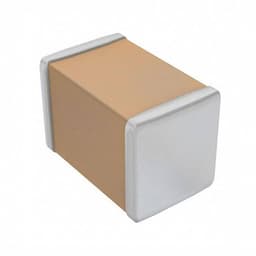
Why Capacitors Are Important in Electronics
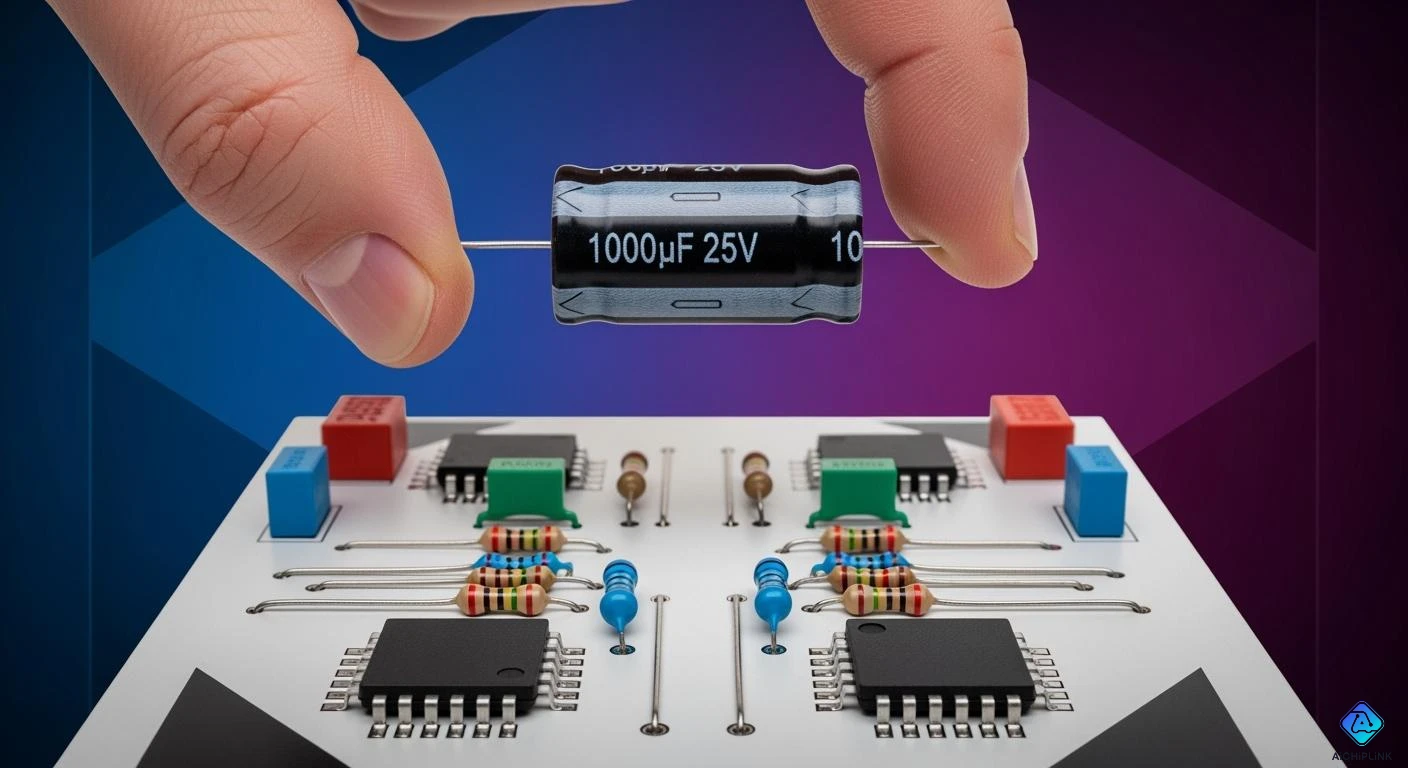
You use capacitors every day, even if you do not see them. Capacitors are important because they help your devices work well. They store energy, filter out noise, and control voltage changes. In both analog and digital systems, capacitors make sure circuits work right. For example:
-
Capacitors keep energy to hold steady voltage.
-
They take away noise to make signals better.
-
They block interference between parts, so devices last longer.
Without capacitors, your gadgets would not work as well or last as long.
Key Takeaways
-
Capacitors hold energy and let it go fast. This helps devices work well and deal with quick power changes.
-
They block unwanted noise and stop interference. This makes signals better in audio systems, radios, and digital circuits.
-
Capacitors make voltage changes less sharp. This keeps sensitive electronic parts safe from harm.
-
They help timing circuits control delays. You see this in clocks, alarms, and blinking lights.
-
There are different kinds of capacitors. Ceramic, electrolytic, and supercapacitors each have their own jobs in electronics.
What Does a Capacitor Do in Electronics
Energy Storage Function
A capacitor stores energy. You see capacitors in many devices. They can hold and release energy fast. The energy sits between two metal plates. These plates are separated by a dielectric. When you connect a capacitor to power, electrons gather on one plate. Electrons leave the other plate. This makes a charge difference. The electric field holds the energy until you need it.
-
A capacitor keeps energy in the electric field between its plates.
-
The amount of energy depends on the size and voltage.
-
You use the formula: E = 1/2 CV² to find stored energy.
If you use a camera flash, capacitors store battery energy. They release it quickly to make a bright flash. In power supplies, capacitors keep voltage steady. They store energy and release it when needed. To know how much energy a capacitor stores, check its capacitance and voltage. The energy helps devices work well, even when power changes fast.
Filtering and Noise Reduction
Capacitors also filter out noise. They clean signals in analog and digital circuits. Capacitors block unwanted frequencies. You use them in audio systems, radios, and computers. They act as high-pass filters. High-frequency signals pass through. Low ones are blocked. This keeps music clear and devices working well.
-
Decoupling capacitors keep power steady and reduce noise.
-
Bypass capacitors send high-frequency noise to ground.
-
Capacitors block low-frequency or DC signals and let higher ones through.
-
Radios use capacitors to tune out unwanted stations.
-
Speakers use capacitors to send high notes to tweeters and low notes to subwoofers.
You find capacitors in power lines, microcontrollers, and communication circuits. They lower interference and keep signals clean. If you want to filter noise, capacitors are the best tool.
Voltage Smoothing
Capacitors help with voltage changes. They smooth out voltage spikes and drops. This keeps voltage steady for sensitive parts.
Tip: If your lights flicker or devices shut down, unstable voltage may be the cause. Capacitors help stop these problems by smoothing power.
In power supply circuits, capacitors filter ripples and noise. They make sure devices get steady voltage. This protects them from damage. The energy in a capacitor helps manage changes and makes electronics reliable.
Here is a table to help you pick the right capacitor for voltage smoothing:
| Rectifier Type | Formula for Capacitance (C) |
|---|---|
| Full-Wave Rectifier | C = I_load / (4 × f × Vpp) |
| Half-Wave Rectifier | C = I_load / (2 × f × Vpp) |
-
Bigger load current means you need a bigger capacitor.
-
Full-wave rectifiers charge more often, so they need less capacitance.
-
If you want less ripple, use a larger capacitor.
Coupling and Decoupling
Capacitors are used for coupling and decoupling. They connect parts of a circuit. Coupling capacitors let AC signals pass but block DC. This keeps voltage levels separate. It is important in audio and radio circuits.
-
Coupling capacitors pass AC signals and block DC.
-
Decoupling capacitors keep voltage steady during sudden changes.
-
They protect microcontrollers and chips from voltage dips.
-
Decoupling capacitors lower interference and help prevent data errors.
When you put capacitors near integrated circuits, you improve stability and performance. The energy in a capacitor helps everything run smoothly, even when circuits change fast.
Why Capacitors Are Important for Circuits
Stable Voltage Supply
You want your devices to work well. Capacitors help by keeping voltage steady. When power changes, capacitors smooth out the bumps. They store energy and give it back when voltage drops. If voltage jumps up, capacitors take in the extra energy. This helps remove noise and ripples. Your devices get steady voltage, so they work better and last longer.
-
Capacitors help keep voltage steady in circuits.
-
They give back energy when voltage drops.
-
When voltage spikes, they take in extra energy.
-
This keeps noise and ripples low.
-
Sensitive parts get steady voltage and work better.
If you do not use capacitors, circuits can act strange. You might see more noise and problems. Your devices may not last as long.
Circuit Protection
Capacitors protect circuits from damage. Sudden voltage spikes can hurt parts. Capacitors act like shields. They take in extra energy during spikes or static shocks. This keeps your parts safe from harm.
-
Capacitors help control voltage and stop sudden spikes.
-
They smooth out changes in voltage.
-
During spikes, they take in extra energy.
-
This keeps parts safe from damage.
You can count on capacitors to keep electronics safe.
Timing and Delay
Capacitors help control timing in circuits. When you use a capacitor with a resistor, you make a timer. The time depends on the size of both parts. A bigger capacitor gives a longer delay. A smaller one gives a shorter delay. This is useful for blinking lights, alarms, and clocks.
The time constant, called τ = RC, shows how fast voltage changes. Use a big capacitor for slow changes. Use a small one for quick changes. Capacitors let you set the timing you want.
Tip: Use capacitors to make delays and keep current steady.
Capacitors are important in every circuit. They keep voltage steady, protect devices, and help with timing. You see their work in every good electronic device.
Capacitor Applications
Power Supply Circuits
Capacitors are in almost every power supply. They help keep voltage steady. This makes your devices run without stopping. When you use a phone charger or turn on a computer, capacitors work quietly. They store energy and release it when needed. This keeps voltage from changing too much. It also protects your electronics from sudden spikes.
Here is a table that shows how capacitors are used in power supplies:
| Application Type | Description |
|---|---|
| Reservoir Capacitors | Make rectifier output smoother. |
| Charge Pump Circuits | Store energy to make higher voltages. |
| Smoothing and Filtering | Lower ripple in DC output by storing and releasing charge. |
| Bulk Electrolytic Capacitors | Used for smoothing at low frequencies. |
| Ceramic Capacitors | Give high-frequency filtering near the output. |
Tip: Capacitors help keep voltage stable and make your devices more reliable.
Signal Processing
Capacitors are important in audio and radio circuits. They filter signals and remove noise. In audio systems, capacitors let high notes go to tweeters. They block low notes from those speakers. In radios, capacitors help tune to the right station. They let only certain frequencies pass.
-
Capacitors split AC and DC parts of a signal.
-
They make high-pass and low-pass filters for clear sound.
-
You see them in audio amplifiers and radio receivers.
Picking the right capacitor makes sound better and lowers interference.
Motor Start Circuits
Many home appliances use motors that need help to start. Fans and washing machines use capacitors for this. Capacitors give motors a quick burst of energy. This helps the motor start spinning fast.
-
Capacitors store energy and release it quickly to start motors.
-
They give a surge of current for smooth startup.
-
Without capacitors, motors may not start or could have trouble running.
Electronic Timing
Capacitors help control timing in many circuits. When you use a capacitor with a resistor, you make a timer. This decides how long a light stays on or how fast a buzzer sounds. The size of the capacitor changes the timing. You can set delays or make repeating signals.
-
Capacitors and resistors make RC circuits for timing.
-
The time constant controls how fast the capacitor charges or discharges.
-
You find these circuits in clocks, alarms, and blinking lights.
Capacitors help your electronics work better, faster, and more accurately in many real-world uses.
Capacitor Types
There are many kinds of capacitors in electronics. Each kind has its own features. Some work better in certain places than others.
Ceramic Capacitors
Ceramic capacitors are small and tough. You use them when you need a tiny part that can handle high voltage. These capacitors are good when you do not need exact values but want something that works well.
-
They come in different sizes, from very small to medium.
-
You can use them to filter noise in power lines.
-
They work in circuits that need to tune signals and in radios.
-
Class 2 types give more capacitance in a small space, but they are not as steady.
Tip: Pick ceramic capacitors for decoupling and coupling in small spaces, like inside RF chips.
Electrolytic Capacitors
Electrolytic capacitors can store a lot of energy in a small size. You see them in power supplies and sound equipment. These capacitors use a thin oxide layer and a rough surface to hold more energy.
| Feature | Electrolytic Capacitors | Other Capacitors |
|---|---|---|
| Capacitance | High volumetric efficiency | Lower capacitance values |
| Voltage Ratings | High dielectric strength | Often lower |
| Dielectric Thickness | Very thin | Thicker |
| Surface Area of Anodes | Much higher | Usually smooth |
You use electrolytic capacitors when you need to smooth out voltage or store energy for a short time.
Film Capacitors
Film capacitors use thin plastic films as their insulator. You find them in circuits that need parts that stay the same and work well.
| Advantage | Description |
|---|---|
| Stability | They do not change much over time. |
| Low Inductance | They work well at high frequencies. |
| Self-Healing | They can fix small problems inside themselves. |
| Cost-Effective | They do not cost a lot. |
| Surge Tolerance | They can handle sudden jumps in power. |
You use film capacitors in sound systems, power supplies, and timing circuits.
Tantalum Capacitors
Tantalum capacitors are small and steady. You see them in things like phones, tablets, and car electronics.
-
They help filter power and keep voltage steady in electronics.
-
You find them in motherboards and SSDs for fast energy release.
-
Cars use them in control units and entertainment systems.
-
They help routers and base stations keep signals clear.
Note: Tantalum capacitors are good when you need small size and steady work.
Supercapacitors
Supercapacitors can store much more energy than regular capacitors. You use them when you need quick bursts of power or long life.
| Feature | Supercapacitors | Traditional Capacitors |
|---|---|---|
| Energy Storage | Very high (mF to kF range) | Lower (microfarads to millifarads) |
| Lifespan | Up to 1 million cycles | Shorter lifespan |
| Temperature Range | Wide range | Limited range |
You find supercapacitors in backup power, memory protection, and energy-saving devices.
You can choose the right capacitor for your project by knowing what each one does best.
You now know why capacitors matter in electronics. They make your devices run better and last longer. Capacitors do many things:
-
They hold energy so it is ready fast.
-
They keep voltage steady for good signals.
-
They help control timing in clocks and computers.
-
They protect parts from sudden electrical spikes.
You use capacitors every day for safe and strong circuits. If you want to know more, look at how different types of capacitors work in real devices.

Written by Jack Elliott from AIChipLink.
AIChipLink, one of the fastest-growing global independent electronic components distributors in the world, offers millions of products from thousands of manufacturers, and many of our in-stock parts is available to ship same day.
We mainly source and distribute integrated circuit (IC) products of brands such as Broadcom, Microchip, Texas Instruments, Infineon, NXP, Analog Devices, Qualcomm, Intel, etc., which are widely used in communication & network, telecom, industrial control, new energy and automotive electronics.
Empowered by AI, Linked to the Future. Get started on AIChipLink and submit your RFQ online today!
Frequently Asked Questions
What does a capacitor do in a circuit?
A capacitor stores energy and gives it out when needed. It helps keep voltage steady in the circuit. It also removes noise from signals. Capacitors protect sensitive parts from sudden voltage spikes.
How do you choose the right capacitor for your project?
You look at the voltage rating and capacitance value. Pick the type that fits your project needs. For noise filtering, use ceramic capacitors. For storing energy, use electrolytic capacitors.
Can a capacitor fix power supply problems?
Yes! Adding capacitors helps smooth out voltage changes. They lower ripple and make devices work better. This helps your devices last longer.
Why do you see capacitors near microchips?
Capacitors are put close to microchips to keep voltage steady. They stop sudden voltage drops and block noise. This keeps microchips safe and helps them work without mistakes.