What Are ARM Automotive MCUs and Why Are They Essential for Modern Vehicles
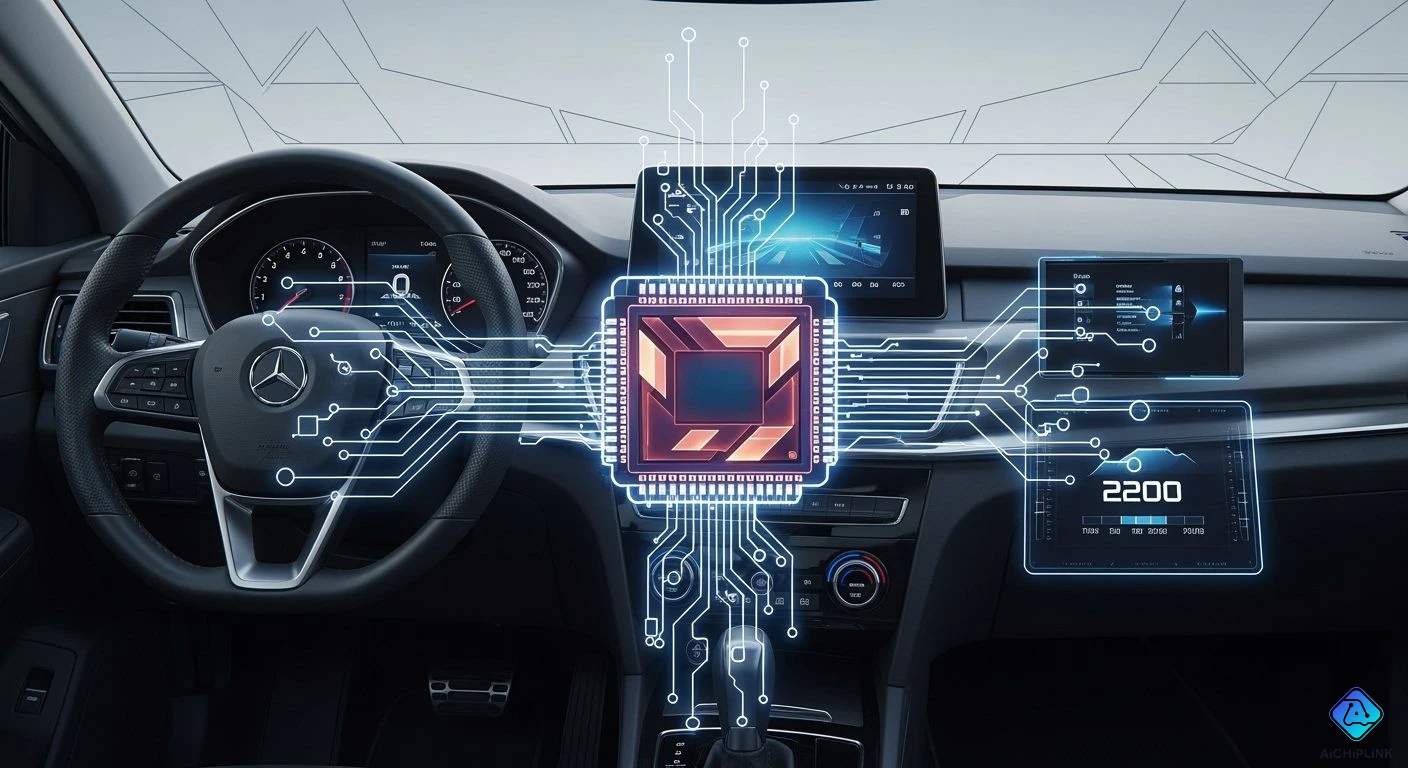
An arm automotive mcu works like the brain in cars. These microcontrollers help control things like the engine and safety features. Automotive engineers use these mcus to make cars safe and work well. The technology lets hardware and software grow and change easily. This makes building cars faster and more dependable. The table below shows how important features of automotive mcus help with safety and efficiency:
| Feature | Contribution to Vehicle Safety and Efficiency |
|---|---|
| Common Architecture | Lets hardware and software be used again, so engineers save time. |
| Safety that Scales | Gives safety features for different needs and solutions. |
| Advanced Security | Keeps cars safe from attacks and helps with updates. |
Automotive systems need to be very good. Arm automotive mcu technology helps reach these goals every day.
Key Takeaways
- ARM automotive MCUs are like the brain of cars. They control important parts like the engine and safety systems. These microcontrollers help cars stay safe and work better. They process data fast and help car parts talk to each other. ARM MCUs have strong security to keep cars safe from hackers. This makes sure cars work safely and get safe updates. Automotive MCUs can handle tough places. They work well in very hot or cold weather. Using ARM-based solutions helps car makers save money and time. They put many jobs into one device, making car design easier.
What Is an ARM Automotive MCU?
MCU Basics in Automotive
Automotive microcontrollers are very important in today’s cars. They control many systems, like the engine and safety parts. These microcontrollers help different electronic parts talk to each other. Engineers use them to quickly process information and manage tasks. They watch sensors and control things called actuators. Microcontrollers connect to car parts with interfaces like UART, LIN-UART, and I2C. They also help send messages between ECUs. This is called network node processing. The table below shows some main jobs of automotive microcontrollers:
| Functionality | Description |
|---|---|
| Core Component | MCUs serve as the central element in a car's electrical control system. |
| Processing Performance | Designed to handle complex processing tasks efficiently. |
| Network Node Processing | Supports multiple message buffers for ECU communication. |
| Interface Support | Provides flexible connections to peripherals through various interfaces. |
ARM Architecture Overview
The arm automotive mcu uses ARM Cortex-M series technology. This design gives high performance and real-time support. It lets many applications run at once without problems. This is important for safety systems in cars. ARM-based automotive microcontrollers have advanced core technology. They also use new memory solutions like Phase Change Memory. These features help with updates and better memory use. The table below shows important features of advanced automotive mcus:
| Characteristic | Description |
|---|---|
| Advanced Core Technology | Based on Arm Cortex-R52+ for high performance and real-time virtualization. |
| Real-Time Virtualization | Supports running multiple applications simultaneously. |
| Ethernet Support | Embeds an Ethernet switch for efficient and secure data exchange. |
| Innovative Memory Technology | Uses Phase Change Memory for flexible updates and better performance. |
| Safety and Compliance | Built on advanced safety features for strict automotive regulations. |
ARM automotive microcontrollers put many functions in one device. This helps lower wiring and makes building cars cheaper.
Automotive-Grade Requirements
Automotive grade quality means meeting tough industry rules. Automotive microcontrollers must pass tests for stress, heat, and reliability. The table below lists important standards for automotive grade microcontrollers:
| Standard | Description |
|---|---|
| AEC-Q100 | Stress Test Qualification for Integrated Circuits (ICs) |
| AEC-Q101 | Stress Test Qualification for Discrete Semiconductors |
| AEC-Q102 | Stress Test Qualification for Discrete Optoelectronic Semiconductors (LEDs) |
| AEC-Q103 | Stress Test Qualification for Micro-Electro-Mechanical Systems (MEMS) |
| AEC-Q104 | Stress Test Qualification for Multichip Modules (MCM) |
| AEC-Q200 | Stress Test Qualification for Passive Components |
Automotive grade microcontrollers must work in tough places, from -40°C to 105°C. They must resist interference. They need strong computing, lots of storage, and support for car communication like CAN FD and Ethernet. Security features, like cryptographic acceleration and secure boot, keep the car safe from threats. These rules make sure automotive microcontrollers work well and keep cars safe.
Key Features of Automotive MCU Technology
Automotive mcu technology has many features that help cars today. These features make cars safe, efficient, and reliable. They include strong processing, advanced safety, high security, and working in tough places. Each feature helps cars handle daily driving and emergencies.
Processing Power and Efficiency
Automotive microcontrollers must process information fast and use little energy. This helps cars react quickly and saves battery life. For example, seat belt pretensioners and ADAS need fast, energy-saving microcontrollers to work right.
Special benchmarks measure how well microcontrollers perform in cars. These tests show how microcontrollers handle real car tasks and how much energy they use. The table below lists some common benchmarks:
| Benchmark Type | Description |
|---|---|
| EEMBC Automotive/Industrial | Tests algorithms used in automotive applications, like CAN data requests. |
| ULPMark-CoreProfile | Measures energy use during deep sleep and when waking up. |
| ULPMark-PeripheralProfile | Checks energy use of peripherals during deep sleep. |
| ULPMark-CM | Runs CoreMark for active workload performance. |
ARM automotive mcu designs use Cortex-M CPUs. These CPUs give high performance and use less power. The Cortex-M family supports many car uses. This helps engineers build energy-saving microcontrollers for different needs.
Functional Safety in Automotive MCUs
Functional safety is very important in car systems. It means the microcontroller can find and fix errors before they cause harm. Safety systems like airbags and brakes depend on these features to keep people safe.
International standards help companies design and test microcontrollers for safety. The table below shows two important standards:
| Standard | Description |
|---|---|
| ISO 26262 | Focuses on reducing the risk of dangerous events in automotive electrical and electronic systems. |
| IEC 61508 | Sets the base rules for functional safety in many industries. |
Automotive functional safety uses the ASIL system. This system helps engineers know how much safety a part needs if it fails. Features like lockstep cores, ECC, and watchdog timers help microcontrollers meet these safety rules.
Advanced Security Features
Modern cars connect to the internet and other devices. Security is more important than ever. Automotive microcontrollers have advanced security to stop cyber threats. These features keep the car and people safe.
Some key security features are:
-
Built-in isolation and encryption to protect software and data.
-
Secure identity checks so only trusted devices talk to the car.
-
Secure Boot loads only checked software onto the microcontroller.
-
A special security enclave keeps car assets safe from attacks.
These features stop hackers from taking over safety systems or stealing data. They also help with safe updates and secure communication with the cloud.
Reliability in Harsh Environments
Automotive microcontrollers must work in tough conditions. They face hot and cold, interference, and must run all the time. For example, a microcontroller in an engine control unit must work even in snow or heat.
Manufacturers test microcontrollers with strict standards like AEC-Q100. These tests check if the microcontroller can handle temperature changes, shaking, and electrical noise. Features like built-in safety checks, error correction, and self-tests help make sure they work well.
Note: The NXP MCX E series, based on ARM cores, shows how automotive MCUs can meet these tough demands with industrial-grade temperature ratings and secure provisioning.
Automotive mcu technology brings all these features together. This helps with daily driving and emergencies. By combining strong performance, advanced safety, and reliable operation, these microcontrollers help make cars safer and more efficient.
ARM MCUs in Modern Vehicles
ADAS and Safety Systems
Automotive engineers use arm automotive mcu technology for advanced driver-assistance systems. These systems help drivers stay safe. They use sensors and cameras to watch the road. The mcus process sensor information quickly. They help electronic control units make fast choices. For example, they decide when to brake or warn the driver. Advanced driver assistance systems need microcontrollers that handle lots of data. They must run safety-critical code. Over-the-air updates keep these systems up to date with new safety rules.
Some common automotive systems powered by mcus include:
-
Engine Control Unit (ECU) controls fuel injection and ignition timing.
-
Anti-lock Braking System (ABS) checks wheel speed and helps with safe stopping.
-
Body Control Module (BCM) manages power windows and lights.
-
Airbag Control Unit finds crashes and deploys airbags.
-
Drivetrain control and chassis management.
These features make vehicles safer and work better. They also help automakers prepare for future autonomous driving platforms.
Powertrain and Body Control
Automotive mcus are important for powertrain and body control. They manage the engine, transmission, and electric motors. These microcontrollers help with thermal management. This is important for electric and hybrid vehicles. They save energy and reduce power loss. This makes driving smoother and more efficient.
Automotive systems use ARM Cortex-M0+ and Cortex-R microcontrollers for high-performance control. These mcus support fast control loops. They can reach up to 95% efficiency. They also help make automotive parts smaller and cheaper. Fault-tolerant designs keep vehicles reliable and safe in extreme temperatures.
Note: Reliable mcus keep vehicles running safely, even in harsh conditions.
Connectivity and Infotainment
Modern vehicles need strong connectivity and infotainment features. ARM MCUs connect to Wi-Fi, smartphones, GPS, and wireless sensors. They let drivers use Bluetooth, USB, and Ethernet for fast data transfer. Infotainment systems use GPUs for games. They use machine learning for gesture controls.
The table below shows key features that support automotive connectivity:
| Feature | Description |
|---|---|
| Connectivity Options | Connects to Wi-Fi, smartphones, GPS, and wireless sensors |
| Wired Connectivity | CAN-FD, Ethernet, USB, PCIe for fast and secure data |
| Wireless Connectivity | Bluetooth, NFC, and broadcast signals |
| Security Features | Hardware accelerators and cryptography for safe operations |
| OTA Updates | Over-the-air updates for new features and bug fixes |
| High-Speed Connectivity | 5G support for real-time updates and infotainment |
Automakers use these features to give drivers better entertainment. They also make vehicles safer and more connected.
Microcontrollers Used in the Automotive Industry
ARM vs. Other MCU Types
Cars use different microcontrollers for many jobs. Each kind does a special job in the car. Some microcontrollers do easy tasks. Others control more complex systems. The table below lists the main types, what they do, and some examples:
| Microcontroller Type | Applications | Examples |
|---|---|---|
| 8-bit | Basic control and monitoring tasks | Microchip PIC18-Q83/84, STMicroelectronics STM8A, Microchip AVR |
| 16-bit | Body control modules, dashboard displays, basic ECUs | Microchip PIC24F, STMicroelectronics ST10 |
| 32-bit | Engine control, infotainment, ADAS, BMS | STMicroelectronics SPC5, Stellar family, Microchip PIC32 |
Most cars now use 32-bit microcontrollers for new features. These microcontrollers help with engine control and safety. ARM automotive mcu technology is a leader here. It gives strong performance and works for many car uses.
The next table shows how ARM-based microcontrollers compare to others:
| Feature | ARM-based Microcontrollers | Other Microcontrollers |
|---|---|---|
| Performance | Wide range from low-power to high-performance multi-core | Generally lower performance levels |
| Integration | Extensive development ecosystem with numerous tools | Limited tools and community support |
| Power Efficiency | Optimized for power efficiency, though not as specialized | Often focused on low-power consumption |
| Industry Adoption | Widespread across various industries | More niche applications |
ARM-based microcontrollers are known for their speed and support. They help engineers make car systems that work well and last long.
Advantages of ARM-Based Solutions
ARM-based solutions give many good things to the car industry. These microcontrollers used in the automotive industry offer:
-
High performance with processors like Cortex-R52, which support real-time, multi-core products.
-
Energy efficiency, which helps systems run longer during low-power periods.
-
Scalability, allowing engineers to run many applications on one platform and reuse tools and software.
-
Built-in safety features that keep functions separate and reduce the number of ECUs needed.
Microcontrollers used in the automotive industry also help save money. They put many jobs into one device, so fewer parts are needed. This makes car electronics cost less. Engineers can also make new products faster without starting over.
Note: Microcontrollers used in the automotive industry must balance power, cost, and safety. ARM-based solutions help automakers meet these goals and get ready for new car technology.
ARM Automotive MCUs help cars become smarter and safer. Companies like ARM and Panasonic team up to make new car technology. These microcontrollers let electric and self-driving cars handle data fast and keep things safe. They use less energy, have strong security, and get ready for new trends. Some main benefits are:
-
Better safety systems that work in real time
-
Good performance for driving every day
-
Easy designs for new car uses
People will see cars that are safer, smarter, and more connected each day.

Written by Jack Elliott from AIChipLink.
AIChipLink, one of the fastest-growing global independent electronic components distributors in the world, offers millions of products from thousands of manufacturers, and many of our in-stock parts is available to ship same day.
We mainly source and distribute integrated circuit (IC) products of brands such as Broadcom, Microchip, Texas Instruments, Infineon, NXP, Analog Devices, Qualcomm, Intel, etc., which are widely used in communication & network, telecom, industrial control, new energy and automotive electronics.
Empowered by AI, Linked to the Future. Get started on AIChipLink and submit your RFQ online today!
Frequently Asked Questions
What is an ARM MCU in a car?
An ARM MCU helps control the car’s electronics. It runs things like the engine and safety systems. It also helps with music and screens. Engineers use it to make cars safer and smarter.
How does an automotive MCU improve safety?
Automotive MCUs watch sensors and turn on safety systems. They help airbags go off fast and brakes work quickly. These microcontrollers find problems and keep people safe.
Can automotive MCUs handle extreme temperatures?
Manufacturers make automotive MCUs work from -40°C to 105°C. They test them for heat, cold, and shaking. This makes sure they work well in tough places.
Why do modern vehicles need advanced microcontrollers?
Modern cars need advanced microcontrollers to process data fast. These devices help with driver help, connections, and saving power. They make cars run safely and smoothly.
How do MCUs support infotainment systems?
MCUs connect to smartphones, Wi-Fi, and Bluetooth. They handle sound and video signals. Drivers can listen to music, use maps, and call hands-free because of these microcontrollers.