Latest advancements in electrochemical sensor technology
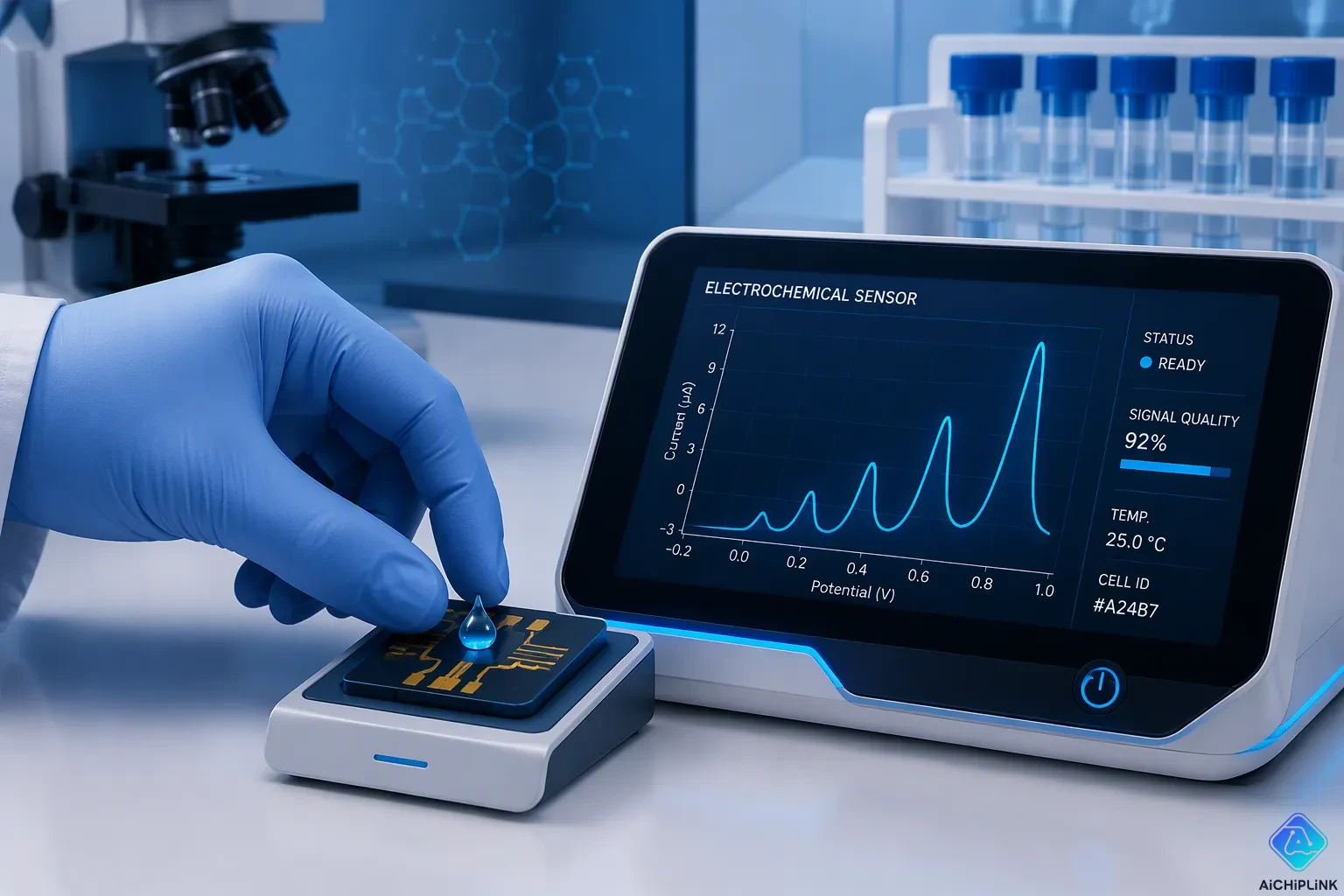
How do today's electrochemical sensors meet the needs of modern diagnostics? New discoveries in materials science and engineering greatly boost how well these sensors work. The field is moving toward smaller devices, live tracking, and linking with smart tech. Smaller sensors allow testing right at the patient's side and constant monitoring. This is a key turning point for healthcare and watching the environment. Three main areas of progress are better materials, tiny biosensors, and fresh ways to detect things. These advances improve electrochemical detection and widen the uses of biosensors, making them vital for point-of-care testing. Electrochemical detection methods are now far more dependable. Electrochemical sensing tech offers better sensitivity and precision. New electrochemical sensor technologies keep changing the field.
Key Takeaways
-
New materials such as graphene and carbon nanotubes help sensors detect things better and with more precision.
-
Smaller sensors let doctors test patients right at the bedside and keep an eye on their health all the time.
-
Aptamers and molecularly imprinted polymers are stable, low-cost options that can replace antibodies.
-
Wearable biosensors monitor health as it happens and link to phones for simple data viewing.
-
These improvements make it easier to check the environment and test food for safety.
Advanced Materials for Electrochemical Sensors
New discoveries in materials science give us better tools to build electrochemical sensors. Carbon nanomaterials and changed electrode surfaces now help make sensors work much better. These materials let researchers find targets at lower amounts with higher accuracy.
Carbon Nanomaterials for Enhanced Sensitivity
Carbon nanomaterials change how electrochemical sensors work. Graphene and carbon nanotubes have great electronic properties. These materials speed up how electrons move at the electrode surface. The unique structure of these nanomaterials also gives a larger active surface area. Better sensitivity and lower detection limits come directly from these improvements.
One new idea is a graphene field-effect transistor sensor with silver nanoparticles. This design is for glucose detection. The silver nanoparticles make the sensor much more sensitive. This method shows a practical way to improve graphene-based electrochemical sensors for finding biomarkers.
Another new development is a flexible FET-type aptasensor for the CA 125 cancer marker. This sensor uses carboxylated multiwalled carbon nanotubes on a reduced graphene oxide film. The design allows very sensitive detection. Such electrochemical biosensors show great promise for early disease diagnosis. These biosensors are a key step forward in sensing biomolecules.
Researchers also made a method to control graphene oxide reduction step by step. They combine this with real-time testing of leftover oxygen using Electrochemical Surface Plasmon Resonance. This technique lets them control graphene material properties precisely. A label-free electrochemical immunosensor benefits from this control. The method improves sensor performance through careful material engineering.
Detection limits for dopamine show clear progress. A graphene ink sensor reaches 1 nM detection limit. Another design using platinum-gold on laser-induced graphene reaches 75 nM. These numbers show the great sensitivity possible with carbon nanomaterials. Finding biomolecules becomes more reliable with these advanced platforms. Electrochemical detection reaches new levels with these materials.
Novel Electrode Surface Modifications
Surface changes open new possibilities for electrochemical sensing platforms. Metal nanoparticles, conductive polymers, and metal-organic frameworks offer different benefits. These changes improve selectivity and allow detection without labels.
Gold nanoparticles are very useful for sensor changes. In one experiment, researchers put gold nanoparticles on a fluorine-doped tin oxide electrode. This creates a smooth conductive layer. The layer gives a place for antibodies to attach through ionic and hydrophobic interactions. Big current changes happen when a specific antigen binds. This method finds chlorpyrifos with high sensitivity.
Another method uses citrate-capped gold nanoparticles on a modified gold electrode. The negatively charged surface pushes away the redox probe. AChE hydrolysis makes positively charged thiocholine. This compound replaces citrate through gold-sulfur bonding. The surface charge flips and pulls in the redox probe. A positive electrochemical response follows. Carbamate pesticide stopping AChE leads to a signal change that can be measured. This method shows good sensitivity for finding pesticides.
Conductive polymers also play a key role in sensor changes. Materials like PEDOT, PPy, and PANI have built-in electrical conductivity. They allow strong signal transmission for sensitive detection. These polymers stay chemically and electrochemically stable during sensing. This stability ensures repeatability, which is important for environmental monitoring. Mechanical flexibility and long-lasting shape make these polymers good for strong sensor designs. Simple and cheap ways to make them help with large-scale production. PEDOT:PSS offers extra benefits like being easy to make and safe for living things. These biosensors show high stability in real-world conditions.
These polymer coatings also improve selectivity. Permselective coatings act as barriers based on analyte size, charge, or polarity. This property allows very selective detection of small molecules in complex mixtures. The protective films stop surface clogging by blocking large molecules from sticking. This keeps sensor performance over time. Catalysts fixed inside polymer matrices help electrons move. Faster electrode reactions happen at lower voltages. Arrays of electrodes changed independently give fingerprint patterns for testing many parts at once. This ability helps with environmental monitoring. Finding heavy metals in various samples becomes accurate.
An electrochemical detection method through these changes allows detection without labels. Heavy metal ion detection benefits from these selective coatings. Finding heavy metals like lead and cadmium becomes more reliable. Toxic heavy metals at lower amounts become detectable. Electrochemical detection for heavy metal ions continues to get better. Heavy metal ion detection in water becomes easier. Environmental pollution monitoring depends on these advances. Finding heavy metals remains a public health priority. These coatings give excellent sensitivity and selectivity for many targets.
The mix of carbon nanomaterials and surface changes creates powerful electrochemical sensing technology. These electrochemical biosensors now offer unmatched sensitivity and selectivity. The improvements in sensitivity and selectivity open new uses in healthcare and environmental analysis. Electrochemical detection for biosensors reaches new levels of performance. Electrochemical detection methods now offer greater reliability. These electrochemical biosensors will change how we watch health and the environment. Electrochemical detection also moves forward with portable sensor designs.
Miniaturized Electrochemical Biosensors for Healthcare
The push toward smaller devices continues to reshape healthcare delivery. Miniaturization allows these tools to operate directly at the point of care. Patients no longer need laboratory visits for routine tests. Continuous monitoring becomes possible when sensors shrink to wearable or implantable sizes. This trend responds to growing demands for precision in both medical and industrial settings.
Wearable and Implantable Sensor Designs
Wearable biosensors now track physiological signals through sweat, tears, and interstitial fluid. These biosensors convert biological events into measurable electrical signals. Glucose monitoring demonstrates this progress clearly. The FDA approved the first continuous glucose monitor in 2004. Early devices like GlucoWatch appeared even earlier in 2001. Modern systems such as Dexcom G6/G7, Abbott FreeStyle Libre, and Medtronic Guardian provide continuous data for up to 14 days. These devices achieve MARD values below 9% with minimal calibration requirements.
Sweat analysis represents another frontier for wearable biosensors. Fully integrated multiplexed systems detect multiple analytes simultaneously. Microfluidics improve sample transport and temporal resolution. Self-powered sensors now incorporate energy harvesting for sustainable autonomous operation. Iontophoresis enables active sweat induction for sedentary patients. These advances support disease diagnosis and health monitoring outside clinical settings.
Implantable biosensors face distinct challenges. Biofouling remains the primary obstacle. Proteins and cells accumulate on sensor surfaces, blocking interaction with target analytes. This limits operational duration to just a few hours in routine procedures. Bioreceptor degradation also threatens long-term function. Antibodies and enzymes lose activity through chemical and enzymatic breakdown. Antifouling self-assembled monolayers gradually desorb due to thermal or electrical effects. Nanostructured electrodes suppress non-specific binding but still fail within 12 hours in vivo. These biosensors work best for targets under 1 kDa molecular weight. Better affinity reagents would expand detection capabilities.
Integration with Digital Health Technologies
Digital connectivity transforms how patients and clinicians use biosensors. Modern electrochemical biosensors process health data locally using edge computing and artificial intelligence. These devices then transmit concise updates wirelessly to smartphones. This approach reduces power consumption while enabling continuous monitoring.
Dexcom CGM exemplifies successful smartphone integration. The clinically validated system syncs with mobile apps, turning real-time physiological data into actionable insights. Abbott FreeStyle Libre offers similar functionality. The minimally invasive sensor enables routine glucose tracking and straightforward data sharing with phones or readers. These electrochemical sensing platforms demonstrate scalable integration with consumer technology.
The combination of miniaturization and connectivity creates powerful tools for public health. Remote patient monitoring reduces hospital visits while improving outcomes. Clinicians receive alerts when readings fall outside safe ranges. Patients gain autonomy through self-management. These electrochemical sensors also show promise for cancer cell detection. Researchers adapt the same platforms to identify circulating tumor cells. Electrochemical detection of cancer cells offers a label-free approach with high sensitivity. This capability supports early diagnosis of diseases that previously required invasive biopsies.
The convergence of materials science and digital technology accelerates progress. Electrochemical detection now achieves remarkable sensitivity and selectivity in compact formats. These electrochemical biosensors continue to expand their biomedical applications. The detection of biomolecules in real time opens new therapeutic possibilities. Real-time detection of disease markers transforms treatment decisions. Real-time monitoring of chronic conditions prevents complications before they escalate. These electrochemical biosensors represent a fundamental shift in healthcare delivery. Their impact on public health will only grow as technology advances.
Novel Detection Strategies in Electrochemical Biosensors
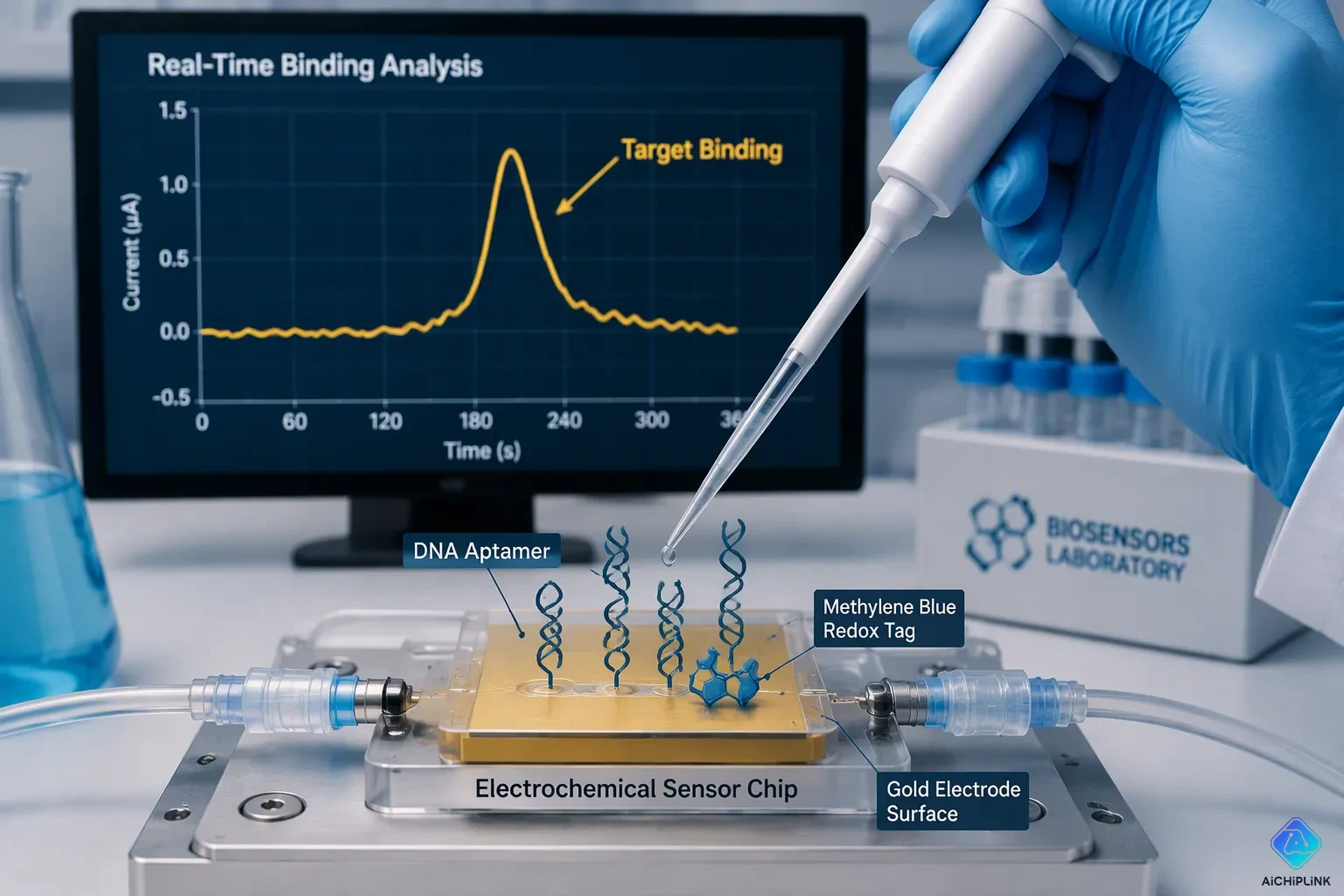
New detection methods push electrochemical sensors past old enzyme-based designs. Researchers now use aptamers and molecularly imprinted polymers to catch targets. These advanced methods offer better stability, lower cost, and improved performance for real-world use.
Aptamer-Based Sensing for Real-Time Analysis
Aptamers are short DNA or RNA strands that bind strongly to specific targets. These molecules have several benefits over antibodies. Aptamers are much lighter, so they can enter cells more easily. Scientists can make them in a lab, which gives steady quality without using animals. Aptamers stay stable under heat, pH changes, and drying. They can refold after being unfolded, unlike antibodies that break down forever.
The shape change of aptamers lets them work without extra chemicals. A redox tag attached to the aptamer moves when it binds to a target, changing the electric current. This design removes the need for extra steps or washing. The aptamer's reversible folding allows constant real-time detection. This feature makes them great for monitoring small molecules and proteins continuously.
Redox cycling makes signals even stronger in these sensors. This method repeatedly creates or uses up signaling molecules, raising the signal above background noise. For PSA detection, using electrochemical-enzymatic redox cycling gave a detection limit of 1 pg/mL in PBS and 10 pg/mL in serum. Cortisol detection reached about 30 pM within 12 minutes in human serum. DNA detection using electrochemical-chemical redox cycling achieved about 300 copies in 13.2 µL.
Aptamer-based sensors find biomarkers, germs, and toxins, with potential for quick, real-time checks on biological samples. Adding them to microfluidic devices and nanoparticle-based sensors allows small, portable diagnostic tools. RNA aptamers are used in environmental monitoring, detecting pollutants with high sensitivity and specificity.
These sensors also help detect cancer cells by spotting specific markers on their surface. The small size of aptamers (~15 kDa vs. ~150 kDa for antibodies) lets them pack tightly on sensor surfaces. This improves the signal in tiny devices. Synthetic aptamers cost about ten times less than antibodies made in living systems.
Molecularly Imprinted Polymers for Selective Detection
Molecularly imprinted polymers (MIPs) act as synthetic receptors with great selectivity. These polymers have cavities that match target molecules in shape, size, and chemical groups. MIPs offer much better long-term stability and chemical resistance. They can handle extreme pH and temperature that destroy natural antibodies.
-
MIPs are strong, cheap, and very specific, finding target molecules even in complex mixtures.
-
MIPs combine toughness with high selectivity, handling changes in temperature, pH, and organic solvents.
-
Biological receptors are unstable, which shortens the device's life and raises costs.
These synthetic receptors improve electrochemical detection of heavy metals. The selective cavities grab specific metal ions while blocking others. Heavy metal ion detection becomes more reliable in environmental samples. Detection of lead and cadmium reaches lower concentrations. This method helps with food safety screening.
MIP-based sensors also allow electrochemical detection of DNA using matching binding sites. The tough nature of MIPs makes the sensor last much longer. Food safety tests can be used many times without losing performance. The sensitivity and selectivity of MIP-based sensors match biological receptors. These sensors give steady results over many test cycles. Electrochemical detection of DNA with MIPs opens new diagnostic options. Heavy metal ion detection in water supplies protects public health. Detection of heavy metals in soil helps with farming checks. These sensors combine low cost with reliable performance. DNA detection continues to improve through polymer engineering. Heavy metal ion detection stays a priority for regulators. Detection of heavy metals supports industrial waste management. These sensors offer practical solutions for field testing. The electrochemical method proves useful across many areas. Detection of biomolecules with MIPs expands research. Cancer cell detection benefits from MIP specificity for tumor markers. These sensors change how labs do routine analysis.
These advances in electrochemical sensors share a common thread: enhanced sensitivity, selectivity, and miniaturization. The convergence of materials science, biology, and digital technology drives this progress. By 2030, multi-analyte platforms will integrate AI for complex data interpretation. These electrochemical biosensors combine electrochemical detection with optical or thermal transduction. Commercial collaborations accelerate clinical adoption. Real-time monitoring and real-time detection of disease markers transform patient care. These biosensors improve public health outcomes. Biosensors offer powerful tools for personalized medicine. Electrochemical biosensors expand biomedical applications. Electrochemical detection reaches new levels of reliability. These biosensors will revolutionize global health. Public health benefits from these innovations.

Written by Jack Elliott from AIChipLink.
AIChipLink, one of the fastest-growing global independent electronic components distributors in the world, offers millions of products from thousands of manufacturers, and many of our in-stock parts is available to ship same day.
We mainly source and distribute integrated circuit (IC) products of brands such as Broadcom, Microchip, Texas Instruments, Infineon, NXP, Analog Devices, Qualcomm, Intel, etc., which are widely used in communication & network, telecom, industrial control, new energy and automotive electronics.
Empowered by AI, Linked to the Future. Get started on AIChipLink and submit your RFQ online today!
Frequently Asked Questions
What makes electrochemical sensors different from other detection methods?
Electrochemical sensors turn a biological event into an electrical signal. This design allows precise detection of targets. These biosensors offer high sensitivity and selectivity. They enable real-time analysis without complex equipment.
How do wearable biosensors help with health monitoring?
Wearable biosensors track health markers in sweat, tears, or interstitial fluid. These electrochemical biosensors send data to smartphones. Patients can monitor conditions continuously. This technology supports early disease detection.
Can these sensors detect environmental pollutants?
Yes, electrochemical detection identifies heavy metals and toxins in water. Detection of heavy metals helps protect water supplies. Environmental pollution monitoring becomes more accurate with these sensors. Environmental monitoring benefits from portable designs.
Are electrochemical sensors used for food safety testing?
Food safety testing uses these sensors to find pesticides and contaminants. Electrochemical detection offers quick results without lab equipment. Food safety checks become faster and cheaper. These biosensors ensure product quality.
How will these sensors improve public health?
Electrochemical biosensors enable remote patient monitoring. Public health systems can track disease markers in real time. These biosensors reduce hospital visits. They provide affordable diagnostics for everyone.