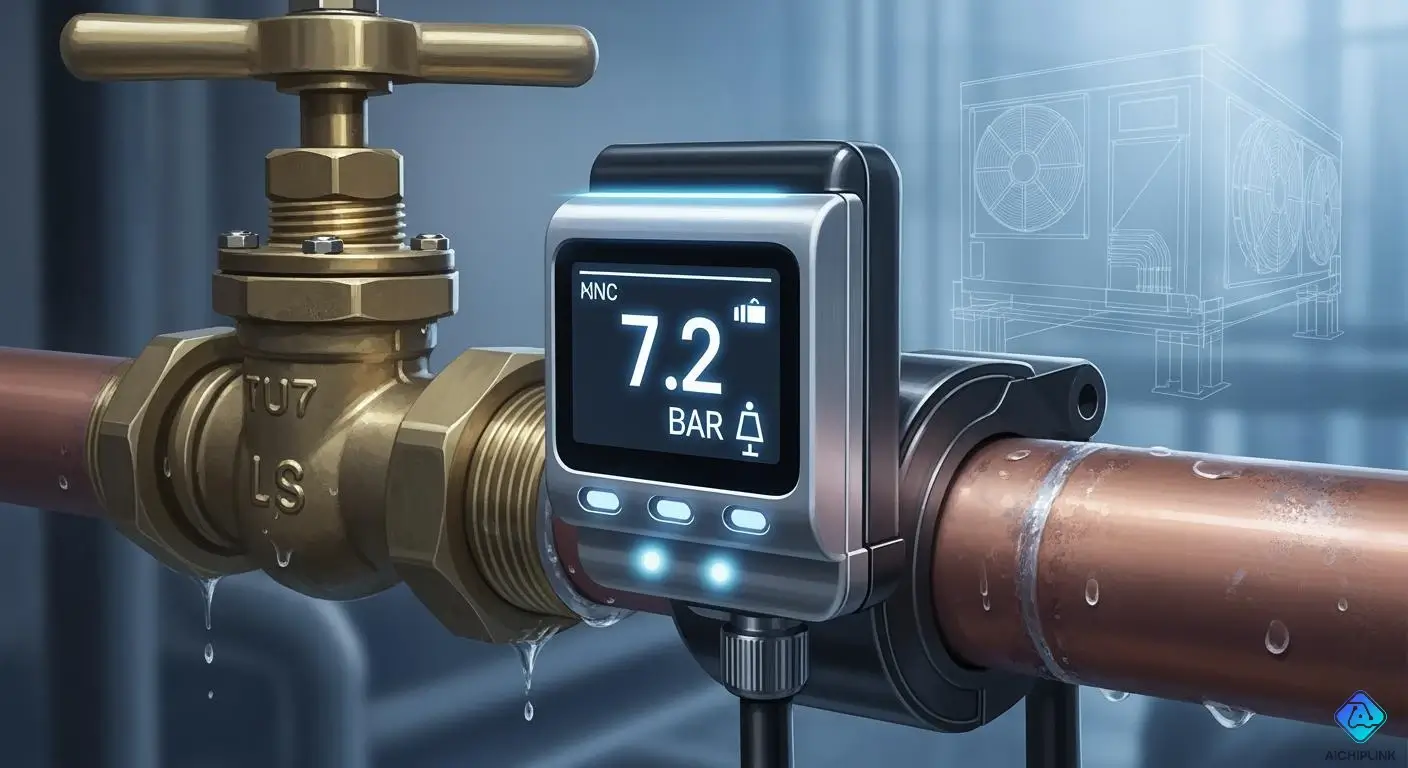
You count on modern HVAC systems to keep your rooms nice. When you use these systems, a2l refrigerant safety matters more. New refrigerants are better for the environment but have special risks. A2L sensors help you find leaks fast. This keeps you safe from fire and makes the air safe. With good safety tools, you can trust your HVAC system every day.
Key Takeaways
-
A2L sensors can find refrigerant leaks very fast, usually in under 15 seconds. This helps stop dangerous problems from happening.
-
These sensors use strict alarm rules to warn you when refrigerant gets too high. This makes sure you can act quickly.
-
A2L sensors watch things in real time. This helps HVAC systems work better, saves energy, and lowers costs.
-
It is important to put A2L sensors in the right place and check them often. This helps them find leaks and keep people safe.
-
Using A2L sensors helps you follow safety rules. This protects people and the environment.
A2L sensors and refrigerant safety
How A2L sensors detect leaks
It is important to know how A2L sensors keep your HVAC system safe. These sensors check the air for A2L refrigerants all the time. They use special tools like electrochemical and infrared technology. These tools help them find even tiny amounts of A2L refrigerants. When A2L sensors notice gas levels getting close to danger, they start safety steps right away. This helps stop problems before they get worse.
-
A2L sensors always check the air for certain gases.
-
They use smart ways to find A2L refrigerants.
-
When gas gets close to a set limit, they start safety steps like turning on fans or shutting off machines.
A2L sensors act fast. Most can find a leak in less than 15 seconds. They last a long time, often more than 15 years. This quick action means you get warnings before the leak becomes a big problem.
| Response Time | Lifespan |
|---|---|
| < 15 seconds | > 15 years |
Alarm protocols and mitigation strategies
When A2L sensors find a leak, they follow strict alarm rules. Rules like IEC / UL 60335-2-89 and ASHRAE 15 say alarms must go off when A2L refrigerant levels reach 25% of the Lower Flammability Limit (LFL). This early warning helps you act before things get unsafe.
| Standard | Alarm Condition | Description |
|---|---|---|
| IEC / UL 60335-2-89 | Alarm at 25% LFL | Needs alarms at different points to stop fire dangers. |
| ASHRAE 15 | Alarm at TLV-TWA | Needs detectors in machine rooms to turn on alarms and fans at unsafe levels. |
After an alarm, safety steps begin. These steps keep you and your building safe:
| Strategy | Description |
|---|---|
| Proper Ventilation | Vents on the floor move heavy A2L refrigerants out, using fans to push gas outside. |
| Medusa System | This control center boosts airflow and changes actions based on sensor info. |
| Gas Sensors | They start safety steps like turning on fans, warning you, and shutting off machines. |
Tip: Always check that your HVAC system has working alarms and fans. This keeps you safe from leaks and fire dangers.
Real-time monitoring for safety
Real-time monitoring gives you protection all the time. A2L sensors check gas levels every second. If they find a problem, they start safety steps right away. Systems like the Medusa controller act as the brain of your HVAC safety. They look for leaks, turn on fans, and sound alarms if needed.
| Component | Function |
|---|---|
| Medusa Monitoring System | Controls A2L refrigerant gas for better safety in HVAC systems. |
| Gas concentration detection | Watches for unsafe gas and starts safety steps. |
| Forced ventilation system | Boosts airflow to lower gas when needed. |
| Safety alerts and alarms | Warns you with lights and sounds if gas gets too high. |
| Manual reset requirement | Makes you check the system before turning it back on. |
-
A2L sensors always check for A2L refrigerants.
-
They start safety steps if gas goes up.
-
Fans turn on to lower gas.
-
Alarms warn you right away.
Finding leaks early with A2L sensors does more than stop fires. It also saves energy. When you find leaks early, your HVAC system works better. You use less energy and need fewer A2L refrigerant refills. This means lower costs and a safer building.
Note: Smart leak detection helps you keep your HVAC system safe, steady, and energy-saving.
Why leak detection matters for A2L refrigerants
Flammability risks and health concerns
It is important to know the dangers of a2l refrigerants in your hvac system. These refrigerants can catch fire more easily than A1 types. But they are not as risky as A3 refrigerants. You can see how they compare in the table below:
| Property | A1 Refrigerants | A2L Refrigerants | A3 Refrigerants |
|---|---|---|---|
| Lower Flammability Limit | Very High | High | Low |
| Minimum Ignition Energy | High | Higher | Low |
| Heat of Combustion | Low | Moderate | Very High |
| Flammability Classification | Non-flammable | Mildly flammable | Highly flammable |
A2l refrigerants need more gas in the air to start a fire than A3 types. They also need more energy to light and do not react as strongly. Still, you must follow safety rules to stay safe. Leaks can make you sick. Breathing in these gases can cause coughing or trouble breathing. If you breathe them for a long time, your heart and lungs can get hurt. If the liquid touches your skin, it can burn or make you itch.
Impact on system performance
Leaks in your hvac system do more than cause danger. They make your system cool less and work harder. This can make your energy bills go up. The compressor can get too hot and break. You might need more repairs or even a new system. Leak detection helps you find problems early. You can fix leaks before they hurt your system or waste energy.
-
Cooling does not work as well
-
Energy use goes up
-
Compressor can get too hot or break
-
More repairs or new parts needed
Compliance with safety standards
You have to follow safety rules when using a2l refrigerants. In the US and EU, rules like IMC 2024, ASHRAE 15, and ASHRAE 34 tell you what to do. These rules say you need leak detectors, alarms, and emergency plans. For example, ASHRAE 15 says you must have fans and leak detectors in some places. UL 60335-2-89 sets limits for different equipment and refrigerant types. Leak detectors help you follow these rules and keep safe. Good sensors also help stop false alarms, so you only get real warnings.
Tip: Always make sure your hvac system follows all safety rules. This keeps you, your building, and the environment safe.
A2L sensor technologies
Advanced sensing chambers and hydrophobic screens
You want your HVAC to work well all year. Advanced sensing chambers help sensors find leaks, even when it is humid. Hydrophobic screens cover these chambers. They keep water out and protect the sensors from harm. This helps sensors last longer and give better readings.
| Benefit of Superhydrophobic Surfaces | Explanation |
|---|---|
| Mitigates moisture adsorption | Stops humidity from hurting how sensors work by blocking water. |
| Reduces contact area | Makes sensors stronger and less likely to break from weather. |
| Enhances accuracy and reliability | Keeps sensor readings steady, even when the weather changes. |
Soundwave profile monitoring
Some sensors use soundwaves to look for leaks. They check how fast sound moves through the air. If a2l refrigerants leak, the sound changes. The sensor finds this change and sends an alert. This method is quick, but cold weather can make it less accurate. Bad weather can also make the sensor work less well.
Infrared, semiconductor, and electrochemical sensors
There are three main sensor types in HVAC systems with a2l refrigerants. Infrared sensors use light to find leaks. Semiconductor sensors use special materials that react to gases. Electrochemical sensors use a chemical reaction to spot refrigerants. Each type has its own good points.
| Sensor Type | Detection Limit | Response Time |
|---|---|---|
| NDIR (Non-Dispersive Infrared) | 80 ppm | N/A |
| Metal Oxide Semiconductor | 200 ppm | N/A |
| Electrochemical | 150 ppm | N/A |
| Photoacoustic | N/A | < 8 s |
Pros and cons of each technology
You should know the good and bad sides of each sensor type before you pick one. Infrared sensors are fast and steady. Semiconductor sensors are cheap and last a long time. Electrochemical sensors are good for small leaks. All sensors can have trouble in very cold or rough places.
| Advantages | Disadvantages |
|---|---|
| Secure Communication | Can be blocked by things |
| Low Power Consumption | May hurt eyes |
| Reliable Motion Detection | Not much control |
| Non-Contact Sensing | Short range |
| Distance Measurement | Slower data speed |
| Small Size and Affordable | |
| Fast Response Time | |
| Good Stability | |
| Resistant to Corrosion | |
| High Repeatability |
Tip: Always check where you put sensors. Very hot, cold, or rough places can make sensors work less well. This helps keep your HVAC safe and working right.
Implementing A2L sensors
Selecting the right sensor
You must pick sensors that fit your HVAC system. The sensors should match the refrigerants you use. Look for sensors with UL and IEC safety marks. These marks show the sensors follow safety rules. Some sensors, like the Sensience A2L gas sensor, work well with A2L refrigerants. They have strong safety certificates. Check if the sensor works in tough places, like cold or wet areas. Put sensors close to places where leaks might happen. Make sure they connect to your building’s control system. Use more sensors in big rooms for better leak finding and safety.
-
Choose sensors with UL and IEC safety marks.
-
Make sure sensors work with A2L refrigerants.
-
Use extra sensors for big HVAC systems.
-
Put sensors near leak spots and keep air moving.
Installation and placement tips
Putting sensors in the right spot helps you find leaks fast. This keeps your HVAC system safe. A2L refrigerants are heavier than air. Put sensors near the floor and close to compressors or evaporators. Do not put sensors near exhausts. Exhausts can mess up sensor readings. Use the table below to help you know where to put sensors:
| Placement Recommendation | Reasoning |
|---|---|
| Near floor level | A2L refrigerants are heavier than air. |
| In mechanical rooms | Close to leak points. |
| Below ceiling-mounted A/C units | Detects gas concentrations. |
| Near evaporators and compressors | High chance of leaks. |
| Multiple sensors in large spaces | Better coverage. |
| Good airflow, avoid direct exhausts | Accurate readings. |
Maintenance and calibration
Taking care of sensors helps them work well. Use tools made for A2L refrigerants. Always follow the maker’s instructions. Technicians should not go over the max charge rate when fixing HVAC systems. New safety labels help you and workers remember A2L refrigerant safety. Always wear gloves, goggles, and other safety gear. Check sensors often to keep them working right.
-
Use tools made for A2L refrigerants.
-
Follow the maker’s instructions.
-
Wear safety gear.
-
Check sensors often for best leak finding.
Integration with HVAC systems
You can link sensors to your HVAC and building control systems. This helps keep everyone safe. If sensors find a leak, they can turn off compressors or start fans by themselves. This saves energy and keeps your building safe. For example, a grocery store used IR sensors and lost less refrigerant. A factory used electrochemical sensors and had less downtime. Offices use semiconductor sensors to make rooms more comfortable and stop leaks. Always teach your team about A2L refrigerant safety and rules. Plan to find leaks early and fix them fast.
Tip: Only let trained workers fix HVAC systems with A2L refrigerants. Always follow safety and environmental rules for the best results.
You need sensors to keep your HVAC system safe. These sensors help you find leaks before they get worse. They stop fires and protect your machines. You also use less energy and do not have to pay for big repairs.
-
Sensors warn you fast so you can fix leaks early.
-
They help you follow safety rules and keep your building safe.
-
Sensors stop you from losing refrigerant and help your system work well.
If you want to know more about a2l refrigerants and safety, look at these resources:
| Resource | Description |
|---|---|
| ASHRAE Standard 15 | Rules for using A2L refrigerants and keeping people and buildings safe. |
| UL Updated Requirements | Safety rules for using A2L refrigerants. |
| B.I.M.S. Guidelines | How to find leaks and train workers for A2L refrigerants. |

Written by Jack Elliott from AIChipLink.
AIChipLink, one of the fastest-growing global independent electronic components distributors in the world, offers millions of products from thousands of manufacturers, and many of our in-stock parts is available to ship same day.
We mainly source and distribute integrated circuit (IC) products of brands such as Broadcom, Microchip, Texas Instruments, Infineon, NXP, Analog Devices, Qualcomm, Intel, etc., which are widely used in communication & network, telecom, industrial control, new energy and automotive electronics.
Empowered by AI, Linked to the Future. Get started on AIChipLink.com and submit your RFQ online today!
Frequently Asked Questions
What does A2L mean for refrigerants?
A2L means the refrigerant is mildly flammable. You must use special sensors and safety steps. These refrigerants help the environment but need careful handling.
How often should you check A2L sensors?
You should check your sensors every six months. Regular checks help you catch problems early. Always follow the sensor maker’s instructions for best results.
Can A2L sensors stop a fire?
A2L sensors cannot stop a fire by themselves. They warn you early about leaks. You can then fix leaks before they become dangerous.
Where should you place A2L sensors?
Place sensors near the floor and close to machines that use refrigerants. This helps you find leaks fast. Avoid putting sensors near vents or exhausts.