What Sets Automotive-Grade ICs Apart from Industrial-Grade ICs
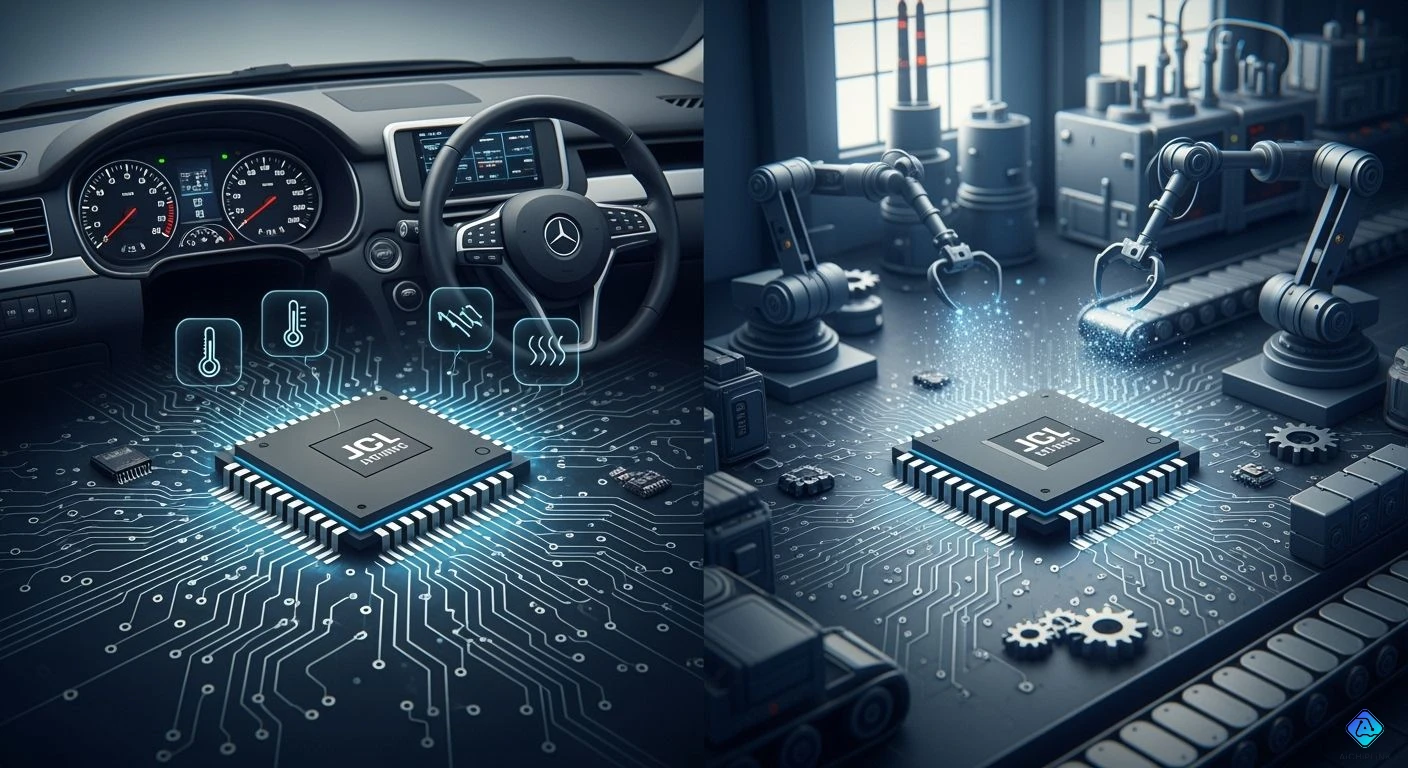
When you compare Automotive-Grade vs Industrial-Grade ICs, you notice important differences that significantly impact safety and longevity. Automotive-grade ICs are designed to operate in harsher environments and must withstand higher temperatures while adhering to stricter reliability standards. This is crucial because vehicles require safe and durable components. A failure of a part in a car can lead to dangerous situations. Understanding these distinctions when designing for challenging conditions is essential, as it aids in selecting the appropriate components and avoiding costly mistakes.
Key Takeaways
-
Automotive-grade ICs go through tough tests. These tests make sure they work in harsh places. This is important for keeping cars safe.
-
Knowing how ICs handle heat and stress helps you pick the best parts for cars.
-
Automotive-grade ICs last longer and are more dependable. This matters a lot when safety comes first.
-
Always look for rules like AEC-Q100 and ISO 26262. These rules help keep cars safe and good quality.
-
Picking the right IC stops expensive problems. It also helps your projects last longer.
Automotive-Grade vs Industrial-Grade ICs: Key Differences
Qualification Process
When you look at automotive-grade and industrial-grade ICs, you see a big difference in how they are tested. Automotive-grade ICs have to pass very hard quality checks. These checks make sure the ICs can work in tough places like cars. Groups like the Automotive Electronics Council and other safety groups set these rules.
Here are some main rules for automotive-grade ICs:
-
ISO 26262: This rule is about keeping cars safe. It uses ASIL to show how risky something is, from ASIL-A (least risk) to ASIL-D (most risk).
-
AEC-Q100: This is a big test for automotive-grade ICs. It has 41 tests in 7 groups. These tests check if the ICs can handle stress, heat, and other hard things.
-
IATF 16949: This rule is for making sure car parts are made well. Many car companies and their suppliers must follow it.
You can see the main rules in the table below:
| Standard | Description |
|---|---|
| IATF 16949 | Quality management for automotive suppliers and OEMs. |
| ISO 26262 | Functional safety for electrical and electronic systems in vehicles. |
| AEC-Q Series | Stress test qualifications for automotive-grade components, including ICs. |
Automotive-grade ICs go through long and costly tests. These tests can take 12 to 18 months. They include heating and cooling, shaking, and water tests. These tests make sure the ICs will not break in hard situations. Industrial-grade ICs do not have to pass as many tests. Their rules are not as strict. They do not need as many checks or as much proof of quality.
Operational Resilience
It is important to know how automotive-grade and industrial-grade ICs work under stress. Automotive-grade ICs must work in places where it is very hot or very cold, from -40°C to 150°C. They must last up to 15 years. Cars and trucks shake, get wet, and change temperature fast. Automotive-grade ICs are made to keep working after many heat and shake cycles.
Industrial-grade ICs also need to be strong, but not as much. They usually work from -40°C to 85°C. They have better waterproofing and some extra protections, but not as good as automotive-grade ICs. The table below shows how the grades are different:
| IC Grade | Operating Temperature | Processing and Packaging | Circuit Design | System Cost |
|---|---|---|---|---|
| Commercial Grade | 0°C to +70°C | Basic waterproofing | Basic protections | Low initial costs |
| Industrial Grade | -40°C to +85°C | Enhanced waterproofing | Multi-level protections | Modular structure |
| Automotive Grade | -40°C to +125°C | Advanced packaging | Enhanced protections | Higher costs |
| Military Grade | -55°C to +125°C | Superior resistance | Auxiliary circuits | Highest costs |
Automotive-grade ICs have better packaging and more protections. This makes them cost more, but they are more reliable. Industrial-grade ICs are good for factories and machines, but they are not as tough as automotive-grade ICs. When you pick between automotive-grade and industrial-grade ICs, think about where you will use them and how good they need to be.
Automotive-grade ICs must pass AEC-Q series tests. These tests check for heat, shaking, and water problems. Industrial-grade ICs do not have to pass these hard tests. Because of this, automotive-grade ICs are best for cars and other places where safety is very important.
Tip: Always look at how ICs are tested and how strong they are before you pick one for your project. Picking the right IC can stop problems and save money later.
Environmental & Mechanical Tolerance
Environmental Exposure
You should think about where your ICs will work. Automotive-grade ICs face very tough conditions. These chips must survive high heat and freezing cold. They also deal with fast temperature changes. Chemicals, dust, and road salt can harm them. Cars, trucks, and other vehicles have these harsh conditions.
Industrial-grade ICs work in hard places too. They are used in factories and outdoor machines. They handle big temperature swings and need to last long. But they do not always face chemicals or moisture like vehicles do. The table below shows how they compare:
| Feature | Industrial-grade ICs | Automotive-grade ICs |
|---|---|---|
| Environmental Conditions | Operate in varied industrial settings | Withstand harsh automotive conditions |
| Temperature Range | Wider range for extreme industrial temperatures | Designed for automotive temperature extremes |
| Reliability and Durability | Emphasize reliability for continuous operation | Must meet strict reliability standards for safety |
| Longevity and Lifecycle | Longer lifecycle support for extended operation | Meet standards for longevity in vehicles |
Automotive-grade ICs use special packaging to protect them. This packaging keeps out moisture, corrosion, and mildew. These chips resist fluids and road salt from cars. They handle high humidity and temperature swings for up to 15 years. Industrial-grade ICs focus on being strong but may not protect against car threats as well.
Vibration & Moisture Resistance
You should check how much shaking and moisture your ICs can take. Vehicles make strong vibrations from engines and rough roads. Automotive-grade ICs must pass hard vibration tests. These tests follow rules like ISO 16750-3, MIL-STD-810G, and GMW3172. ISO 16750-3 checks if ICs survive vibrations from 10 Hz to 2,000 Hz. GMW3172 tests for up to 20g acceleration, which is very tough.
Industrial-grade ICs also face vibration, but not as much as cars. They follow rules like IEC 60068-2, which tests up to 50g but in a smaller range. The table below shows some main vibration standards:
| Standard | Frequency Range | Acceleration Levels | Notes |
|---|---|---|---|
| ISO 16750-3 | 10 Hz to 2,000 Hz | Varies by location | Simulates real-world conditions in vehicles. |
| MIL-STD-810G | 5 Hz to 2,000 Hz | Varies by use case | Used in automotive, focuses on random vibration for rugged environments. |
| GMW3172 | N/A | Up to 20g | Defines vibration profiles for automotive components. |
| IEC 60068-2 | 5 Hz to 500 Hz | Up to 50g | Used for industrial equipment, covers a broad range of tests. |
Note: If you want your design to last in tough places, check the vibration and moisture ratings. Automotive-grade ICs give the best protection for cars and other hard uses.
Temperature Range & Performance
Operating Temperatures
It is important to know how temperature changes affect ICs. Automotive-grade ICs can work in hotter and colder places than industrial-grade ICs. This is important when you design for cars or machines that get very hot or cold. The table below shows the usual temperature ranges for each type:
| IC Type | Temperature Range |
|---|---|
| Automotive-grade | −25 to 125 °C (−13 to 257 °F) |
| Industrial-grade | −40 to 85 °C (−40 to 185 °F) |
Automotive-grade ICs keep working even when engines are hot or it is freezing outside. You might find these ICs under the hood or near hot parts. Industrial-grade ICs also work in tough places, but they do not get as hot as in cars. If you use the wrong IC, it could stop working when the temperature changes a lot.
Tip: Always check the temperature range before picking an IC. This helps you stop problems and keeps your design working.
Heat Dissipation & Packaging
Heat can hurt ICs if you do not control it. Automotive-grade ICs have special packaging to move heat away faster. These ICs may have metal pads or extra layers to help with heat. The table below shows how each type handles heat:
| IC Type | Heat Dissipation Features |
|---|---|
| Automotive Grade | Enhanced packaging design and heat dissipation |
| Industrial Grade | Standard packaging without specialized heat features |
Automotive-grade ICs last longer because they stay cooler. Their packaging keeps out heat, water, and shaking. Industrial-grade ICs use normal packaging, which is good for factories but not as strong for hard places. When you design for cars or trucks, always pick ICs with better heat control.
Reliability & Longevity
Failure Rates
It is important to know how reliable ICs are. Automotive-grade ICs break less often because they get more tests. These tests look for problems like heat, shaking, and water. You can trust automotive-grade ICs in systems where safety matters. They keep working even when things change quickly. Industrial ICs also try to be reliable, but they do not get as many tests. Factories and machines use industrial ICs because they last a long time. But if you use them in very tough places, they might break more often.
The table below shows how often ICs fail and how long they last:
| IC Type | Typical Failure Rate | Expected Lifespan |
|---|---|---|
| Automotive-grade | Very low | 10-15 years |
| Industrial-grade | Low | 5-10 years |
Note: Always check how reliable and strong an IC is before you pick it for your project.
Lifespan & Lifecycle Support
You want your ICs to last as long as your system does. Automotive-grade ICs last longer and have better support over time. Makers follow strict rules and keep records for each group of ICs. You get better tracking and updates if something changes. This means you know when a part is different or not made anymore. Industrial ICs give good support, but not as much detail.
Here is how support and update rules are different:
-
Automotive-grade ICs follow rules like AEC-Q100 and AEC-Q101.
-
You get stronger change control and better tracking.
-
These ICs work in more temperatures, which helps in safety systems.
Industrial ICs have support, but the rules are not as strict. You may not get early warnings if something changes or stops being made. If you need your project to last a long time, automotive-grade ICs are a safer choice.
Tip: Always ask about support and update rules. This helps you plan repairs and avoid problems later.
Compliance & Standards
Automotive Standards (AEC-Q100, ISO 26262)
You must follow strict rules when picking ICs for cars. These rules make sure ICs work well in tough places and keep people safe. The most important rules are AEC-Q100, ISO 26262, and IATF 16949. Each rule covers a different part of safety and quality.
Here is a table that explains each rule:
| Standard | Description |
|---|---|
| AEC-Q100 | A quality rule for ICs that checks if they can handle tough car conditions. |
| ISO 26262 | A rule that keeps car systems safe and sorts them by risk levels (ASIL A-D). |
| IATF 16949 | A global rule for quality that helps lower mistakes and makes car parts better. |
AEC-Q100 checks if ICs are reliable. It uses tests like heating and cooling and checks for water damage. ISO 26262 looks at how safe the ICs are. It uses ASIL levels from A to D. IATF 16949 helps you manage quality and stop errors. These car rules need more tests and better records than other fields.
Note: Cars are getting smarter. You must use ICs that follow these rules. This helps you meet new safety and reliability needs.
Industrial Standards
Industrial ICs have rules too, but they are not as strict as car rules. The main rule is ISO 9001. This rule checks for good quality but does not need as much testing or paperwork as car rules.
Industrial rules make sure products work well in factories and machines. They do not need AEC-Q100 or ISO 26262. You do not need as many reliability tests or records. Industrial ICs do not need to follow safety rules like car ICs.
-
Car rules need more tests and paperwork.
-
Industrial rules focus on general quality, not special safety.
-
Most industrial ICs do not need advanced safety rules.
Tip: Always check which rules your project needs. If you work with cars, you must use ICs with AEC-Q100 and follow all safety rules.
Now you can see why automotive-grade ICs are special. They follow strict rules and are very reliable. These chips last a long time and get lots of support. They meet hard safety standards, so they are best for cars and safety systems. Engineers pick them because they work in hot and cold places. They also keep working well for many years.
| Factor | Why It Matters for Automotive ICs |
|---|---|
| Reliability | Needed for harsh and changing conditions |
| Long-term availability | Matches the long life of vehicles |
| Lifecycle alignment | Supports long-term projects and supply chain needs |
-
Cars use strong ICs for important things like brakes.
-
Automotive-grade ICs help reach the highest safety, like ASIL-D.
-
Always check the rules, how strong, and how long ICs last before you choose.

Written by Jack Elliott from AIChipLink.
AIChipLink, one of the fastest-growing global independent electronic components distributors in the world, offers millions of products from thousands of manufacturers, and many of our in-stock parts is available to ship same day.
We mainly source and distribute integrated circuit (IC) products of brands such as Broadcom, Microchip, Texas Instruments, Infineon, NXP, Analog Devices, Qualcomm, Intel, etc., which are widely used in communication & network, telecom, industrial control, new energy and automotive electronics.
Empowered by AI, Linked to the Future. Get started on AIChipLink and submit your RFQ online today!
Frequently Asked Questions
What makes automotive-grade ICs more reliable than industrial-grade ICs?
Automotive-grade ICs are more reliable because they go through harder tests. These tests check if the ICs can handle heat, shaking, and water. You can trust these ICs in cars where safety is very important.
Can you use industrial-grade ICs in automotive applications?
It is not a good idea to use industrial-grade ICs in cars. These ICs do not follow the strict rules for cars. They might stop working in tough places. Always pick automotive-grade ICs for vehicles.
How do you identify an automotive-grade IC?
You can find labels like AEC-Q100 or ISO 26262 on the datasheet. These labels mean the IC passed special car tests. If you are not sure, ask your supplier for proof.
Why do automotive-grade ICs cost more?
Automotive-grade ICs cost more because they need more tests and better parts. These things help the ICs last longer and work well in hard places. Tip: Always choose the right IC grade for your project. This helps you stop problems and saves money on repairs.