Which Is Better for Cars 77GHz or 79GHz Radar
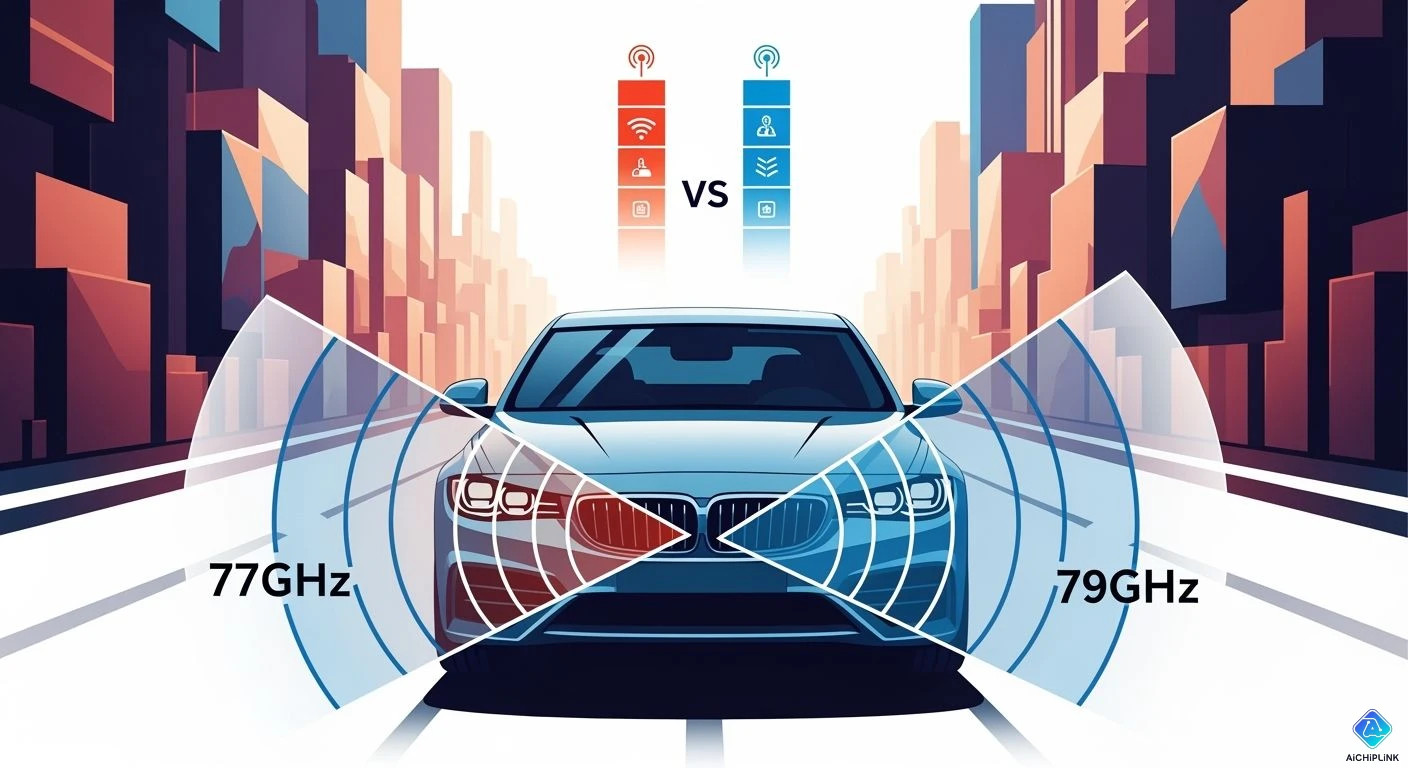
You want your car to have the best safety and performance. When you look at 77GHz vs 79GHz Radar, 79GHz usually provides better resolution and accuracy. This is crucial for advanced safety systems. Automotive radar helps you detect objects and avoid crashes, making driving safer. The car industry utilizes radar to enhance vehicle performance and ensure your safety in various situations. You can rely on radar to support important safety features in new cars.
Key Takeaways
- 79GHz radar gives clearer pictures and is more exact. This helps cars use better safety features. 77GHz radar can see things far away. It works well for driving on highways and cruise control. Both radars help cars stay safe. They let cars spot things and stop crashes. But 79GHz radar shows more details. When picking a car, see if it has new radar. This helps the car stay safe and work well. Sensor fusion mixes radar with lidar and cameras. This makes cars safer and helps them find their way.
77GHz vs 79GHz Radar: Key Differences
Frequency Bands and Bandwidth
When you look at 77GHz and 79GHz radar, you see two main frequency bands. The 77 GHz band covers a smaller range. The 79 GHz band goes from 77 to 81 GHz. This bigger range gives more bandwidth. More bandwidth helps radar work better in cars. Check the table below to see the differences:
| Frequency Band | Bandwidth Capability |
|---|---|
| 77 GHz | Up to 4 GHz |
| 79 GHz | Larger available bandwidth enhancing resolution |
The 79 GHz band is used for advanced things like 4d imaging radar. It gives sharper resolution and finds objects in more detail. This helps your car spot things more clearly and adds new safety features.
Range and Detection
Radar helps you find and track objects in cars. The 77 GHz band works well for long-range detection. It is good for highway driving and cruise control. The 79 GHz band, with its wider frequency, is better for short-range detection and high-resolution uses.
Weather can change how radar works. Rain and fog can cut radar range by half. Snow, wet or dry, also lowers range and causes about 12-18.5 dB/km loss. Backscatter makes more noise and can cause mistakes. Even with these problems, radar works better than lidar and cameras in bad weather. You still get good detection when you cannot see well.
Resolution and Accuracy
You want your car’s radar to be very accurate. The 79 GHz band gives better resolution, especially with AI and smart data processing. You can get resolution as fine as 3.75 cm. This is important for 4d imaging radar. The 77 GHz band gives high range resolution, but the 79 GHz band is even more accurate.
| Frequency Band | Features |
|---|---|
| 77 GHz | High range resolution |
| 79 GHz | Improved resolution with AI and advanced data processing |
You see the difference in things like parking help and avoiding crashes. The 79 GHz radar’s higher resolution helps your car tell apart people and vehicles more easily.
Regulatory Aspects
Rules and laws affect how radar is used in cars. The 76-77 GHz band is for long-range radar. It has less bandwidth and more transmit power density. The 77-81 GHz band, including 79 GHz, is for short-range radar. This band has up to 4 GHz bandwidth and less transmit power density, so there is less interference.
| Frequency Band | Application Type | Bandwidth Allocation | Interference Considerations |
|---|---|---|---|
| 76-77 GHz | Long-Range Radar (LRR) | Narrower bandwidth | Higher transmit power density |
| 77-81 GHz | Short-Range Radar (SRR) | Up to 4 GHz | Lower transmit power density, reduced interference likelihood |
Governments make strict safety rules. You see laws that require advanced driver assistance systems in new cars. The European Union wants ADAS features, so car makers use radar that meets these rules. Radar works well in bad weather, so it is a top choice for car safety.
Tip: When you pick a car, check if its radar meets the newest rules. This helps you get the best safety and performance no matter the weather.
Now you know the main differences between 77GHz and 79GHz radar. The 79 GHz band has more bandwidth, better resolution, and supports advanced uses like 4d imaging radar. The 77 GHz band is great for range and finding objects. Both are important for cars, but the 79 GHz band is best for accuracy and meeting rules.
Automotive Radar Applications
Long-Range Sensing (77GHz Automotive Radar)
77ghz automotive radar helps cars see far ahead. This is important for safety and performance. It can detect objects up to 240 meters away. You get early warnings about crashes. Adaptive cruise control uses this radar. These features help you stay safe on highways and in fast traffic.
Here is how radar types help cars:
| Radar Type | Application |
|---|---|
| Short-Range Radar (SRR) | Blind spot monitoring, Parking assistance |
| Mid-Range Radar (MRR) | Lane keeping, Adaptive cruise control |
| Long-Range Radar (LRR) | Early detection of frontal collisions |
These systems find out how far things are, how fast they move, and where they go. 77ghz automotive radar sensors help with automatic driving and avoiding crashes.
- 77ghz automotive radar can sense from 0.5 to 240 meters.
High-Resolution Detection (79 GHz Automotive Radar)
79 ghz automotive radar lets your car see more details. It uses higher frequency and wider bandwidth. You get clearer images and better object detection. Smaller antennas and better angles help your car spot people, bikes, and other cars.
79 ghz automotive radar works well in bad weather. Rain and fog do not stop it. AI and machine learning make the system smarter. Your car can guess movements and avoid crashes better. High-resolution detection helps with parking and blind spot checks.
Use in ADAS and Autonomous Driving
Both 77ghz and 79 ghz automotive radar are used in advanced driver assistance and automated driving. These systems help your car find objects and avoid crashes. They also support self-driving features. Here is how radar fits into ADAS and automated driving:
| Frequency | Application in ADAS and AD | Description |
|---|---|---|
| 77 GHz | Object detection | Used for detecting objects and obstacles around vehicles. |
| 79 GHz | Enhanced detection | Expected to provide better detection resolution in future applications. |
| Function | Description |
|---|---|
| Forward Collision Warning | Alerts drivers of potential collisions. |
| Automatic Emergency Braking | Automatically applies brakes to prevent accidents. |
| Adaptive Cruise Control | Maintains a safe distance from the vehicle ahead. |
| Blind Spot Detection | Monitors areas not visible to the driver. |
Corner radar systems use automotive radar sensors. They cover up to 120 meters and have a wide view of ±75°. Automatic driving features need high-resolution detection for safe driving. As cars become more self-driving, you will see better radar systems in new cars.
Note: Automotive radar keeps getting better. You get more safety, comfort, and performance with each new radar system.
Industry Trends in Automotive Radar
Adoption by Car Manufacturers
Many car makers now use automotive radar sensors in new cars. Most companies pick the 77GHz frequency for their radar systems. This part of the market is growing fast and leads the way. The 77GHz radar will likely be the most used in 2024 and keep growing. The 79GHz frequency is getting more popular, but it is still less common. It also has more rules to follow. Car makers work hard to make sensors and antennas better. They want radar sensors that are safe and work in all weather. These sensors must give correct information about moving things.
Market Preferences and Future Outlook
The car industry is starting to use the 79GHz frequency more. This is because 79GHz radar has more bandwidth and sees objects better. You get better maps and can tell objects apart more easily. The 79GHz segment is expected to grow faster than other types. This happens as car makers build new safety and self-driving features. The table below shows how radar frequencies might do in the market:
| Frequency | Market Share (2024) | Growth Rate (2025-2034) |
|---|---|---|
| 77GHz | Highest | 13.3% CAGR |
| 79GHz | Emerging | Fastest growth |
Radar sensors and antenna technology keep getting better. Companies spend money to make sensors smaller and smarter. In the future, more cars will have advanced radar sensors and antenna arrays.
Integration with Other Sensors
Modern cars use many sensors to help with safety and driving. Radar sensors at 77GHz and 79GHz measure speed and work in any weather. Lidar sensors measure distance very well. Cameras show colors and details. When these sensors work together, your car can see better and stay safer. Sensor fusion mixes radar, lidar, and camera data for better results. You get good obstacle detection and better navigation. Radar sensors and antennas work even in rain, fog, and snow. They also tell you how fast things are moving. In the future, cars may use software-defined radar sensors and antenna networks. These can change to fit different needs and connect with other sensors using neural networks. As sensor integration gets better, cars will become safer and smarter.
Tip: Sensor fusion helps make driving safer and easier. You get the best results when radar, antennas, lidar, and cameras all work together.
Choosing the Right Automotive Radar
Factors for Car Buyers
When you pick a car, you want it to be safe and work well. You should learn how radar helps your car. Here are some things to think about:
-
The 77GHz radar helps with automatic emergency braking and adaptive cruise control. These features warn you about crashes and help you avoid them.
-
The 79GHz radar helps your car see bikes and people in tricky places. It gives better warnings and keeps you safer in busy spots.
-
The 79GHz radar is smaller. It fits in more spaces and works for many uses. You get less interference between systems.
-
Both radar types help your car spot objects and stop crashes, but the 79GHz radar shows more detail.
You should check if your car uses the newest automotive radar pcb. This helps you get the best crash warning and safety features.
Considerations for Manufacturers
If you make cars, you need to think about how radar frequency affects safety and performance. Here are some important points:
-
The radar frequency you pick changes how well your car finds objects. Higher frequencies, like 77-81 GHz, give better detail and accuracy. This matters for crash warnings in tough places.
-
Your radar system must work in all weather. Good oscillator performance, like phase noise and frequency stability, keeps radar working well. This keeps your car safe in rain, fog, or snow.
-
You need the right automotive radar pcb to support these features. This makes sure your car meets safety rules and gives drivers the best crash warning.
Cost and Compatibility
Cost and compatibility are important when you pick radar for your car. You want good value and easy upgrades. Here is a table to help you compare:
| Frequency Band | Dominance | Advantages | Compatibility Challenges |
|---|---|---|---|
| 76 GHz | Dominant | Enhanced detection range, accuracy, speed | Works with most current ADAS |
| 79 GHz | Emerging | Improved resolution, reduced interference | May not fit older vehicle systems or ADAS designed for 76GHz |
The price of 77GHz radar modules keeps going down. This makes them easier to use in more cars. New technology, like CMOS-based radar-on-chip, lowers the price even more. You can now find advanced radar in cheaper cars. The 79GHz radar may cost more and might not work with older automotive radar pcb designs. You should check if your car supports the radar you want before you buy.
Tip: Always ask about radar compatibility and cost when you shop for a new car. This helps you get the best crash warning and safety features for your money.
79GHz radar helps your car perform better and keeps you safer. It lets you see things more clearly and with more detail. You can spot objects easier and avoid accidents. 77GHz radar is good for seeing far away and costs less money. If you want more advanced features, pick 79GHz radar. Before you buy a car, check what radar system it uses. Make sure the radar is new and fits what you need.
Tip: Talk to your dealer about radar frequency and if it works with your car. This helps you choose the safest option and makes upgrades easier in the future.

Written by Jack Elliott from AIChipLink.
AIChipLink, one of the fastest-growing global independent electronic components distributors in the world, offers millions of products from thousands of manufacturers, and many of our in-stock parts is available to ship same day.
We mainly source and distribute integrated circuit (IC) products of brands such as Broadcom, Microchip, Texas Instruments, Infineon, NXP, Analog Devices, Qualcomm, Intel, etc., which are widely used in communication & network, telecom, industrial control, new energy and automotive electronics.
Empowered by AI, Linked to the Future. Get started on AIChipLink and submit your RFQ online today!
Frequently Asked Questions
What is the main difference between 77GHz and 79GHz radar?
You see the main difference in bandwidth and resolution. 79GHz radar gives you more detail and sharper images. 77GHz radar works better for long-range detection.
Can 79GHz radar improve safety in bad weather?
Yes, 79GHz radar helps your car detect objects even in rain or fog. You get reliable performance when visibility drops. Radar works better than cameras or lidar in tough weather.
Will 79GHz radar cost more than 77GHz radar?
You may pay more for 79GHz radar. It uses newer technology and offers higher resolution. Prices keep dropping as more cars use advanced radar systems.
Do all cars use 79GHz radar now?
No, most cars still use 77GHz radar. You find 79GHz radar in newer models and high-end vehicles. Car makers add 79GHz radar as safety features improve.