What Are Matter Protocol Chips and How Do They Power Smart Homes?
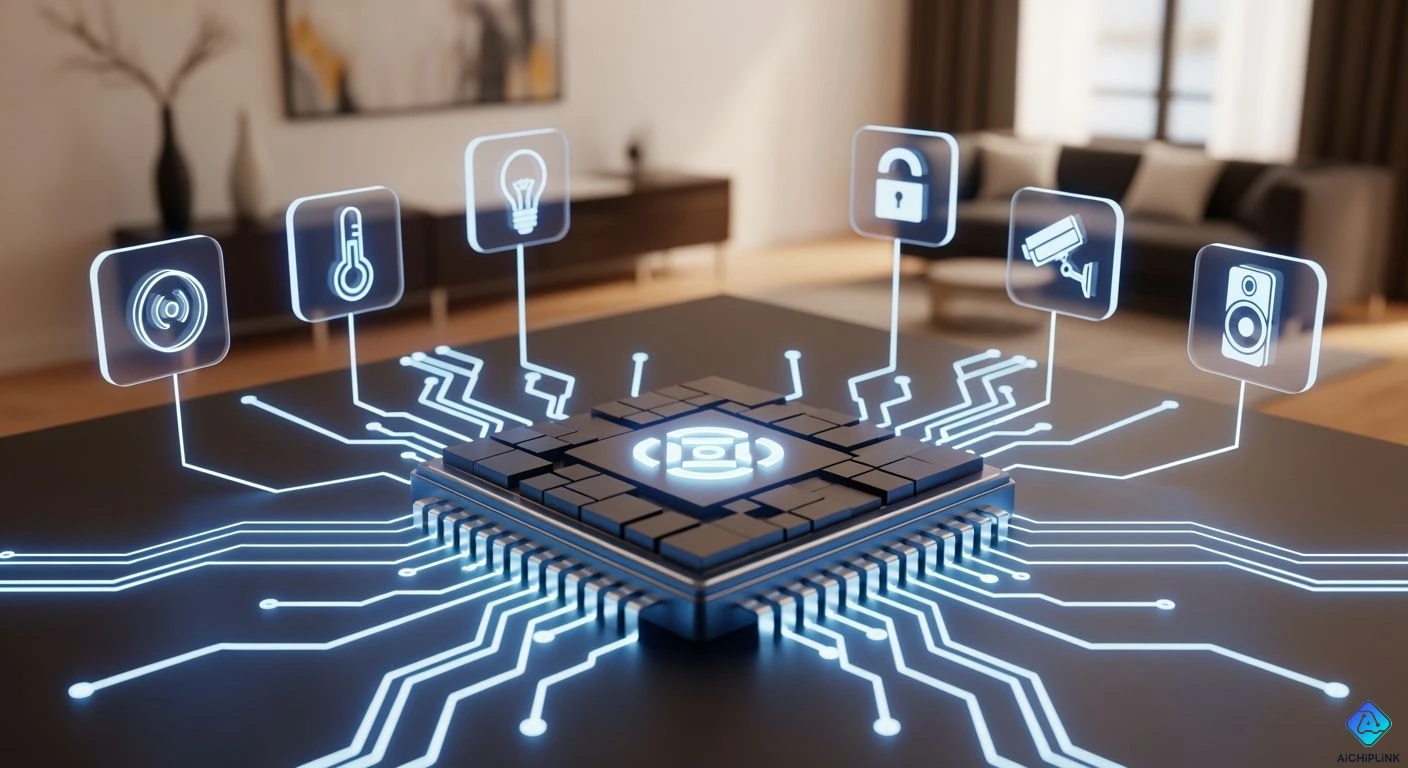
You can build a smooth home network easily with matter protocol chips. Engineers made these special microchips through Project CHIP to run one shared, web-based system directly on the hardware. The matter protocol connects your devices across different brands without needing extra special hubs. This universal smart home standard fixes brand mismatching completely.
These advanced chips deliver total teamwork for your entire house. Modern microchips support both Wi-Fi and Thread connections at the same time. You get fast local connections, instant device responses, and better energy savings. Powerful matter hardware keeps your home connected and quick to respond. You will love how matter devices talk directly to each other. Reliable matter technology improves your daily setup.
Key Takeaways
-
Matter protocol chips connect smart home gear from various brands without needing extra control hubs.
-
Local chip processing helps your smart home devices react right away even if your internet goes down.
-
Low-power Thread technology helps small sensors use less energy, so their batteries can last up to two years.
-
Built-in chip security keeps your network safe, while simple QR codes allow fast setup.
Understanding Matter Protocol Chips in Hardware
Engineers build modern smart home hardware using advanced system-on-chips. These tiny multi-radio chips pack several wireless technologies into one silicon component. Silicon makers like NXP Semiconductors design tri-radio chips like the IW612 to handle your daily smart home connectivity needs.
Multi-Radio Silicon Architecture
Multi-radio system-on-chips simplify the physical hardware design inside every smart home device. These single-chip silicon designs integrate separate radios onto a single component to power matter accessories reliably.
| Hardware Component | Details from the NXP IW612 tri-radio SoC |
|---|---|
| Wi-Fi 6 radio | Supports 802.11ax for high-bandwidth local connections |
| Bluetooth 5.2 radio | Supports 802.15.1 for easy device setup |
| 802.15.4/Thread radio | Enables low-power mesh networking and Thread Border Router capabilities |
| RF front end | Integrates +20 dBm power amplifiers to maximize coverage range |
When building a matter device, manufacturers choose these tri-radio chips to handle simultaneous transmit and receive operations. The combined hardware lowers network delay and boosts bandwidth across connected devices. Hardware creators follow the official matter specification to ensure full compatibility. You can easily add any matter smart home device to your house.
Connecting Every Smart Home Device Natively
Matter protocol chips run an Internet Protocol stack directly on silicon. The native IPv6 stack removes the need for translation gateways between your hardware devices.
-
Turn on IPv6 settings on your primary wireless internet router.
-
Connect a Thread border router to transfer data across low-energy networks.
-
Send information straight between your connected smart home tools locally.
The chip uses 6LoWPAN technology to fit standard IPv6 packets into tiny radio payloads. Each node maintains an internal routing table for next-hop forwarding. This native addressing allows direct device-to-device communication across Wi-Fi and Thread links. Designers save significant development time when building a matter device with native IP support. You get a fast and responsive home system because matter runs directly on the local silicon.
How Matter Unifies Communication Protocols
Eliminating Proprietary Ecosystem Hubs
Matter works as an open software layer over your local internet. You can easily link smart home tools across different platforms. This shared software setup lets Apple Home, Google Home, Amazon Alexa, and Samsung SmartThings talk directly. Standard code gives you instant control without needing special online translation services.
Older smart home systems often force you to purchase brand-specific setup hubs. For instance, classic Zigbee devices need a separate bridge like a Philips Hue Bridge to talk with phones. Matter technology removes the need for these separate brand hubs completely. One standard border router handles your whole home network safely. You can connect an Eve Energy plug to Apple Home and quickly share control with Google Home using multi-admin tools.
-
Matter works directly across current local networks like Wi-Fi and Thread.
-
Multi-admin tools give every smart app its own safe network connection.
-
One hub device handles network traffic for many different brands at once.
Low-Power Thread and Wi-Fi Transport
Makers balance wireless speed and battery life when building a matter device. High-speed matter gadgets like security cameras use Wi-Fi networks for streaming large video files. Tiny room sensors use low-power Thread mesh networks to preserve battery life. Both wireless options talk smoothly together under one shared software layer. This smart dual setup improves overall network performance across your entire house.
Thread offers smart network paths for smaller battery-powered matter devices. Regular Wi-Fi sensors drain internal battery power fast because continuous network checks waste energy. Thread holds your gadgets in a low-energy sleep mode during quiet times.
| Protocol | Battery-impact rating | Reported battery life |
|---|---|---|
| Wi-Fi | High | Temperature sensor: 3–6 months; motion sensor: recharge every few weeks or stays plugged in |
| Thread | Very low | ~2 years on a Bosch multi-sensor benchmark |
| Zigbee (reference) | Very low | ~3 years on the same hardware; temperature sensor: 2–3 years |
Matter uses Thread power savings to protect long-term battery performance. You will change dead batteries far less frequently. This single system keeps your connected home reliable every single day.
Benefits of the Matter Protocol for Speed and Security
Local Processing and Reduced Latency
Your smart home setup responds right away because its hardware handles commands locally. Older systems route everyday actions to far-away online servers. Sending data that far slows things down and causes total failures during internet outages. The matter protocol keeps your control commands inside your local home network. You keep complete control over your gear even if your web connection stops working.
Local routing wipes out long delays to online servers. On-device alerts finish in under 200 ms. Local voice commands run in roughly 50 ms without calling an outside web server. Turning on a smart light over a healthy Thread mesh network takes just 20 to 80 ms, and each step adds only 10 to 30 ms of extra delay. Local matter handling keeps your tech quick, snappy, and reliable.
| Platform / condition | Local processing latency | Cloud-dependent latency |
|---|---|---|
| Hubitat Elevation controller | Motion sensor triggers lights in under 100 ms | IFTTT cloud applets take seconds to minutes |
| Local voice commands | About 50 ms execution time | Cloud commands require active web round-trips |
Hardware Security and Easy Setup
Modern matter protocol chips build strong protection directly into the physical silicon. Microchip makers put secure parts on the chip to guard safety keys and certificates. These built-in hardware parts defend your wireless connections from sneaky digital attacks and fake devices. Safe boot checks stop broken software from running on your equipment. You get dependable performance across your linked gadgets every single day.
You can set up new matter accessories in a few easy steps. Engineering teams simplify making a matter device by using the same setup process across all brands. You just scan a unique QR code with your phone camera. The local matter controller software checks device details instantly, connecting your new matter hardware safely without tricky manual passwords. The matter standard guarantees fast pairing.
Matter protocol chips give your smart home a strong physical base. These microchips offer easy teamwork across every major brand. Built-in hardware processing runs your daily automated routines locally. Local paths boost overall system reliability while cutting down network delays.
Using matter improves your daily smart home setup a lot. Smart power controls boost energy savings for battery-powered devices. The unified matter protocol frees you from single-brand hub limits. You get complete control over your home system and tech choices. Always look for matter-certified devices when you buy new gear. Choosing matter hardware ensures a fast, safe, and steady setup for your smart home.

Written by Jack Elliott from AIChipLink.
AIChipLink, one of the fastest-growing global independent electronic components distributors in the world, offers millions of products from thousands of manufacturers, and many of our in-stock parts is available to ship same day.
We mainly source and distribute integrated circuit (IC) products of brands such as Broadcom, Microchip, Texas Instruments, Infineon, NXP, Analog Devices, Qualcomm, Intel, etc., which are widely used in communication & network, telecom, industrial control, new energy and automotive electronics.
Empowered by AI, Linked to the Future. Get started on AIChipLink and submit your RFQ online today!
Frequently Asked Questions
Do these hardware chips require an internet connection?
No, you do not need internet access for local device control. Modern matter protocol chips route commands directly across your local network. You keep total control over every smart home device even during web outages. Matter keeps local automation fast.
Can you control hardware using multiple brand apps?
Yes, you can share hardware across different platforms easily. Multi-admin features let Apple, Google, and Amazon control your matter accessories at the same time. Matter removes ecosystem limits so you pick your apps freely.
What hardware advantages help when designing connected devices?
Engineers combine Wi-Fi, Thread, and Bluetooth radios onto single silicon chips. When building a matter device, creators use these combined parts to lower hardware complexity. Single-chip designs cut network latency and boost overall stability.
How does smart networking save battery power in connected sensors?
Matter routes small sensor data over low-power Thread networks. Thread puts battery-operated hardware into sleep mode when idle. Matter cuts unnecessary radio power, so your gear runs reliably for years.