Short-Range vs Long-Range Radar Chips Explained Simply
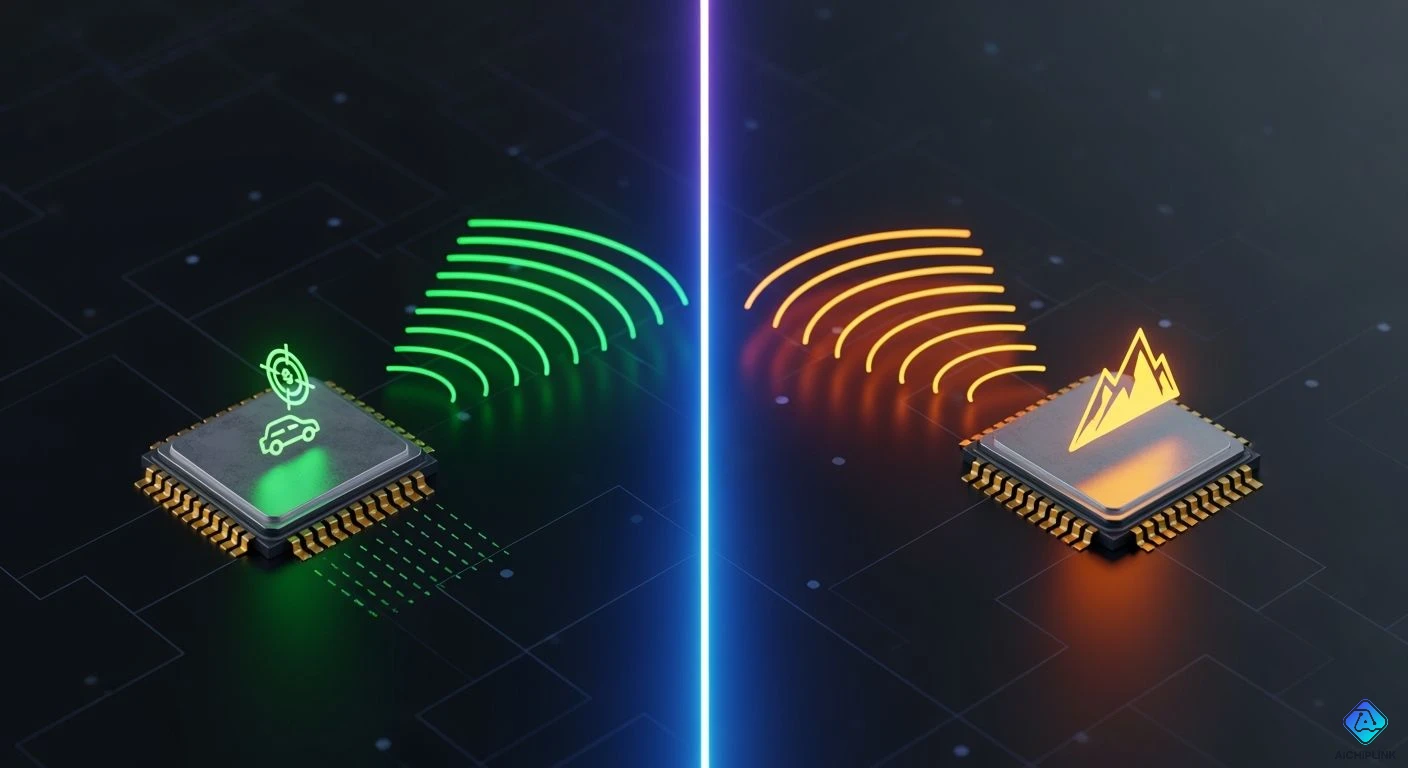
You can think of Short-Range vs Long-Range Radar Chips like tools. A magnifying glass helps you see close details, while binoculars help you spot things far away. Short-range radar chips allow you to see nearby objects very clearly, whereas long-range radar chips assist in detecting things that are far ahead. These differences are crucial for safety. Choosing the right chip enhances car safety and improves the performance of new technology. Short-range radar is the most commonly used, holding a 45% market share, and is excellent for parking and blind-spot detection. In contrast, long-range radar is ideal for identifying dangers at a distance and is valuable in weather monitoring and defense applications.
Key Takeaways
-
Short-range radar chips are good at finding things close by. They help with parking and watching blind spots.
-
Long-range radar chips can spot faraway things early. They make driving safer at high speeds and help with cruise control.
-
Using both short-range and long-range radar chips together helps cars find more things. This makes cars safer.
-
When picking radar chips, think about how far they can see. Also, look at what you need them for and how much they cost. This helps cars work well and stay safe.
-
Keep learning about new radar technology, like making chips smaller and using AI. This can make cars safer and work better.
Short-Range Radar Chips
What They Are and How They Work
Short-range radar chips help you find things close to your car. They work like your eyes when you look for things nearby. These chips send out radio waves and check how they come back. This helps you notice things that are hard to see, like a child behind your car or a bike in your blind spot. Many cars use these chips because they can cover up to 80 meters. They also let you see a wide area, up to ±60 degrees. You can check the main details in the table below:
| Specification | Value |
|---|---|
| Range | Up to 80 m |
| Range Resolution | 35 cm (80 m), 4.3 cm (20 m) |
| Field of View | ±60° |
| Angular Resolution | Approximately 15° |
Features and Benefits
Short-range radar chips help you see clearly in busy places. You can spot things right next to your car. These chips fill in blind spots and help you watch what is happening nearby. You trust these sensors for good radar detection. They react fast, so your car can change quickly if needed. Short-range radar systems use many sensors to see all around. You drive safer and park more easily. You also have fewer accidents because these radar systems warn you about dangers you might not see.
Tip: Short-range radar chips work well with other sensors, like cameras and ultrasonic sensors. This gives you a full sensing system for advanced driver help.
Common Applications
You find short-range radar chips in many car features. These chips help with park assist and parking by themselves. They also help stop crashes and spot people walking. Cars use short-range radar sensors for blind spot detection. You see these radar systems in new cars, trucks, and motorcycles. The table below shows some common uses:
| Application | Functionality |
|---|---|
| Park Assist | Helps drivers park their vehicles safely |
| Automated Parking | Enables vehicles to park themselves without driver intervention |
You count on short-range radar chips for car safety and help. These radar detection ranges make driving safer and more comfortable. You also see these sensors in other radar systems, like factory machines and smart roads. Short-range radar chips are important for many sensing and detection jobs.
Long-Range Radar Chips
What They Are and How They Work
Long-range radar chips help you see far ahead. These radar sensors can find things 150 to 250 meters away or more. You use them to look at a small area, about 20 to 25 degrees wide. This helps you spot cars or obstacles that are far in front of you. The radar system sends out radio waves and checks how they return. This tells you how fast and how far away things are. You count on these radar sensors for long-range sensing. This is important when you drive fast.
| Specification | Value |
|---|---|
| Range | 150–250 m or more |
| Field of View | 20–25° |
| Angular Resolution | 1–2° |
| Range Resolution | 10–30 cm |
Features and Benefits
Long-range radar chips give you early warnings. These radar systems can find dangers before you get close. You can follow cars and other things, even if they move quickly. The radar sensors use smart processing to check speed and track moving things. Kinematic trackers and fusion algorithms help you follow objects, even in busy places. This makes your detection steady and correct, especially on highways. You trust these radar systems for wide coverage and good detection at high speeds. This keeps you safer and helps you avoid crashes.
Note: Long-range radar sensors work well with other car sensors, like cameras and lidar. Using them together gives you better detection and sensing in all situations.
Common Applications
You see long-range radar chips in many car features. These radar sensors help with forward collision prevention and adaptive cruise control. You use them for lane keeping assist and collision warning. Some radar systems also help inside the car, like watching the driver or finding hidden kids and pets. The new 140 GHz radar technology makes these uses even better. This technology improves automotive radar systems and helps advanced driver assistance systems (ADAS) work better. You find these radar sensors in cars, trucks, and smart roads.
Common Applications of Long-Range Radar Chips:
-
Adaptive cruise control
-
Collision warning
-
Lane keeping assist
-
In-cabin sensing (driver monitoring, detecting children or pets)
-
Highway driving support
You rely on long-range radar sensors for detection and sensing in many radar systems. These uses make driving safer and more comfortable for you and everyone else.
Short-Range vs Long-Range Radar Chips: Key Differences
Range and Field of View
You can tell short-range and long-range radar chips apart by how far and wide they see. Short-range radar chips find things close to your car. They cover a big area, so they are great for parking and blind spot detection. Long-range radar chips spot things far away. They look at a small area, so you can track cars and obstacles when driving fast.
Here is a simple table that shows the main differences:
| Radar Type | Detection Range | Field of View |
|---|---|---|
| Short-Range Radar | Up to 50 meters | Wide (up to ±45°) |
| Long-Range Radar | Beyond 160 meters | Narrow (20–25°) |
Short-range and long-range radar chips give you different coverage. You use short-range radar chips to find things nearby. You use long-range radar chips to see far ahead.
Resolution and Accuracy
You want radar systems to give clear and correct information. Short-range radar chips show good detail for things close by. They help you see small things, like bikes or people, in busy places. Long-range radar chips are very accurate for things far away. They follow moving cars and keep you safe on highways.
Short-range and long-range radar chips both use advanced sensors. Short-range radar chips are best for seeing things close up. Long-range radar chips are best for steady tracking and telling lanes apart. Both types give you good detection, but each works best in its own range.
Tip: You get better smart driving when you use both short-range and long-range radar chips together. This gives you more layers of detection and better sensing in all situations.
Power, Size, and Cost
You need to think about power, size, and cost when picking radar chips. Short-range radar chips use less power and fit in small spots. They cost less, so you see them in many cars. Long-range radar chips need more power and space. They cost more because they use special technology to see far.
Short-range and long-range radar chips change your budget and design. You use short-range radar chips for simple help features. You pick long-range radar chips for smart driving and advanced safety.
When to Use Each Type
You choose radar chips based on what you need. Short-range radar chips are best for parking, blind spot detection, and traffic alerts. They help you with close-up support and finding dangers nearby. Long-range radar chips are best for adaptive cruise control, highway driving, and tracking fast objects.
Many car radar systems use both types together. You get more layers of detection and full coverage. Here are some times when each chip works best:
-
Short-range radar chips help you park safely and find dangers in heavy traffic.
-
Long-range radar chips help with adaptive cruise control and keep you safe on highways.
-
Short & Medium-Range RADAR chips give you a wide view for better support when moving.
-
Long-Range RADAR chips give lane-level detail and track fast things for smart driving.
Short-range and long-range radar chips make driving safer and smarter. You use both for the best sensing and detection in all cars.
Radar Chip Applications
Automotive Safety and ADAS
Radar chips are used a lot in cars. These sensors help stop crashes and make driving safer. New radar systems use both short-range and long-range chips for better detection. You get features like adaptive cruise control and lane keeping. Cross traffic alerts are also possible. 4D imaging radar gives clear pictures and works in bad weather. You can see people and cars quickly. TI mmWave radar sensors let your car use machine vision right on the chip. Sensor fusion mixes radar with other sensors for strong safety. You count on radar for crash prevention and advanced driver help.
-
Adaptive cruise control
-
Collision warnings
-
Autonomous emergency braking
-
Cross traffic alerts
Industrial Automation
Radar chips are important in factories and automation. Sensors help stop crashes and watch over machines. Radar systems count people and track equipment. Real-time checks let you find problems early. Predictive maintenance saves money and keeps workers safe. You see radar in factories, conveyor belts, and robots.
| Application Field | Sensor Model | Use Case Description |
|---|---|---|
| Industrial Automation | IWR1642 | People counting, collision avoidance, process control |
Radar technology gives you accurate detection and helps stop accidents in cars.
Consumer Electronics
Radar chips add new uses to electronics you use every day. You use radar for gesture control and smart home devices. Radar systems work without touching and protect your privacy. These sensors work in any light, not just bright rooms. Companies make small radar chips for phones and wearables. You get good detection and crash prevention in tiny devices.
-
Non-contact gesture control
-
Smart home occupancy sensing
-
Privacy-friendly monitoring
Smart Infrastructure and Robotics
Radar systems make buildings and robots smarter. You use radar chips to stop crashes and find things in machines and buildings. AI-powered radar systems understand busy places. Smart buildings change the temperature when people come or go. Healthcare systems warn staff if a patient stops breathing. Machines turn off if someone enters a danger zone. Radar gives privacy, works well, and sees movement right away.
Using both short-range and long-range radar chips gives you full coverage. Multi-radar systems make detection better and help you know what is happening. Top car makers use dual-mode radar for better crash prevention and safety.
Choosing the Right Radar Chip
Selection Guidelines
You need to pick the radar chip that fits your needs. First, think about how far you want your sensors to see. Also, decide what you want the sensors to do. In cars, you can choose short-range, medium-range, or long-range radar systems. The table below shows the main types and how they compare:
| Radar Type | Frequency Band | Range | Applications |
|---|---|---|---|
| Short-range Radar (SRR) | 24 GHz | 0–30 m | Blind spot monitoring, parking assistance, cross-traffic monitoring |
| Medium-range Radar (MRR) | 76–77 GHz | 30–80 m | Lane keeping, adaptive cruise control (ACC) |
| Long-range Radar (LRR) | 77–81 GHz | Up to 250 m | Collision prediction, high-speed driving assistance |
You should also think about where you will use the radar. Indoor radar sensors work best at higher frequencies, like 60 GHz. These sensors handle reflections and obstacles better. Outdoor radar systems must see through rain, fog, and dust. If you want clear and detailed sensing, pick radar chips with advanced detection.
Tip: Try to balance cost and performance. Many car experts say you should pick radar solutions that give strong detection and save power without costing too much.
Common Mistakes to Avoid
You might pick the wrong radar chip if you do not check your real needs. Some people choose sensors with too much range or too many features. This can waste money and power. Others pick radar systems that do not follow safety rules or cannot work in the right place. You should avoid these mistakes:
-
Picking sensors with too much or too little range.
-
Not following car safety rules and standards.
-
Forgetting about reflections and interference indoors.
-
Not planning for upgrades or new detection needs.
You should always check if your radar systems follow the newest car rules. The European Union now says all new cars must have some advanced safety features.
Future Trends
Radar technology is getting better all the time. Soon, more radar chips will have everything built in, like antennas and processors. This makes sensors smaller and cheaper. Car makers now use higher frequency bands, like 77–81 GHz, for better sensing and longer range. Here are some trends you should know:
-
Miniaturization: Radar chips get smaller and fit in more places.
-
4D imaging radars: These sensors show a full picture, even in bad weather.
-
AI integration: Smart radar systems can spot and track objects right away.
-
Energy efficiency: New radar chips use less power, which helps electric cars.
-
Cost reduction: More cars have advanced radar sensors because prices are going down.
You will also see new things, like meta-material antennas and sub-terahertz radar. These give even better sensing and detection. Companies now focus on smarter radar systems for safer and more comfortable driving.
You now understand how short-range and long-range radar chips are different. Short-range chips help you see things close to you. Long-range chips let you find objects far away. You use both types to keep people safe in cars and uav systems. Picking the right chip makes things safer. It also helps things work better and brings new ideas.
-
Safety rules and what people want make radar popular in cars and uav projects.
-
New radar chips do more jobs, so sensors are smaller and work better.
-
Good detection stops rear-end crashes and keeps people safe on the road.
-
Advanced radar technology helps you watch bridges and uav flight paths very closely.
Follow the easy tips in this blog to make good choices. Knowing about radar chips helps you build safer, smarter, and new solutions for cars, factories, and uav systems.

Written by Jack Elliott from AIChipLink.
AIChipLink, one of the fastest-growing global independent electronic components distributors in the world, offers millions of products from thousands of manufacturers, and many of our in-stock parts is available to ship same day.
We mainly source and distribute integrated circuit (IC) products of brands such as Broadcom, Microchip, Texas Instruments, Infineon, NXP, Analog Devices, Qualcomm, Intel, etc., which are widely used in communication & network, telecom, industrial control, new energy and automotive electronics.
Empowered by AI, Linked to the Future. Get started on AIChipLink and submit your RFQ online today!
Frequently Asked Questions
What is the main difference between short-range and long-range radar chips?
Short-range radar chips help you detect objects nearby. Long-range radar chips let you see things far ahead. You use both types for better safety and more complete coverage.
Can you use both radar chips in one system?
Yes, you can. Many cars and machines use both types together. This gives you a layered view. You get better detection for close and distant objects.
Where do you find advanced radar applications?
You find advanced radar applications in cars, factories, and smart buildings. These systems use radar chips for safety, automation, and even gesture control.
Do radar chips work in bad weather?
Radar chips work well in rain, fog, and dust. You can trust them to detect objects when cameras or lasers might not work.
Are radar chips safe for people?
Yes, radar chips use low-power radio waves. You can use them safely in cars, homes, and public places.