How an EV Powertrain Works in 2026
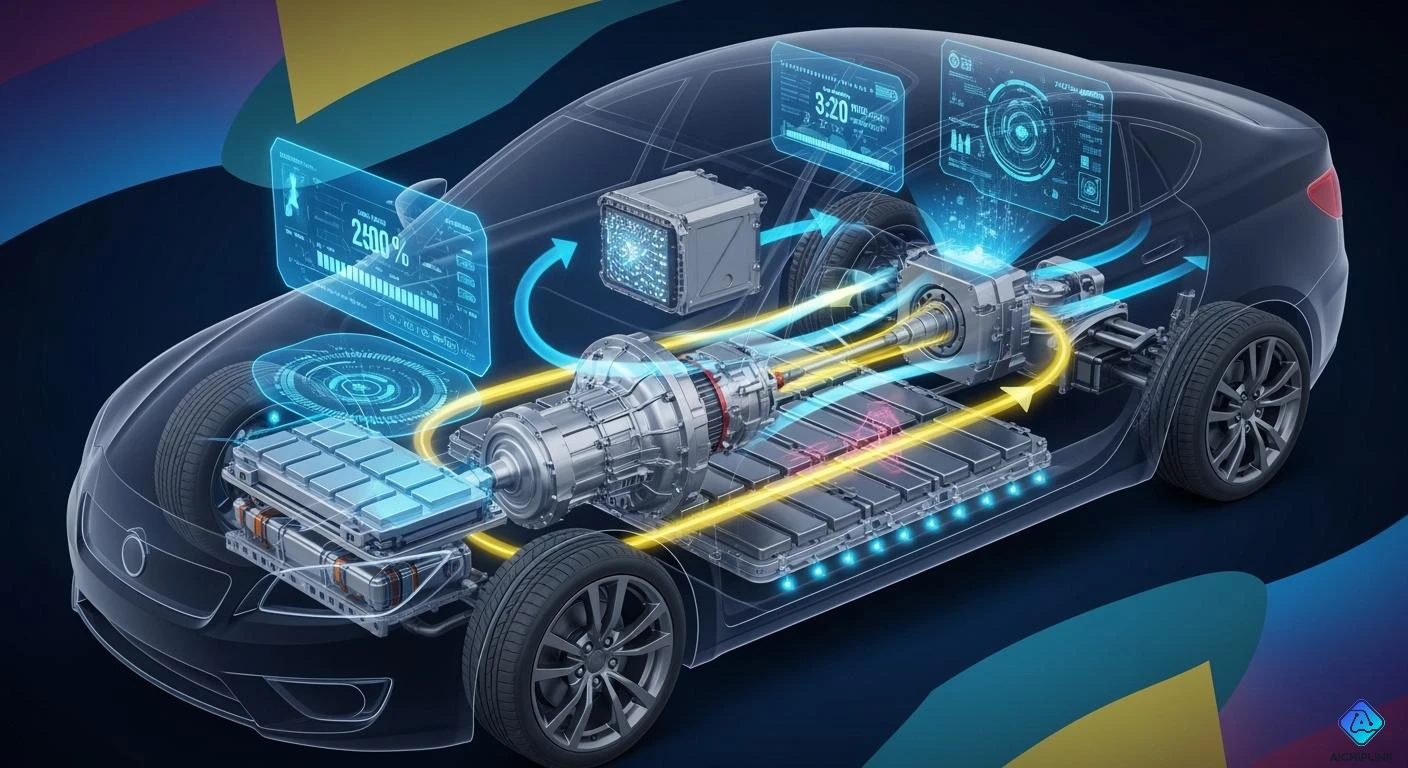
You use an ev powertrain when you drive a battery electric vehicle. The powertrain changes electrical energy from the battery into movement for the car. The main parts are the battery, inverter, motor, and reducer. In 2026, people may buy 23.3 million electric vehicles around the world. As more people pick evs, it helps to know how the powertrain controls energy, gives torque, and keeps the system safe and working well.
Key Takeaways
-
The EV powertrain is like the main part of electric cars. It changes battery energy into movement. It uses fewer parts than gas cars.
-
The battery, inverter, motor, and reducer are important parts. Each part helps manage energy and makes the car work well.
-
Solid-state batteries and better inverters make cars more efficient. They help cars charge faster and drive farther in 2026.
-
Electric cars cost less to fix and have no tailpipe pollution. This makes them better for the environment.
-
New ideas like AI-powered powertrains and wireless charging will make EVs work better. They will also make driving easier for people.
EV Powertrain Overview
What Is an EV Powertrain
When you drive an electric vehicle, the ev powertrain helps the car move. This system takes energy from the battery and makes the car go. You can think of it as the heart of your electric car. It links the battery, the motor, and the wheels together. The electric powertrain uses smart electronics to control energy and how the car reacts when you press the pedal.
The ev powertrain is easier to understand than a gas car’s system. Here are some main differences:
-
EV powertrains have fewer moving parts than gas cars.
-
The electric powertrain uses electricity to make the car move.
-
Gas cars need more complicated parts because of the engine.
You can look at the main parts of an electric vehicle powertrain in this table:
| Component | Description |
|---|---|
| Energy Storage System | A battery or fuel cell that holds electrical energy for the car. |
| Power Electronics | Inverter/converter with controls that manage electricity and help the car work its best. |
| Electric Machine | The electric motor that changes electrical energy into movement. |
| Mechanical System | The transmission system that sends power to the wheels. |
| Vehicle Control Unit | Central hub that helps all the systems, like the battery and motor, work together. |
Core Functions
Each part of the ev powertrain has its own job. The battery pack stores energy and keeps the car safe. The onboard charger lets you charge the battery at a charging station. The traction inverter changes the battery’s power so the motor can use it. The DC-DC converter gives power to smaller things like the lights and radio. The vehicle control unit is like the brain, making sure everything works together. The thermal management system keeps the battery and motor at the right temperature.
You can see these main jobs in the table below:
| Component | Core Function |
|---|---|
| Battery pack | Holds energy and uses a battery management system (BMS) to keep things safe. |
| Onboard charger | Changes AC power from outside to DC power for the battery and controls how much power goes in. |
| Traction inverter | Changes DC power from the battery to AC power for the motor, making a wave shape for the current. |
| DC-DC converter | Lowers high-voltage DC from the battery to low-voltage DC for other systems. |
| Vehicle control unit | Is the main hub, helping all the systems work together. |
| Thermal management system | Keeps the battery and motor from getting too hot or cold, so they work well. |
When you know what these parts do, you can see how an ev works and why it is not the same as a gas car.
EV Powertrain Components
Battery Pack
The battery is the main energy source for your electric vehicle. It stores electricity and sends it to other parts of the powertrain. In 2026, batteries are much better than before. Solid-state batteries give more energy and are safer. New materials like silicon anodes and graphene help batteries hold more energy. Fast-charging lets you charge your battery much quicker now.
-
Solid-state batteries have more energy and are safer.
-
Silicon anodes and graphene help batteries store more energy.
-
High-power chargers make charging faster.
The battery management system keeps the battery safe and healthy. It checks the battery’s temperature, voltage, and current. These new battery features let you drive farther and charge faster.
Inverter and Power Electronics
The inverter is a key part of the 3-in-1 ev powertrain. It changes DC power from the battery into AC power for the motor. This lets you control your car’s speed and strength. New inverters use silicon carbide, so they work faster and waste less energy. Power electronics help manage how electricity moves in the powertrain.
-
Inverters change DC from the battery to AC for the motor.
-
Silicon carbide parts make inverters work better.
-
Power electronics help use energy well and boost performance.
These smart powertrain parts help you drive better and go farther.
Electric Motor
The electric motor takes power from the battery and turns it into motion. There are different types of motors in a 3-in-1 ev powertrain. Here is a table showing common motors in 2026:
| Motor Type | Description | Common Usage in EVs |
|---|---|---|
| Induction Motor | Makes motion with electromagnetic induction; cheap and reliable. | Used in factories and machines. |
| Permanent Magnet Motor | Uses magnets for motion; very efficient but costs more. | Common in EVs because it saves energy. |
| Permanent Magnet Synchronous Motor (PMSM) | Most popular; high efficiency and lots of power. | Used in most electric vehicles. |
| Externally Excited Synchronous Motor (EESM) | No magnets; good for rare-earth-free designs. | Used by brands like BMW and Renault. |
| Axial Flux Motor | New technology; lots of power in a small size. | Used in fast and high-performance cars. |
Most electric vehicles use PMSM motors because they are strong and efficient. The 3-in-1 ev powertrain usually has this kind of motor.
Reducer (Final Drive)
The reducer connects the electric motor to the wheels. It changes the motor’s fast spinning into strong torque for the wheels. This helps your car speed up quickly. The reducer also sets the final drive ratio for your electric vehicle. A higher ratio gives more torque and better acceleration. A lower ratio lets you go faster. The reducer helps the 3-in-1 ev powertrain use the battery’s energy well. You get better mileage and smoother driving.
Note: Many new electric vehicles use a 3-in-1 ev powertrain. This system puts the battery, inverter, and motor together in one unit. You get a lighter, smaller, and more efficient powertrain. This makes electric vehicles easier to build and fix.
How the EV Powertrain Works
Energy Conversion Steps
When you drive an electric vehicle, the ev powertrain turns stored energy into movement. The battery pack is where the energy starts. This battery keeps electrical energy as direct current (DC). When you press the pedal, the electric powertrain begins to work.
Here is what happens step by step:
-
Battery Supplies Power
The battery gives steady DC voltage. It sends electricity to the inverter when you want to move. -
Inverter Converts Power
The inverter takes DC power from the battery. It changes it into alternating current (AC). The motor needs AC power to spin. -
Motor Creates Motion
The electric motor gets AC power. It uses this energy to turn its shaft. This makes movement. The motor’s speed and torque depend on the power from the inverter. -
Reducer Delivers Torque
The reducer connects the spinning motor to the wheels. It lowers the speed but makes the force stronger. This helps your car move forward or backward.
Tip: The electric powertrain uses smart controls. These controls help you get smooth acceleration and safe driving every time.
Component Interaction
Each part of the ev powertrain works together for a smooth ride. The battery, inverter, motor, and reducer all help your car respond.
-
The battery always gives steady DC power to the inverter.
-
The inverter controls the motor by changing voltage and current. It uses special methods like Space Vector Pulse-Width Modulation (SVPWM) for good control.
-
The inverter also uses a current control loop. This loop keeps the current steady and stops unwanted ripples that can affect the motor.
-
The motor’s performance depends on how well the inverter manages voltage and current. The inverter uses strategies like Maximum Torque Per Ampere (MTPA) to give the motor the right power for each situation.
-
The reducer takes the spinning force from the motor and sends it to the wheels. It adjusts speed and torque so you can drive safely and efficiently.
You can see how these parts work together when you drive:
| Component | What It Does During Driving |
|---|---|
| Battery | Sends steady DC power to the inverter |
| Inverter | Changes DC to AC, controls motor speed and torque |
| Motor | Turns electrical energy into motion for the wheels |
| Reducer | Adjusts speed and torque, connects motor to wheels |
The ev powertrain must work well to save energy. The inverter’s switching and harmonics can change how the motor works. If the inverter loses energy, the whole system is less efficient. This means your car might not go as far on one charge.
When you drive in different places, like city streets or highways, the electric powertrain changes how much energy it uses. Engineers test these systems using driving cycles such as WLTP, FTP, and NEDC. These tests help measure how much energy the powertrain uses over time. The goal is to give you the best range and performance.
Note: The way the ev powertrain manages energy and controls each part helps you get the most from your electric vehicle. You enjoy a quiet, smooth, and efficient ride every time you drive.
EV Powertrain vs. Traditional Systems
Key Differences
Electric vehicles and gas cars are not the same. Gas cars use an engine with lots of moving parts. An ev uses a battery, inverter, motor, and reducer. This makes the system easier.
-
Gas cars use only about 20% of gasoline energy to move. Most energy turns into heat and is wasted.
-
An ev uses energy better. It loses about 31-35% of energy, so more power goes to the wheels.
-
There are fewer moving parts in an ev. Gas cars have over 2,000 moving parts in the powertrain. An ev has about 20.
-
Electric vehicles do not make tailpipe emissions. Gas cars release greenhouse gases and pollution.
Here is a table showing the main differences:
| Key Aspect | ICE Vehicle | Electric Vehicle |
|---|---|---|
| Energy efficiency | 25-36% | 80-85% |
| Environmental impact | Greenhouse gas emissions | Zero or reduced emissions |
| Moving parts | ~2,000+ | ~20 |
Note: The battery in an ev sits low in the car. This helps keep the car stable and safe.
Pros and Cons
Both systems have good and bad points. Here are some important things to know:
Pros of EV Powertrains:
-
Lower maintenance costs because there are fewer moving parts.
-
Lower fuel costs since electricity is cheaper than gasoline.
-
Zero tailpipe emissions, which helps the environment.
-
Better energy efficiency, so you get more miles for each unit of energy.
-
Lower center of gravity, which improves safety and handling.
Cons of EV Powertrains:
-
Higher upfront cost for the car.
-
Charging can take longer than filling a gas tank.
-
Some people worry about reliability because evs are newer and still improving. In 2026, you may see more reliability issues in electric vehicles compared to gas cars.
Pros of Traditional Powertrains:
-
Lower purchase price for many models.
-
Fast refueling at gas stations.
-
Well-known technology with many repair shops.
Cons of Traditional Powertrains:
-
Higher maintenance costs due to many moving parts.
-
More energy wasted as heat.
-
Pollution from tailpipe emissions.
Tip: Over time, you may save more money with an electric vehicle because of lower fuel and maintenance costs.
Future Trends 2026
Upcoming Innovations
By 2026, electric vehicles will have many new features. These changes will make driving safer and more fun. The table below shows some cool new ideas:
| Innovation Type | Description |
|---|---|
| Solid-State Batteries | Go over 600 miles, charge faster, and are safer. |
| AI-Optimized Powertrains | Use artificial intelligence to save energy and work better. |
| Wireless Charging | Charge your car without a cord, even while you drive. |
| Hydrogen Fuel Cells | Help big trucks run cleaner and use less fuel. |
| Modular Powertrains | Make it easier and faster for companies to build cars. |
| Sustainable Materials | Use batteries you can recycle and motors without rare earths to help the planet. |
Car makers have some big problems to solve with these new ideas. They have trouble getting parts, following rules, and meeting what customers want. Many companies are building new factories and working together to share ideas and save money. You will see better batteries, smarter power electronics, and improved energy use.
Note: Battery Electric Vehicles could make up 75.53% of the market in 2026.
Impact on Performance
These new ideas will change how your electric vehicle works every day. You will see faster starts, longer drives, and better dependability. The table below shows what will get better:
| Performance Metric | Improvement |
|---|---|
| Power Density | Up to 20-30% higher |
| Motor Size | Up to 20-30% smaller |
| Torque | Up to 15-25% more |
| Acceleration Response | Up to 20% faster |
| Efficiency | Up to 3% better |
| Energy Consumption (City Driving) | Lower |
| Battery Size | Smaller, but same or better range |
| Thermal Stress | Up to 60°C less |
| Reliability | Higher, thanks to less heat |
| Cost Savings | From smaller, lighter parts |
| Weight Reduction | From downsized motors and batteries |
You will also pay less because companies use new ways to make cars, like gigacasting and making parts themselves. These changes make electric cars cheaper to own. As technology gets better, old cars may lose value faster since new ones charge quicker and go farther. You will get these upgrades with each new car.
You can see how the ev powertrain uses the battery, inverter, motor, and reducer to make the car move. All these parts work together so you get a smooth ride and save energy. In 2026, electric vehicles have faster charging, longer driving range, and safer features. You care about how far you can drive, how fast you can charge, and how much the car costs. Many people want better service and updates for their cars. You will get more choices and better performance as brands make their cars better.
-
You want charging to be easy and your car to be safe.
-
You like updates that help your car run well.
-
You think about cost and how you use your car before buying.
Keep learning about new ev technology. You will see more changes that make driving easier and safer.

Written by Jack Elliott from AIChipLink.
AIChipLink, one of the fastest-growing global independent electronic components distributors in the world, offers millions of products from thousands of manufacturers, and many of our in-stock parts is available to ship same day.
We mainly source and distribute integrated circuit (IC) products of brands such as Broadcom, Microchip, Texas Instruments, Infineon, NXP, Analog Devices, Qualcomm, Intel, etc., which are widely used in communication & network, telecom, industrial control, new energy and automotive electronics.
Empowered by AI, Linked to the Future. Get started on AIChipLink and submit your RFQ online today!
Frequently Asked Questions
What is a 3-in-1 EV powertrain?
You see a 3-in-1 EV powertrain when the inverter, motor, and reducer come together in one unit. This design saves space and weight. You get better efficiency and easier maintenance.
How long does an EV battery last?
You can expect most EV batteries to last 8 to 15 years. Battery health depends on how you drive and charge. New battery technology helps you get more years from your electric vehicle.
Can you charge an EV at home?
You can charge your electric vehicle at home using a Level 2 charger. This charger connects to your wall and fills the battery overnight. You save time and money by charging at home.
What makes EVs safer than gas cars?
You get a lower center of gravity in an electric vehicle because the battery sits low. This helps you avoid rollovers. EVs also have fewer moving parts, so you face less risk of mechanical failure.
Do EVs need less maintenance?
You spend less time on maintenance with an EV. Fewer moving parts mean fewer repairs. You only need to check tires, brakes, and battery health. You avoid oil changes and engine tune-ups.