How Low-Power Image Sensors Are Transforming Always-On Designs
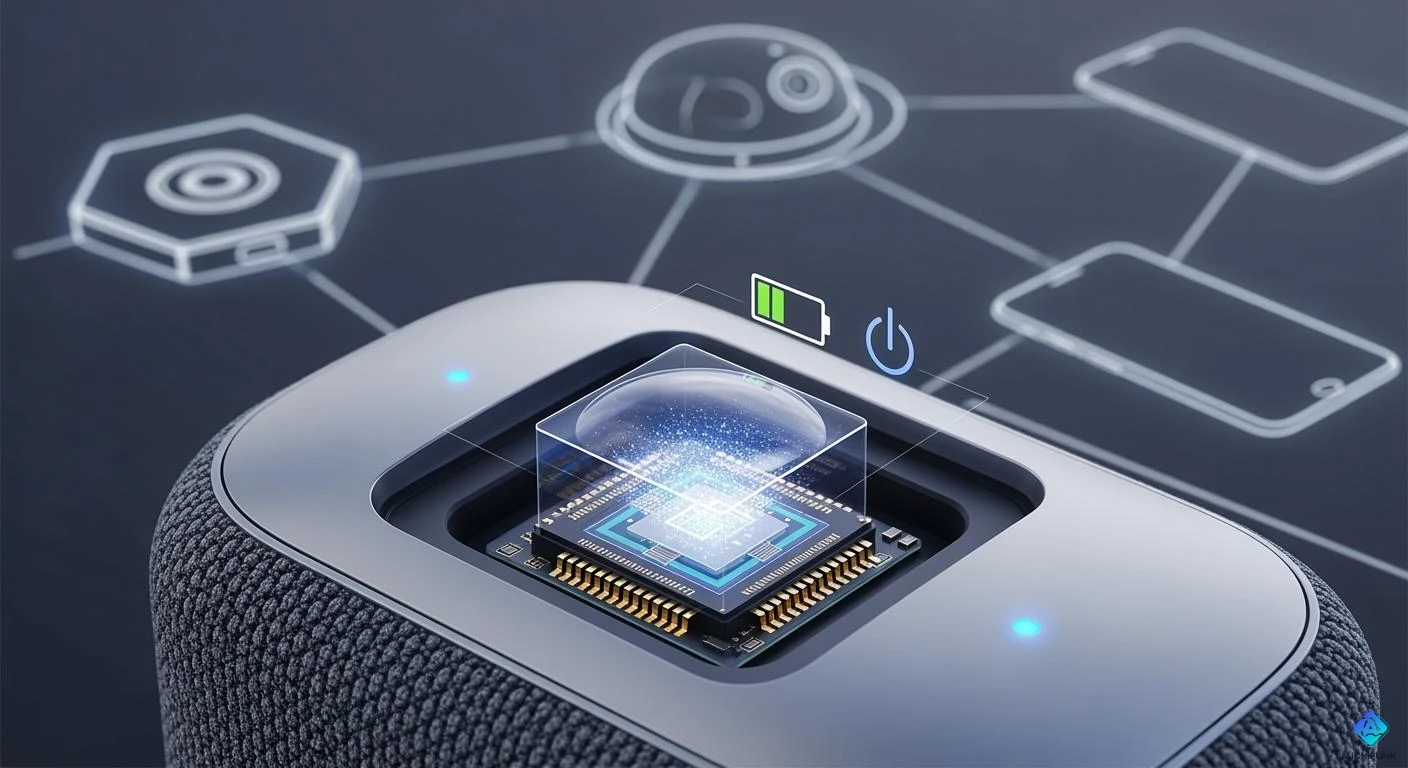
Low-power image sensors are changing always-on devices. They let devices work all the time without using up batteries fast. These sensors help batteries last much longer. Designers can save more power by using lower resolution or black-and-white modes. The sensors stop outside processors from working all the time. This makes devices work better and answer faster. Good image quality is still very important in smart homes and offices. People need clear pictures and strong performance. New ideas keep making these sensors better. They will change how devices stay awake and connected.
Key Takeaways
- Low-power image sensors help batteries last longer. They use up to 10 times less energy than old models. Event-driven operation lets devices save power. Devices stay ready but only wake up when needed. Near-infrared technology helps images look better in low light. This makes security and monitoring stronger. Smart sensors can process data right away. This makes devices react faster and work better in many ways. Picking the right low-power sensors is important. It helps make homes and offices smarter, quicker, and saves more energy.
Low-Power Image Sensors in Always-On Devices
Battery Life and Power Efficiency
Always-on devices need to work all day without charging a lot. Low-power image sensors help by using less energy in smart devices. These sensors have special designs and modes to save power. For example, sensors like VD55G4 and VD65G4 use much less power than older sensors. They can use up to ten times less energy. You get longer battery life because these sensors do not stream all the time. They only turn on the main processor when something changes. This way, devices can stay on all day and use little energy.
-
Sensors can use up to 10 times less power than old ones.
-
Event-driven operation means the device is ready but only uses power when needed.
-
Special sensor designs and always-on modes help batteries last longer.
-
Devices notice changes and wake up processors only when needed.
Sensors also change how much power they use based on what is happening. This means your device does not waste energy when nothing is going on. Onsemi’s Hyperlux sensors and Omnivision models are very good at saving power. Omnivision sensors use less than 50mW when active, which is lower than some other brands. STMicroelectronics makes sensors that use very little power, so they are great for wearables and small devices.
Tip: Picking sensors that use less power helps your devices last longer and need less charging.
Stanford’s CMOS research shows new optical parts can make sensors work better and still use little power. You get better pictures and a small, easy-to-grow imaging system. These new ideas help devices last longer and take good pictures even when always on.
Device Reliability and Responsiveness
You want your devices to work fast and be reliable. Low-power image sensors help by giving good pictures and quick action. These sensors let devices watch things all the time without using up the battery. You see clear pictures and fast answers in smart home cameras, office tools, and factory systems.
Big companies like Onsemi and OMNIVISION make sensors that balance power use and picture quality. Onsemi’s Hyperlux sensors work well in low light, so you get good results even at night. Omnivision sensors use little power, so they are good for small devices with not much space or battery.
Low-power image sensors help many industries:
| Industry | Impact on Device Reliability and Responsiveness |
|---|---|
| Automotive | Better sensitivity and reliability in EVs and ADAS, important for machine vision and self-driving systems. |
| Healthcare | Helps with advanced imaging for diagnosis and small surgeries, making medical devices respond faster. |
| Industrial Automation | Key for smart systems, making them more reliable and quick in IoT and edge computing. |
There are also problems when adding low-power image sensors to always-on devices. Designers must keep up with changing rules and new needs. Devices need sensors that work for many uses and can handle more data from higher resolutions.
| Challenge Description | Details |
|---|---|
| Rapidly Changing Standards | Designers must keep up with new interface rules that change often and quickly. |
| Unpredictability of Requirements | New needs can show up suddenly, making design harder. |
| Diverse Application Demands | Sensors must work for many things, like phones and cars, each with different needs. |
| Data Traffic Management | Higher resolutions mean more data, so sensors need to handle it well. |
Better sensor technology helps devices work well and respond fast. Low-power image sensors let devices stay on, answer quickly, and show clear pictures, all while using less power.
Image Sensor Technology and Features
CMOS APS and Smart Architectures
Modern image sensors have many new features. CMOS active pixel sensors use smart designs to save energy and work better. These sensors use a lower supply voltage, so they need less power. You can see this in the table below:
| Specification | Description |
|---|---|
| Supply Voltage | Lowered from 1.2 V to 1.0 V, which cuts digital power by 30% and analog by 17% |
| Power Management | Global voltage boosters keep the pixel dynamic range high |
| Total Power Consumption | Only 6.53 µW on 1 V for a 96 × 96 pixel array at 5 fps |
| Energy Harvesting | On-chip energy harvesting helps the power system |
These sensors use special pixel designs to give better results. They do some image processing inside the sensor. The edge detection circuit works before the main processor turns on. This saves power, makes less heat, and gives faster answers. Stacked sensor designs put a sensor die and a logic die together. This makes the edge detection circuit smaller and stronger. The on-pixel design can handle both bright and dark scenes, so you get a wide dynamic range.
Wake-on-Motion and Event-Driven Sensing
Wake-on-motion lets your device sleep until it senses movement. This helps save battery life. For example, turning off "raise to wake" can save up to 3.1% battery. This means you get more time for video or maps. Event-driven sensing lets the edge detection circuit send data only when something changes. This makes your device use less energy and stay ready. You get longer battery life and faster answers.
-
Event-driven systems use less energy than always-on systems.
-
Battery-powered devices last longer and use energy better.
NIR and Low-Light Performance
You need clear pictures even in the dark. Near-infrared and low-light features help your device see in all conditions. Cameras use infrared LEDs to light up a room, but you cannot see the light. The edge detection circuit finds details, even at night. Infrared sensors turn this light into signals to make clear pictures. NIR light helps you see faces and license plates in low light. Advanced image processing and the edge detection circuit work together to show more detail and texture, so you always get the best picture.
Tip: Pick sensors with strong NIR and low-light features for better security and smart home use.
Smart Applications and Use Cases
Home Security and Monitoring
Low-power image sensors help keep your home safe. These sensors use computer vision to spot movement and send alerts. Wake on motion lets cameras sleep until something moves. This saves battery and keeps the system ready. Smart ROI helps cameras look at important spots. You get clear pictures and do not waste bandwidth. Near-infrared technology makes pictures better at night. You do not need extra lights for this. Low-power sensors make less heat, so you do not need heat sinks. This makes your security system cost less.
| Feature | Description |
|---|---|
| Wake on Motion | Sensors stay in low-power mode until movement is detected, saving battery life. |
| Smart ROI | Cameras focus on key areas for efficient bandwidth and clear images. |
| Near-Infrared (NIR) | Better image quality in low light without extra lighting. |
| Low Power | Less heat and lower system costs. |
Office Automation and Energy Management
Computer vision can help your office run better and save energy. Low-power image sensors let devices watch rooms and control lights. Event-driven sensing turns on lights only when someone comes in. This stops energy from being wasted. In factories, thermal imaging finds problems early. You can fix things before they break. Smart sensors look at real-time data and help machines check themselves. These sensors turn changes into signals, so you get alerts for repairs. BASF uses thermal checks to stop failures and plan better.
-
Event-driven sensors save energy by working only when needed.
-
Real-time checks help machines stay in good shape.
-
Predictive maintenance keeps your office working well.
Visual AI and Edge Computing
You can make devices work better with computer vision at the edge. Low-power image sensors handle data close to the device. You do not need to send all data to the cloud. This saves bandwidth and keeps your data private. Event-based sensing makes data smaller, up to 30 times less than normal video. Local computing means you pay less for cloud use. You get answers faster because vision algorithms use less data. Devices use less energy because they only work on important things. Event cameras turn on pixels that see changes. Pixels that do not see changes stay in low-power mode. This helps batteries last longer in vision devices.
-
Edge AI computing sends less data and saves bandwidth.
-
Local data work keeps your information private and saves money.
-
Only using needed pixels saves power and makes batteries last longer.
Tip: Try computer vision with low-power sensors for smarter, faster, and more efficient devices at home or work.
Industry Trends and Future Outlook
Expert Insights and Market Adoption
Low-power image sensors are showing up in more electronics. Companies want devices to use less power because many run on batteries now. They use better materials and smarter circuits to help devices last longer. These changes also help devices work well in all kinds of light.
-
Companies use new algorithms to make pictures better, even in low light.
-
Big companies lead the market, but small ones can still bring new ideas.
-
Making sensors smaller and improving color are important goals.
-
Many brands try to make high-resolution sensors that do not use more power.
Experts say CMOS technology is now the main choice. More phones, cameras, and cars use CMOS sensors because they save power and work fast. Sony will stop making CCD sensors by 2026, so CMOS will be used even more. Experts also say sensors need to see better in low light and handle bright and dark scenes. These features help devices work well in many places.
The image sensor market is growing quickly. It could reach almost $30 billion by 2029, with a 7.5% growth rate each year. You will see more 2D sensors in phones and wearables, where high resolution and low power are important.
Innovations and Next Steps
New low-power image sensors have cool features. Many can filter events and process data right on the chip. This saves power and keeps devices from getting too hot. For example, AR0544, AR0830, and AR2020 models have high resolution and use little power.
| Sensor Model | Megapixels | Key Features |
|---|---|---|
| AR0544 | 5 | Low power, compact size |
| AR0830 | 8 | Low power, compact size |
| AR2020 | 20 | Low power, compact size |
Manufacturers use AI to make sensors smarter. You get better pictures because the sensor can change to fit the scene. Sensors now block out noise and change how they work based on what they see. This means your device only uses energy when it needs to.
“New sensor designs, AI, and making sensors smaller are making people want better image sensors.”
You will see more event cameras that turn on only when something changes. These cameras save energy and work well in both bright and dark places. As companies look for lower costs and new features, you will get smarter and better devices at home and work.
Low-power image sensors bring many good things to always-on devices.
-
They help batteries last longer because they use much less power than old sensors.
-
Devices can sleep and only wake up when needed, so they stay cool and work well.
-
These sensors let smart homes and offices react quickly when something happens.
| Feature | How It Helps You |
|---|---|
| Faster processing | Devices act right away in smart places |
| Lower power use | Devices make less heat and last longer |
| High integration | Systems are easier and faster to build |
Soon, sensors will get even better. They will be smaller, see better in the dark, and use AI to be smarter. These upgrades will make your home and work safer and more efficient.

Written by Jack Elliott from AIChipLink.
AIChipLink, one of the fastest-growing global independent electronic components distributors in the world, offers millions of products from thousands of manufacturers, and many of our in-stock parts is available to ship same day.
We mainly source and distribute integrated circuit (IC) products of brands such as Broadcom, Microchip, Texas Instruments, Infineon, NXP, Analog Devices, Qualcomm, Intel, etc., which are widely used in communication & network, telecom, industrial control, new energy and automotive electronics.
Empowered by AI, Linked to the Future. Get started on AIChipLink and submit your RFQ online today!
Frequently Asked Questions
What makes low-power image sensors important for always-on devices?
Low-power sensors help batteries last longer. Devices can stay on all day. You get fast answers from your smart home or office. Wearables also work better with these sensors.
How do these sensors help with image segmentation and object recognition?
High-quality image sensors show clear details. Devices can find objects and tell them apart from the background. This helps your device know what it is looking at.
Can these sensors perform high-speed edge detection and thresholding operation?
These sensors spot changes very quickly. They use edge detection and thresholding to do this. Security cameras and smart gadgets give you fast results.
Do low-power sensors support neural network operations at the edge?
Devices can run neural network operations right on the device. They do not need to send data to the cloud. This gives you quick answers and keeps your data private.
Are these sensors good for low-light or night use?
You get clear pictures even when it is dark. These sensors use special technology to see at night. Security cameras and smart devices work well in low light.