Why HBM Memory Requires Advanced MLCCs
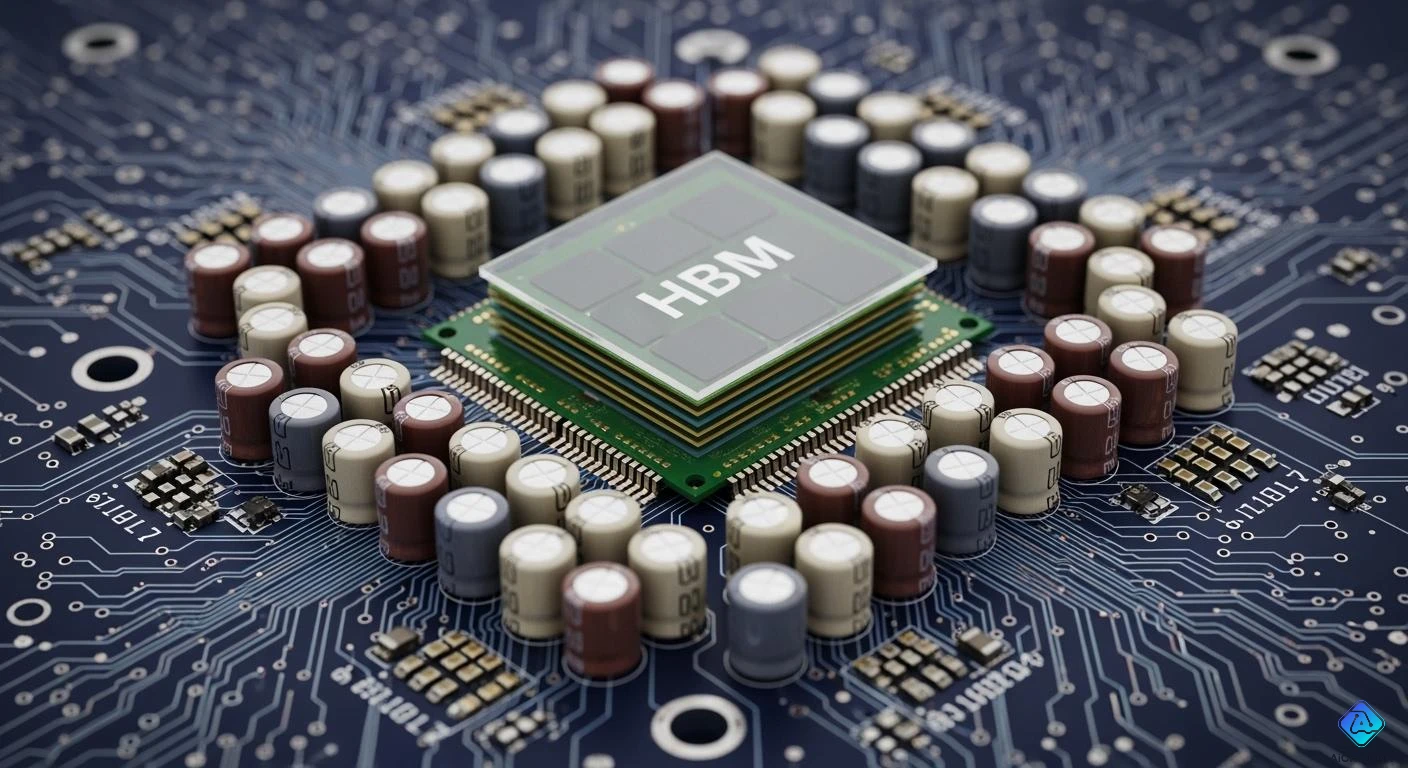
HBM memory helps high-end computers work fast. It lets them get data quickly and use energy well. AI jobs make these computers work very hard. They need strong power and good signal control. MLCC parts must handle a lot of electricity. They also need to deal with heat and keep signals clear. In AI servers, there can be up to 30,000 MLCCs in one system. This is much more than in regular computers. The table below shows how many MLCCs are needed in new servers:
| Server Type | MLCCs Required |
|---|---|
| Traditional | 1,800 to 2,500 |
| AI | 15,000 to 30,000 |
| AI Platforms | 8 to 15 times more MLCCs than conventional servers |
Key Takeaways
-
Advanced MLCCs are very important for HBM memory. They give steady power and cut down noise. This helps data move faster.
-
AI servers need a lot more MLCCs than regular systems. They may need up to 30,000 MLCCs to work well.
-
Picking the right MLCCs makes the system more reliable. It lowers downtime and keeps your AI technology safe.
-
Good MLCCs help control heat and keep signals clear. This is needed for tough jobs in AI applications.
-
The MLCC market must change fast to meet AI needs. If there are not enough MLCCs, costs go up and delays happen.
HBM Memory Architecture
High-Speed and Low-Latency Design
HBM memory is special because it moves data very fast. AI jobs need to get lots of information quickly. This speed makes every part work harder, especially the mlcc parts. These parts help filter power and keep voltage steady. They also stop noise from messing up signals. In ai servers, there can be more than 30,000 mlccs on one board. This is much more than in regular servers. As ai jobs grow, more mlccs are needed. The mlcc market feels this need, and makers must keep up. If demand grows faster than supply, prices can go up.
-
AI servers need better power filtering and voltage control.
-
High-frequency decoupling keeps things running smoothly.
-
Thermal-resistant passive parts help with heat.
Advanced Packaging: 2.5D and 3D
Modern ai systems use new packaging like 2.5D and 3D. These ways stack memory and logic chips close together. This makes data travel a shorter distance. It helps speed and saves energy. Through-Silicon Vias (TSVs) let memory dies stack up. This makes data move even faster and more efficiently. But it also makes power distribution harder. Mlccs are important for these advanced designs.
Note: Advanced packaging makes ai systems faster, but power delivery gets harder.
Thermal Density Challenges
Stacked chips make hot spots in the system. Ai jobs push these systems very hard. Cooling becomes very important. Mlccs must handle high heat and keep working well. If cooling fails, downtime can cost a lot. Makers must build mlccs that last in tough places. As ai gets bigger, reliable mlccs will be needed even more.
MLCCs in HBM Memory
Power Delivery Solutions
MLCCs are very important for giving power to hbm memory. AI jobs make servers work very hard. These jobs need steady power to keep things fast. MLCCs help control voltage and stop power spikes. They make sure each memory stack gets enough energy. Good mlccs can handle big currents and keep power smooth. This helps stop downtime and keeps parts safe. Makers build mlccs to work in tough places. They use special stuff to make them strong and last longer. When more people need mlccs, the market must react fast. If there are not enough mlccs, prices can go up. When this happens, systems cost more.
Note: MLCCs are needed for steady power in advanced ai systems. Without them, hbm memory cannot work as fast as it should.
Noise Suppression and Signal Integrity
AI jobs make a lot of electrical noise. This noise can mess up signals and slow data down. MLCCs act like filters. They block bad noise and keep signals clear. This is important because hbm memory moves data very fast. MLCCs help keep signals strong and safe. They stop mistakes and protect information. Good mlccs use smart designs to block even more noise. They help ai platforms talk fast and work well. If there are not enough mlccs, prices can rise and system quality can drop. Makers must make more mlccs to help ai jobs.
-
MLCCs block noise and keep data safe.
-
Good signals help ai systems work well.
-
Clear signals help hbm memory do its best.
Supporting TSVs and Interconnects
HBM memory uses TSVs and interconnects to stack chips. This makes data move faster and saves space. MLCCs help these stacks by giving steady power and blocking noise. They help stop problems in stacked chips. AI jobs need these strong connections to work fast. MLCCs must be tough and last a long time. Makers test mlccs to make sure they work in big systems. When more mlccs are needed, the market must change. Prices can go up or down if there are not enough mlccs. Good mlccs keep ai systems working and protect your money.
| MLCC Function | Benefit for HBM Memory |
|---|---|
| Power Delivery | Steady voltage, less downtime |
| Noise Suppression | Clear signals, fewer mistakes |
| TSV Support | Strong stacking, fast data |
Tip: Picking the right mlcc helps ai systems stay strong and work well.
Limitations of Standard MLCCs
Conventional MLCC Constraints
Standard mlccs have many problems in strong computer systems. They cannot keep up with fast power changes from ai jobs. These parts lose more electricity and do not block noise as well. Standard mlccs also get hot easily. When ai jobs run for a long time, these parts can overheat and break. This problem is worse in servers with hbm memory. More people want advanced mlccs because standard ones do not last in hard jobs.
Note: Using standard mlccs can mean more repairs and more downtime. They might not keep data safe or keep systems working right.
A simple table shows the main differences:
| Feature | Standard MLCC | Advanced MLCC |
|---|---|---|
| Heat Resistance | Low | High |
| Noise Filtering | Basic | Superior |
| Power Handling | Limited | Robust |
| Lifespan | Shorter | Longer |
HBM Memory Demands
Hbm memory needs power that is fast and steady. Ai systems make these needs even bigger. Standard mlccs cannot keep up with the speed and power ai jobs need. They do not block enough noise or handle heat from stacked chips. This can cause more mistakes and even system crashes. Makers must build better mlccs for these jobs. If not enough are made, prices can go up. This makes it harder for ai systems to grow. The price of advanced mlccs may rise if the market cannot keep up.
-
Ai jobs need better parts for safety and speed.
-
Advanced mlccs help stop downtime and protect your money.
Tip: Picking the right mlcc helps servers last longer and keeps prices lower.
Advanced MLCCs for HBM Memory
Enhanced Capacitance and Efficiency
High-end mlccs can hold a lot of charge in a small size. This is very important for hbm memory. Hbm memory needs steady power and quick action. In ai data centers, these special parts must handle high voltage and heat. How mlccs are built affects how well they deal with heat. It also affects how well they keep working. Makers design mlccs to keep their charge steady, even if voltage changes. This stops power loss and helps ai systems work well.
Some important things about mlccs are:
-
DC bias shows how charge changes with voltage.
-
AC voltage rating tells how well it handles ripple current.
-
Aging rate shows how charge changes as time passes.
-
How it is built affects heat resistance and low resistance.
When ai jobs get bigger, more charge and better work are needed. The mlcc market must keep up with this need. If there are not enough mlccs, wait times get longer and prices go up. This can make prices rise fast, especially for top solutions used in nvidia's blackwell platform and other new servers.
Tip: Picking mlccs with lots of charge and good work helps ai systems stay on and work their best.
Low ESL/ESR Performance
Low resistance and low inductance are very important for good signals in hbm memory. These things help mlccs block noise and give clean power fast. Ai jobs make a lot of noise that can mess up data. High-end mlccs with low esr and esl keep signals clear and stop mistakes.
The table below shows why low esr and esl are good:
| Feature | Benefit for AI Systems |
|---|---|
| Low ESR | Less heat, better efficiency |
| Low ESL | Faster response, clear signals |
Ai systems need to move data without problems. Low esr and esl help stop voltage drops and lost signals. This makes systems more stable and stops errors. As ai jobs grow, more advanced mlccs with these features will be needed. The mlcc market must act fast to stop shortages and price jumps.
Miniaturization and Reliability
Making mlccs smaller lets more fit in tight spaces. This matters for new hbm memory packaging like 2.5D and 3D stacking. Ai data centers use thousands of mlccs in each system. Smaller and stronger parts save space and lower heat. Being able to handle heat helps these parts last longer, even in hard places.
Makers work on making mlccs last a long time. They test them for how they age and how tough they are. Strong mlccs lower the chance of breaking and cut repair costs. When there are not enough parts, strong ones help stop surprise downtime and protect money.
Note: Small, strong mlccs help ai grow and keep systems working their best.
The mlcc market will keep seeing more demand as ai gets bigger. Price and supply will still matter a lot. Top solutions give the best mix of good work and strength for hbm memory in new servers.
Advanced MLCCs help ai servers run faster and safer. They give steady power, manage heat, and keep signals clear. Manufacturers must watch forecast trends and build strong parts for new systems. Good supply-side capacity keeps costs stable and supports growth. Picking the right MLCCs protects your investment and helps your business stay ahead.

Written by Jack Elliott from AIChipLink.
AIChipLink, one of the fastest-growing global independent electronic components distributors in the world, offers millions of products from thousands of manufacturers, and many of our in-stock parts is available to ship same day.
We mainly source and distribute integrated circuit (IC) products of brands such as Broadcom, Microchip, Texas Instruments, Infineon, NXP, Analog Devices, Qualcomm, Intel, etc., which are widely used in communication & network, telecom, industrial control, new energy and automotive electronics.
Empowered by AI, Linked to the Future. Get started on AIChipLink and submit your RFQ online today!
Frequently Asked Questions
What makes advanced MLCCs essential for HBM memory?
Advanced MLCCs give steady power and cut down noise. HBM memory needs these things to move data fast. Regular parts cannot do this job well. Good MLCCs stop mistakes and keep ai servers working.
How do MLCCs impact ai data centers?
MLCCs help memory work fast and handle heat. They make ai data centers run better. Good MLCCs lower downtime and keep hardware safe.
Why is the ai hardware supply chain important for MLCC availability?
The ai hardware supply chain decides how fast MLCCs arrive. If there are delays or not enough parts, making systems slows down. A good supply means ai systems get what they need to work well.
How do MLCCs affect ai server shipments?
If there are not enough MLCCs, ai server shipments can be late. Fast delivery of good MLCCs helps companies fill orders. This keeps projects moving and helps businesses grow.
What role do MLCCs play in ai system reliability?
MLCCs keep power even and block bad noise. They help ai systems stop crashes and keep data safe. Strong MLCCs make systems last longer and work better.