Superconducting Magnetic Energy Storage Could Transform Grid Stability in 2026
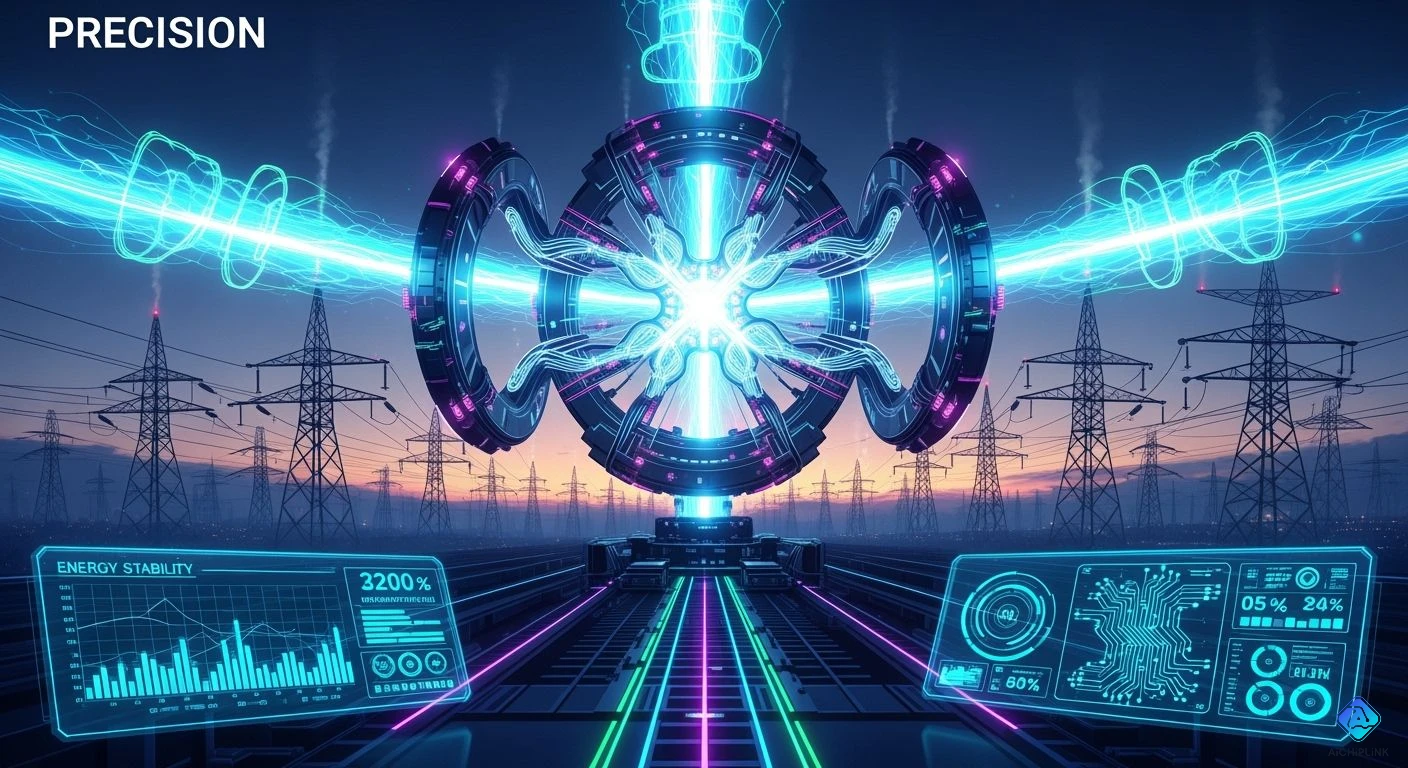
Superconducting magnetic energy storage is a smart system that saves electricity inside a magnet. First, you run direct current through a deeply frozen wire coil. Because this extreme cold removes all electrical friction, the energy stays trapped without turning into lost heat. Today's power grids badly need fast ways to stay balanced. The International Energy Agency expects green power to reach 36% of world electricity by 2026. However, shifting solar and wind power create sudden energy drops. You can count on SMES to shoot power back into the grid in less than a second. This instant reaction makes SMES a key energy storage solution for future grid stability.
Key Takeaways
-
SMES systems keep electricity right inside a freezing magnetic coil without losing any heat energy.
-
New cooling methods using liquid nitrogen greatly reduce running expenses while keeping up to 98% efficiency.
-
The system provides strong power in seconds to save power grids from quick blackouts.
-
Using SMES technology with green energy balances quick power changes from wind and solar power.
What Is Superconducting Magnetic Energy Storage?
Core Components of SMES Systems
Learning about superconducting magnetic energy storage gets much easier when you look at its basic equipment. Every smes setup depends on three key parts that work together smoothly. To control the energy flow, you must use a special storage loop, a super-cold tank, and a power converter.
These hardware parts perform distinct tasks within the network:
-
Superconducting coil: The system holds power right inside a magnetic field using wire loops made from superconducting materials like yttrium barium copper oxide.
-
Cryogenic cooling system: The tank uses liquid helium or liquid nitrogen to keep the smes coil frozen and active.
-
Power Conditioning System: This converter changes direct current into alternating current so local power companies can send it to homes.
The Power Conditioning System links the direct current loop straight to the alternating current power network. When charging the smes coil, the power equipment draws energy from the grid to feed the magnetic loop. During grid discharge, advanced electronic parts switch this power direction in a split second.
Achieving Zero Resistance via Cryogenics
Superconducting materials require freezing temperatures to prevent electrical power loss. Normal metal wires create warm friction as electricity moves through them. However, you remove electrical resistance totally once you cool a smes coil below its critical temperature. Early smes hardware relied on niobium-titanium wires that needed liquid helium at 4.2 K to cool properly.
Modern energy storage systems use high-temperature superconductors to make daily operation much simpler. Materials like yttrium barium copper oxide let a smes unit work with liquid nitrogen at around 77 K. You cut cooling expenses tremendously by switching from liquid helium to liquid nitrogen. This temperature drop helps people set up smes power units much faster for commercial business needs. Across a long service life over 30 years, a smes setup maintains excellent round-trip efficiency near 95–98% without losing power.
How SMES Working Principles Power Energy Storage
Charging the Coil and Magnetic Field Retention
You can learn how superconducting magnetic energy storage charges by tracking how electricity moves. Power networks send alternating current straight into the Power Conditioning System. This converter turns the electricity into direct current to charge the smes coil.
To keep this electric power in the loop without constant energy input, you trigger a persistent switch using five simple steps:
-
A small heater warms the persistent switch past its transition point, turning the switch resistive.
-
The outside power source raises the current until the wire coil reaches its planned magnetic field.
-
The controller shuts off the heater, letting the switch cool to its superconducting state again.
-
This cooling step connects the coil ends, creating a closed superconducting loop.
-
You shut off the external power source, letting current flow nonstop inside the loop.
In good smes coil setups, builders aim for a top magnetic field strength of about 7 tesla (T). This number balances high energy storage capacity with basic wire costs. After you lock the power into the frozen loop, the magnetic field remains steady. Since no electrical resistance exists inside the wire, the device works without losing heat. Small physical actions like flux creep make the current drop a tiny bit over time, but the magnetic field stays steady for long-term energy storage.
Rapid Power Conditioning and Discharge
When sudden power spikes hit the grid, you need to send the saved magnetic energy back into the power network. The smes device turns its power flow around right away. The Power Conditioning System pulls direct current out of the magnetic loop and changes it into regular grid power.
Unlike standard batteries, this magnetic setup uses zero chemical actions and has no moving parts. Because of this, a smes device avoids internal wear, reaches close to 100% round-trip efficiency, and offers unlimited charging cycles.
High-power plant managers use this fast discharge feature across many industrial energy storage setups. The table below shows real-world uses where specialized smes tools protect sensitive electric gear:
| Reference | SMES Application | Purpose/Context | | Kim et al. [16] | SMES-based DVR in a distributed system | Eliminating short-term voltage sag problems | | Wang et al. [17] | SMES-DVR with super-twisting sliding mode control and extended state observer | Sensitive load protection during voltage sags | | Zhao et al. [18] | Modular current-type interline DVR based on SMES | Protecting multiple loads simultaneously from voltage sags |
These practical uses show how well a smes setup protects power networks from sudden voltage drops. When voltage dips threaten weak equipment, the system shoots out strong power in milliseconds. You get full control over short-term grid stability using this quick discharge capability.
Transforming Grid Stability in 2026
Microsecond Response for Frequency Support
Modern power grids struggle with big daily problems in 2026. Sudden equipment starts and fast load changes make power frequencies drop quickly across whole regions. Regular power plants move too slowly when these bad drops happen. Quick technology must jump in to fix power levels before total blackouts happen. New high-tech smes systems step up to fix these instant frequency drops.
Power plants can use smes equipment to push big energy surges out in milliseconds. Digital tracking sensors help the setup catch voltage dips right away. Next, the converter turns stored direct current into usable alternating current fast. This quick boost brings back power balance much faster than standard chemical batteries. Because of this, power networks stay safe during sudden outage events.
Mitigating Intermittent Renewable Fluctuations
Wind turbines and solar panels make tons of clean electricity right now. Even so, floating clouds and fading winds cause big power swings. These fast changes stress sensitive power lines every single day. You can use superconducting magnetic energy storage like a flexible shield for sudden green energy jumps.
The main smes gear takes in extra power whenever solar output jumps up. Then, that same smes equipment sends out power when wind levels fall fast. This quick process smooths out brief power supply dips very easily. Also, teams install these tools in many industrial setups to safeguard small local grids. You keep power stable without starting up slow fossil fuel plants.
Upcoming power grids need strong, high-power systems to handle daily green energy swings. Normal batteries cover long energy needs that last for several hours. At the same time, custom smes units fix fast millisecond power shifts smoothly. Running both systems together gives you the best grid performance possible. These joint uses build the path toward a clean, reliable power network.
Unlike chemical batteries that depend on slow chemical reactions, a superconducting magnetic energy storage system stores electrical current right in its magnetic field. Having zero electrical resistance prevents heat energy loss, and keeping the magnetic field steady enables instant power delivery. Because of this, a smes device provides super-fast backup energy whenever short power grid outages occur.
You can combine smes hardware with long-lasting renewable energy setups to keep modern power networks safe. At the same time, new helium-free cooling methods keep driving down daily smes operating costs. These super-cooling improvements help push reliable, eco-friendly energy storage toward widespread use by power companies. You can depend on this quick energy storage solution to protect power grid stability during 2026.

Written by Jack Elliott from AIChipLink.
AIChipLink, one of the fastest-growing global independent electronic components distributors in the world, offers millions of products from thousands of manufacturers, and many of our in-stock parts is available to ship same day.
We mainly source and distribute integrated circuit (IC) products of brands such as Broadcom, Microchip, Texas Instruments, Infineon, NXP, Analog Devices, Qualcomm, Intel, etc., which are widely used in communication & network, telecom, industrial control, new energy and automotive electronics.
Empowered by AI, Linked to the Future. Get started on AIChipLink and submit your RFQ online today!
Frequently Asked Questions
How Fast Does SMES Respond to Grid Instability?
Expect this setup to push saved power out in milliseconds. Digital monitors spot sudden voltage dips instantly. The power conditioning unit changes magnetic energy into alternating current fast, keeping your grid safe during unexpected outages.
How Does SMES Differ From Chemical Battery Energy Storage?
Regular batteries rely on chemical shifts that wear parts down over time. This design saves electricity straight inside a magnetic field instead. You get zero heat loss and high performance with no physical damage.
What Power Applications Benefit Most From This Technology?
Major factory plants and small microgrids rely on these setups to prevent voltage dips. Industrial facilities shield fragile electronic tools from sudden blackouts while smoothing jumping power levels from nearby solar panels and wind turbines.
Why Do Modern SMES Coils Use High-Temperature Superconductors?
Early designs needed liquid helium to handle extreme freezing levels. Modern setups rely on compounds that operate using liquid nitrogen at 77 K. Operating teams slash cooling costs significantly while keeping daily maintenance simple for power providers.