What Makes Tantalum Capacitors Work So Well
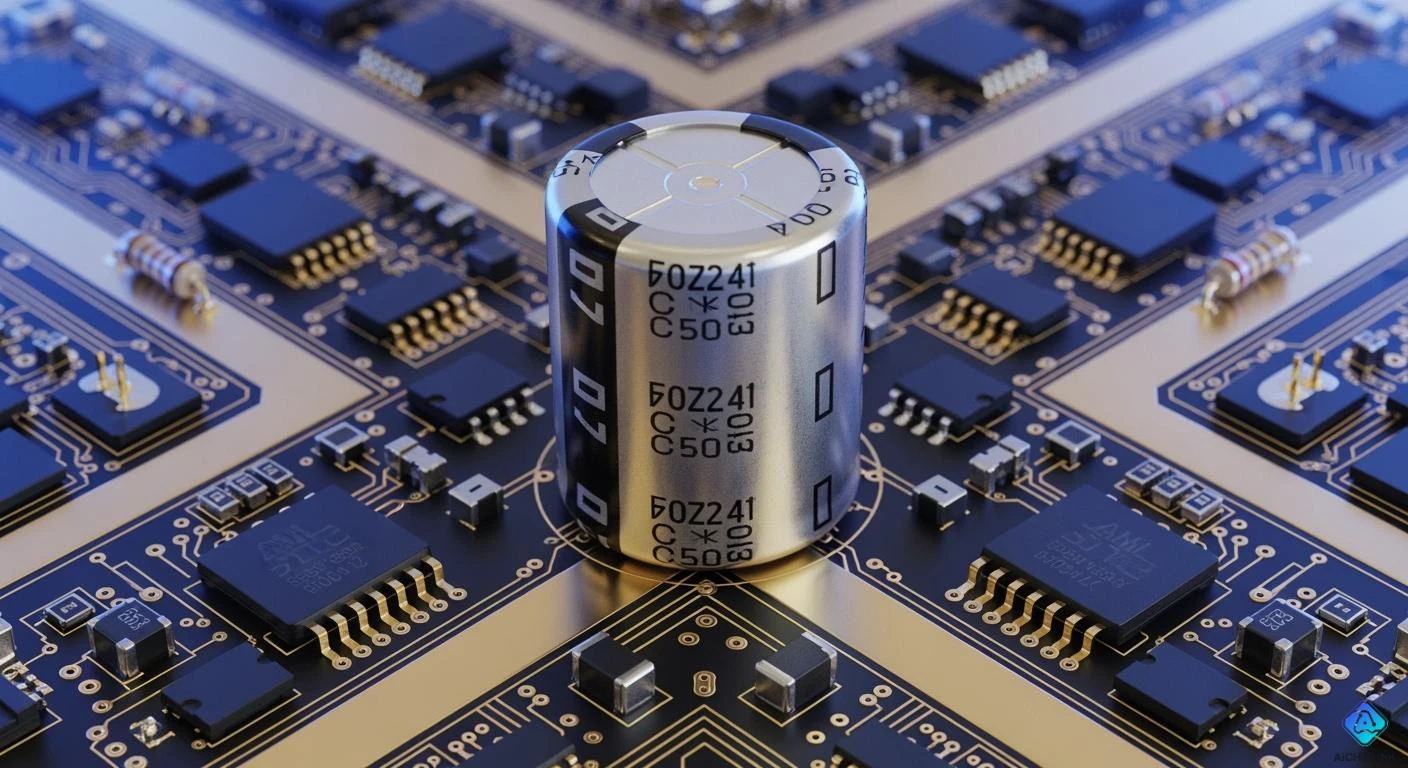
You can find tantalum capacitors in many devices you use. These parts store and release electrical energy. This makes them important in electronic circuits. Tantalum lets the capacitor hold a lot of energy in a small space. It also helps the capacitor work well and stay steady. You will see these capacitors in cars, phones, factories, medical tools, airplanes, and computer drives. Their special polarization lets them use energy well. This makes them different from other capacitors.
Key Takeaways
- Tantalum capacitors can hold and give out electrical energy well. This makes them very important in things like phones and medical tools. Their special design has a porous tantalum anode and a thin dielectric layer. This lets them have high capacitance even though they are small. Tantalum capacitors are polarized. They need to be connected the right way to work. If not, they can get damaged. These capacitors are very stable and reliable. They work well even when temperatures or conditions change. Using tantalum capacitors can help devices work better and last longer. This is why people pick them for important uses.
What Are Tantalum Capacitors
Structure and Materials
When you look at tantalum capacitors, you see their parts. These capacitors use special materials to work better than others. The main parts are the anode, dielectric, and electrolyte. Each part does something important.
Here is a table that shows how tantalum capacitors are different from other types:
| Component | Tantalum Capacitor | Other Capacitor Types |
|---|---|---|
| Anode Material | Tantalum metal powder | Aluminum or other metals |
| Dielectric | Ta₂O₅ (Tantalum pentoxide) | Al₂O₃, polymer films, ceramics |
| Electrolyte | Manganese dioxide or conductive polymer | Liquid electrolytes or other types |
| Capacitance Density | Higher due to porous structure | Generally lower |
| Temperature Stability | High stability over temperature | Varies by type |
| Longevity | Longer lifespan | Varies by type |
| Manufacturing Process | Vacuum sintering and anodization | Varies by type |
Tantalum capacitors use tantalum powder for the anode. The powder forms a pellet with lots of surface area. This helps the capacitor store more energy. The tantalum wire links the anode to the circuit. The dielectric layer is made from tantalum pentoxide. It sits between the anode and cathode. It stops current from going straight between them. The electrolyte, like manganese dioxide or a conductive polymer, touches the dielectric and acts as the cathode. This setup gives tantalum capacitors high capacitance and good stability.
Here are the main materials and what they do:
-
Tantalum powder makes the anode and gives a big surface area for charge.
-
Tantalum wire connects the anode to the circuit.
-
Tantalum pentoxide is the dielectric, keeping the anode and cathode apart.
-
Manganese dioxide or conductive polymer is the electrolyte, helping the capacitor work well and last longer.
Using tantalum and its compounds makes these capacitors strong and dependable. The manufacturing uses vacuum sintering and anodization. These steps make a stable and thin dielectric layer. This layer is important for high capacitance and long life.
Polarization and Dielectric
Polarization is important for tantalum capacitors. Polarization means the capacitor works only if you connect it the right way. If you connect it backwards, it can stop working. Polarization affects how the capacitor stores and releases energy.
The dielectric layer in tantalum capacitors is very thin and made from tantalum pentoxide. This material has a high dielectric constant. It lets the capacitor hold more charge in a small space. The thin layer keeps capacitance steady when temperature or voltage changes. Tantalum capacitors give steady performance, even in hard conditions.
Note: Polarization changes the inside of the capacitor. It makes the pathway for electricity tighter. This can raise resistance and heat. If the pathway gets too tight, the capacitor may stop working. You must use tantalum capacitors the right way to avoid trouble.
The oxide dielectric in tantalum capacitors is special compared to other types. Ceramic capacitors can lose capacitance when temperature changes. Tantalum capacitors keep their capacitance steady. This makes them good for devices that need reliable performance.
The mix of tantalum, tantalum pentoxide, and a solid electrolyte gives these capacitors their special features. The structure and materials help them store more energy, stay steady, and last longer than other types.
How Tantalum Electrolytic Capacitors Work
Charge Storage Process
Tantalum electrolytic capacitors store energy in a special way. They have a tantalum anode made from pressed powder. The powder is heated and pressed together. This makes the anode full of tiny holes. These holes give the anode a large surface area. More surface area means more places to hold electric charge. This lets the capacitor have high capacitance in a small size.
A thin layer of tantalum oxide covers the anode. This layer is called the dielectric. It keeps the anode and electrolyte apart. The dielectric is very thin. Because it is thin, the capacitor can store more charge. The capacitor can fit into small spaces on a circuit board. The thin dielectric also keeps esr low. This helps the capacitor react fast to changes in the circuit.
The electrolyte touches the dielectric. It is made from manganese dioxide or a conductive polymer. The electrolyte acts as the cathode. When you add voltage, electrons gather on the anode. Positive charges build up on the electrolyte side. The dielectric keeps these charges apart. The energy stays stored until you need it.
Here is how the parts help store charge:
-
The porous anode gives more space for charge.
-
The thin dielectric lets the capacitor hold more charge.
-
The solid electrolyte keeps esr low and performance steady.
-
Charges build up on both sides of the dielectric.
Tip: Tantalum electrolytic capacitors have low esr. This makes them good for circuits that need fast and steady energy.
Energy Release Mechanism
When your circuit needs power, the capacitor gives it quickly. The process starts when the circuit pulls current. The stored charges move from the anode to the cathode. They cross the dielectric layer. The dielectric acts like a wall. Only the stored energy moves, not the electrons themselves.
The energy comes out in a controlled way. Low esr means there is little resistance. Less resistance means less heat and better energy flow. This is important for things like phones and medical tools. These need steady voltage and quick response.
Here are the steps for releasing energy:
-
The anode holds the charge under a thin oxide layer.
-
When voltage drops, the electric field lets charges move.
-
The solid electrolyte helps charges flow easily and keeps esr low.
-
The capacitor sends energy to the circuit right away.
Tantalum electrolytic capacitors are like tiny batteries. They store energy and give it when needed. The oxide layer keeps the energy safe. Low esr makes sure energy gets to your circuit fast and without loss.
Note: The special design of tantalum electrolytic capacitors gives them an edge. The porous anode and thin dielectric mean high capacitance, low esr, and steady work in a small part.
Tantalum electrolytic capacitors are great because they store charge well and release energy fast. Their design helps your circuits work better and last longer.
Benefits of Tantalum Capacitors
Stability and Frequency Response
Tantalum capacitors work in a steady way. Their capacitance does not change much when it gets hot or cold. You see less energy leaking out. They store energy the same way each time. Tantalum capacitors can handle higher frequencies than aluminum electrolytic types. They react faster and have lower ESR. This means they give energy quickly and do not get as hot. Ceramic capacitors can work at even higher frequencies. But tantalum capacitors hold more charge in the same space. Remember, tantalum capacitors are polarized. You cannot use them in AC circuits. Ceramic capacitors are not polarized, so they work better for AC.
Tip: If you want steady work and high capacitance for DC, pick tantalum capacitors.
Size and Capacitance Advantages
Tantalum capacitors help you save space in your projects. Tantalum pentoxide lets them hold more charge in a small size. This is good for small things like phones and medical tools. You get more capacitance in less space than with ceramic capacitors. The table below shows how tantalum capacitors compare to other types:
| Performance Aspect | Tantalum Capacitors | MLCCs (Ceramic) | Aluminum Electrolytic |
|---|---|---|---|
| Size | Small | Very Small | Large |
| Capacitance Stability | Excellent | Fair | Good |
Tantalum capacitors help make products smaller and stronger. This is why many new electronics use them. But they can cost more and do not work in AC circuits.
Reliability and Failure Rate
Tantalum capacitors are very reliable. They fail only 0.01% of the time for every 1000 hours at 85 °C and rated voltage. That means only one fails in ten million hours. They are built strong and can fix small problems inside. This stops big failures from happening. You can trust them in important jobs. They work in many temperatures and last a long time.
-
Tantalum capacitors fail in ways you can predict.
-
They do not dry out or break down like aluminum electrolytic capacitors.
-
Their capacitance stays the same as they get older.
-
But they can leak more current and may fail with age and heat.
Ceramic capacitors cost less but may not last as long. Tantalum capacitors cost more, but they work better and are more reliable.
Capacitor Applications
Electronics and Devices
Tantalum capacitors are used in many electronics you know. Phones, laptops, and cameras need them for steady power. Tantalum helps make devices small but strong. These capacitors store energy in a tiny space. They help your device work well and not break down. Tantalum capacitors are great for power supplies. They make sure your device gets the right energy.
Here is a table that shows how tantalum capacitors help electronics:
| Characteristic | Benefit to Consumer Electronics |
|---|---|
| High Capacitance per Volume | Enables miniaturization of electronic components |
| Low Leakage Current | Improves reliability and efficiency of devices |
| Excellent Stability | Allows operation under harsh conditions |
| High Charge Capability | Supports compact designs without sacrificing performance |
| Wide Range of Temperature Tolerance | Ensures functionality in diverse environments |
| Low Noise Generation | Enhances signal integrity in electronic circuits |
| Self-Healing Capability | Increases longevity and reliability of capacitors |
| High Mechanical Robustness | Protects against shocks and vibrations in portable devices |
You can find tantalum capacitors in phones, tablets, and medical tools. They keep signals clear and protect circuits. These capacitors are quiet and last a long time. Your devices work better and last longer because of them.
Tip: If you want your electronics to be small and last, use tantalum capacitors in your power supply.
Industrial Uses
Tantalum capacitors are important in big machines and factories. You see them in phones, planes, and army tools. Networks and data systems use them for steady work. Planes and army gear need parts that do not fail. Tantalum capacitors can handle tough jobs and keep things running.
Doctors use tantalum capacitors in medical tools. Pacemakers and brain devices use them because they stay steady. In 2023, doctors used about 900 million tantalum capacitors. People trust them because they are safe for the body and work well.
The army and space jobs need parts that last. The US Department of Defense uses many tantalum capacitors. These jobs need strong and steady parts.
Tantalum capacitors work well in hard places. Here are some reasons why they are good for big jobs:
-
Tantalum capacitors work at over 175°C.
-
They have high ratings and stay steady from -55 to +230°C.
-
Some chip capacitors work all the time at 175°C.
-
Molded chip capacitors work up to 200°C.
-
Wet tantalum capacitors can go up to 230°C.
You can use tantalum capacitors in factories, cars, and phones. These jobs need steady power, high ratings, and long life. Tantalum capacitors give you all these things.
You now know that tantalum capacitors use a special setup to hold and give out energy. Their thin oxide layer and strong materials let them store lots of energy in a small spot. Tantalum capacitors work well in hard places and last for years.
| Capacitor Type | Why Choose Tantalum Capacitors |
|---|---|
| Ceramic Capacitors | More reliable and higher capacitance for demanding environments |
| Aluminum Capacitors | Smaller size with better energy storage |
| Film Capacitors | Higher capacitance density for tight spaces |
-
They work the same in hot or cold weather.
-
Devices stay safe and keep working longer.
-
Experts use tantalum capacitors in cars, planes, and medical tools.
Tantalum capacitors help your electronics stay strong and dependable every day.

Written by Jack Elliott from AIChipLink.
AIChipLink, one of the fastest-growing global independent electronic components distributors in the world, offers millions of products from thousands of manufacturers, and many of our in-stock parts is available to ship same day.
We mainly source and distribute integrated circuit (IC) products of brands such as Broadcom, Microchip, Texas Instruments, Infineon, NXP, Analog Devices, Qualcomm, Intel, etc., which are widely used in communication & network, telecom, industrial control, new energy and automotive electronics.
Empowered by AI, Linked to the Future. Get started on AIChipLink and submit your RFQ online today!
Frequently Asked Questions
What happens if you connect a tantalum capacitor the wrong way?
You could break the capacitor. Tantalum capacitors have polarity. If you connect it backwards, it might get hot, leak, or even blow up. Always look at the markings before you put one in.
Can you use tantalum capacitors in AC circuits?
No, you cannot. Tantalum capacitors only work with DC voltage. Using them in AC circuits can make them fail or cause safety problems.
Why do tantalum capacitors cost more than other types?
You pay more because tantalum is rare and hard to make. The higher price means you get better stability, reliability, and longer life.
How do you store tantalum capacitors safely?
* Keep them dry. * Do not let them get too hot. * Put them in anti-static bags. Storing them right stops damage and keeps them working well.