STMicroelectronics AEK-POW-BMS63EN
Manufacturer No:
AEK-POW-BMS63EN
Manufacturer:
STMicroelectronics
Package:
Description:
Battery management system module based on L9963E
Quantity:

In Stock :7707
Looking for price or availability? Send us an RFQ and our sales team will respond quickly.
Shipping & Availability


Fast worldwide shipping via DHL, FedEx, UPS, and EMS.
Shipped from:HK Warehouse
Expected Shipping:Fri, May 29 - Sat, May 30, 2026
Lead Time:Inquire about availability
Date Code:Within 2 Years
Payment


We support multiple secure payment methods including PayPal, Visa, MasterCard, and American Express. All transactions are protected with advanced encryption to ensure secure and reliable payments.
Authenticity Guarantee
All components supplied by Aichiplink are sourced from trusted global suppliers and verified through strict in-house inspection and quality control procedures.
Quality Assurance
Certified in-house inspection and testing facilities ensure all components meet internationally recognized quality standards.
User Guide
Aichiplink operates certified in-house inspection and testing facilities to ensure all electronic components meet internationally recognized quality and compliance standards. Our quality management system is verified through ISO 9001 certification and industry-standard inspection procedures.
PURCHASE
Please verify all part numbers, quantities, and packaging preferences before placing your order. If substitutions are acceptable, please indicate this clearly. For time-sensitive projects, confirm estimated delivery dates and stock availability in advance. Once submitted, changes or cancellations may not be possible, especially for items marked as non-cancellable/non-returnable (NCNR). For international shipments, please ensure all import documentation is complete and accurate to avoid delays.
MEANS OF PAYMENTFor your convenience, we accept multiple payment methods in USD, including PayPal, Credit Card, and Wire Transfer. Net terms may be available for qualified customers upon approval.
RFQ (REQUEST FOR QUOTATIONS)Please ensure the part numbers and quantities are accurate and complete when submitting your RFQ.
Provide target prices and acceptable alternatives, if any, to speed up the quotation process.
Quotations are subject to stock availability and may vary with market conditions. Prices and lead times are not guaranteed until a purchase order is confirmed. Ensure your contact details are correct to avoid delays in response.
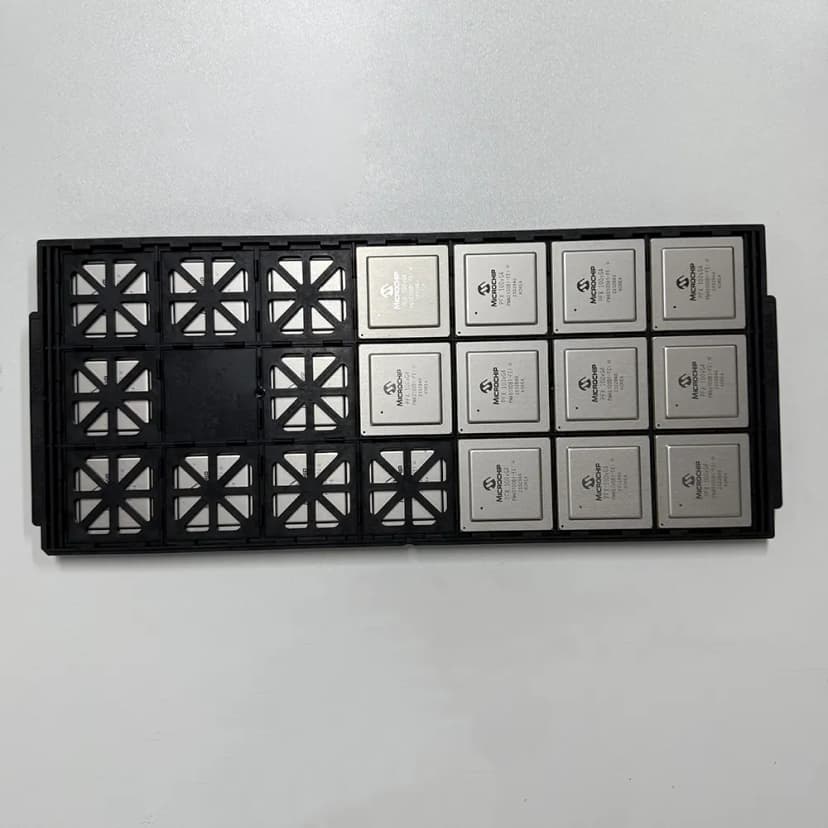
Step1:Prepare product
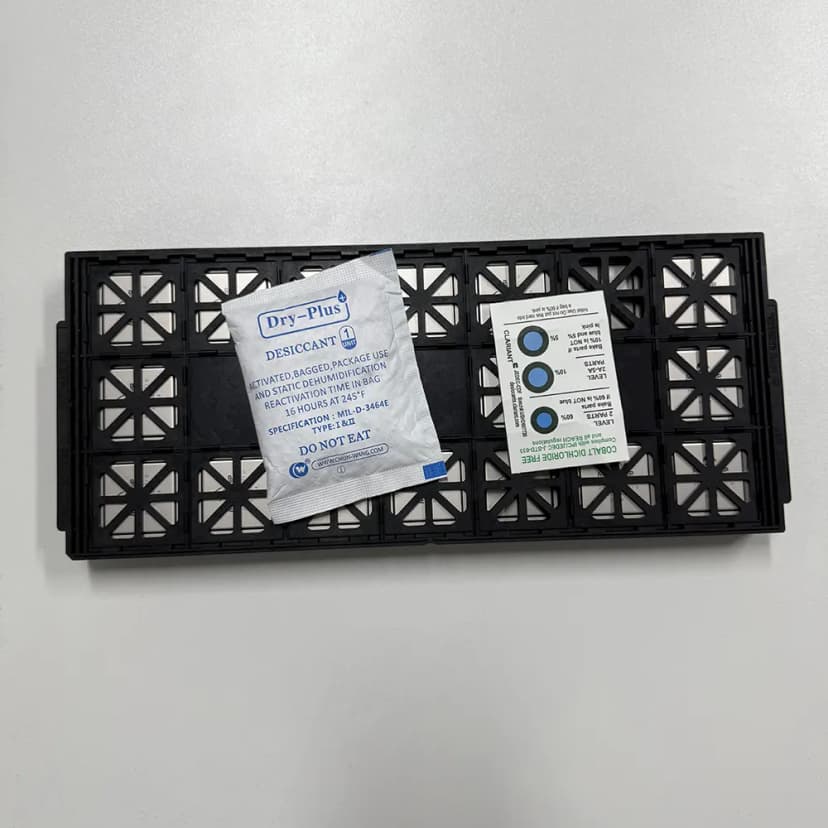
Step2:Desiccant Protection
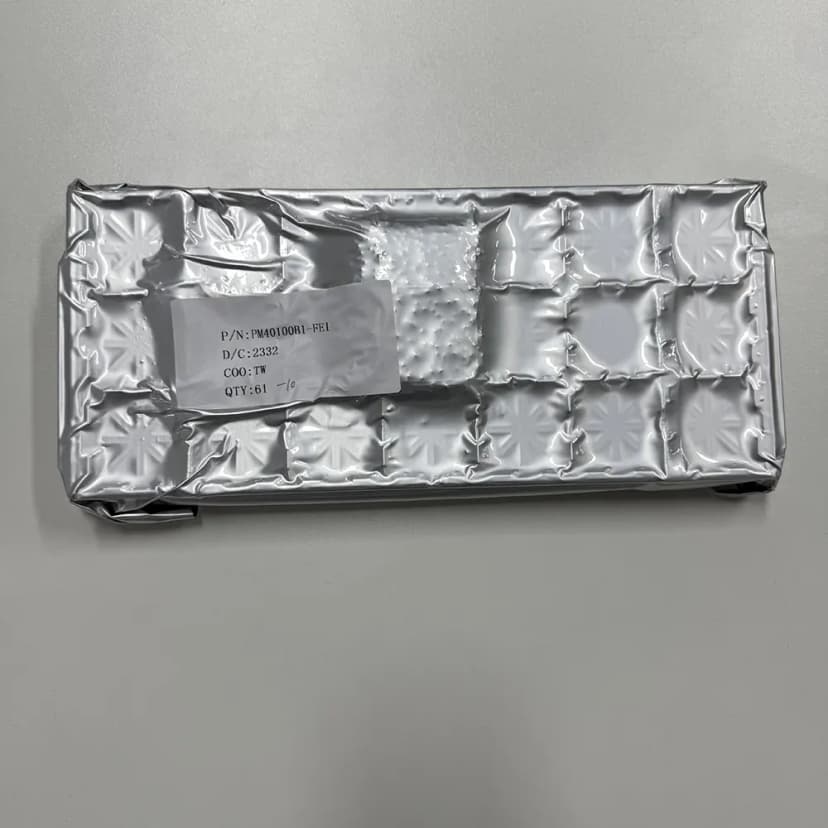
Step3:Vacuum Packaging
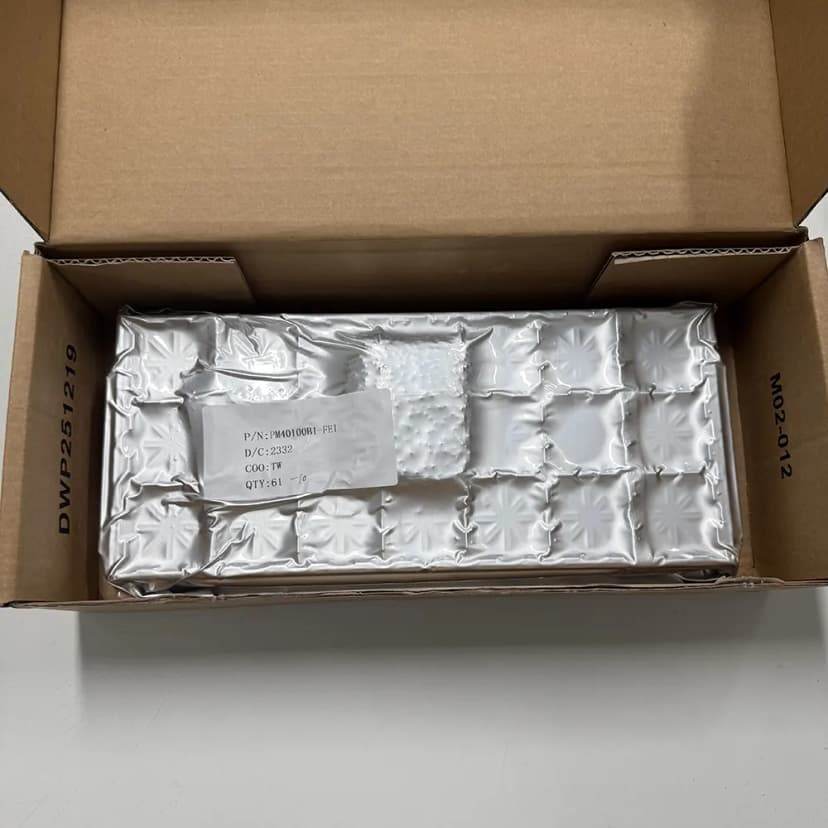
Step4:Individual Package

Step5:Anti-collision Filling
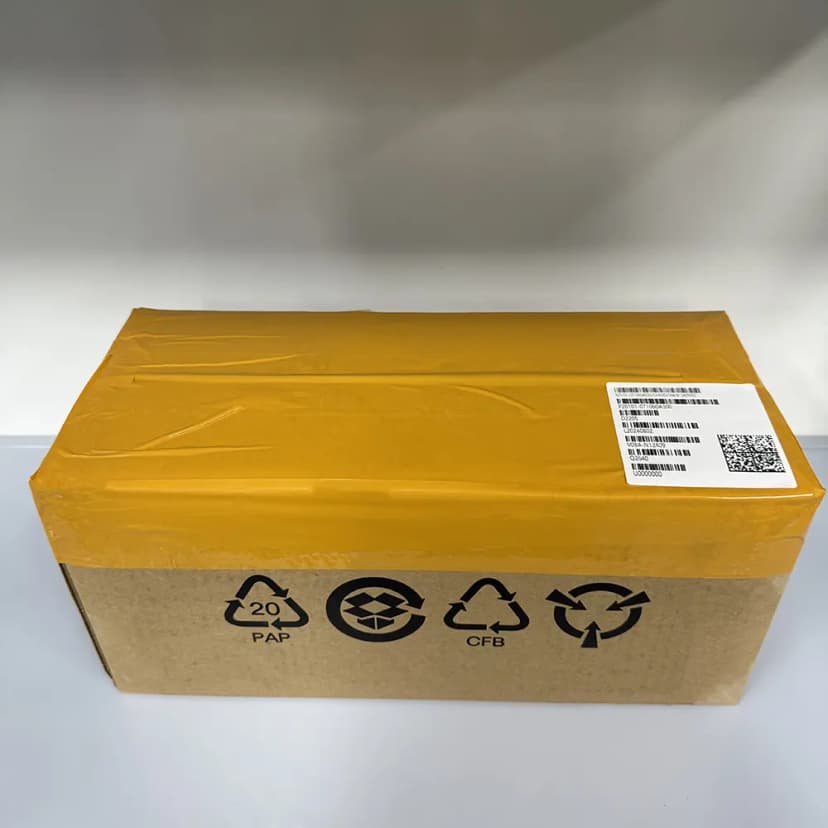
Step6:Packaging Box
SHIPPING COST
1. Shipping starts at $40, but some countries will exceed $40. For example (South Africa, Brazil, India, Pakistan, Israel, etc.).
2. Some specific products need to reach the minimum order quantity.
3. It may cost additional remote fees for delivery if you are in a remote area.
Currently, our products are shipped through DHL, FedEx, SF, and UPS.
DELIVERY TIME1. Once the goods are shipped, estimated delivery time depends on the shipping methods you chose: FedEx International, 5-7 business days.
2. For in-stock parts, orders normally could be shipped out within 1-2days.
AEK-POW-BMS63EN Information
STMicroelectronics AEK-POW-BMS63EN technical specifications, attributes, parameters and parts with similar specifications to STMicroelectronics AEK-POW-BMS63EN.
- Type
- Parameter
- Target Application
- Industrial Battery Management System (BMS)
- Core Product
- L9963E
- ECCN US
- EAR99
- ECCN EU
- NEC
- Packing Type
- Not Applicable
- RoHS Status
- Grade
- Industrial
- Package Name
- CARD
- Target Application
- Industrial Battery Management System (BMS)
- Core Product
- L9963E
- Type
- Parameter
- ECCN US
- EAR99
- ECCN EU
- NEC
- Packing Type
- Not Applicable
- RoHS Status
- Grade
- Industrial
- Package Name
- CARD
Download datasheets and manufacturer documentation for STMicroelectronics AEK-POW-BMS63EN.
Data sheet:

The AEK-POW-BMS63EN is a battery management system (BMS) evaluation board that can handle from 1 to 31 Li-ion battery nodes. Each battery node manages from 4 to 14 battery cells, for a voltage range between 48 V and 800 V.
The board is based on the L9963E, which is designed for operation in both hybrid (HE) and full electric (BE) vehicles using lithium battery packs, but its use can be extended to other Transportation and Industrial applications.
The main activity of the L9963E is monitoring cells and battery node status through stack voltage measurement, cell voltage measurement, temperature measurement, and coulomb counting. Measurement and diagnostic tasks can be executed either on demand or periodically, with a programmable cycle interval. Measurement data are available for an external microcontroller to perform charge balancing and to compute the state of charge (SOC) and the state of health (SOH).
The main functions of a standard BMS are monitoring and protecting the battery pack.
The monitoring function is related to the measurement of the battery current, voltage, and temperature. The protection function brings the system to a safety state in case of under or overvoltage and overheating.
The AEK-POW-BMS63EN provides an elaborate monitoring network to sense the voltage, current, and temperature of each cell. This sensing allows elaborating the SOC of each battery cell and, consequently, the state of charge of all battery packs. The SOC allows assessing the remaining battery capacity, which equates to the remaining driving range.
For maintenance reasons, it is important to monitor the SOC estimation over time. According to our algorithm for the SOC calculation, the more the SOC differs from its nominal value (that is, its value when the batteries are new), the more a cell of the battery pack risks over-discharge. Thus, the SOC evolution over time allows asserting the state of health (SOH) of a cell or a battery pack to spot early indications that a cell is at risk of over-discharge or overcharging.
The SOC of a battery cell is required to maintain its safe operation and duration during charge, discharge, and storage. However, SOC cannot be measured directly and is estimated from other measurements and known parameters (such as characterization curves or look-up tables). This information on the battery cells is necessary to determine how the voltage varies according to the current, the temperature, etc., on the basis of the battery chemical composition and production lot used.
The AEK-POW-BMS63EN can work in two different daisy chain topologies: centralized and dual access ring.
In a centralized daisy chain configuration, a series of BMS is connected to an MCU board through a single transceiver connected to the AEK-POW-BMS63EN isolated ISOLport. The BMS are connected to each other through the isolated ISOH port.
The MCU communicates with the AEK-COM-ISOSPI1 hosted L9963T transceiver through the SPI protocol. The transceiver converts these signals into ISO SPI signals to communicate with the BMS.
The AEK-COM-ISOSPI1 allows converting SPI signals in isolated SPI signals, thereby reducing the number of necessary wires from 4 to 2 and implementing differential communication for higher noise immunity.
A dual access ring configuration is also possible by adding another transceiver that makes the communication bidirectional. The secondary ring is used as a backup in case the primary ring fails. Data moves in opposite directions around the rings, and each ring remains independent of the other unless the primary ring fails. The two rings are connected to continue the flow of data traffic.
In AutoDevKit ecosystem software package, we created two example demos (one for centralized and one for dual access ring configuration) to elaborate SOC and SOH, using Li-ion batteries. Battery packs may have different SOCs, and balancing is necessary to bring them all to the same charge level. After detecting the lowest charge in the battery pack, all the other battery nodes are discharged to reach its level. The demos explain how to activate the internal MOSFETs of the L9963E, which short-circuit the cell on an external dissipation resistor to discharge it. Passive cell balancing can be performed either via the L9963E internal MOSFETs or via external MOSFETs/resistors. The controller can either manually control the balancing drivers or start a balancing task with a fixed duration. In the second case called silent mode, the balancing may be programmed to continue even when the IC enters a low power mode, to avoid unnecessary current absorption from the battery pack. The balancing function is necessary to lengthen the battery capacity and its duration.
Different MCUs can be used. In our demos we used the AEK-MCU-C4MLIT1, while other ASIL-B and ASIL-D microcontrollers of the SPC58 Chorus family are supported.
- Hosts the L9963E AEC-Q100 qualified automotive multicell battery monitoring and balancing IC
- Voltage monitoring of every single cell and of the entire battery node
- Voltage, current, and temperature sensing of each cell
- 5 GPIOs to connect temperature sensors as NTCs
- An NTC hosted on the L9963E to sense the chip temperature
- Passive balancing
- Compact size: 100 mm x 76 mm
- Included in the AutoDevKit ecosystem
AIChipLink – Your Trusted Electronic Components Distributor

12.28 M
Listed Part Number
3,000+
Leading Manufacturers
4.9 M
In-stock SKU
15,000+
Warehouse Area(㎡)
.png&w=256&q=75)